West Virginia Fox Squirrel Color Variations
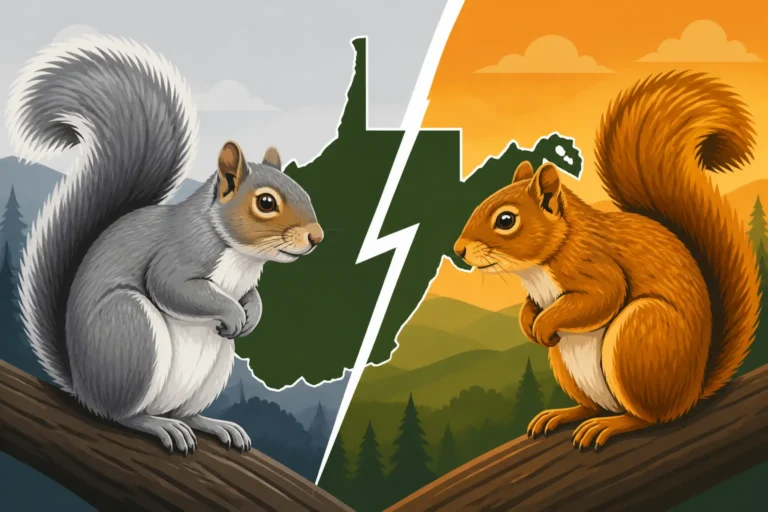
It's easy to assume that all fox squirrels look pretty much the same – a uniform rusty red, perhaps with some grey thrown in. But if you spend enough time in the West Virginia woods, you'll quickly realize that these charismatic critters sport a surprising array of coat colors. This guide is here to unravel the mystery behind those beautiful, sometimes confusing, West Virginia fox squirrel color variations, giving you a deeper appreciation and understanding of the game you pursue.
The Vibrant Palette of West Virginia Fox Squirrels
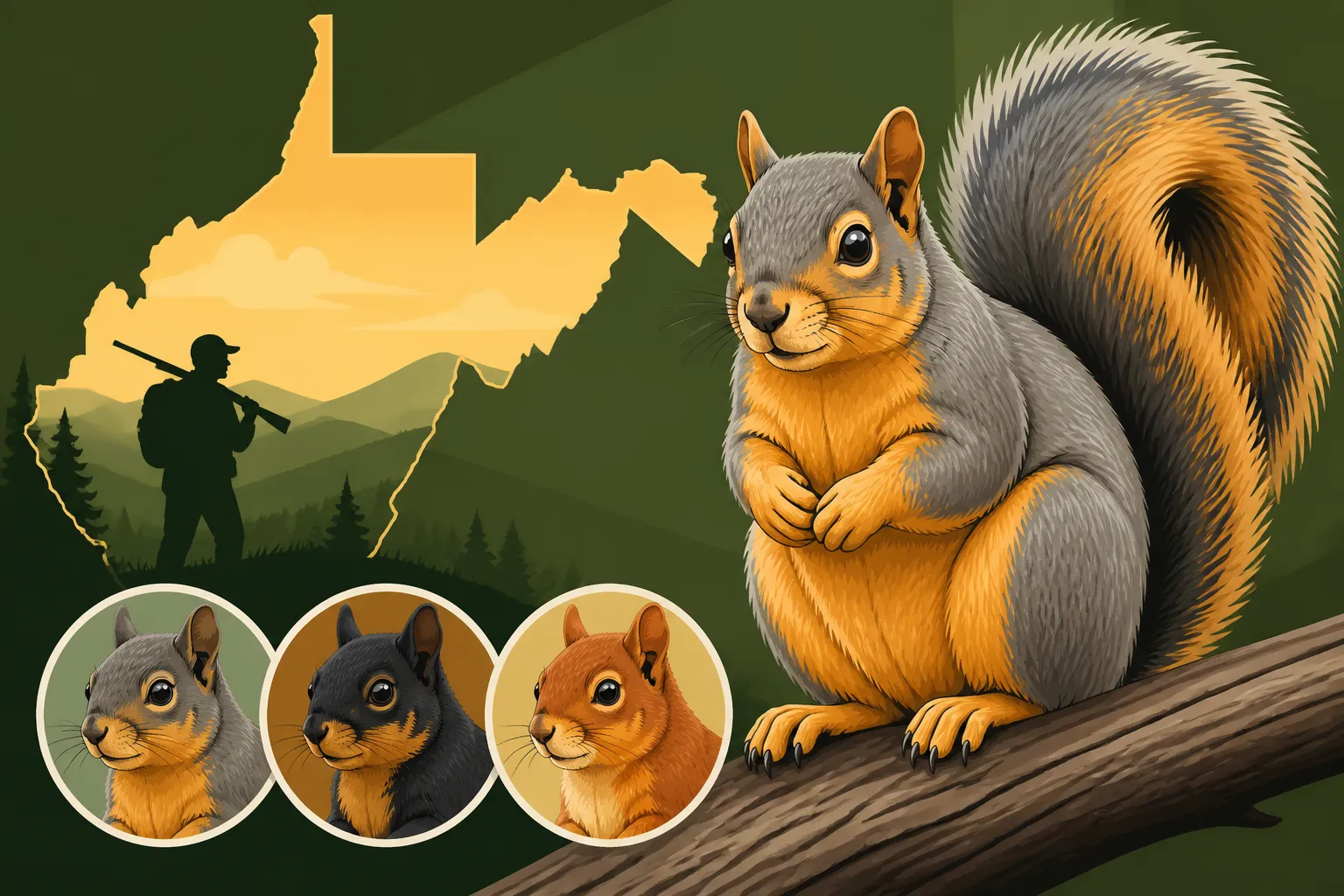
When you first picture a fox squirrel, you probably envision that quintessential reddish-orange coat that gives them their name. And yes, many of them do fit that description, especially if you're hunting the eastern panhandle or the more open, agricultural areas. However, the Mountain State is a biological melting pot, and our fox squirrels are no exception. Their coats can range from bright, fiery reds to deep, smoky grays, sometimes with surprising patches of black or even hints of white. It's a spectrum that often catches new hunters off guard, and even seasoned veterans will sometimes pause, wondering if they've spotted something truly unique.
The variations aren't just aesthetic; they're a fascinating reflection of genetics, diet, and environment. These squirrels aren't just one-trick ponies in the color department; they're artists with a diverse palette. Understanding these differences can actually make you a more observant hunter, helping you differentiate them from their smaller gray squirrel cousins, and simply enriching your time in the woods as you appreciate the natural beauty around you.
More Than Just "Fox Red"
While the "fox red" coloration is certainly common and gives the species its name, to think that's the only color you'll see in West Virginia would be a mistake. Our fox squirrels, Sciurus niger, are known for being much more varied in their coats than the Eastern gray squirrel. You might stumble upon an animal that's predominantly grey on its back, with only a reddish belly or tail. Others might exhibit a striking mix, with mottled patterns of black, tan, and rust. It's not uncommon for hunters to even mistake a particularly dark fox squirrel for something else entirely, especially if light conditions are playing tricks.
The "fox red" stereotype often comes from historical observations in areas where that specific genetic expression was dominant. As these squirrels have adapted and spread across different habitats, their genetic makeup has diversified, leading to the broader range of colors we observe today. Think of it like different strains within a breed of dog – they're all still the same species, but individual traits, including coat color, can show considerable variety. This is especially true in a state as topographically diverse as West Virginia, where isolated populations can develop distinct characteristics.
Regional Differences in Coloration
It's not just random chance; where you hunt in West Virginia can actually give you a clue about the kind of fox squirrel colors you're more likely to encounter. In the broad river bottoms and agricultural lands of the Ohio River Valley, for instance, you might see more of the classic rusty orange individuals, often with a darker grizzled back. These areas tend to have more mature hardwoods like oaks and hickories, and less dense undergrowth, which could favor certain colorations for camouflage or simply reflect the dominant genetics of those historical populations.
Contrast that with the deep, dark timber of the Monongahela National Forest or the more northern parts of the state where mixed forests prevail. Here, you might observe fox squirrels with much darker, almost melanistic tendencies, or a more pronounced grey-and-black speckling. These darker coats could offer better camouflage against the darker bark of hemlocks and other conifers, or in areas with more shade and less direct sunlight. It's fascinating how local conditions, even within a single state, seem to subtly influence the appearance of game animals. The best way to understand these regional nuances is to spend time in different areas, perhaps using a tool like GoHunt to scout and observe before the season truly begins. You'll be amazed at the subtle shifts.
Environmental and Genetic Factors
So, what causes all this dazzling variation? It boils down to a mix of genetics and environment, as is often the case in nature. Genetically, squirrels inherit traits from their parents, and if a population carries genes for a wide range of pigment expressions, you'll see a broader spectrum of colors. Certain genes control the type and amount of melanin produced, leading to anything from deep black (eumelanin) to red/yellow (pheomelanin). The combination and distribution of these pigments are what create the individual squirrel's unique coat.
Environmentally, factors like diet and sun exposure can also play a role, though perhaps to a lesser degree than genetics. A diet rich in certain nutrients might subtly affect coat vibrancy, while prolonged sun exposure can bleach or lighten fur over time. However, the most significant environmental pressure that influences color is camouflage. A squirrel that blends better into its surroundings, whether that's the bark of a sycamore in a river bottom or the dark shadows of an oak ridge, has a better chance of avoiding predators like hawks, owls, and coyotes. Over generations, this natural selection can lead to the prevalence of certain colorations in specific habitats. When you're out Squirrel Hunting West Virginia Bottomland Hardwoods, pay attention to how well different squirrels blend into their surroundings – it's a living lesson in natural selection.
Common Color Phases You'll Encounter
As you venture into the West Virginia wilds for small game, keep your eyes peeled. You'll soon realize that calling a fox squirrel "red" is like calling a West Virginia sunset "orange" – it's accurate, but misses all the beautiful complexity. They don't just exist in one uniform shade. Instead, think of them as having several 'main' color phases, alongside some truly striking, less common variations. These aren't distinct subspecies, mind you, but rather different expressions of their genetic code that result in a visually diverse population. Knowing what to look for can make your time afield even more engaging, turning every sighting into a mini-biology lesson.
The Classic Rusty Orange and Grey
This is likely the most common and widely recognized color phase for West Virginia fox squirrels. You'll see a dominant rusty orange or reddish-brown hue on their belly, flanks, and often the underside of their tail, much like the "fox" in their name implies. However, don't expect them to be entirely red. Their backs, head, and upper tail often feature a grizzled mix of grey, black, and sometimes a bit of brown. This creates a beautiful contrast, with the lighter, often brighter orange peeking out from underneath. It's a classic look that provides excellent camouflage against tree bark, leaf litter, and the dappled sunlight of the forest floor, especially in areas with more open woods and sunlight.
Imagine hunting along a logging road in the Potomac Highlands Public Land, the autumn leaves crunchy underfoot. You hear a rustle and spot a flash of red. As it scrambles up an oak, you see that tell-tale combination: the rusty undersides, the salt-and-pepper back. This is your archetypal West Virginia fox squirrel. They're robust and often quite vocal, using barks and chirps to communicate. While they're widespread, you might find this coloration particularly prevalent in the more open, mature hardwood forests that dot our state.
Melanistic and Leucistic Variations
Now, for something truly special! While less common, West Virginia's fox squirrels can occasionally display melanistic or leucistic tendencies, making for a memorable sighting.
- Melanistic squirrels are those that are predominantly black or very dark brown. This isn't due to dirt or shadows; it's a genetic overproduction of dark pigment. Imagine a squirrel that looks almost like a small bear cub scampering through the trees – that's a melanistic fox squirrel. They are incredibly striking and often stand out sharply against lighter backgrounds, though they might blend seamlessly into the deep shadows of thick laurel or pine stands. Spotting one is a rare treat, and they are sometimes mistaken for other species due to their unusual coloring. If you're Squirrel Hunting a West Virginia Oak Ridge, keep an eye out for these unique individuals. They are still fox squirrels, exhibiting the same behaviors and size, just dressed in a dramatically different coat.
- Leucistic squirrels, on the other hand, have reduced pigmentation, resulting in lighter, often cream or pale yellow coats. These aren't true albinos (which would have red or pink eyes due to a complete lack of pigment), but rather have diluted colors. A leucistic fox squirrel might appear almost white, but with normal eye color. They are even rarer than melanistic individuals and can be quite conspicuous in the forest, making them a marvel to observe. Both melanism and leucism are natural genetic variations that occur in many animal populations, and finding one during your hunt adds a unique story to your season.
| Color Variation | Primary Characteristics | Common Occurrence in WV (General) | Visibility for Hunter (General) |
|---|---|---|---|
| Rusty Orange & Grey | Reddish-orange belly/flanks, grizzled grey/black back. | Widespread, especially mature hardwoods, river bottoms. | Moderate to Good (Blends well) |
| Dominant Grey | Mostly grey body, with subtle reddish tint on belly/tail. | More common in certain northern or higher elevation forests. | Good (Can be mistaken for gray) |
| Blended/Mottled | Mix of red, black, tan, and grey patches throughout. | Variable, often in transition zones between habitats. | Variable (Depends on pattern) |
| Melanistic (Black) | Predominantly deep black to very dark brown coat. | Rare, often isolated populations in deep timber. | High (Stands out) |
| Leucistic (Pale/Cream) | Pale yellow, cream, or off-white coat; normal eye color. | Very rare, sporadic sightings across varied habitats. | Very High (Highly conspicuous) |
Blended and Speckled Patterns
Beyond the distinct rusty, grey, or rare black/pale phases, many West Virginia fox squirrels exhibit wonderfully blended and speckled patterns that defy simple categorization. These squirrels are a patchwork, showcasing a mix of all the standard colors, sometimes in intricate designs. You might see a squirrel with a grey back heavily speckled with black and tan, giving it an almost salt-and-pepper look, but then with a bright, vibrant orange belly and a tail that's a blend of all these colors. The exact pattern can vary from subtle mottling to bold, almost painterly strokes of color.
These blended patterns often create fantastic camouflage, making the squirrel seem to disappear against the varied textures of tree bark and shadowed undergrowth. They can be particularly challenging to spot if you're Still-Hunting Cranberry WMA Ridges, where the forest floor is a complex tapestry of fallen leaves and mixed vegetation. This diversity in coloration is a testament to the adaptability of the species and the rich genetic diversity within West Virginia's squirrel populations. Every squirrel becomes a unique observation, reminding us that nature rarely adheres to strict, uniform rules.
Why Color Matters (or Doesn't) to the West Virginia Hunter
When you're out in the woods chasing bushytails, a squirrel's color might seem like a minor detail. After all, a squirrel is a squirrel, right? For the most part, yes, but understanding these color variations can actually impact your hunting experience in subtle ways, from identification to simply appreciating the nuances of the game you pursue. It’s not just about pulling the trigger; it's about connecting with the natural world around you, and color plays a small but interesting role in that connection.
Identification Challenges and Opportunities
One of the most practical reasons to pay attention to fox squirrel color is for accurate identification, especially when distinguishing them from the more numerous Eastern gray squirrel. While the sheer size difference is often the most reliable indicator (fox squirrels are noticeably larger and chunkier), color can sometimes be a helpful secondary cue, though it can also be misleading.
Typically, gray squirrels are, well, gray, with a white belly and a characteristic white fringe on their tail. Fox squirrels, even those with significant grey on their backs, almost always have some degree of rusty orange, tan, or dark brown on their undersides, particularly their belly and the underside of their tail. This is a key difference. However, a heavily grey-phased fox squirrel could, at first glance, be mistaken for a very large gray squirrel, especially if it's high in a tree and you're viewing it from a distance. Conversely, a dark melanistic fox squirrel might confuse you entirely, making you wonder if it's an entirely different species.
This is where the opportunity arises. By training your eye to spot these subtle differences, you become a more astute observer. Instead of just seeing "a squirrel," you begin to recognize "a large, mostly grey squirrel with a reddish belly and tail," which instantly narrows it down to a fox squirrel. This skill is invaluable, especially if you're in an area where both species coexist. This attention to detail will serve you well in other forms of hunting, from White-Tailed Deer Across West Virginia to Wild Turkeys in West Virginia.
No Impact on Taste or Behavior
Let's dispel a common myth right away: a fox squirrel's coat color has absolutely no bearing on its taste, texture, or behavior. Whether it's a fiery red, a grizzled grey, or a rare melanistic black, the meat will be the same delicious, lean protein you expect from a wild squirrel. Some old-timers might swear that darker squirrels are tougher or lighter ones are sweeter, but this is pure folklore. Diet, age, and general health are what truly influence the quality of the meat, not the color of their fur.
Similarly, coat color doesn't make a fox squirrel any smarter, dumber, bolder, or shier. A melanistic squirrel won't necessarily be more aggressive, nor will a pale leucistic one be more timid. Their instincts, feeding habits, vocalizations, and reactions to hunting pressure are consistent across all color phases. They'll still chatter at you from a branch, still try to circle a tree to stay out of sight, and still be found Reading Cuttings Under an Oak looking for mast. So, don't let a unique color variation trick you into thinking it's an easier or harder target; hunt it just as you would any other fox squirrel.
Tracking and Bagging Different Color Phases
When it comes to the actual act of hunting, a squirrel's color variation can present minor advantages or disadvantages in terms of spotting and tracking.
- Spotting: A very dark melanistic squirrel can be incredibly hard to see against dark tree bark, especially in low light or deep shadows. Conversely, a leucistic squirrel, with its pale coat, can really pop against a dark background, making it easier to spot. The classic rusty orange and grey, with its blended pattern, generally offers good camouflage against most natural backdrops. Your ability to spot these animals is crucial, whether you're still-hunting or sitting patiently. Using good optics can certainly help here; a quality binocular can often reveal those subtle color nuances that make identification easier.
- Tracking: Once you've taken a shot, especially if the squirrel doesn't drop immediately, its color can sometimes aid in tracking. A brighter, more distinct color might stand out slightly more against leaf litter if you're trying to follow its path. However, in West Virginia's dense forests, with their rich layers of fallen leaves and undergrowth, tracking a wounded squirrel can be notoriously difficult regardless of its color. They're masters of disappearing into tangles and hollows. The best approach remains a quick, clean shot, and a diligent search immediately after the shot to minimize loss. If you plan to hunt Squirrel Hunting West Virginia Bottomland Hardwoods, knowing these small game tactics can increase your success.
Ultimately, while the aesthetic differences are a wonder to behold, they don't fundamentally change the game. Hunt smart, respect the animal, and enjoy the rich diversity that West Virginia's fox squirrel population offers.
Documenting Your Observations and Contributing to Knowledge
The vibrant and varied world of West Virginia's fox squirrels is a treasure, and as hunters and outdoors enthusiasts, we have a unique opportunity to appreciate and even contribute to the understanding of this species. Beyond the hunt itself, observing and documenting the different color variations can deepen your connection to the natural world and provide valuable insights into local wildlife populations. It's a way to engage with the environment that goes beyond the harvest, turning every trip afield into a scientific expedition, however informal.
Using Technology for Better Identification
In today's age, we have some fantastic tools at our fingertips that can enhance our observations in the field. Your smartphone, for instance, is far more than just a communication device; it's a powerful camera and a navigation tool. When you encounter a particularly unique fox squirrel coloration, take a clear photo if you can. These photos can serve as personal records, help you confirm identification later, or even be shared with fellow hunters to discuss variations.
Beyond simple photos, mapping applications like GoHunt offer layers that can show you different habitat types. While they won't tell you where specific color phases are, understanding the forest composition, proximity to agricultural fields, or elevation can help you correlate your sightings with environmental factors. You might start noticing patterns, like darker squirrels appearing more often in higher elevation spruce forests, or redder squirrels favoring oak-hickory stands in the valleys. Documenting where you see these variations using GPS waypoints can create a personal database of observations, making you a more informed and engaged hunter.
Citizen Science and WVDNR
Hunters are often the eyes and ears of wildlife agencies, spending more time in the remote corners of the state than almost anyone else. Your observations of unusual fox squirrel colorations can actually be valuable contributions to citizen science efforts. While the West Virginia Division of Natural Resources (WVDNR) might not have specific programs for tracking squirrel color variations, sharing your interesting sightings through their general wildlife observation reporting channels or by simply engaging with local wildlife biologists can still be beneficial.
Think about it: if multiple hunters in a specific region consistently report a higher number of melanistic fox squirrels, for example, it could indicate a localized genetic prevalence that might be of interest to researchers studying population genetics or adaptations. You don't need a scientific degree to contribute; simply being observant and sharing what you see can help fill in gaps in our collective knowledge. It’s a subtle but important way to give back to the resource, reinforcing the role of hunters as conservationists and dedicated stewards of West Virginia's wild heritage. You might also find interesting data on West Virginia Squirrel Harvest Numbers that could be correlated with certain regions or habitat types.
Disclaimer
This article is for general informational purposes only and does not constitute professional advice. Laws, prices and regulations vary by location and change over time. Consult a qualified professional for guidance on your specific situation.