West Virginia Turkey Brood Survey Results
Every West Virginia turkey hunter knows the feeling: the anticipation before the season, wondering if it's going to be a banner year or if the woods will feel a bit quieter. So much of that success hinges on the health of our wild turkey populations, and nothing gives us a clearer glimpse into the future than the annual turkey brood survey results. It's not just a bunch of numbers; it's a vital scorecard that helps us understand how our feathered friends are doing, and what we might expect when we hit the woods next spring or fall. This guide will break down what these surveys mean, how to interpret them, and how you can use this knowledge to become a more informed and successful hunter in the Mountain State.
What Exactly Are Turkey Brood Surveys?
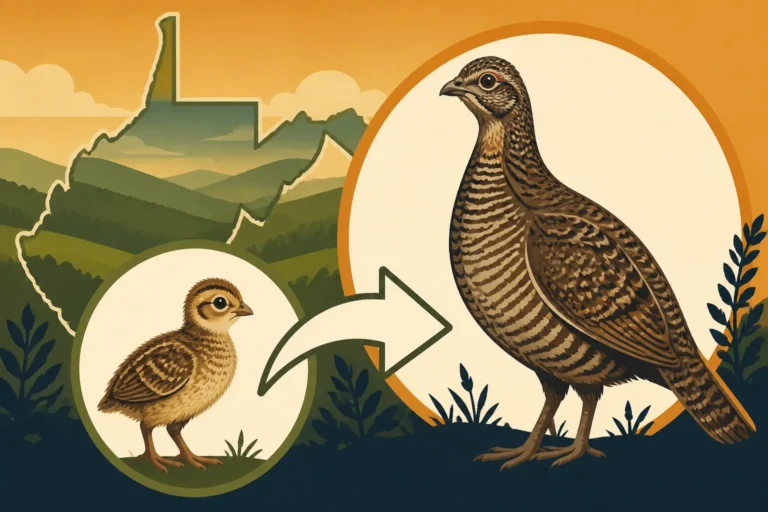
When we talk about West Virginia's turkey brood surveys, we're really digging into the reproductive success of our wild turkey hens. These aren't just casual observations; they're a systematic effort to collect data on the number of poults (young turkeys) produced each summer relative to the number of adult hens. Think of it as the ultimate report card for our turkey breeding season. The West Virginia Division of Natural Resources (WVDNR) coordinates these efforts, often relying on a network of dedicated volunteers and staff to gather crucial information from across the state.
The primary goal is to determine the "poult-to-hen ratio," which is a fancy way of saying how many young turkeys are surviving per adult hen. This ratio is incredibly important because it's a direct indicator of how well the population is replenishing itself. A high ratio suggests a successful nesting and brooding season, while a low ratio can signal challenges that year, potentially impacting future hunting opportunities.
The Science Behind the Surveys
These surveys aren't just guesswork; they're built on careful methodology. From July 1st through August 31st each year, observers are asked to record every turkey sighting. For each sighting, they note how many adult hens they see, and critically, how many poults are with them. They also try to estimate the age class of the poults, often categorizing them into groups like "very small" (0-3 weeks), "small" (4-8 weeks), "medium" (9-12 weeks), or "large" (13+ weeks). This detailed age information can provide insight into when successful hatches occurred. Was it an early hatch or a late one? This can sometimes correlate with weather patterns or other environmental factors.
WVDNR personnel, along with citizen volunteers, cover as much ground as possible, driving roads, walking logging trails, and observing fields and clear-cuts. The more observations, the more accurate the picture of the overall turkey population health. It’s a huge undertaking, and every reported sighting contributes to a broader understanding. Without these citizen scientists and dedicated WVDNR staff, it would be incredibly difficult to get such a comprehensive snapshot of turkey recruitment. This collaborative effort is what makes the data truly valuable for wildlife management.
Why Poult-to-Hen Ratio Matters
The poult-to-hen ratio is arguably the most critical piece of data that comes out of these surveys. It's the key metric for understanding the future of our turkey hunting. A ratio of around 2.0 or higher is generally considered "good," indicating a healthy recruitment of young birds into the population. This means that for every adult hen observed, there were at least two poults that survived through the critical early summer months. Conversely, a ratio below 1.5 might suggest a poor nesting and brooding season, which can lead to fewer birds on the landscape in the coming years.
When we see a strong poult-to-hen ratio, it often translates into more jakes (young gobblers) the following spring, and more two-year-old birds the year after that. This directly impacts hunters' success rates and overall hunting quality. If the ratio is consistently low over several years, it can be a red flag for the long-term health of the turkey population and might even lead to discussions about adjusting season dates or bag limits to help the birds rebound. Understanding these numbers is essential for any hunter who wants to really grasp what's happening in our West Virginia turkey woods. You can dive deeper into this specific metric by reading Poult-to-Hen Ratios and What They Mean.
Deciphering West Virginia's Brood Survey Trends
Analyzing West Virginia's turkey brood survey results isn't just about looking at a single year's numbers. It's about spotting trends, understanding what caused them, and learning how these trends might impact future hunting seasons. Wild turkey populations are incredibly resilient, but they are also sensitive to environmental changes. Therefore, understanding the yearly fluctuations helps us appreciate the challenges and successes our turkeys face.
The data often shows ups and downs, reflecting the dynamic nature of wildlife. A good year might be followed by a mediocre one, and vice versa. These trends are influenced by a complex interplay of factors, from the timing and severity of spring weather to the availability of crucial habitat and the prevalence of predators. Looking at these trends over time provides a much richer story than any single year's snapshot.
Impact of Weather and Habitat on Brood Success
West Virginia's famously fickle spring weather is one of the biggest determinants of turkey brood success. Cold, wet springs can be devastating for young poults. They are highly susceptible to hypothermia in their first few weeks of life, and prolonged periods of rain and low temperatures can decimate a hatch. Wet conditions also reduce insect availability, which is a critical food source for rapidly growing poults. Hens need good, dry nesting cover to protect their eggs, and if heavy rains flood nests, the entire clutch can be lost.
Habitat also plays an enormous role. Areas with diverse habitat, offering a mix of mature timber for roosting, open fields for bugging, and dense undergrowth for nesting and brood-rearing, tend to fare better. Think about a recent timber harvest creating new early successional growth – that’s prime bugging habitat! Conversely, areas with fragmented or degraded habitat will struggle to support healthy turkey populations, regardless of the weather. When poults don't have safe places to hide from predators or access to a consistent food supply, their survival rates plummet. Nest Predation and West Virginia Turkey Hatches further illustrates some of these challenges.
Predators and Other Challenges
While weather and habitat are huge, predators are also a constant threat to turkey poults and nests. Raccoons, opossums, skunks, foxes, and coyotes are all opportunistic predators that will readily consume turkey eggs or poults. The sheer abundance of some of these predators in certain areas can put significant pressure on turkey populations, making it harder for broods to survive. A poor brood year might sometimes be linked to a local boom in a particular predator population.
Beyond direct predation, diseases can also impact turkey numbers, though often less dramatically than environmental factors. Avian diseases can weaken birds and reduce reproductive success. Furthermore, human disturbance, such as excessive recreational use in key brooding areas, can stress hens and poults, sometimes leading to nest abandonment or increased vulnerability. It's a tough world out there for a young turkey, and they face numerous obstacles even before they develop their full set of feathers.
| Poult-to-Hen Ratio Implication | Short-Term (Upcoming Fall/Spring) | Long-Term (2+ Years Out) |
|---|---|---|
| High (2.0+) | Expect more jakes and some mature gobblers, good hunting prospects. | Strong pipeline of young birds, healthy population growth. |
| Moderate (1.5 – 1.9) | Decent jake numbers, potentially fewer older birds. Hunting can still be good but might require more effort. | Stable population, but vulnerable to consecutive poor years. |
| Low (<1.5) | Fewer jakes and mature gobblers. Hunting success may be tougher, particularly for gobblers. | Potential for population decline, management intervention may be considered. |
How Hunters Can Use Brood Survey Information
So, you've looked at the numbers, and you've got a sense of how West Virginia's turkeys fared this summer. Now what? This is where the informational aspect truly turns into practical application for hunters. The brood survey results aren't just for wildlife biologists; they're a powerful tool you can use to refine your hunting strategies, set realistic expectations, and scout more efficiently. Understanding these trends transforms you from a reactive hunter into a proactive one.
This data allows you to anticipate what the turkey woods might look like in the upcoming seasons. Did your favorite county have a fantastic hatch? Great! You might find more jakes running around next spring. Was it a tough year? Then you know you might need to work a little harder to locate birds, or perhaps focus on areas with historically better habitat. Integrating these survey insights into your hunting plans is a smart move.
Predicting Fall and Spring Turkey Opportunities
One of the most direct benefits of brood survey data is its ability to help predict future hunting seasons. If the state, or a particular region, reports a strong poult-to-hen ratio, you can generally expect a robust population of jakes the following spring. Jakes are often more vocal and less wary than older gobblers, making them a fun challenge for many hunters. A strong class of jakes also means that in two years, you'll have a good number of two-year-old gobblers, which are often the most aggressive and responsive to calling. This directly impacts Spring Turkey Hunting in West Virginia.
Conversely, a poor brood year usually means fewer jakes the next spring, and a smaller cohort of two-year-old gobblers in subsequent seasons. This doesn't mean you won't find turkeys, but it might indicate that mature gobblers will be scarcer, or that you'll be primarily targeting older, more wary birds. For fall turkey hunting, a good brood year means more birds on the ground, making flock hunting, as detailed in Hunting West Virginia's Fall Turkey Splits, potentially more productive. If the numbers are down, you might adjust your expectations for the fall season accordingly.
Scouting Smarter with Survey Insights
Armed with brood survey results, you can make your pre-season scouting much more efficient. If the surveys indicate a strong hatch in a specific area, you can prioritize scouting efforts there, knowing there's a higher likelihood of encountering birds. For example, if the Eastern Panhandle showed a stellar poult-to-hen ratio, you might spend more time there looking for fresh turkey sign than in a region that had a poor year.
You can combine this data with other resources. For instance, using a platform like GoHunt, you could overlay historical poult-to-hen ratios with mapping layers for public lands or specific habitat types. This allows you to identify areas that consistently produce good hatches and then focus your physical scouting on those spots. Have some maps from GoHunt pulled up and look for areas with good transitions between open fields and dense timber, which are ideal for brood rearing. Look for those early successional habitats or areas with plentiful insects. Knowing where birds successfully raised their young can help you pinpoint areas where they are likely to be present later in the year, be it for spring gobblers or fall flocks. This kind of targeted scouting saves time and increases your odds of finding birds.
Beyond the Numbers: Other Factors Influencing West Virginia's Turkeys
While turkey brood survey results are invaluable, they represent just one piece of a much larger and more intricate puzzle when it comes to understanding West Virginia's wild turkey populations. Wildlife management is a holistic endeavor, taking into account numerous ecological and environmental factors to ensure the long-term health and sustainability of the species. Relying solely on one data set, no matter how good, would provide an incomplete picture.
For hunters, this means not putting all your eggs in one basket (pun intended!). While the brood surveys give you an excellent predictive tool, it's crucial to consider other influences that continually shape the populations we pursue.
Brood Surveys as One Piece of the Puzzle
The WVDNR uses brood surveys in conjunction with other data collection methods to form a comprehensive understanding of the state's turkey populations. For instance, annual harvest reports provide insights into hunter success and the age structure of harvested birds. Spring gobbler surveys, where staff and volunteers count gobblers heard during specific routes, give an indication of the adult gobbler population. All these numbers together paint a more complete picture of West Virginia Turkey Population Trends.
Think of it like being a detective. The brood survey results are a very strong clue, but you wouldn't solve the case with just one piece of evidence. You need to gather all available information, cross-reference it, and then draw conclusions. For example, if a region has a fantastic poult-to-hen ratio but a low harvest rate for mature gobblers, it might indicate that the mature birds are more wary, or that hunting pressure is impacting hunter success, rather than a lack of birds. This multi-faceted approach helps the WVDNR make informed management decisions to ensure the best possible future for West Virginia's turkeys.
The Role of Habitat Management and Conservation
Underlying all population dynamics is habitat. The quality and quantity of habitat directly influence a turkey's ability to nest successfully, raise poults, and find food and cover throughout the year. The WVDNR, often in partnership with organizations like the National Wild Turkey Federation, continuously works on habitat improvement projects across public lands, including many of our Wildlife Management Areas. These efforts might involve prescribed burning to create new growth, thinning timber to encourage understory vegetation, or planting food plots to supplement natural forage.
These habitat management practices don't show up directly in a single year's brood survey, but their long-term impact is undeniable. Healthy, diverse habitats provide the foundation for robust turkey populations, making them more resilient to adverse weather conditions or increased predation pressure. Conservation efforts, like protecting large tracts of contiguous forest or restoring riparian zones, ensure that Wild Turkeys in West Virginia have the space and resources they need to thrive for generations to come. As hunters, understanding and supporting these efforts is just as important as knowing the latest brood survey numbers. It's about protecting the future of our passion.
Disclaimer
This article is for general informational purposes only and does not constitute professional advice. Laws, prices and regulations vary by location and change over time. Consult a qualified professional for guidance on your specific situation.