West Virginia Annual Deer Harvest
It's easy to feel a bit overwhelmed when you start looking at the official West Virginia deer harvest numbers. They can seem like a jumble of figures, leaving you wondering what they actually mean for your time in the woods. This guide is here to break down the ins and outs of West Virginia's annual deer harvest, helping you understand how these vital statistics are gathered, what influences them, and how you can use this knowledge to become a more informed and successful hunter in the Mountain State.
Understanding West Virginia's Deer Harvest Numbers
When the West Virginia Division of Natural Resources (WVDNR) releases its annual deer harvest report, it's more than just a tally of animals taken. These numbers are a crucial snapshot of the health of our deer herd, the success of our hunting seasons, and the overall management strategies in place. For many hunters, myself included, these reports can feel a bit like reading tea leaves, but with a bit of insight, they tell a compelling story about our wild places.
What "Harvest" Actually Means for Hunters
The term "harvest" in hunting is a polite way of referring to the total number of deer legally taken by hunters during a given season. It’s not just a body count; it encompasses all deer checked in through official channels, whether they were taken with a bow, a rifle, or a muzzleloader. These numbers are meticulously collected because they directly reflect hunter effort, deer population trends, and the effectiveness of current hunting regulations. Without accurate harvest data, the WVDNR would be flying blind when it comes to managing one of our state's most valuable wildlife resources. It’s about more than just filling freezers; it’s about responsible wildlife stewardship.
This annual accounting includes everything from that mature buck you finally caught up with, to the antlerless deer that helps balance the herd in your favorite WMA. Each reported deer contributes to a larger dataset that informs biologists about localized populations and broader statewide trends. For example, if antlerless harvests are consistently low in a particular area, it might signal a need for increased opportunities or a declining deer population in that specific region, prompting further investigation or management adjustments.
Why the Annual Harvest Matters to You
As a hunter, the annual deer harvest numbers are far more than just dry statistics; they are a direct reflection of the hunting experience you can expect and the management decisions that shape our seasons. These figures tell us how many deer are being taken, by what method, and in which counties, offering valuable insights into population density, hunter pressure, and even the health of the herd. When you see a high buck harvest in the Eastern Panhandle, it speaks to the potential for trophy animals and effective management in that region. Conversely, a dip in antlerless harvest might suggest the WVDNR is trying to rebuild a local population.
The WVDNR uses this information to make critical decisions about future regulations, such as setting dates for various seasons, adjusting bag limits, or determining which counties will have extended antlerless opportunities. If the overall harvest numbers indicate a robust and growing deer population, it's reasonable to anticipate more liberal hunting opportunities. If numbers are declining, stricter rules might be implemented to allow the herd to rebound. Therefore, keeping an eye on these reports can give you a heads-up on potential changes, helping you plan your seasons and understand the rationale behind regulations like the different tiers in the West Virginia Deer Season Structure Explained.
Factors Influencing West Virginia's Annual Deer Harvest
The total number of deer harvested in West Virginia each year isn't just a random figure; it's a complex outcome influenced by a dynamic interplay of environmental conditions, human behavior, and the biological realities of the deer herd itself. Understanding these factors can help you interpret the numbers more accurately and even give you a better grasp of what to expect in future seasons. It’s never just one thing, but a perfect storm of elements that determines the ultimate tally.
Weather Patterns and Their Impact
Mother Nature plays an undeniable and often unpredictable role in shaping the annual deer harvest. Imagine a mild, rainy fall during archery season. Deer might be less active during daylight hours, making them harder to pattern, and hunters might not spend as many hours in their stands. This could lead to a lower archery harvest. Conversely, a sudden cold snap with a dusting of snow just before buck gun season often gets deer up and moving, sending hunters flocking to the woods, which can significantly boost the overall harvest.
Severe weather events, such as prolonged ice storms or deep snow that lingers for weeks, can dramatically affect deer movement and hunter access. Hunters simply can't get to their favorite spots, or deer might be holed up in thick cover, conserving energy. A prime example is when early heavy snowfalls limit accessibility to remote public lands, potentially driving down the harvest in those areas. These conditions directly impact both hunter turnout and deer behavior, making them critical considerations when analyzing harvest data.
Hunter Effort and Participation Trends
The number of hunters in the woods, how long they stay, and how intensely they pursue deer are massive determinants of the total harvest. If more people buy licenses and spend more days afield, the harvest generally sees an uptick, assuming deer populations are stable. Conversely, a decrease in hunting license sales or a general decline in hunter participation can lead to lower harvest numbers, even if the deer population itself remains healthy. It's a fundamental economic principle applied to hunting: supply (deer) meets demand (hunters).
Beyond just raw numbers, the quality of hunter effort also matters. Hunters who put in the time scouting West Virginia Public Land Before Season or invest in better gear and tactics are more likely to be successful. As hunting styles evolve, so too does their impact on the harvest. For instance, the increasing popularity of advanced mapping tools and detailed scouting plans can lead to more efficient hunting, potentially increasing individual success rates and contributing to the overall harvest, even with fewer hunters in some cases. The dedication and knowledge of West Virginia's hunting community are truly powerful forces in the annual harvest.
Deer Population Health and Dynamics
At the core of any harvest report is the deer population itself. The sheer number of deer, their age structure, and their overall health are foundational to how many animals are available for harvest. A strong, healthy deer herd with a balanced buck-to-doe ratio and good fawn recruitment will naturally sustain a higher harvest than a declining or stressed population. Factors like habitat quality—availability of food, water, and cover—directly influence how many deer an area can support. For example, a year with a bumper mast crop (acorns, hickory nuts) might mean deer are well-fed, healthy, and spread out, affecting harvest patterns.
However, challenges to deer health can also impact harvest numbers. The presence and spread of diseases such as Chronic Wasting Disease in West Virginia Deer can lead to localized population declines, which will inevitably show up in reduced harvest figures for affected counties. Understanding the West Virginia Deer Population Estimate and how it shifts due to these biological and environmental pressures is crucial. If the WVDNR observes a declining trend in a specific region, they might adjust antlerless opportunities or season lengths to help the herd recover, illustrating the direct link between population dynamics and hunting regulations.
How the WVDNR Compiles and Uses Harvest Data
The West Virginia Division of Natural Resources doesn't just pull harvest numbers out of thin air. They rely on a comprehensive system of hunter reporting and data analysis to get the most accurate picture possible of our state's deer population. This data is the backbone of wildlife management, guiding decisions that directly affect your hunting opportunities and the health of the herd for years to come.
The Reporting Process for Hunters
Every hunter in West Virginia plays a critical role in the data collection process by properly checking in their harvested deer. This isn't just a formality; it's a legal requirement and a vital contribution to wildlife management. Historically, this involved physical check stations, but today, technology makes it much more convenient. Hunters can report their harvest quickly and efficiently using the WVDNR's online system or their dedicated mobile app. This streamlined process encourages compliance and provides near real-time data for biologists.
When you successfully harvest a deer, the first thing you need to do is tag it immediately with your field tag. Then, within 24 hours (or before processing or leaving the state), you must complete the official check-in process. This involves providing information such as the county of harvest, the date, the weapon used, and whether the deer was antlered or antlerless. This system ensures that all data is captured consistently. The ease of Checking a West Virginia Deer Harvest Online has significantly improved the efficiency and accuracy of this critical first step in data collection.
Interpreting Harvest Reports and Trends
Once the raw data is collected, WVDNR biologists get to work, compiling and analyzing the information to identify trends and assess the health of the deer herd. They look at statewide totals, but also drill down into county-specific data, breaking numbers down by season (archery, muzzleloader, gun) and by type of deer (antlered vs. antlerless). A consistent decline in antlered bucks in a particular county, for instance, might indicate an issue with buck age structure or over-harvesting, while a stable or increasing antlerless harvest suggests a healthy, reproducing doe population.
Biologists are looking for anomalies, significant shifts, and long-term patterns. Is the total harvest increasing or decreasing? Are certain counties showing different trends than others? How do these numbers compare to historical averages? This detailed analysis allows them to pinpoint areas that might need different management strategies, such as increasing or decreasing antlerless bag limits, or adjusting season lengths. This is where the raw data truly becomes actionable intelligence for managing our deer resource.
| Year (Hypothetical) | Archery Harvest (Antlered) | Archery Harvest (Antlerless) | Muzzleloader Harvest | Gun Harvest (Antlered) | Gun Harvest (Antlerless) | Total Harvest |
|---|---|---|---|---|---|---|
| Year A | 25,000 | 18,000 | 6,500 | 35,000 | 22,000 | 106,500 |
| Year B | 26,500 | 19,500 | 7,000 | 38,000 | 24,000 | 115,000 |
| Year C | 24,000 | 17,500 | 6,000 | 33,500 | 21,000 | 102,000 |
Note: These are hypothetical numbers designed to illustrate how harvest data might be presented and analyzed.
The Role of Technology in Data Collection
Modern technology has revolutionized how harvest data is collected and processed in West Virginia. Gone are the days when hunters had to drive miles to a physical check station, often waiting in line. Today, the WVDNR's robust online portal and smartphone app make reporting a deer almost instantaneous from anywhere with cell service. This convenience doesn't just benefit the hunter; it dramatically increases the speed and accuracy of data collection for the state.
These digital tools also allow the WVDNR to compile and analyze data much faster, providing biologists with up-to-date information that can inform season adjustments more efficiently. For hunters, this translates to timely reports and insights into local and statewide trends. Additionally, modern mapping platforms, such as those provided by GoHunt, integrate seamlessly with state land and regulation data, allowing hunters to visualize harvest statistics against specific terrain features or public land boundaries, greatly enhancing their planning capabilities before they even set foot in the woods.
What the Harvest Numbers Tell Us About Future Hunting
Understanding the annual deer harvest isn't just about looking back at what happened; it's a powerful tool for looking forward. The trends and statistics embedded within these reports offer valuable clues about the future of deer hunting in West Virginia, from potential regulation changes to identifying prime hunting locations. For the savvy hunter, these numbers are a roadmap.
Predicting Future Deer Numbers and Regulations
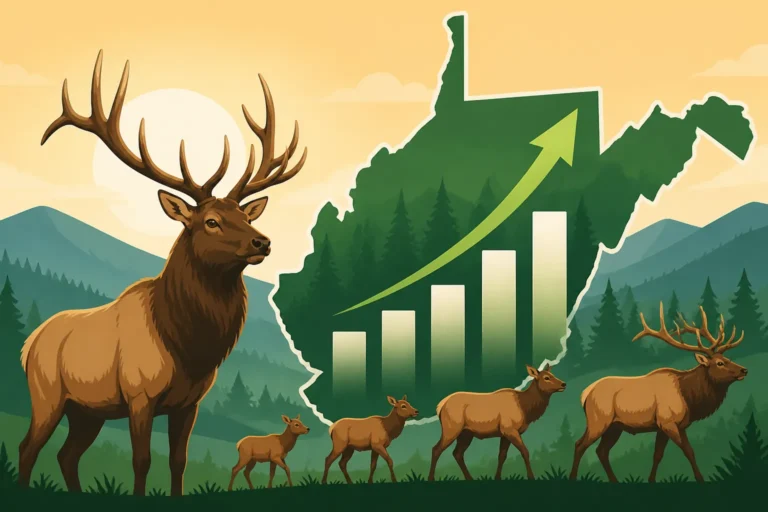
A careful examination of the annual harvest numbers provides a strong indication of what future deer populations might look like and how hunting regulations could adapt. For example, if several consecutive years show a high antlerless harvest in a specific county, it could signal that the WVDNR is successfully managing a robust deer population in that area, and perhaps more liberal antlerless opportunities might be sustained or even expanded. Conversely, if total harvest numbers, particularly antlered buck numbers, begin to decline across a region, it might prompt the WVDNR to implement more conservative measures, such as reduced bag limits or shorter antlerless seasons, to allow the herd to recover.
These adjustments are not made lightly; they are data-driven decisions aimed at ensuring the long-term health and sustainability of West Virginia's deer resource. Hunters who pay attention to these trends can anticipate such changes. For instance, a strong harvest during Hunting the Rut in Mid-November might suggest that herd health is good and bucks are active, but biologists will also look at fawn recruitment and overall doe numbers to ensure future generations are secure.
Identifying Hot Spots and Areas of Concern
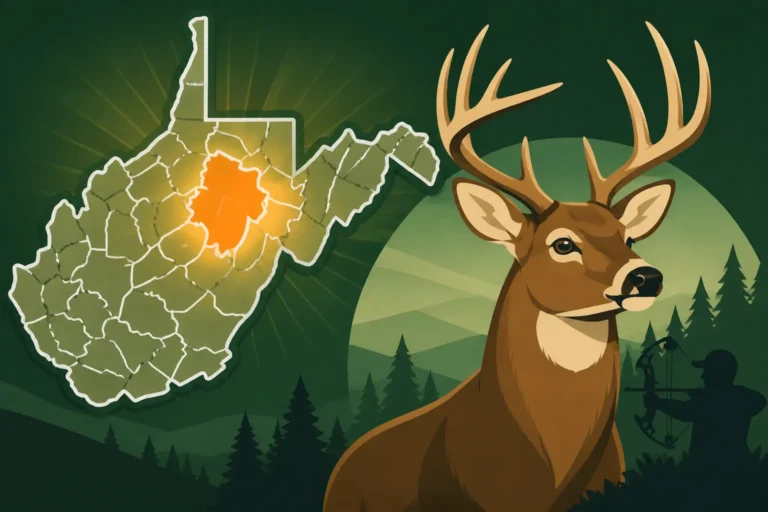
Delving into county-level harvest data can be incredibly revealing, helping hunters identify potential "hot spots" where deer populations are thriving, as well as areas of concern. A county that consistently boasts high buck harvests year after year might be an excellent place to focus your efforts for a trophy animal, provided you're prepared for potential hunting pressure. Similarly, strong antlerless harvest numbers can point to areas with healthy deer densities, offering good opportunities to fill your freezer. This granular data allows for a much more targeted approach to hunting strategy.
On the flip side, a persistent decline in harvest numbers for a particular county or region might indicate issues such as habitat degradation, increased predation, or the impact of diseases like Chronic Wasting Disease. For example, in counties within the CWD Containment Area, harvest numbers might reflect active management to control the spread of the disease, which could influence hunting opportunities there. Recognizing these areas of concern helps hunters understand why certain regulations are in place and potentially guide them to more productive grounds.
Personalizing Your Hunting Strategy with Data
The ultimate goal of understanding West Virginia's annual deer harvest is to inform and personalize your own hunting strategy. By analyzing the data, you can make more educated decisions about where and when to hunt, what type of deer to target, and even what methods might be most successful. If you notice certain counties consistently produce good archery harvests, you might invest more time in scouting those areas during the early season. If gun season harvest numbers are strong in mountainous regions, you could plan a hunt around Hunting Steep Allegheny Ridges.
This data-driven approach doesn't guarantee success—it is hunting, after all—but it significantly increases your odds by helping you align your efforts with the areas that have historically shown the most promise. It also encourages you to adapt. If a region's harvest numbers suggest a decline, it might be time to explore new areas or adjust your expectations. Regularly reviewing the WVDNR's harvest reports is like having an insider's guide to the state's deer herd, empowering you to make smarter, more strategic decisions for every upcoming season.
Disclaimer
This article is for general informational purposes only and does not constitute professional advice. Laws, prices and regulations vary by location and change over time. Consult a qualified professional for guidance on your specific situation.