West Virginia Public Dove Field Draw Rules
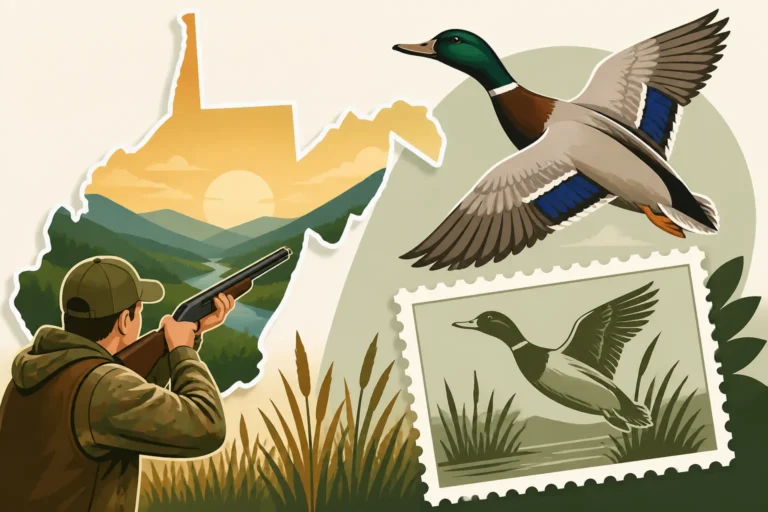
Finding reliable public land dove hunting spots in West Virginia can often feel like searching for a needle in a haystack, especially when you're dreaming of those fast-paced, high-volume shoots. Many hunters find themselves driving around endlessly, hoping to stumble upon a good field. This guide is here to untangle the often-confusing West Virginia public dove field draw rules, giving you a clear roadmap to participating and hopefully, enjoying some fantastic early-season action.
Understanding West Virginia's Public Dove Field Draw System
West Virginia, like many states, employs a lottery or draw system for certain high-demand public hunting opportunities, and managed dove fields are a prime example. The intent behind this system is fair distribution of access to prime fields that have been specifically planted and managed for doves, ensuring quality hunting experiences and preventing overcrowding. It's not about making things complicated; it's about managing a popular resource effectively.
Why a Draw System for Dove Fields?
Imagine a perfect sunflower field, bursting with doves on opening day. Without a draw system, that field would be a chaotic scene, packed with hunters all vying for the same birds, potentially leading to unsafe conditions and a poor experience for everyone. The West Virginia Division of Natural Resources (WVDNR) invests considerable effort and resources into planting and maintaining these public dove fields, often on Wildlife Management Areas (WMAs) or other public lands. These carefully managed fields are designed to attract doves and provide optimal hunting conditions. By using a draw, the WVDNR can limit hunter numbers, spread out hunting pressure, and ensure that those who are drawn get to enjoy a safer, more productive hunt. It’s a way to maintain quality while offering access to what can be some of the best dove hunting in the state. This contrasts sharply with general access hunting areas where you might just show up and hope for the best, as outlined in our piece on West Virginia WMA Permit Requirement.
Benefits of Hunting a Drawn Field
Being drawn for a public dove field in West Virginia comes with several distinct advantages. First and foremost, you're guaranteed a spot in a field that has been actively managed for doves. This means the WVDNR has likely planted crops like sunflowers, millet, or wheat specifically to attract and hold birds, increasing your chances of a successful hunt. These fields are typically well-maintained, often with mowed strips or open areas perfect for setting up a stool and decoys. Secondly, the limited hunter numbers create a safer environment. You won't have to worry about sky-busting or crowded conditions that often plague unmanaged public access points. Lastly, the experience is often more enjoyable. Knowing you have a dedicated spot, often with fewer fellow hunters, allows for a more relaxed and focused hunt. It's about quality over quantity, giving you a chance to truly appreciate the fast-paced action doves provide without the usual public land scramble.
Navigating the Application Process for Dove Fields
Applying for the West Virginia public dove field draw is a straightforward process, but it requires attention to detail and adherence to deadlines. Missing a step or a date can mean missing out on a prime hunting opportunity. The WVDNR uses its Go Wild West Virginia platform for these applications, which helps centralize everything.
Key Dates and Application Windows
The application window for West Virginia public dove fields typically opens in early summer, often in July, with a deadline usually in mid-August. It's absolutely critical to mark these dates on your calendar. I've heard countless stories of hunters who just barely missed the deadline, and believe me, that's a frustrating feeling when you've been looking forward to opening day all year. The first day of dove season usually falls on September 1st, so the draw process wraps up well in advance to give hunters time to prepare. Keep an eye on the official WVDNR website for the exact dates each year, as they can shift slightly. You don't want to rely on old information when it comes to these critical deadlines. Remember, this is a separate process from obtaining your regular West Virginia Hunting Licenses and What They Cost, though you'll need those in order to hunt.
Step-by-Step Application Guide
Applying is generally done through the WVDNR's online licensing and permit system, known as Go Wild West Virginia. Here's a general breakdown of the steps:
- Access Go Wild: Head to the official Go Wild West Virginia website. If you don't already have an account, you'll need to create one. This is your central hub for all things licensing and permitting in the state.
- Navigate to Special Hunt Applications: Once logged in, look for a section related to "Special Hunting Permits," "Quota Hunts," or "Controlled Hunts." The exact wording might vary, but it's usually clear.
- Find the Dove Field Draw: Within that section, you should find the specific application for "Public Dove Field Lottery" or similar.
- Review Available Fields: The system will typically list the public dove fields available for the draw. These are often located on specific WMAs across the state. You might be able to select multiple fields or a preferred field, depending on the year's specific rules. Some popular ones might be at McClintic WMA near Point Pleasant or other areas managed with good dove habitat. While the draw is managed through the WVDNR's Go Wild system, tools like GoHunt can still be invaluable for scouting adjacent public lands or finding alternative non-draw fields.
- Submit Your Application: Carefully fill out all required information. This usually includes your hunter ID, contact details, and any preferences for hunt dates or locations if multiple options are presented. Double-check everything before submitting. There might be a small, non-refundable application fee associated with the draw, so be prepared for that.
- Confirmation: After submitting, you should receive a confirmation email or a confirmation number. Keep this handy, as it's proof of your entry into the draw.
It's a pretty user-friendly system, but rushing through it can lead to mistakes. Take your time, read all the instructions, and make sure your contact information is current so you don't miss any notifications.
What to Expect on Draw Day and Beyond
The waiting period after applying can feel like forever, especially as opening day approaches. Knowing what happens next and how to prepare, whether you're drawn or not, can make a big difference. It's a mix of anticipation and planning for contingencies.
Checking Draw Results and Notifications
Typically, draw results are announced a few weeks before opening day, giving successful applicants enough time to plan their hunt. The WVDNR usually notifies applicants by email, so make sure your email address on your Go Wild profile is current and check your spam folder! You can also usually log back into your Go Wild account and check the status of your application directly. Don't sit by the mailbox waiting for a letter; digital notifications are the norm now. If you're successful, the notification will include details about your assigned field, hunting dates, and any specific rules or check-in procedures for that location. It's not uncommon for these drawn hunts to have specific start and end times or even designated shooting lanes.
What to Do If You're Drawn
Congratulations! Being drawn for a West Virginia public dove field is exciting. Your next steps will involve careful planning. First, thoroughly read all the information provided in your notification. There might be specific access points, parking instructions, or even mandatory check-in times. Some fields might require you to check in with a WVDNR representative on site before hunting. Confirming your assigned date and time is crucial, as often these draws are for a specific day or a limited number of days during the early season. You'll want to gather your gear: shotgun, plenty of shells (doves are notoriously tricky targets!), a comfortable stool, water, and perhaps some dove decoys. Our guide on Setting Decoys on a Farm Pond offers some great tips that can apply to these managed fields. Also, ensure you have your proper licenses and stamps. Even though it's a draw hunt, you still need to be fully legal to hunt small game, as covered in West Virginia Small Game Season Rules.
Planning Alternatives If You Aren't Drawn
It's a lottery, and not everyone can win. If you don't get drawn for a managed field, don't despair! West Virginia still offers plenty of fantastic dove hunting opportunities. This is where your scouting skills and backup plans come into play. Many public lands, especially Wildlife Management Areas, have unmanaged fields or areas with natural food sources that attract doves. Look for harvested grain fields, power lines, or even large agricultural areas near public access points, particularly in areas like Hunting the Ohio River Valley or even Hunting Potomac Highlands Public Land where farming is prevalent. Use mapping tools like those found in the Go Wild West Virginia map tool to identify potential locations. Remember, even if you don't get drawn for a specific field, resources like GoHunt can help you scout other public land options. You might also consider exploring opportunities on private land by Asking a West Virginia Farmer for Permission – a friendly knock on the door can sometimes open up excellent spots. Be sure to check the general West Virginia Public Land Hunting Hours and other small game regulations.
Tips for a Successful Dove Hunt After the Draw
Once you've secured your spot in a public dove field draw, the real fun begins: preparing for the hunt itself. A successful dove hunt isn't just about showing up; it's about preparation, field etiquette, and knowing a few tricks of the trade.
Essential Gear and Ammunition
Dove hunting is generally a light affair, but having the right gear makes a huge difference. You'll need a shotgun, typically a 12 or 20 gauge, capable of quick swings. Given the rapid, erratic flight of doves, an improved cylinder or modified choke is usually ideal. When it comes to ammunition, bring plenty! Doves are small targets moving at high speeds, and it's not uncommon to shoot several boxes of shells for a limit. Light loads like 7.5 or 8 shot are perfect. Beyond the gun and ammo, a comfortable folding stool or bucket is a must for those longer sits, as is a good camouflage pattern or natural-colored clothing to help you blend into the field edges. Don't forget eye and ear protection – essential for safety and comfort during a busy shoot. A cooler with plenty of ice is also critical for preserving your birds, especially on warm early-season days.
| Item | Description | Why It's Essential |
|---|---|---|
| Shotgun (12/20 gauge) | Reliable, quick-swinging firearm. | Primary tool for harvesting doves. |
| Ammunition (7.5/8 shot) | Light target loads, plenty of them. | Doves are small, fast targets; high shot count is key. |
| Comfortable Stool | Portable seat for field edges. | Long sits are common; comfort improves focus. |
| Eye Protection | Shooting glasses. | Protects against errant shot and debris. |
| Ear Protection | Earplugs or muffs. | Protects hearing from repeated shotgun blasts. |
| Camouflage/Earth Tones | Clothing to blend with surroundings. | Doves have excellent eyesight. |
| Water/Snacks | Hydration and sustenance for the day. | Long, often warm hunts can be dehydrating. |
| Cooler with Ice | For storing harvested doves. | Preserves meat quality in warm weather. |
| Dove Decoys (Optional) | Plastic dove replicas. | Can attract passing birds, especially in slower periods. |
| Blaze Orange/Pink | Hat or vest (depending on state/WMA rules). | Enhances safety, especially when moving between spots. |
Field Etiquette and Safety
Hunting a public dove field, especially one managed through a draw, comes with specific responsibilities regarding etiquette and safety. Always know your zone of fire and be absolutely certain of your target and what's beyond it. Sky-busting, shooting at birds too high to be cleanly killed or retrieved, is a common frustration and poor etiquette. Wait for birds to be within ethical range. Respect the space of other hunters; maintain adequate distance and avoid walking through someone else's shooting lane. Retrieve your downed birds quickly and efficiently to prevent waste. And always, always follow the rules specified by the WVDNR for that particular field. This might include shooting hours, bag limits (which are part of the broader West Virginia Small Game Season Rules), or even designated entry and exit points. By being respectful and safe, you contribute to a positive experience for everyone and help ensure these valuable public hunting opportunities continue.
Tactics for Maximizing Your Success
Doves are quick, agile, and can be frustratingly smart. To maximize your success in a drawn public field, consider these tactics. First, observe the flight patterns. Doves often have preferred flight paths into and out of a field, especially if there's water, roosting cover, or other food sources nearby. Position yourself along these flight lines, or where doves seem to be crossing into the field. Sometimes, even if you’re not in a prime spot, a slight adjustment can put you right in the action. A good pair of binoculars, like those suggested in our guide to Binocular Choice for West Virginia Whitetails, can be useful for scouting these flight paths from a distance before the shoot begins. Second, stay concealed. Doves have excellent eyesight, so wearing camouflage and sitting still, perhaps tucked into a fence row or some standing cover, will greatly increase your chances. Third, use decoys. Even a few inexpensive dove decoys can make a huge difference, especially motion decoys like spinning wing models. They draw passing birds closer, making for easier, more ethical shots. Lastly, be patient. Doves often fly in waves, with periods of intense activity followed by lulls. Don't get discouraged during the slower times; just keep an eye on the sky and be ready when the next flight comes in.
Disclaimer
Hunting and outdoor activities inherently carry risks. Always prioritize safety, understand and follow all West Virginia hunting regulations, and consider consulting with local wildlife officials for the most current information. This guide is for informational purposes only and does not substitute professional advice or official regulations.