Cranberry Wildlife Management Area
Hunting in West Virginia can often feel like a puzzle, especially when you're looking for that truly wild, unpressured experience that takes you deep into the mountains. Many hunters arrive with high hopes of solitude and big game, only to find themselves sharing crowded forest roads or small tracts of public land. This comprehensive guide is designed to cut through that frustration, giving you the insider knowledge you need to successfully navigate and hunt the vast, rugged, and rewarding Cranberry Wildlife Management Area.
What Makes Cranberry WMA So Unique?
Stepping into Cranberry Wildlife Management Area (WMA) is like stepping back in time, or at least into a part of West Virginia where the wilderness still reigns supreme. It's not just another patch of public land; it's a massive, sprawling, and often unforgiving landscape that offers an unparalleled backcountry hunting experience for those willing to earn it. The sheer scale and remoteness of Cranberry set it apart from many other hunting grounds in the state.
Size and Scope: A Mountain Gem
Cranberry WMA is an absolute beast, encompassing tens of thousands of acres of rugged, mountainous terrain primarily within the Monongahela National Forest. Imagine a wilderness so expansive that you can literally walk for days without seeing another soul, feeling the true isolation and challenge of the Appalachian Mountains. This isn't your average drive-up-and-hunt spot; this is a place where preparation meets opportunity, and the size alone is a major part of its allure. When you look at the map, you'll see a vast green expanse, a testament to the wild heart of West Virginia, where the land itself dictates the terms of the hunt. This extensive area means that game, particularly deer and bear, have ample room to roam and mature, often developing behaviors that make them far more challenging and rewarding to pursue than their counterparts in more fragmented habitats.
Being nestled within the larger Monongahela National Forest, Cranberry benefits from an overarching conservation strategy that prioritizes forest health and wildlife. This creates a cohesive block of wild country, allowing animals to move freely across massive tracts, driven by natural food cycles and seasonal changes rather than being confined by human development. It's a place where the landscape demands respect, and in return, it offers an authentic hunting adventure.
Ecosystems and Habitat Diversity
One of the most captivating aspects of Cranberry WMA is its incredible diversity of ecosystems, all packed into one grand mountain setting. As you traverse the WMA, you'll experience dramatic shifts in elevation, which in turn lead to distinct changes in vegetation and wildlife habitat. At lower elevations, you'll often find mature hardwood forests dominated by oak, hickory, and maple, providing crucial mast crops like acorns and beech nuts that are vital for deer and bear, especially in the fall. These areas are often where you'll find the most immediate sign of game feeding.
As you climb higher, the landscape transitions into cooler, moister environments, eventually giving way to dense stands of spruce and hemlock, particularly around the higher ridges and north-facing slopes. These dark timber areas offer critical thermal cover for animals during harsh winter months and provide dense bedding areas where game can escape pressure. Interspersed within these forests, you might stumble upon unique bogs and wetlands, remnants of glacial activity or natural depressions, which offer different types of forage and water sources, attracting various small game and even some migratory birds. This patchwork of habitats means that game animals, from the elusive black bear to the wary whitetail, have a variety of places to feed, bed, and travel, making it a dynamic environment that requires hunters to adapt their strategies based on the specific micro-habitat they are in.
Remote Access and Backcountry Feel
For many, the biggest draw of Cranberry WMA is its undeniable backcountry feel. While there are some well-maintained forest roads providing initial access, like the main artery of Forest Road 86, venturing off these main routes quickly plunges you into true wilderness. This limited road access isn't a drawback; it's a feature. It means that the deeper you're willing to hike, the less hunting pressure you're likely to encounter. This is where the magic happens – where you truly feel immersed in nature, far from the sounds of traffic and other people.
The demanding terrain, with its steep hollows, dense rhododendron thickets, and remote ridge lines, naturally filters out all but the most dedicated hunters. If you're physically prepared and willing to put in the miles, you'll discover vast stretches of unpressured woods where game animals behave more naturally. This remoteness often translates to higher chances of encountering older, wiser animals that haven't been constantly harassed. It's a place where a good map (and perhaps a reliable GPS or onX Hunt app on your phone) and solid orienteering skills are absolutely non-negotiable. Embracing this wildness is key to unlocking Cranberry's potential, especially when you're thinking about a dedicated trip for Hunting Bears in the Cranberry Backcountry. It truly is one of those places that gives back tenfold what you put in, offering a hunting experience that many only dream of in today's increasingly developed world.
Understanding Cranberry's Deer Hunting Potential
Hunting whitetail deer in Cranberry WMA is a different beast than hunting farmland edges or suburban woodlots. The deer here are wild, often leaner, and incredibly well-adapted to their challenging mountain environment. They aren't going to be standing in a clover plot waiting for you; they're masters of navigating steep terrain and using cover to their advantage. Success in Cranberry means understanding their unique behaviors and adapting your tactics accordingly.
Whitetail Behavior in High-Elevation Forests
Deer in Cranberry WMA live a tough life, and it shows in their behavior and physical characteristics. Due to the generally colder climate and often less abundant, scattered food sources compared to agricultural areas, the deer herd tends to be robust but with individual deer often being smaller in body size. However, don't let that fool you into thinking they're easy. What they lack in sheer mass, they make up for in resilience and cunning. These deer are constantly battling the elements, and their survival instincts are finely tuned. They rely heavily on the topography, using steep hollows for thermal protection, benches for travel corridors, and dense laurel or spruce thickets for bedding.
Their movement patterns are highly influenced by weather, food availability, and hunting pressure. During warmer parts of the season, they might be scattered, but as temperatures drop and food becomes scarcer, they'll concentrate around reliable mast crops or south-facing slopes that get more sun. Hunting pressure quickly pushes them into the densest, steepest, most inaccessible parts of the WMA. Understanding these habits means focusing on areas that provide both food and cover, often on those tricky transitions between different habitat types. Pay close attention to subtle terrain features – a small bench, a slight ridge that provides a natural funnel, or an area with a consistent wind pattern – these are often the keys to intercepting a wary mountain whitetail.
Strategies for Archery Season in Cranberry
Archery season in Cranberry offers a unique challenge and a deep sense of satisfaction. The early part of the season, often stretching through September and into October, can be relatively warm, but as it progresses, the crisp mountain air begins to settle in. During this time, scouting for food sources is paramount. White oak acorns are a deer magnet, as are beech nuts in good mast years. Finding a concentration of these food trees with fresh sign – droppings, rubs, and tracks – can be gold. However, these food sources can be widely dispersed, meaning you might have to cover a lot of ground.
Thermals are your best friend and worst enemy in this steep country. In the mornings, air currents typically rise up the hollows and ridges, while in the evenings, they fall. Setting up your stand or planning your stalk with these thermals in mind is critical to avoid having your scent blow right into the deer's nose. Consider locations like ridge-top saddles, benches that act as natural travel routes, or the edges of dense cover that deer will use to stage before feeding. When it comes to setting up your stand, consider the unique demands of this environment; Treestand Setups in Monongahela National Forest offers valuable insights for navigating similar terrain. Patience, quiet movement, and an understanding of the prevailing wind and thermal patterns will drastically increase your odds during archery season.
Gun and Muzzleloader Hunting Considerations
When buck gun season rolls around, Cranberry WMA becomes a different place. The increased hunting pressure, particularly on opening weekend, can push deer into the most remote and thickest cover almost immediately. If you're hunting during this period, be prepared for other hunters, but also recognize that the vastness of Cranberry means you can still find solitude if you're willing to work for it. Tactics that rely on covering a lot of ground, such as still-hunting, become more effective as you can search for deer pushed out of their normal patterns. Look for areas away from easy access points, especially those requiring a significant hike.
Traditional deer drives can also be highly effective in Cranberry's topography, especially with a small group of hunters who know the terrain well. By strategically positioning standers along natural escape routes or saddles and having drivers slowly push through thick cover, you can effectively move deer towards waiting guns. For muzzleloader season, which often falls in the colder month of December, food sources like leftover acorns or browse become even more critical. Deer will be focused on packing on calories, and often move during the warmest parts of the day. Muzzleloader Deer Hunting in West Virginia provides excellent advice on gear and tactics for hunting during this challenging but rewarding late-season period. Remember, regardless of the weapon, excellent tracking skills are vital in Cranberry. A deer hit in thick laurel or a steep hollow can be incredibly difficult to find, making a quick, clean kill shot paramount.
Chasing Bears in the Cranberry Wilderness
Cranberry WMA is quintessential black bear country, a true stronghold for these magnificent animals in West Virginia. The rugged, expansive nature of the area provides everything a bear needs to thrive: vast stretches of dense cover, diverse food sources, and plenty of places to den. If you're looking for a challenging and rewarding bear hunt, Cranberry should absolutely be on your radar.
Bear Population and Habitat Use
West Virginia's black bear population has seen a remarkable comeback, and Cranberry WMA has played a significant role in their success. The area's dense forests, rocky outcrops, and abundant natural mast crops make it ideal bear habitat. Bears are incredibly adaptable, and in Cranberry, they use every part of the landscape. Early in the season, they might be found gorging on soft mast like blackberries and blueberries in clear-cuts or along power lines. As fall progresses, their focus shifts dramatically to hard mast – acorns from oak trees, and critically, beech nuts, which are a highly preferred, calorie-dense food source. Finding areas with a good beech nut crop can be the key to locating bears.
They utilize thick rhododendron slicks and spruce thickets for bedding and security cover, especially when they feel pressured. Remote hollows and steep, north-facing slopes often hold bears even when other areas are quiet. Understanding their seasonal food preferences and how they move between feeding and bedding areas is crucial. They are masters of stealth, capable of melting into the forest unseen, so patience and keen observation are essential when hunting in their domain. Their reliance on natural mast means that bear movements can vary greatly year to year, depending on the success of the various nut crops.
Still-Hunting and Stand Hunting for Bears
Still-hunting for bears in Cranberry is an incredibly immersive and challenging experience. It requires slow, deliberate movement, constantly scanning the woods for any sign: fresh tracks, scat, overturned rocks (from looking for grubs), and claw marks on trees. Focus on areas with abundant mast, particularly oak or beech ridges, or along stream bottoms where they might be traveling between feeding areas. The sheer quiet of the forest in Cranberry can work both for and against you – every rustle of leaves will seem amplified, making it easy to spook game if you're not careful. This method often involves moving short distances, stopping to glass and listen, and then moving again, using the terrain to break up your silhouette.
Stand hunting can also be effective, especially if you've done your scouting and found a heavily used travel corridor or a productive mast tree. Setting up a comfortable, quiet treestand or ground blind near a consistent food source, especially one that overlooks a steep hollow or a narrow bench, can pay dividends. However, unlike deer, bears don't always follow predictable patterns, so a stand might require multiple sits before a bear walks by. Remember that bear vision is not their strong suit, but their sense of smell and hearing are incredible. Wind direction is absolutely critical for either method. For more in-depth knowledge, consider the advice on Hunting Bears Over Natural Mast in the Mountains.
Running Hounds in the Rugged Terrain
For many traditional West Virginia bear hunters, running hounds is the preferred method, and Cranberry WMA offers some of the most challenging and rewarding hound hunting in the state. The vastness and ruggedness of the terrain, with its steep climbs, dense thickets, and remote hollows, make it an ideal testing ground for a well-conditioned pack of dogs and equally conditioned hunters. The hunt often begins by searching for fresh bear sign, particularly along older logging roads or trails, before releasing the dogs. Once the dogs strike a scent, the chase is on, often leading hunters on grueling treks across some of the toughest country imaginable.
This method demands a high level of physical fitness, excellent navigation skills (as you'll often be following dogs with GPS collars deep into the woods), and a deep understanding of dog behavior. It's a team effort, requiring communication and coordination between handlers. The reward for all this effort is the thrilling sound of the baying hounds as they tree or bay a bear, often in a spectacular, hard-to-reach location. This isn't a hunt for the faint of heart, but for those who embrace the challenge, it offers an unforgettable experience. For those interested in this unique style of hunting, the guide on Running Hounds for West Virginia Bears provides further valuable context.
Turkey Hunting in Cranberry's Diverse Forests
West Virginia is renowned for its wild turkey hunting, and Cranberry WMA, with its diverse forest types and challenging terrain, offers some fantastic opportunities for both spring gobblers and fall flocks. However, like everything else in Cranberry, it's not a walk in the park. These birds are wild, wary, and highly attuned to their environment.
Spring Gobbler Tactics in Mountain Terrain
Spring turkey hunting in Cranberry is a truly exhilarating experience, but it demands patience and strategic thinking. Gobblers here are spread out, and their calls often echo across the vast hollows, making it tricky to pinpoint their exact location. Your early morning strategy should focus on locating birds on the roost. Get to your desired hunting area well before dawn, find a good listening spot on a ridge or high point, and listen intently for that first gobble. Once you hear it, the real work begins. You'll need to use the terrain to your advantage, making a calculated approach to get as close as possible without being detected, all while mindful of the steep grades and often dense undergrowth.
Calling a Cranberry gobbler can be challenging. They often have vast territories and might be reluctant to travel long distances across steep hollows, especially if hens are nearby. Sometimes, aggressive calling will pull them in, other times a soft, subtle approach is best. Learning to read the bird's mood is key. Decoy use can be effective, particularly a single hen or jake, placed strategically to draw the tom into range. Remember to set up with your back against a wide tree to break up your silhouette and ensure good visibility for shot placement. For more detailed advice on how to approach these intelligent birds, check out Roost Hunting West Virginia Gobblers. Physical fitness is also crucial, as you'll often be doing a lot of "run-and-gun" hunting, traversing steep hills to get ahead of or reposition on a traveling tom.
Fall Turkey Hunting: Flocking and Scattering
Fall turkey hunting in Cranberry offers a completely different, but equally engaging, challenge. Instead of chasing vocal gobblers, you're looking for flocks of birds – often large groups of hens and their poults, or bachelor groups of jakes and older gobblers. These flocks can be incredibly elusive, moving silently through the timber as they feed on acorns, beech nuts, and insects. Scouting for fresh sign – droppings, tracks, and scratching in the leaves – is vital to locate these elusive groups.
Once you find a flock, the classic "break 'em up and call 'em back" strategy often shines. The goal is to bust the flock, scattering the birds in all directions. Then, you find a good hiding spot, wait for things to settle down (often 20-30 minutes), and begin calling softly, mimicking lost yelps and clucks. The goal is to bring a lonely bird back to the sound of its "flock mates." This can be particularly effective on young birds, but older, wiser turkeys can also be fooled. This method requires patience and a good understanding of turkey vocalizations. In Cranberry's vast timber, breaking up a flock can be hard work, and the birds might scatter widely, so knowing the terrain and having a plan for their return routes is critical. For broader strategies on hunting during this time, consider reviewing Hunting West Virginia's Fall Turkey Splits.
Small Game and Upland Birds in Cranberry
While deer and bear often steal the spotlight, Cranberry WMA offers fantastic opportunities for small game and upland bird hunting, providing a diverse experience for any hunter. These hunts can be a great way to explore the WMA, hone your woodsmanship, and fill the freezer with delicious wild game.
Squirrels and Snowshoe Hares
Squirrel hunting in Cranberry is a timeless pursuit, often providing an exciting and active hunt. The mature hardwood forests, particularly those dominated by oak and hickory, are prime squirrel habitat. In a good mast year, you can find abundant gray squirrels and the larger fox squirrels feasting on acorns and nuts. Still-hunting slowly through these woods, pausing often to listen and scan the treetops, is a classic and effective method. You'll be looking for movement in the canopy, the tell-tale flick of a tail, or the sound of cutting nuts. It's a great way to sharpen your observational skills and learn the rhythm of the forest. Squirrel Hunting West Virginia Bottomland Hardwoods provides additional context, though in Cranberry, you're often hunting slopes and ridges rather than flat bottoms.
A more unique challenge in Cranberry is hunting snowshoe hares. These creatures are adapted to cold, snowy environments and are typically found in the higher elevations, often within the dense spruce and hemlock thickets that blanket parts of the WMA. Hunting snowshoe hares often involves pushing through incredibly thick cover, sometimes with beagles that can track them through the snow. Their camouflage changes with the season, from brown in summer to white in winter, making them incredibly difficult to spot. It's a tough, physical hunt, but incredibly rewarding for those who enjoy a true backcountry small game experience.
Ruffed Grouse and Woodcock Opportunities
For the upland bird enthusiast, Cranberry WMA offers chances at both ruffed grouse and American woodcock. Ruffed grouse, West Virginia's state bird, thrive in areas with diverse forest stages, particularly young, brushy clear-cuts, aspen stands, and dense regeneration found along older logging roads or recent timber harvests. These areas provide the thick cover grouse need for protection from predators and abundant food sources. Hunting grouse often involves walking through these dense areas, often with a good bird dog, hoping to flush a bird. It's a challenging hunt, as grouse are famously explosive fliers, dodging trees and disappearing in an instant. Being ready for a quick shot is essential. For more localized tactics, Grouse Hunting Allegheny Highlands Cover offers specific strategies.
Woodcock, a migratory species, are found in different habitats within Cranberry. They prefer moist, young forest habitats, particularly alder runs, willow thickets, and dense areas along stream bottoms. These damp, brushy spots are where they probe the soft ground for earthworms, their primary food source. Hunting woodcock often involves covering ground in these specific habitats, typically with a pointing dog. They hold tight, offering a more predictable flush than grouse, but their erratic flight once airborne can still be a challenge. Their migration peaks in the fall, making them a prime target during that season. Both grouse and woodcock offer a fantastic opportunity to experience the diverse ecological richness of Cranberry WMA.
Navigating and Preparing for a Cranberry WMA Hunt
Hunting in Cranberry WMA is a true backcountry endeavor, and as such, it demands a higher level of preparation and navigational skill than many other hunting areas. Don't underestimate the mountains; they can be unforgiving if you're not adequately prepared.
Essential Gear for the Backcountry
Your gear list for Cranberry should prioritize durability, reliability, and functionality. First and foremost, sturdy, comfortable, and waterproof boots are non-negotiable. You'll be covering miles over uneven, wet, and often steep terrain, so invest in quality footwear that will support your ankles and keep your feet dry. Next, a reliable navigation system is paramount. While cell service is spotty at best in many parts of the WMA, a dedicated GPS unit is highly recommended. Pairing this with a smartphone app like onX Hunt can give you excellent topo maps and satellite imagery to mark waypoints, track your movement, and avoid private land boundaries, even when offline. Always carry a traditional compass and a physical map as a backup.
Rain gear is another absolute must. Mountain weather can change in an instant, and being caught in a cold, steady rain miles from your vehicle can turn a great hunt into a miserable, or even dangerous, situation. Layering clothing is also crucial; choose moisture-wicking base layers, insulating mid-layers, and a waterproof/windproof outer shell. Don't forget a first-aid kit stocked for wilderness scenarios, a water filter or purification tablets (with ample water bottles), a headlamp with extra batteries, fire-starting materials, and enough high-energy food to last longer than you anticipate. Lastly, a strong, comfortable pack capable of carrying your gear and potentially game meat is essential.
Access Points and Trail Systems
Accessing Cranberry WMA typically involves using Forest Road 86 (Cranberry River Road), which runs through a significant portion of the WMA. This road, while generally well-maintained, can sometimes be rough or seasonally closed. Beyond this main artery, numerous smaller forest roads and trails spiderweb into the interior. However, many of these "trails" are old logging roads or faint game trails that require careful navigation. Understanding the major trail systems, like portions of the Highlands Trail that traverse the WMA, can provide excellent starting points for deep pushes into the backcountry.
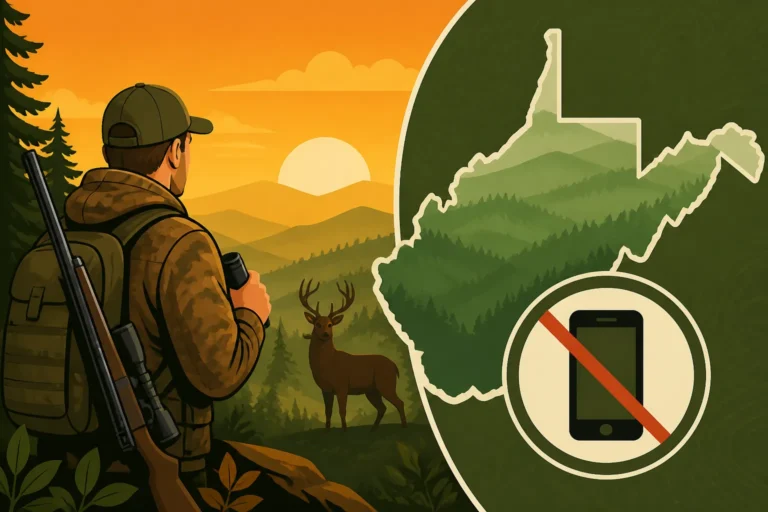
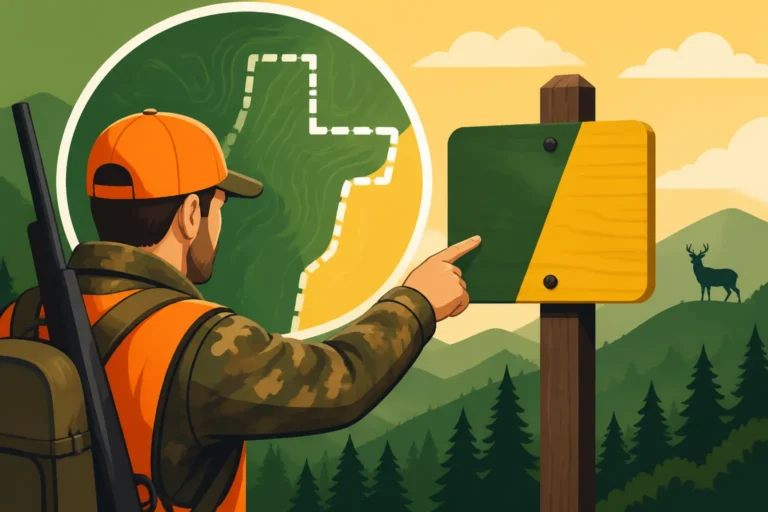
Before you even leave home, spend considerable time studying topographical maps of the area you intend to hunt. Identify potential access points, key terrain features (saddles, ridges, hollows, water sources), and escape routes. Tools like onX Hunt or GoHunt are incredibly valuable for this pre-hunt planning, allowing you to mark waypoints for potential stand sites, bedding areas, and water sources. These apps also excel at showing property boundaries, which is crucial in such a vast area. Remember, cellular service is often non-existent in the deep woods of Cranberry, so make sure all your maps and apps are downloaded for offline use. This preparation is essential because Using Go Wild West Virginia Without Cell Service requires foresight and redundancy. Don't rely solely on technology; the old-school map and compass are your unwavering companions.
Safety and Contingency Planning
Safety in Cranberry WMA goes beyond just wearing blaze orange (though that's certainly important during gun seasons). Because of the area's remote nature, you must take personal responsibility for your well-being. Always, always let someone know exactly where you are going, your planned route, and when you expect to return. Provide them with a detailed itinerary and stick to it as closely as possible. If you deviate significantly, try to update your contact if you find a signal.
Be prepared for the unexpected. Weather can change rapidly in the mountains, bringing sudden cold fronts, heavy rain, or even early snow. Carry emergency shelters like a lightweight tarp or space blanket. Basic wilderness first aid knowledge is critical, as help can be hours away. Know how to treat minor injuries, hypothermia, and snake bites (though snake encounters are less common at higher elevations). Hunting with a buddy is always a good idea, especially in such rugged terrain. If hunting alone, consider carrying a satellite communication device like an inReach or Spot device for emergency contact. Lastly, be aware of the wildlife; while black bears are generally shy, understand how to react if you encounter one, especially a sow with cubs. A little foresight and planning go a long way in ensuring a safe and successful trip to Cranberry.
Rules, Regulations, and Respecting the Area
Hunting in a large, pristine area like Cranberry WMA comes with a responsibility to understand and adhere to all applicable rules and regulations. These aren't just arbitrary guidelines; they are in place to ensure public safety, preserve the wildlife resource, and maintain the wild character of the area for all to enjoy.
Specific WMA Regulations and Forest Service Rules
Because Cranberry WMA is primarily located within the Monongahela National Forest, hunters are subject to both West Virginia Division of Natural Resources (WVDNR) WMA regulations and U.S. Forest Service rules. It's crucial to check the latest WVDNR hunting regulations pamphlet before each season, as rules can occasionally change. Common regulations often include restrictions on vehicle access to certain roads, special rules for camping (which is generally permitted on National Forest land unless otherwise posted, but always practice Leave No Trace principles), and specific guidelines regarding the use of ATVs (often restricted to designated trails).
Treestand rules are particularly important on public land; typically, stands must be removed at the end of the season, and you often cannot permanently affix them to trees in a way that damages the tree. For specific guidance on stand usage, refer to Treestand Rules on West Virginia Public Land. Ground blinds are usually permitted but should be removed or completely broken down at the end of your hunt. Always ensure you are not littering, and pack out everything you pack in, including spent shell casings and food wrappers. Respect for the land is paramount in a place as wild as Cranberry.
Harvest Reporting and CWD Awareness
Proper harvest reporting is a non-negotiable requirement for deer, bear, and turkey in West Virginia. After successfully harvesting an animal in Cranberry WMA, you are legally required to report it to the WVDNR through their electronic reporting system, either online or via the Go Wild WV app. This needs to be done within a specific timeframe after the kill. This data is critical for wildlife managers to monitor populations, set future seasons, and ensure the health of the state's game species.
While Cranberry WMA itself is not currently within a Chronic Wasting Disease (CWD) containment area, it's vital for all hunters to be aware of CWD and its implications. CWD has been detected in West Virginia, primarily in the Eastern Panhandle, and hunters should understand basic precautions. This includes minimizing the movement of high-risk parts (brain, spinal cord) if they harvest an animal, even outside a CWD zone. Although not currently applicable directly to Cranberry, keeping informed about West Virginia's Chronic Wasting Disease Counties is a responsible practice for any hunter in the state. If you suspect an animal might be sick, report it to the WVDNR immediately and do not consume the meat.
Understanding Hunting Pressure and Ethics
While Cranberry WMA offers incredible solitude deeper in its reaches, popular access points and certain weekends (like the opening of buck gun season) will see higher concentrations of hunters. Understanding Hunting Pressure on West Virginia Public Land is key to managing expectations and adapting your hunting strategy. If you prefer solitude, plan your hunts for weekdays or be prepared to hike significant distances away from roads. Always be respectful of other hunters you encounter. This means giving them ample space, avoiding cutting off their planned routes, and being mindful of your noise levels.
Ethical hunting practices extend to how you interact with the environment. Practice good sportsmanship by making quick, clean kills and diligently tracking wounded game, even in difficult terrain. Only take legal animals, and always be certain of your target and what's beyond it before taking a shot. Leaving the area as you found it, or even better, picking up any stray trash you find, contributes to the overall quality of the hunting experience for everyone. Cranberry WMA is a special place, and its continued wildness depends on the responsible and ethical actions of all who venture there.
Cranberry WMA Game Species Overview
To help you visualize the opportunities, here's a quick look at some of the game you might encounter in Cranberry WMA.
| Species | Best Season to Hunt | Typical Habitat | Hunting Challenge | Notes |
|---|---|---|---|---|
| Whitetail Deer | Archery, Gun, Muzzleloader | Hardwood ridges, hollows, thickets | High | Wary, smaller body size, uses steep terrain for escape |
| Black Bear | Archery, Gun, Hounds | Remote hollows, mast ridges, spruce thickets | High | Relies on mast, dense cover; strong sense of smell |
| Wild Turkey | Spring (Gobblers), Fall (Flocks) | Hardwood ridges, benches, stream bottoms | Medium-High | Vocal in spring, elusive in fall; terrain affects calling |
| Ruffed Grouse | Fall | Young aspen cuts, spruce/hemlock thickets | High | Explosive flush, loves dense cover |
| American Woodcock | Fall | Alder runs, moist thickets, stream edges | Medium | Holds tight, erratic flight |
| Gray & Fox Squirrel | Fall, Winter | Mature hardwood forests (oak, hickory) | Low-Medium | Abundant in good mast years, active |
| Snowshoe Hare | Fall, Winter | High-elevation spruce/hemlock thickets | High | Well-camouflaged, requires thick-cover hunting |
This table provides a general overview; remember that animal behavior and locations can vary based on food availability, weather, and hunting pressure throughout the season.
Disclaimer
This article is for general informational purposes only and does not constitute professional advice. Laws, prices and regulations vary by location and change over time. Consult a qualified professional for guidance on your specific situation.