Crow Hunting Seasons and Tactics in West Virginia
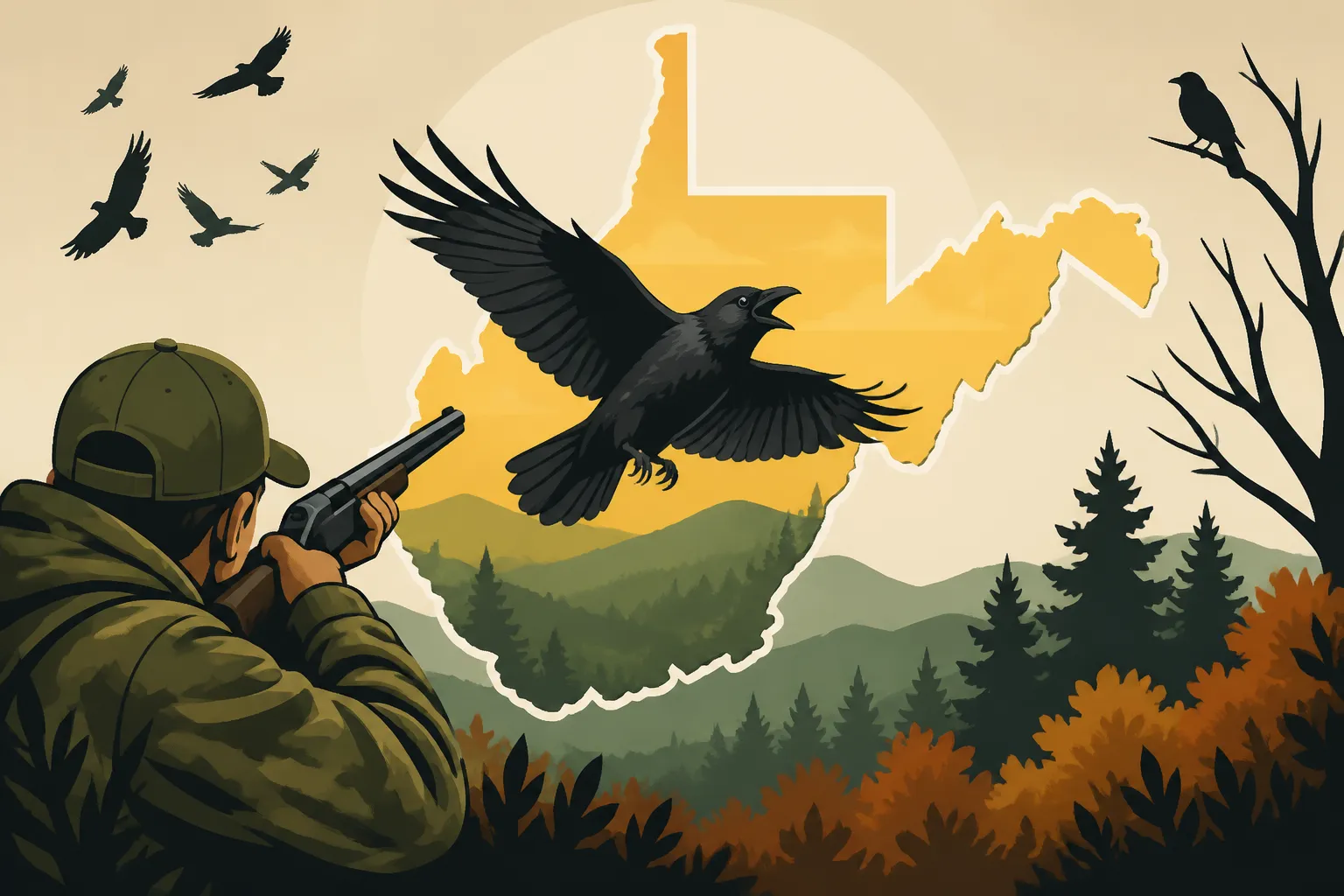
If you've ever spent a quiet morning in the West Virginia woods only to have it shattered by the incessant cawing of crows, you know they can be quite the presence. While often overlooked as a game species, crow hunting offers an incredible challenge and a unique opportunity to hone your calling and decoying skills, even outside traditional deer or turkey seasons. This guide is dedicated to helping you understand the specifics of crow hunting in the Mountain State, from navigating the seasons to mastering the tactics that bring these wary birds into range.
Understanding West Virginia's Crow Hunting Seasons and Regulations
Crow hunting in West Virginia isn't like deer hunting, with its highly structured seasons and county-specific rules. For many, that's part of the appeal! It offers a long, liberal season that allows you to be out in the woods during times when other game might be off-limits, or to simply keep your skills sharp.
When You Can Hunt Crows Legally
Unlike big game, West Virginia's crow season is usually quite generous, often spanning several months with a mid-season break. Generally, you'll find the season kicking off in early September, running through late October, and then reopening in the new year from January through early March. For instance, recent regulations have seen the season run from September 1st to October 31st, then pick back up from January 1st to March 7th. Always double-check the most current West Virginia Small Game Season Rules, as these dates can shift slightly from year to year.
This split season structure is actually pretty handy. It means you can chase crows during those crisp fall days when the leaves are turning, then again in the stark quiet of winter. Sundays are typically closed for crow hunting, just like with many other game species in West Virginia. The daily bag limit for crows is often nonexistent, meaning you can harvest as many as you ethically can, which is a rare treat in the hunting world. Legal hunting hours typically run from half an hour before sunrise to sunset, giving you ample time to set up your ambush and engage with these sharp-eyed birds.
Legal Methods and Restrictions
When it comes to how you can hunt crows in West Virginia, you've got a good bit of flexibility. Shotguns, rifles, and even archery equipment are generally permitted. For shotguns, common gauges like 12-gauge or 20-gauge with smaller shot sizes (like 7 1/2 or 8) are ideal for flying birds. If you're going for crows on the ground at longer ranges, a small-caliber rifle like a .22LR or even a .17 HMR can be effective. Just remember that any firearm you use needs to be handled safely and legally, especially regarding the West Virginia Firearms Discharge Setback Rules which dictate how close you can shoot to occupied dwellings.
One of the great advantages of crow hunting is that electronic calls are perfectly legal in West Virginia. This opens up a whole world of possibilities for attracting large numbers of birds. However, there are some important considerations:
- Public vs. Private Land: Always know whose land you're on. While many tactics are fine on private land with permission, some public lands might have specific rules regarding certain devices or practices.
- Vehicle Use: While it might seem tempting to shoot from a vehicle, this is generally illegal for hunting purposes in West Virginia. You must be outside the vehicle.
- Blaze Orange: During any open firearms deer season, even if you're only targeting crows, you are required to wear blaze orange. This is a critical safety measure, and it's always best to err on the side of caution and wear it when there's any chance of other hunters being in the woods.
Licensing and Required Permits
To hunt crows in West Virginia, you'll need to have a valid hunting license. For residents, this typically means a basic Class A resident hunting license or a Class X combination license, which covers a wider range of activities. Non-residents will need to purchase the appropriate non-resident hunting license. There are no additional stamps specifically for crow hunting, which simplifies things.
Acquiring your license is straightforward these days. You can purchase your West Virginia hunting licenses and what they cost online through the West Virginia Division of Natural Resources (WVDNR) Go Wild portal, at authorized license agents, or by phone. It's crucial to carry proof of your license while afield, whether it's a physical copy or stored digitally on your phone via the Go Wild West Virginia app. Understanding the nuances of West Virginia Resident License Options or non-resident options is the first step to ensuring you're legal and ready for the field.
Essential Gear for Successful Crow Hunting in West Virginia
Just like any other type of hunting, having the right gear can make or break your crow hunt. These birds are sharp-eyed and intelligent, so a well-thought-out setup is key to bringing them into range.
Firearms and Ammunition Choices
The choice of firearm largely depends on your preferred hunting style and the terrain.
- Shotguns: For fast-flying, incoming crows, a shotgun is usually the weapon of choice. A 12-gauge or 20-gauge, with a modified or improved cylinder choke, loaded with 7 1/2 or 8 shot, offers a good balance of pattern density and range. This setup is perfect for ambush situations where birds are drawn in close over decoys. The rapid-fire capability of a semi-automatic or pump-action shotgun can also be an advantage when multiple birds commit to your spread.
- Rifles: If you're targeting crows from a distance, perhaps picking them off a fence row in a field or a high tree branch, a small-caliber rifle is often better. A .22LR is quiet and effective for shots out to 75-100 yards, while a .17 HMR offers a flatter trajectory and more range for precise shots. Some hunters even use centerfire rifles, like a .223, especially in wide-open areas or for pest control scenarios where longer distances are expected. When using a rifle, shot placement is paramount, and you'll want to aim for the vitals to ensure a clean, ethical kill. Remember to zero your rifle properly for the distances you expect to shoot; even for crows, ethical hunting demands accuracy.
Calls, Decoys, and Blinds
This is where the art of crow hunting really shines. Crows are highly social and incredibly responsive to good calling and realistic setups.
- Crow Calls: You'll want a variety of calls in your arsenal.
- Mouth Calls: These include diaphragm, hand-held, or friction calls. They allow for great versatility in sound, from distress caws to assembly calls. Learning to use them effectively takes practice, but the payoff is worth it.
- Electronic Calls: These are legal for crows in West Virginia and are a game-changer. They can replicate a wide range of crow vocalizations, often at higher volumes and for longer durations than mouth calls. Many come pre-loaded with various sounds, including distress calls, fighting calls, and even sounds of other predators like owls or coyotes, which can sometimes provoke a strong response from territorial crows. Brands like Foxpro or Primos offer excellent electronic call options for serious crow hunters.
- Decoys: Crows are visual creatures, and a realistic decoy spread can pull them in the last critical yards.
- Full-body Decoys: These look like actual crows and are most effective. You can place them on the ground or in trees.
- Silhouette Decoys: Easier to carry and set up in larger numbers, they give the impression of a large flock.
- Motion Decoys: A rotating wing decoy or a flapping-wing decoy adds realism and can be incredibly effective in grabbing a crow's attention from a distance, making them commit to your setup.
- Owl/Hawk Decoys: Sometimes, placing an owl or hawk decoy in your setup, surrounded by angry-looking crow decoys, can trigger a "mobbing" response where crows come in aggressively to harass the perceived predator.
- Blinds: Crows have incredible eyesight. You need to be completely concealed.
- Pop-up Blinds: These are portable and offer excellent concealment. Many come in camouflage patterns that blend well with West Virginia's woods.
- Natural Blinds: Using brush piles, thickets, or standing corn for cover can be just as effective, and sometimes more natural-looking. The key is to break up your silhouette and remain motionless.
Optics and Other Key Accessories
While you might not think of optics as essential for crow hunting, they can certainly enhance your experience. A good pair of binoculars (8×42 or 10×42) can help you spot distant birds, identify roosts, or pinpoint feeding areas during scouting trips. A rangefinder might be useful if you're using a rifle for longer shots.
Don't forget the practical essentials: comfortable camouflage clothing appropriate for the season, a good pair of gloves to hide your hands, a face mask, and eye and ear protection are all critical. A small backpack to carry your calls, decoys, ammunition, and water is also invaluable, especially if you plan on covering some ground.
Here's a quick look at common crow call types and their usage:
| Call Type | Description | When to Use It |
|---|---|---|
| Distress Call | Mimics a crow being attacked or injured; urgent, frantic Caws. | When crows are wary, for an aggressive response from territorial birds. |
| Assembly Call | Long, drawn-out Caws, often repetitive; calls crows to a gathering. | To attract crows from a distance, or when they are scattered across a large area. |
| Fighting Call | A mix of aggressive caws and growls, often with flapping sounds. | When crows are close but hesitant, or to stir up a flock's competitive nature. |
| Young Crow Call | Softer, less assertive caws; often used by juvenile crows. | To sound less threatening, or when hunting educated, older birds that are wary of aggressive calls. |
Effective Tactics for West Virginia Crow Hunting
Crows are intelligent, social, and have phenomenal eyesight. Fooling them consistently takes a blend of good scouting, strategic setup, and skilled calling.
Scouting and Location Selection
Just like with deer or turkey, effective crow hunting starts with good scouting. You need to find where the crows are spending their time.
- Roosts: Crows gather in large numbers to roost, especially in winter. These roosts are often in dense stands of pines, cedars, or other evergreens, offering protection from the elements and predators. Finding a crow roost can be like hitting the jackpot, as thousands of birds might use a single area. Observe flight patterns at dawn and dusk to locate these communal spots.
- Feeding Areas: Crows are opportunistic feeders. They'll frequent agricultural fields, especially those with corn, soybeans, or other grains. They also scavenge roadkill and will hit landfills. Look for concentrations of crows in these areas. For example, if you're familiar with areas for "Hunting Eastern Panhandle Farmland Deer", these same farmlands are often prime crow territory.
- Travel Corridors: Crows will fly specific routes between their roosts and feeding grounds. Identifying these corridors, often along treelines, river bottoms, or ridge lines, can put you in a prime ambush position.
- Using Technology: This is where modern tools really shine. Apps with aerial photos and topographical maps are invaluable. You can use a mapping application, like those often available through services such as GoHunt, to identify potential roosting cover (dense timber blocks), feeding fields, and natural funnels. You can also mark potential setup locations, property boundaries, and access points. When you're "Reading Aerial Photos for Eastern Panhandle Deer", remember to also look for crow sign!
Setting Up Your Ambush
Once you've scouted a promising location, a strategic setup is crucial.
- Concealment is King: Crows have excellent vision. You need to be completely hidden. A pop-up blind in a hedgerow or dense thicket works wonders. If you're using natural cover, ensure your silhouette is completely broken up and there's no movement. Don't forget your face mask and gloves.
- Decoy Placement: Place your decoys strategically. If you're using a distress call, position a few decoys around an owl or hawk decoy to mimic crows mobbing a predator. If you're using an assembly call, spread your decoys out to look like a feeding or gathering flock. Put some on the ground and some in low branches to create a realistic scene. The more realistic your spread, the more confident incoming crows will be.
- Wind and Sun: Always try to set up with the wind in your face or quartering. Crows, like most birds, prefer to land into the wind, giving you shots as they cup their wings. Also, position yourself so the sun is at your back. This puts the sun in the crows' eyes, making it harder for them to spot you.
- Calling Distance: Don't set up too close to a roost unless you plan a very quick, one-shot pass. You want to intercept them as they fly to or from the roost, or when they're feeding. Setting up too close can blow out the roost for days.
Calling Strategies and Hunter Engagement
This is the interactive part of the hunt, where you actively draw the birds in.
- Start with Assembly Calls: When crows are distant or you're just starting, use loud, aggressive assembly calls to grab their attention. Once they acknowledge you, switch to a distress or fighting call to draw them closer and provoke a response.
- Vary Your Calls: Crows are smart and can become call-shy. Don't just use one type of call or one sequence. Mix it up. Use short bursts, long caws, and integrate different calls from your electronic call's library.
- Reading Their Response: Pay close attention to how the crows react. Are they circling high and wary? Try a softer, more inquisitive call. Are they coming in hot and aggressive? Maintain your distress or fighting calls. Sometimes, silence is the best call, especially as they get close.
- When to Shoot: Wait for birds to commit to your decoy spread. Let them get within effective shotgun range, usually 30-40 yards. For rifle hunters, make sure you have a clean, ethical shot opportunity. Remember, these birds are fast, so lead them appropriately.
Post-Hunt Considerations
After a successful hunt, ethical considerations are important.
- Retrieval: Always retrieve your downed birds. If hunting in areas like the "Hunting Ohio River Valley Bottomland", watch out for water and dense cover which can make retrieval tricky.
- Disposal: Crows are not typically eaten, so proper disposal is necessary. Check local regulations regarding disposal. If on private land, burying them or placing them away from human activity is generally acceptable. On public land, follow WVDNR guidelines.
- Learning: Reflect on what worked and what didn't. Did they shy away from your calls? Was your concealment adequate? Every crow hunt is a learning experience that makes you a better hunter.
Advanced Tips for Experienced Crow Hunters
Even if you've called in dozens of crows, there's always more to learn. These birds are notoriously adaptable, and refining your techniques can lead to even greater success.
Dealing with Pressure and Educated Crows
Crows are highly intelligent, and they learn quickly. If you're hunting the same areas repeatedly, especially public lands that see a lot of activity, the local crows will become "educated" and much more wary. They'll recognize common calling sequences and might flair off at the first sight of a decoy spread.
- Change Your Routine: Don't always hunt the same exact spot or use the same setup. Vary your approach. If you always set up on a field edge, try moving into a timber block along a flyway.
- Vary Your Calling: Instead of sticking to one or two favorite calls, learn a wider range of vocalizations. Introduce new sounds from your electronic call. Sometimes, a series of short, sharp "mobbing" calls followed by silence can draw in wary birds more effectively than a constant distress call.
- Hunt Different Times: If you always hunt mornings, try a mid-day hunt when other hunters aren't typically out. Crows are active throughout the day.
- Enhance Concealment: For truly educated crows, your concealment needs to be absolute. Consider using a ghillie suit in addition to a blind, or really digging into natural cover. Even small movements or glints of light can give you away.
- Expand Your Territory: Sometimes, the best solution to pressured birds is to find new ground. Utilize mapping tools from GoHunt to identify new potential hunting areas, focusing on areas with less human disturbance or different habitat types. Consider "Hunting Potomac Highlands Public Land" for potentially less pressured birds compared to more accessible areas.
Maximizing Your Calling Success
Calling crows effectively is more than just making noise; it's about telling a story and reacting to the birds' behavior.
- Listen More, Call Less: Once crows are inbound, often less is more. Let their curiosity and the visual appeal of your decoys do the work. Too much calling at close range can actually make them suspicious.
- Combine Manual and Electronic Calls: Use your electronic call to grab distant attention, then switch to a mouth call for more nuanced, realistic sounds as they get closer. This can add a layer of authenticity that electronic calls alone sometimes lack.
- Pre-Set Calling Sequences: Experiment with pre-programmed sequences on your electronic call. A common tactic is to start with an assembly call, switch to a distress call, and then add in some fighting or mobbing sounds as birds approach.
- Understand Crow Language: Over time, you'll start to recognize different crow vocalizations and what they mean. A soft "all clear" caw is different from an aggressive "intruder" caw. Learning to mimic these can draw them in more effectively. You might even find success by adapting "Coyote Calling in West Virginia Farm Country" techniques, as crows often respond to predator distress calls.
Integrating Technology for Better Hunts
Modern technology offers significant advantages for crow hunters looking to gain an edge.
- Advanced Electronic Calls: Invest in an electronic call with a wide variety of sounds and good volume control. Some units allow you to mix and match sounds, or even create custom sequences. The ability to control it remotely via a smartphone app is also a huge benefit, allowing you to stay completely still while manipulating the calls.
- Detailed Mapping Applications: Beyond basic aerial photos, use apps that offer topographical maps, public/private land overlays, and the ability to mark waypoints. GoHunt's mapping features can help you identify subtle terrain features that act as flyways, pinpoint the densest cover for roosts, or even show historical harvest data (if available for other species, which might indicate general wildlife activity). This is especially useful for "Scouting West Virginia Public Land Before Season" for crows or any other game.
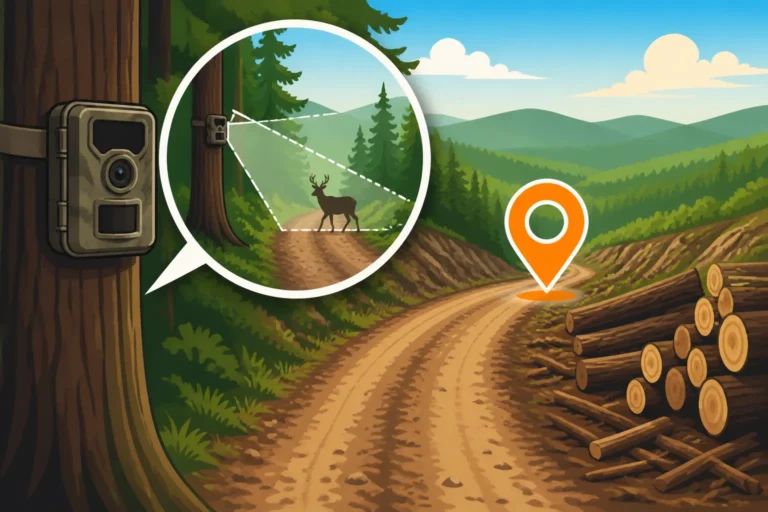
- Trail Cameras (with caveats): While not typically used for directly "hunting" crows, trail cameras can be useful for scouting. Placing them near potential roosts or feeding areas (if legal per "Trail Camera Rules on West Virginia Public Land") can help you confirm crow activity patterns without disturbing the birds. You might capture footage of large numbers moving through an area, giving you insight into their travel routes and peak activity times.
- Weather Apps: Pay attention to detailed weather forecasts, especially wind direction and speed. This will help you plan your setup to maximize concealment and ensure birds are working into the wind for optimal shots.
By combining traditional hunting wisdom with modern tools and a deep understanding of crow behavior, you can elevate your crow hunting experience to a truly rewarding pursuit in the challenging landscapes of West Virginia.
Disclaimer
Hunting is an activity that carries inherent risks. Always prioritize safety, adhere to all West Virginia hunting regulations, and respect private property. Consult the official West Virginia Division of Natural Resources (WVDNR) website for the most current rules and season dates before heading afield. This guide is for informational purposes only and does not supersede official regulations.