Camping Rules on West Virginia National Forest Land
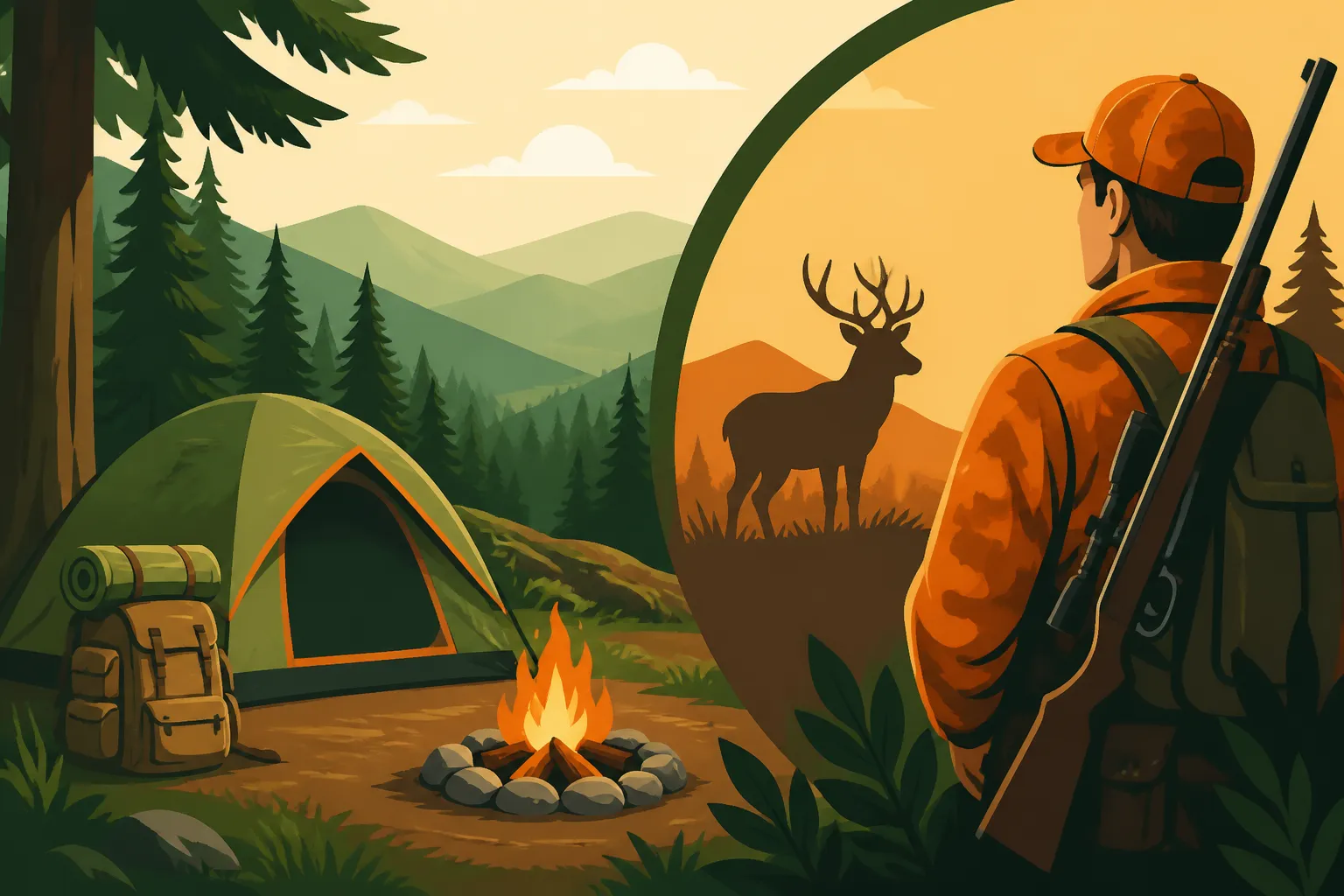
There’s nothing quite like the experience of waking up in the West Virginia mountains, the smell of damp earth and pine needles filling your senses, knowing your stand is just a short walk away. For many hunters, myself included, pitching a tent or parking a camper right where you plan to hunt is part of the allure, especially on vast tracts of public land. But national forests come with their own set of rules, and it can be a real headache trying to figure out what's allowed and what's not before you even leave home. This guide will walk you through the specific camping rules you need to know for West Virginia's national forest lands, ensuring your hunting trip is both legal and enjoyable.
Understanding National Forest Camping Basics in West Virginia
When you talk about camping in a national forest, it's not a one-size-fits-all situation. There are distinct differences in how and where you can set up your home away from home, each with its own advantages and regulations. Knowing these distinctions is the first step to a hassle-free experience.
Developed Campgrounds vs. Dispersed Camping
The primary distinction you'll encounter is between developed campgrounds and dispersed camping. Developed campgrounds are what most people picture when they think of camping: designated sites, usually with amenities like picnic tables, fire rings, and access to restrooms and potable water. These sites often require a fee, and many can be reserved in advance, especially during peak seasons. They offer convenience and a sense of security, but they might be a bit removed from the prime hunting spots and can sometimes get crowded.
On the other hand, dispersed camping, often called primitive or backcountry camping, means setting up camp outside of a designated campground. This is typically free, offers much more solitude, and allows you to be closer to your hunting grounds. For many West Virginia hunters, the ability to hike a quarter-mile into a secluded spot with your tent and gear, then have that same quarter-mile be your walk to your treestand at dawn, is a huge draw. However, with this freedom comes greater responsibility and a different set of rules regarding impact and safety.
General Rules for All Camping in the National Forest
Whether you're in a developed site or roughing it, certain foundational principles apply to all camping on national forest land in West Virginia. The most important of these is the "Leave No Trace" ethic. This isn't just a suggestion; it’s a critical guideline for preserving the natural beauty and ecological health of these shared spaces. This means packing out everything you pack in, including all trash, food scraps, and even things you might consider biodegradable like fruit peels.
Another paramount concern, especially in West Virginia's rich bear country, is proper food storage. Whether you're at a picnic table or deep in the woods, all food, scented items, and cooking gear must be stored in a bear-resistant container or hung from a tree using a proper bear bag system, at least 10 feet off the ground and 4 feet from the tree trunk. For hunters, this extends to game meat as well; ensuring your harvested animal is properly hung or stored away from your immediate camp is crucial for safety. Furthermore, proper sanitation, including digging catholes for human waste at least 200 feet from water sources, trails, and campsites, is essential to prevent contamination and maintain a pleasant environment for everyone.
Fire restrictions are also a common element to be aware of. While campfires are generally permitted, always check the current fire danger levels and any temporary restrictions or bans that might be in place. If fires are allowed, they should be kept small, within an established fire ring if one exists, and never left unattended. The rule of thumb is always to "drown, stir, and feel" your campfire until it's cold to the touch before leaving it, even for a moment. Length of stay limits typically restrict camping to 14 days within any 30-day period in a single location, preventing long-term residency and ensuring equitable access for all users.
Diving Deeper into Dispersed Camping for Hunters
Dispersed camping is often the preferred choice for serious West Virginia hunters. It offers unparalleled access and the solitude needed to truly immerse oneself in the hunting experience. However, it requires a more in-depth understanding of the specific guidelines and responsible practices to ensure you're both legal and minimally impactful.
Where You Can And Can't Dispersed Camp
The general rule of thumb for dispersed camping on national forest land is that you must be at least 200 feet from any developed road, trail, or water source. This distance helps protect sensitive riparian areas, maintain the wilderness aesthetic of trails, and keep camps out of sight from public thoroughfares. It's not just about hiding, but about minimizing your footprint and maintaining the natural integrity of the forest. You also need to be vigilant about private land inholdings. National forests, especially areas like the Monongahela, often have checkerboard patterns of public and private ownership. While apps like onX Hunt can be incredibly helpful for clearly defining property lines and avoiding accidental trespass, always double-check your location. There are few things worse than setting up a perfect camp only to realize you're on private property.
Certain areas may also have specific restrictions. For instance, some wilderness areas within the national forest might prohibit camping within a certain distance of specific features, or have different group size limits. Always consult the local ranger district for the most up-to-date information on any special regulations for the area you plan to visit. Ignoring these can lead to fines and disrupt your hunt. When you're Scouting West Virginia Public Land Before Season, it's a great time to also scout potential dispersed camping locations and note their proximity to roads, trails, and water.
Setting Up Your Hunting Camp
Choosing the right spot for your dispersed hunting camp is both an art and a science. You'll want a flat, well-drained area that's out of sight from main roads and trails, offering some privacy and minimizing disturbance to others. Look for existing disturbed areas or durable surfaces rather than creating new clearings or trampling fragile vegetation. The goal is a small footprint; use a tent or tarp that blends in and keep your gear compact. Think about the season: if you're hunting in the late fall or early winter, you'll need robust shelter, a good sleeping bag, and proper insulation from the cold ground.
Access is another critical factor. While you'll want to be away from main roads, you might still need to park your vehicle within a reasonable walking distance. Remember, Vehicle Rules on West Virginia Public Land generally require you to stay on established forest roads and avoid off-roading, which can damage sensitive ecosystems and is often illegal. For water, always assume stream or spring water needs to be treated, even if it looks pristine. Carrying a water filter, purification tablets, or having a reliable method to boil water is non-negotiable for health and safety.
| Feature | Developed Campground | Dispersed Camping |
|---|---|---|
| Cost | Usually requires a fee (per night) | Generally free |
| Amenities | Picnic table, fire ring, restrooms, potable water | Minimal to none (pack everything in/out) |
| Privacy | Limited; sites often close to neighbors | High; greater solitude and seclusion |
| Access to Hunting | May be a longer walk/drive to prime spots | Can be directly adjacent to hunting grounds |
| Reservations | Often available/recommended, especially during peak | Not applicable |
| Impact | Concentrated in designated areas | Spread out; requires strict Leave No Trace adherence |
| Safety | More likely to have emergency services access | Self-reliance is key; less immediate assistance |
Specific Considerations for West Virginia National Forests
West Virginia's national forests, particularly the expansive Monongahela, present unique terrain and challenges that demand specific attention from campers and hunters. The rugged beauty comes with responsibilities, especially concerning wildlife and environmental care.
Monongahela National Forest Camping Nuances
The Monongahela National Forest is a hunter's paradise, covering over 900,000 acres across the Allegheny Mountains. This vastness means diverse terrain, from rolling hardwoods to steep, laurel-choked hollows, and high-elevation spruce forests. How Many Acres Monongahela Forest Covers gives you an idea of the sheer scale. When camping here, understanding the nuanced rules is key. For instance, specific wilderness areas within the Monongahela, like the Otter Creek Wilderness or Dolly Sods Wilderness, often have stricter regulations regarding group size, fire use, and even the types of shelters allowed. Always check with the local ranger station that manages the specific section you're interested in.
The elevation in the Monongahela can also play a significant role. Higher elevations mean colder nights, even early in the archery season, and the possibility of snow earlier and later than in lower valleys. Your gear choices, from sleeping bags to tents, must reflect these potential conditions. Hunters often find themselves deep in these mountains, and having a well-situated, weather-proof camp is paramount to comfort and safety. Setting up a base camp allows for flexibility when pursuing deer, turkey, or bear, especially if you're employing tactics like Treestand Setups in Monongahela National Forest where you might want to spend extended periods in one area. This also applies if you're Hunting Potomac Highlands Public Land, as much of the Monongahela falls within this region.
Wildlife Encounters and Safety
West Virginia's national forests are teeming with wildlife, and while most encounters are memorable and harmless, some require preparedness. Black bears are a prominent resident, and their presence dictates much of the food storage rules discussed earlier. Beyond proper food storage, carrying bear spray, knowing how to react during an encounter, and making noise on trails to avoid surprising a bear are all crucial. Understanding West Virginia's Black Bear Comeback underscores why bear safety is so important; their population is thriving.
It's not just bears, though. You might encounter coyotes, bobcats, or venomous snakes like timber rattlesnakes or copperheads, especially during warmer months. Being aware of your surroundings, knowing how to identify potential threats, and giving all wildlife ample space are best practices. For hunters, this means not only being alert for game but also for other forest inhabitants. Emergency preparedness is paramount when camping in remote areas. Always let someone know your itinerary, carry a first-aid kit, and understand how you'll communicate in an emergency. Cell service can be notoriously spotty in the mountains, so a satellite messenger or a fully charged phone with offline maps (such as those from onX Hunt or GoHunt) can be a literal lifesaver. Consider a robust First Aid Kits for Remote Highlands Ground as an essential part of your gear. If you happen to experience Bear Encounters Around Highlands Cabins or in the backcountry, knowing the appropriate steps can prevent a dangerous situation.
Managing Waste and Campfires Responsibly
Beyond general "Leave No Trace" principles, specific considerations for waste and campfires really hit home in West Virginia's rugged terrain. For human waste, the cathole method is standard: dig a hole 6-8 inches deep and at least 200 feet from water, trails, and campsites. Bury the waste and cover the hole completely. Packing out all toilet paper is a non-negotiable. For hunters, dealing with game waste also requires thought. Avoid gut piles near trails or water sources, and scatter remains away from high-traffic areas to allow them to decompose naturally and prevent attracting scavengers to your camp or other popular spots.
Campfires, while a cherished part of the camping experience, demand extreme caution. Always check current fire danger levels through the National Forest Service website or by contacting the local ranger district. In dry conditions, fires may be banned entirely. If fires are permitted, use existing fire rings where possible. If not, create a small, contained fire pit in a cleared area, well away from overhanging branches, dry leaves, or any flammable materials. Never gather wood from live trees; only use downed, dead wood. Before leaving your campfire, even for a short time, ensure it is completely extinguished. This means dousing it thoroughly with water, stirring the ashes, and feeling for any residual heat. A fire that seems out can smolder for hours or days, only to reignite and cause a devastating forest fire.
Legalities, Permits, and Staying Informed
Navigating the rules and regulations for camping and hunting in West Virginia's national forests can feel like a full-time job. Knowing what permits you need, how to utilize technology for planning, and respecting the land are all part of being a responsible outdoor enthusiast.
Permits and Fees
For the most part, dispersed camping in West Virginia's national forests does not require a special permit or fee. This is one of the big appeals for hunters looking for a budget-friendly and flexible option. However, if you opt for a developed campground, expect to pay a nightly fee, which can vary depending on the amenities and the specific campground. These fees contribute to the upkeep of facilities, including restrooms, water systems, and general maintenance. Some areas might require specific permits for large groups or certain activities, though these are less common for typical hunting and camping trips.
The golden rule is always to check directly with the Ranger District office for the specific area of the Monongahela National Forest you plan to visit. Their websites and staff can provide the most accurate and up-to-date information on any area-specific closures, fire restrictions, or permit requirements. Don't rely solely on outdated maps or forum posts; a quick call or visit to the official site can save you a lot of trouble.
Using Technology for Trip Planning
In today's world, technology has become an invaluable tool for planning and executing a successful hunting and camping trip. Mapping applications like onX Hunt are particularly useful for national forest lands. They allow you to download maps for offline use, which is critical given the spotty cell service often found in West Virginia's mountains. With onX Hunt, you can clearly see property lines, identifying public versus private land, which is essential when seeking out dispersed camping spots or simply navigating the forest. You can mark potential camp locations, water sources, and even game sign, creating a comprehensive digital scout of your area.
Other useful tools, like the WVDNR's Go Wild West Virginia platform or even general weather apps, can provide crucial information. While GoHunt might be more tailored to Western states, the principles of using a robust mapping platform to identify public land, track your movements, and understand the topography are universal. For specific hunting regulations, the official West Virginia Division of Natural Resources (WVDNR) website is your go-to resource. It's often helpful to keep a screenshot of the regulations pertinent to your hunt on your phone, especially when you're in an area where Using Go Wild West Virginia Without Cell Service is a common reality. Combine digital tools with traditional maps and compass skills for ultimate preparedness.
Respecting the Resource and Other Users
Ultimately, camping and hunting in West Virginia's national forests are privileges that come with a shared responsibility. Minimizing your noise, respecting the privacy of other campers or hunters, and being considerate of how your actions impact the environment are all part of being a good steward. Remember that these lands are used by hikers, bird watchers, anglers, and other recreationalists, not just hunters. A little consideration goes a long way in fostering a positive perception of hunters and ensuring continued access to these magnificent wild places.
The long-term impact of responsible camping ensures that future generations of West Virginia hunters and outdoor enthusiasts can experience the same pristine beauty and abundant wildlife we enjoy today. By adhering to the rules, practicing Leave No Trace principles, and educating ourselves on the specifics of national forest camping, we contribute to the enduring legacy of West Virginia's wild and wonderful lands.
Disclaimer
This article is for general informational purposes only and does not constitute professional advice. Laws, prices and regulations vary by location and change over time. Consult a qualified professional for guidance on your specific situation.