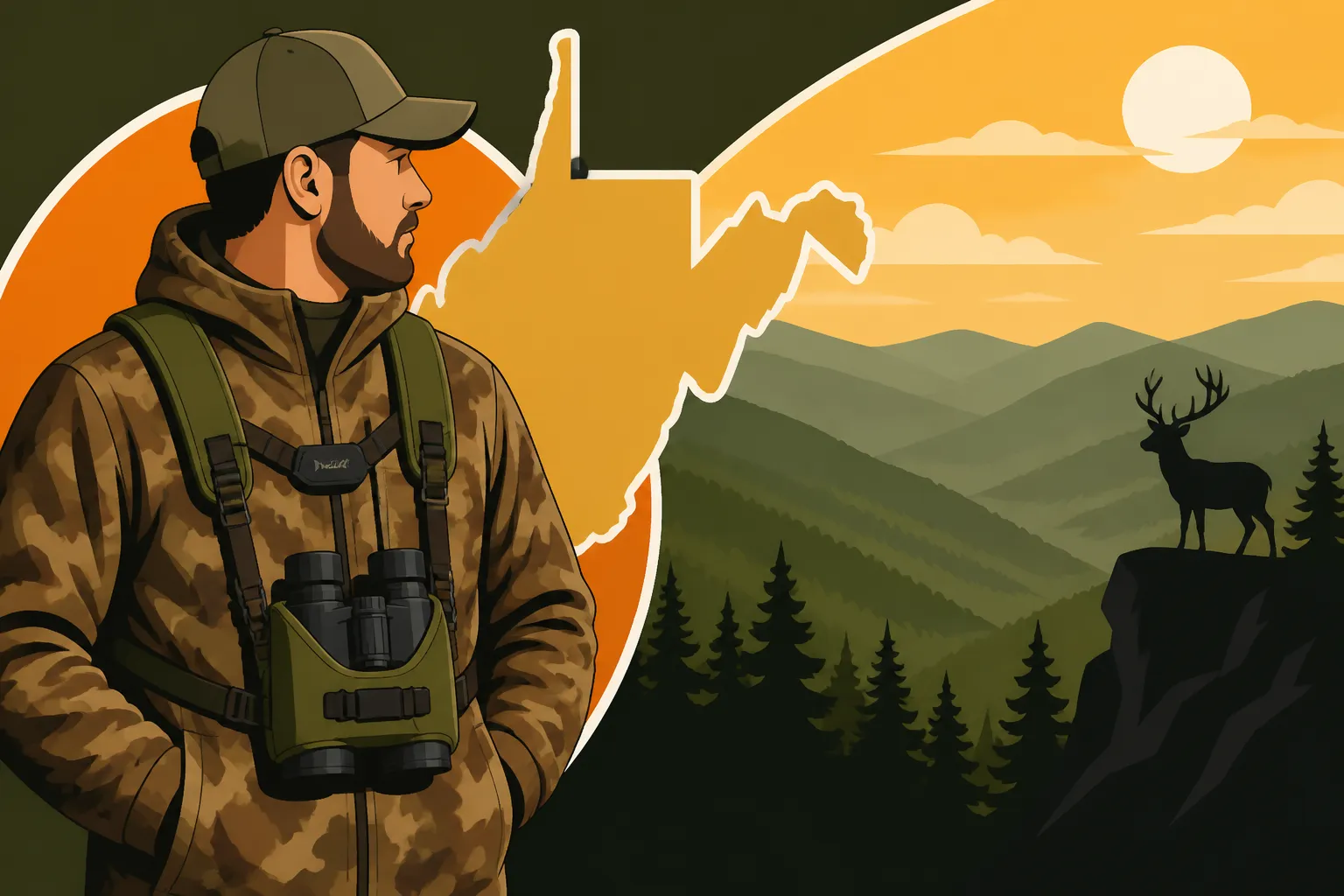
Binocular Harnesses Worth Wearing
We've all been there: a monster buck slips through the thick timber on a steep Allegheny ridge, or a gobbler sounds off across a deep hollow, and you're fumbling for your binoculars, dangling precariously around your neck, bouncing against your chest, or worse, buried deep in your pack. In the rugged, dynamic hunting environments of West Virginia, where opportunities can arise and vanish in a heartbeat, a good binocular harness isn't a luxury – it's an absolute game-changer. This guide will walk you through why a quality harness is indispensable and how to choose one that will serve you faithfully, allowing you to focus on the hunt, not on managing your gear.
Why a Binocular Harness Isn't Just "Nice to Have" in West Virginia
Hunting in West Virginia means navigating diverse terrain, from the steep, rocky slopes of the Allegheny Mountains to the dense bottomland hardwoods along our rivers. Your gear needs to withstand these challenges and allow for quick, efficient movements. A binocular harness rises to this occasion, addressing common frustrations and enhancing your overall hunting experience.
The Neck Strain Nightmare and How to Beat It
Ask any hunter who's spent a full day with binoculars swinging on a simple neck strap, especially on uneven ground, and they'll likely recount tales of aching necks and constant readjustments. The weight of even compact binoculars, concentrated on a single strap, quickly becomes a persistent irritation, pulling on your neck and causing discomfort that detracts from your focus. Imagine still-hunting through thick laurel patches, constantly lifting your binoculars to check movement, only to feel that familiar strain building.
A well-designed binocular harness distributes that weight across your shoulders and back, much like a backpack. This simple shift makes a profound difference in comfort, allowing you to carry your optics all day long without fatigue. It means you can keep your binoculars readily accessible, hanging close to your chest, without the constant jostling and strain that leads to soreness. When you're glassing for deer on a powerline cut in the Potomac Highlands Public Land, you want your focus on finding that deer, not on your aching neck.
Protecting Your Investment from the Mountain Elements
Let's be honest, good hunting binoculars are a significant investment. They are precision instruments designed to give you an edge, and they deserve proper care. West Virginia weather can be unpredictable, often swinging from clear, crisp mornings to sudden downpours, or even wet snow in the late season. A bare pair of binoculars on a neck strap offers little protection against rain, mud, or accidental bumps against trees or rocks as you traverse steep slopes or navigate dense cover.
Many quality binocular harnesses feature robust, weather-resistant materials and a main compartment that fully encloses your optics. This protective shell acts as a shield against the elements, keeping lenses clear and internal mechanisms dry. Some even boast rain covers for extra protection during heavy precipitation. Think about the peace of mind knowing your expensive glass is safe and sound as you crawl through a blowing snowstorm while Hunting the Late-Season December Lull. Moreover, a secure harness prevents your binoculars from swinging wildly, reducing the risk of dropping them or banging them against hard surfaces, which could throw off collimation or scratch delicate lenses.
Instant Access When Every Second Counts
Hunting often boils down to split-second decisions and fleeting opportunities. Whether it's a quick glance to identify movement in a shadowed hollow or a long study of a distant ridgeline, you need your optics ready now. Fumbling through a backpack or trying to untangle a neck strap can cost you precious seconds – and a shot opportunity.
A good binocular harness positions your binoculars snugly against your chest, yet allows for silent, one-handed deployment. Many designs feature magnetic closures or quiet buckles that can be opened and closed with minimal fuss and no loud snapping sounds. This quick access is crucial, especially when Hunting the West Virginia Rut in November, where a buck might only offer a brief window of visibility as it chases a doe. With your binoculars always in the same, easily reachable spot, you develop muscle memory, making their retrieval and use almost instinctual. The confidence that comes with knowing your optics are ready when you are is invaluable.
Essential Features to Prioritize in a Binocular Harness
Not all binocular harnesses are created equal. When choosing one, it's vital to consider the specific demands of West Virginia hunting and what features will truly make a difference in your experience.
Unwavering Comfort and a Secure Fit
Comfort is paramount, especially on long days afield. Look for harnesses with wide, padded shoulder straps that distribute weight evenly without digging in. Adjustable straps are a must, allowing you to customize the fit to your body type and layering system, whether you're wearing a light shirt in early archery season or bulky cold-weather gear for Hunting Deer After a Cold Front. Some harnesses also feature a back panel that helps keep the straps from sliding around, maintaining a stable and comfortable fit.
The harness should hold your binoculars securely against your chest without excessive bouncing or shifting as you walk, climb, or crawl. This secure fit is not just about comfort; it's about stability for quick glassing and minimizing noise. A harness that allows your binoculars to flop around will be a constant annoyance and can even create unwanted movement that spooks game. Many hunters find that brands focusing on ergonomic design, such as those often reviewed on resources like GoHunt, offer superior comfort for extended periods.
Rugged Durability and Weather Protection
Our mountain environment is tough on gear, so your harness needs to be built to last. Look for high-denier nylon or similar rugged, abrasion-resistant fabrics that can stand up to brush, briars, and rocks. Stitching should be reinforced, and zippers, if present, should be robust and ideally water-resistant.
Weather protection goes beyond just material. A good harness will have a main compartment that fully encases the binoculars, ideally with a quiet, secure closure system. This could be a magnetic flap, a quiet buckle, or a heavy-duty zipper. Some designs incorporate built-in rain fly covers or storm flaps for added defense against persistent rain or snow. For hunters who brave the elements in places like Cranberry WMA, choosing a harness that explicitly touts its weather-resistance is a smart move.
Quiet, Quick Access and Smart Storage
In the woods, silence is golden. Any component that makes noise – rattling zippers, squeaky buckles, crinkly fabric – can give you away. Prioritize harnesses made with quiet, soft-touch materials, and look for magnetic closures or silent buckles that won't make a sound when you open or close the main compartment. The goal is to retrieve your binoculars and put them back without creating an auditory disturbance that could alert that mature gobbler you've been working to your presence.
Beyond the main compartment, consider what other accessories you frequently need at your fingertips. Many harnesses incorporate external pockets or pouches for items like:
- Rangefinder: A dedicated, easily accessible pouch for your rangefinder is a huge plus, allowing you to quickly get a yardage estimate without fumbling.
- Wind indicator: Small, often forgotten, but critical for understanding thermals on steep terrain.
- Grunt tube or turkey call: Keeps these vital tools within reach for instant use.
- Small flashlight or headlamp: Essential for walking in or out in low light.
- Lens cloth: To keep your optics pristine.
Here's a quick comparison of common harness types and their features:
| Feature | Chest Pack Style (Full Enclosure) | Suspender Style (Open-Top or Minimal) |
|---|---|---|
| Protection | Excellent (full enclosure, often padded, weather-resistant) | Minimal (open top, relies on bino covers, less padding) |
| Comfort | Very good (wide straps, weight distribution, can be bulky) | Excellent (lightweight, minimal bulk, good weight distribution) |
| Access Speed | Fast (quick-release closure, often one-handed) | Fastest (always ready, but exposed) |
| Storage | Excellent (multiple pockets for rangefinder, calls, etc.) | Limited (may have small side pockets, often just bino attachment) |
| Stealth | Very good (quiet materials, secure closure prevents noise) | Excellent (minimal material, less chance for fabric rub, but exposed binos) |
| Integration | Often designed to integrate with hydration packs or backpacks | More standalone, can be worn under packs easily |
| Best For | All-around hunting, adverse weather, protecting expensive optics | Fast-paced hunting, minimalist setups, warm weather |
Matching Your Harness to Your West Virginia Hunting Style
The type of hunting you do most often in West Virginia should heavily influence your harness choice. Different pursuits demand different priorities from your gear.
Deer Hunting: Steep Ridges to Tight Hollows
For deer hunting, especially in the rugged areas of Monongahela National Forest Hunting or when Hunting Steep Allegheny Ridges, you'll want a harness that balances robust protection with quick, quiet access. A chest pack style harness with a full enclosure is often the best choice here.
- Security and Protection: As you navigate steep, uneven terrain, you'll be leaning, climbing over blowdowns, and potentially even crawling through dense undergrowth. Your binoculars need to be secure and protected from impacts and weather. A rigid frame or well-padded main compartment is ideal.
- Comfort for Long Hauls: Deer hunting often involves significant walking, sometimes several miles into public land. A harness with excellent weight distribution and padded shoulder straps will prevent fatigue.
- Quick Draws: Whether you're trying to pick out a bedded deer in a thicket or evaluate a buck that just materialized on a logging road, you need your binoculars in hand instantly. Look for magnetic closures or silent, one-handed buckle systems.
- Extra Storage: Many deer hunters carry a rangefinder, wind checker, and maybe a grunt tube. A harness with dedicated, easily accessible pockets for these items keeps them at the ready without needing to go into your main pack. When using tools like those found on GoHunt for scouting and planning, knowing your gear is just as organized in the field is a big plus.
Turkey Hunting: Run-and-Gun Silence
Spring turkey hunting, especially the run-and-gun style popular on public lands, demands a different set of priorities. Here, stealth and minimal bulk are king.
- Quiet Operation: Turkeys have incredible hearing. Any creak, rustle, or clink can blow your setup. Choose a harness made from ultra-quiet fabrics with silent closures. Even the smallest buckle noise can send a gobbler heading the other way.
- Lightweight and Minimalist: When you're constantly on the move, covering ground trying to locate birds, every ounce matters. A bulkier chest pack might feel cumbersome. A suspender-style harness, or a minimalist chest pack, could be ideal. It keeps your binoculars close without adding unnecessary weight or hindering your movement as you Run-and-Gun Turkey Tactics on Public Land.
- Fast Access: When a gobbler sounds off close by, you might only have seconds to pinpoint his exact location or check for hens. An open-top design, while offering less protection, provides the fastest possible access. If you opt for a chest pack, ensure the lid can be opened very quickly and quietly.
- Call Storage: Many turkey hunters keep a mouth call or small pot call readily accessible. Some harnesses have small, specialized pockets perfect for these.
Bear Hunting: Deep Woods and Heavy Cover
West Virginia bear hunting can involve dense, rugged terrain, often with heavy undergrowth and unpredictable weather. Your harness needs to be robust and dependable.
- Ultimate Protection: Whether you're still-hunting through deep woods or Running Hounds for West Virginia Bears, your binoculars are going to take a beating. A harness that offers maximum protection against impacts, moisture, and abrasion is essential. Look for heavily padded and fully enclosed designs.
- Durability: Bear hunting gear needs to withstand hard use. Reinforced stitching, heavy-duty zippers, and tough outer fabrics are crucial.
- Secure Fit for Tough Movement: Maneuvering through thick cover often means bending, crawling, and pushing through brush. The harness must stay secure and prevent your binoculars from snagging on branches or getting jostled excessively.
- Integration with Other Gear: Bear hunters often carry larger packs, especially for longer excursions into the Cranberry Wildlife Management Area. Ensure your chosen harness integrates well with your backpack straps, preventing uncomfortable overlaps or pressure points.
Getting the Most Out of Your Binocular Harness
Once you've invested in a quality binocular harness, proper setup and care will ensure it serves you well season after season.
Proper Adjustment for All-Day Wear
A harness that's poorly adjusted can be just as uncomfortable as a neck strap. Take the time to fine-tune the fit.
- Shoulder Straps: Adjust them so the weight of your binoculars is comfortably distributed across your shoulders, not pulling down on your neck. The binoculars should sit high enough on your chest that they don't impede leg movement or swing excessively, but low enough that they don't interfere with your draw if you're bowhunting, especially during Bowhunting West Virginia's Long Archery Season.
- Back Strap/Panel: Many harnesses have a horizontal strap across the back that connects the shoulder straps. Adjust this to pull the harness snugly against your body, preventing side-to-side movement. This is crucial for stability when climbing or navigating difficult terrain.
- Binocular Attachment: Ensure your binoculars are securely attached to the harness straps with the provided clips or loops. This prevents them from falling if the main compartment is open or if you briefly remove them from the pouch. Test the fit by bending over, twisting, and walking briskly to ensure nothing bounces or shifts uncomfortably.
Integrating with Your Existing Hunting System
Your binocular harness isn't standalone gear; it's part of your overall hunting system. Consider how it interacts with other essentials:
- Backpacks: Make sure the harness straps don't interfere with your backpack shoulder straps or hip belt. Some harnesses are designed to be worn comfortably with a pack, while others might feel bulky. Experiment with layering the harness over or under your pack straps to find what works best for you.
- Treestands and Saddles: If you're Hanging a Stand on a Steep Allegheny Ridge or Saddle Hunting in West Virginia Hardwoods, ensure the harness allows for comfortable climbing and doesn't get in the way of your safety harness or climbing sticks. The ability to quickly stow and retrieve binoculars while elevated is key.
- Calls and Accessories: Utilize any integrated pockets for your most-used items, like a grunt tube, wind checker, or small GPS unit. This creates a streamlined, efficient system where everything has its place and is easily accessible. Regularly checking your gear layout, perhaps using insights from GoHunt for organizing essentials, can really streamline your in-field experience.
- Blaze Orange: Remember West Virginia's blaze orange requirements during certain seasons. If your harness doesn't have orange, ensure your outer layer provides the necessary coverage without impeding access to your binoculars.
Properly setting up your binocular harness ensures that your expensive optics are protected, always accessible, and never a source of discomfort. It allows you to stay focused on the incredible hunting opportunities that West Virginia offers.
Disclaimer
This article is for general informational purposes only and does not constitute professional advice. Laws, prices and regulations vary by location and change over time. Consult a qualified professional for guidance on your specific situation.