Mingo County Archery-Only Public Ground
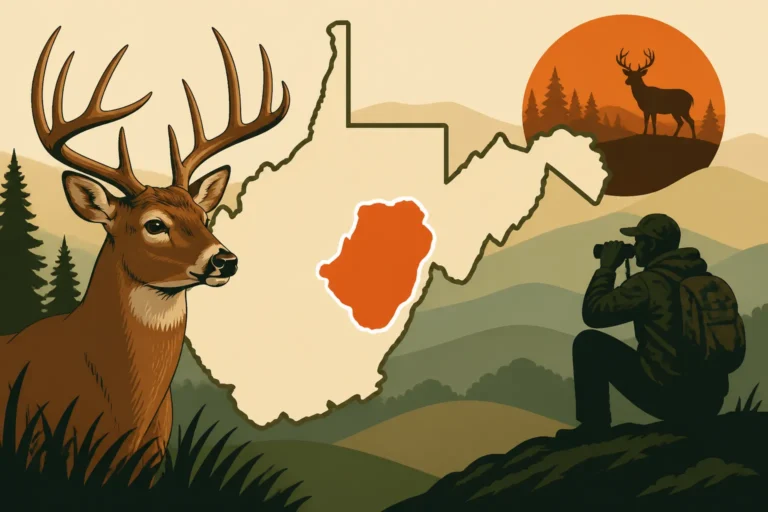
It's easy to get excited about West Virginia's diverse hunting opportunities, but sometimes the rules for specific counties can throw a curveball, especially when you're used to statewide seasons. Mingo County, in particular, often catches folks off guard with its strict archery-only designation for deer hunting. This guide will walk you through everything you need to know to successfully navigate and hunt the public lands of Mingo County, making sure you understand the unique challenges and opportunities this special area presents.
Understanding Mingo County's Archery-Only Deer Hunting Status
For many hunters, the idea of an archery-only county might seem a bit unusual, especially in a state like West Virginia that generally offers a broad spectrum of hunting methods. However, Mingo County, along with a few other southern counties, has a long-standing tradition and specific reasoning behind its archery-only designation for deer. It’s not a random rule; it’s a management decision that has shaped the hunting culture and deer behavior in the area.
Why Mingo County is Archery-Only
The primary reason for Mingo County being archery-only, much like its neighbors Logan, McDowell, and Wyoming, boils down to a historical combination of population density, mountainous terrain, and local tradition. Back in the day, these areas saw heavy human populations tied to the coal industry, leading to concerns about firearm discharge safety in close proximity to communities. While some of those demographics have shifted, the tradition and the management philosophy have largely remained. This designation creates a unique hunting environment, often fostering deer that may be less pressured by firearms, but still incredibly wary of human presence. It’s also often cited as a measure to promote a more primitive hunting experience and to manage deer populations in a way that aligns with local values and safety concerns. This means you won't be seeing any rifle or shotgun hunters come buck gun season; it's bows and crossbows only. If you're curious about the broader context, you can learn more about Why Four Southern Counties Skip Gun Season.
What "Archery-Only" Truly Means for Hunters
When we say "archery-only" for deer in Mingo County, it means just that: legal bows (compound, recurve, longbows) and crossbows are the only permissible weapons for deer hunting during the designated seasons. This rule applies to both private and public lands within the county borders. You can’t bring a muzzleloader, a rifle, or a shotgun to deer hunt. This dramatically alters hunting strategies compared to counties where firearms are permitted. For instance, deer behavior can differ significantly. They might still be nocturnal or move during low light, but the sound of distant gunshots, a common pressure point in other counties, won’t be an issue here. This can lead to a more consistent deer movement pattern through the entire deer season, including the late season. It also means less competition from gun hunters, which can be a real blessing on public ground. Knowing your Crossbow Rules During West Virginia Archery Season is also critical if you plan to use one.
Hunting Strategies for Mingo County's Archery-Only Public Lands
Hunting public land successfully in an archery-only county like Mingo requires a thoughtful approach. The terrain is rugged, the deer are wild, and the challenge is real. But with the right strategies, you can have an incredibly rewarding experience.
Scouting for Success in Mingo's Rugged Terrain
Mingo County is characterized by steep hollows, dense timber, and unforgiving topography typical of the Southern Coalfields. Effective scouting is paramount here. Before you even set foot in the woods, use mapping tools like onX Hunt to analyze contour lines, identify potential funnels, saddles, and benches that deer might use to navigate the steep hillsides. Look for water sources, especially during dry spells, and potential bedding areas on leeward slopes or thick cover.
Once on the ground, focus on finding fresh sign: rubs, scrapes, and most importantly, deer trails. Pay close attention to trails that connect feeding areas (like oak ridges or clear-cuts with regrowth) to bedding areas. In archery-only environments, deer might feel more comfortable traveling during daylight hours, so understanding their core movements is key. Don't be afraid to put on some miles. Consider exploring areas that are difficult to access, as these often hold less hunting pressure. Sometimes, finding ground others walk past is the secret to success.
Effective Archery Tactics for Public Ground
The archery-only rule naturally dictates the tactics you'll employ. Close-range engagements are the name of the game, so proficiency with your bow or crossbow is non-negotiable. Practice shooting from various positions, including sitting, kneeling, and from a treestand, mimicking real-world hunting scenarios.
- Treestand and Saddle Hunting: Given the steep terrain, treestand setups are popular. Look for mature trees along well-used deer trails, pinch points, or near prominent food sources. Portability is key on public land, so lightweight climbing sticks and a mobile stand or saddle setup can make a huge difference. Hunting Treestand Setups in Monongahela National Forest provides some transferable insights, even if the specific WMA is different. You'll want to be able to get in and out quietly and efficiently, often deep into the woods.
- Still-Hunting and Stalking: For the more adventurous, still-hunting or stalking can be incredibly effective, especially when conditions are right (a light rain, crunchy leaves after a frost, or windy days that mask sound). Move slowly, take a few steps, then pause and observe. Use your binoculars to pick apart the dense cover ahead of you. This method requires immense patience and keen observation skills, but can lead to exciting encounters.
- Ground Blinds: While treestands are common, ground blinds can be an excellent option in specific situations, such as along field edges if you find any, or tucked into thick cover overlooking a well-used trail. Remember to brush them in well to break up your outline. However, due to the steep terrain and prevalence of thick woods, ground blinds may be less versatile than elevated positions in many parts of Mingo.
Regardless of your chosen tactic, scent control is paramount. Deer in archery-only areas, while perhaps less accustomed to firearm noise, are still incredibly sensitive to human scent and movement.
Key Public Hunting Areas in Mingo County
While specific named Wildlife Management Areas (WMAs) might be limited directly within Mingo County's borders, it's important to understand the types of public land available and how to access them. Often, national forest lands or broad areas managed for public use will be your best bet.
Navigating the Southern Coalfield Landscape
Mingo County falls squarely within West Virginia's Southern Coalfields region, a landscape defined by its rugged mountains, steep valleys, and historical logging and mining activity. This means the "public ground" often consists of vast tracts of national forest land, potentially intermixed with some state-managed parcels. The key is to find these areas and understand their specific access rules.
Mapping apps like onX Hunt are absolutely invaluable here. They provide detailed property lines, showing you exactly where public land begins and private land (which might be leased or simply posted) ends. This helps prevent accidental trespass and ensures you're hunting legally. Before heading out, download offline maps, as cell service can be spotty to non-existent in many of Mingo's remote hollows. Knowing the Southern Coalfield Deer Density can give you an idea of what to expect from the population.
What to Expect on Public Ground
Public land in Mingo County will likely be heavily forested, with a mix of hardwoods, pines, and thick underbrush like rhododendron and mountain laurel. Access might be limited to old logging roads, gas well roads, or even just hiking trails. Expect to walk, and to climb. These areas are not for the faint of heart, but they offer solitude and the chance to hunt truly wild deer.
| Feature | Description for Mingo County Public Ground | Implication for Hunters |
|---|---|---|
| Terrain | Very steep hills, deep hollows, rugged mountains. | Physical challenge; use trekking poles; focus on saddles, benches, and ridge lines for travel. |
| Vegetation | Dense hardwoods, thick pines, rhododendron, mountain laurel. | Excellent deer cover; limits visibility; requires quiet movement and close-range shooting skills. |
| Access | Old logging roads, gas well roads, hiking trails; some areas may require significant off-trail hiking. | Expect to walk long distances; consider lightweight gear and a good pack for all-day excursions. |
| Deer Pressure | Archery-only means no gun hunters; however, experienced archery hunters will still target key areas. | Less human disturbance overall; deer may move more consistently; competition for prime spots still exists. |
| Food Sources | Natural mast crops (acorns, beech nuts), browse (greenbrier, tender shoots), regrowth in clear-cuts. | Deer movements highly tied to food availability; scout for mast crops before and during the season. |
| Water Sources | Creeks in hollows, springs, seasonal seeps. | Critical during dry periods; deer will travel to water. |
Always double-check any specific rules for the public land you plan to hunt, as some areas may have additional regulations beyond statewide or county-specific ones. It's always a good idea to consult the West Virginia Division of Natural Resources (WVDNR) website or the GoHunt app for the most up-to-date information on any public land closures or specific access requirements. Public Hunting Land in West Virginia provides a great overview of the various options.
Navigating Regulations and Logistics for Mingo County Hunting
Hunting in an archery-only county like Mingo isn't just about finding the deer; it's also about understanding the unique regulatory framework and planning your logistics carefully. West Virginia's rules can sometimes have nuances, and it’s always better to be over-prepared.
Licenses, Stamps, and Reporting
First and foremost, ensure you have all the necessary licenses and stamps. For deer hunting in West Virginia, you'll need a base hunting license, typically a Class A for residents or various options for non-residents, along with a deer stamp. If you're using a crossbow, it falls under the same archery regulations, so no separate crossbow stamp is required, but it's important to be aware of the West Virginia Archery and Crossbow Season Dates. All harvested deer must be legally reported to the WVDNR, often through their online system or mobile app, by a specific deadline. This process is crucial for data collection that helps manage the state's deer herd.
It’s also wise to carry physical copies or digital proof of all your licenses and permits. While technology is great, a dead phone battery in a remote hollow is not where you want to discover you don't have proof of your legality.
Gear Considerations for Archery-Only Terrain
Because Mingo County is rugged and archery-focused, your gear choices are critical.
- Weapon: Of course, your bow or crossbow. Ensure it's sighted in and you're comfortable shooting out to your ethical maximum range. Broadhead selection is also important; aim for reliable, sharp broadheads that will deliver maximum penetration on deer.
- Optics: Good binoculars (8x or 10x) are essential for spotting deer in dense cover and for navigating the terrain. A rangefinder is non-negotiable for archery, helping you accurately judge distances in steep country where estimations can be deceiving.
- Clothing & Footwear: Layering is key for West Virginia's variable weather, especially in the mountains. Start with moisture-wicking base layers, add insulating layers, and finish with a quiet, waterproof outer shell. Sturdy, waterproof boots with good ankle support are absolutely vital for traversing the steep, often rocky and wet terrain. Consider gaiters to keep debris and moisture out of your boots. Remember, even though it's archery-only, you'll still need to adhere to blaze orange requirements during certain seasons, usually when other small game or bear seasons overlap, so check the regulations carefully.
- Packs & Navigation: A comfortable daypack capable of carrying all your essentials (water, snacks, first-aid, extra layers, game processing kit) is a must. A reliable GPS unit or a smartphone with a downloaded
onX Huntmap is crucial for navigation, especially if you venture deep into the backcountry. Always carry a compass and a physical map as a backup. Don't forget a quality headlamp for those early morning walks in or late evening walks out.
Respecting Private Land and Local Communities
While this guide focuses on public land, it's vital to remember that Mingo County also has significant private land holdings. Always be aware of property boundaries, and if in doubt, err on the side of caution. Trespassing is not only illegal but also damages the reputation of all hunters. If you're ever near private property, ensure you have explicit, ideally written, permission before stepping onto it. Developing a good relationship with local landowners, even if you’re primarily hunting public land, can go a long way in fostering a positive image for hunters in the community. Respecting the land, packing out what you pack in, and being a good steward of the environment are all part of responsible hunting.
Disclaimer
This article is for general informational purposes only and does not constitute professional advice. Laws, prices and regulations vary by location and change over time. Consult a qualified professional for guidance on your specific situation.