Monongalia County Public Hunting Access
Finding quality public hunting land in a county like Monongalia, nestled in the northern part of West Virginia, can feel like a real challenge. Many hunters get discouraged, believing all the good spots are locked up on private property or so heavily pressured they're not worth the effort. But don't despair! This guide is here to walk you through the often-overlooked public hunting opportunities right here in Monongalia County, giving you the insights and specific locations you need to plan a rewarding hunt for deer, turkey, or small game.
Understanding Public Land Opportunities in Monongalia County
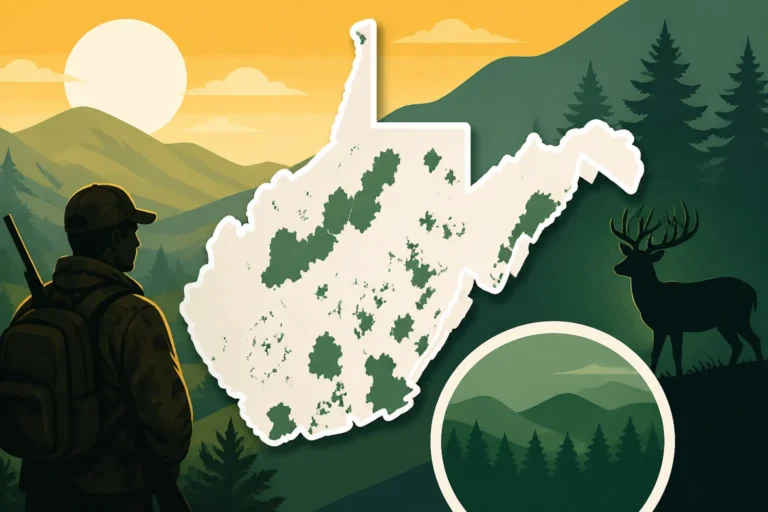
Monongalia County might be known for its vibrant university town and growing communities, but it also holds some gems for the dedicated hunter seeking public access. While it might not boast the vast, sweeping national forest acreage you find in other parts of the state, there are still excellent opportunities if you know where to look and how to approach them. The key is understanding the different types of public land available and the specific regulations that govern them.
The landscape here is a mix of rolling hills, timbered ridges, and productive bottomlands, often interspersed with agricultural fields. This mosaic can make for diverse hunting, but it also means public land parcels can sometimes be smaller or more fragmented than what you might be used to in deeper wilderness areas. Don't let that deter you; smaller parcels can often hold surprising amounts of game if they offer good cover, food sources, and are bordered by areas with less hunting pressure. You just have to be willing to put in the legwork to find those pockets.
Navigating these areas requires a good understanding of property boundaries and local regulations. This isn't the kind of hunting where you just jump out of the truck and wander. A little homework goes a long way. Checking the current hunting regulations from the West Virginia Division of Natural Resources (WVDNR) is always your first step. These regulations cover everything from season dates and bag limits to specific rules for different WMAs or public access sites.
The Landscape of Public Hunting Ground
When you think of public land in West Virginia, often your mind drifts to the massive expanses of the Monongahela National Forest. While Monongalia County isn't directly within the main body of the Monongahela, it benefits from other state-managed areas that offer fantastic hunting. These often include Wildlife Management Areas (WMAs) and sometimes even smaller state forest or park lands that permit hunting under specific rules. Each type of public land has its own character, habitat, and sometimes, unique regulations.
The terrain around Monongalia County means you'll encounter a variety of habitats, from dense hardwood forests on steeper slopes to more open fields and brushy draws in gentler areas. This diversity supports healthy populations of white-tailed deer, wild turkeys, and a variety of small game like squirrels and rabbits. The challenge, and also the reward, lies in identifying where these species will congregate within the often-pressured public boundaries. Look for natural funnels, unpressured bedding areas, and overlooked food sources that other hunters might bypass.
Understanding the history and management goals of each public area can also be incredibly beneficial. Some WMAs are actively managed for specific game species, with timber cuts, food plots, or controlled burns designed to enhance habitat. Others might be more hands-off, letting nature take its course. Knowing this can inform your scouting and hunting strategies significantly. For example, a recent timber cut in an area could be a deer magnet within a couple of years, offering thick browse and cover that wasn't there before.
Navigating Access and Regulations
Gaining effective access to public hunting ground in Monongalia County isn't just about showing up; it's about understanding the specific rules and nuances of each property. The West Virginia DNR provides resources to help, but interpreting them for specific, smaller parcels can still be a learning curve. A solid mapping tool is your best friend here, helping you delineate public from private land and identify legal access points.
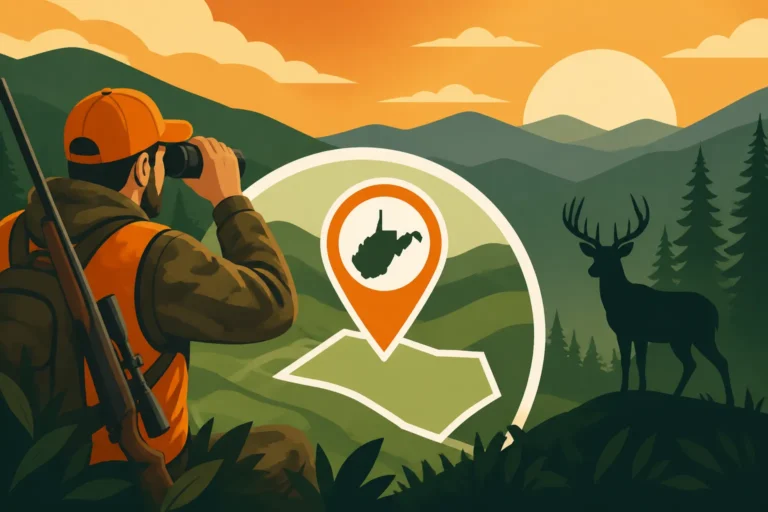
One of the best modern tools for this is a mapping application like onX Hunt. This app can overlay public and private land boundaries directly onto your phone, showing you exactly where you stand, literally. It's invaluable for ensuring you stay on public ground and avoid accidental trespass, which is a major concern when hunting fragmented parcels. You can mark potential access routes, pinpoint promising cover, and even see topographical changes that could influence game movement. For more on using digital tools to plan your hunt, check out Scouting West Virginia Public Land Before Season.
Beyond property lines, you'll need to be intimately familiar with the specific regulations for the area you plan to hunt. This includes understanding West Virginia Deer Season Structure Explained, West Virginia Spring Turkey Season Rules, and Squirrel and Small Game Hunting in West Virginia. Pay close attention to any WMA-specific rules that might differ from statewide regulations, such as restrictions on ATV use, camping, or even the types of weapons permitted. Many WMAs have bulletin boards at parking areas with these details, but it’s always best to check the WVDNR website or guidebook beforehand.
Key Public Hunting Areas to Explore
While Monongalia County itself might not be riddled with vast public tracts, the primary and most significant public hunting opportunity within its borders is the Pedlar Wildlife Management Area. This WMA provides a substantial piece of land managed specifically for wildlife and public recreation, including hunting. Knowing its features and how it's managed is crucial for anyone looking to hunt publicly in the county.
Beyond Pedlar, you'll find scattered smaller parcels or areas adjacent to Monongalia that might offer limited opportunities, though these often require more diligent research. It's important to remember that these lands are popular, and competition can be stiff, especially during opening weekends. Therefore, understanding the lay of the land, focusing on less-pressured areas, and being willing to walk a bit further than the average hunter can make all the difference.
Always remember that public lands are a shared resource. Respecting other hunters, keeping noise to a minimum, and leaving no trace are paramount to ensuring these areas remain open and enjoyable for everyone. Being a good steward of the land will only enhance your hunting experience and help preserve these vital resources for future generations of West Virginia hunters.
Pedlar Wildlife Management Area
Pedlar WMA is truly the crown jewel for public hunting access within Monongalia County. This expansive area offers a mix of mature hardwoods, reverting fields, and some pine stands, providing excellent habitat for deer, turkey, and various small game species. Its proximity to population centers means it can see pressure, but its size also allows for dedicated hunters to find solitude and productive hunting spots.
The WMA is characterized by rolling hills and hollows, typical of the region. Access is generally good, with several parking areas and internal roads, some of which may be gated for foot traffic only. These gated roads are often prime spots to start your deeper excursions, as they lead into areas that fewer hunters are willing to walk to. Habitat management efforts by the WVDNR, such as selective timber harvests or maintaining early successional growth, create excellent browse and cover, which in turn attract and hold game. Don't overlook these managed areas, as they're often designed to improve hunting opportunities.
Hunting success at Pedlar often comes down to scouting diligently before the season. Look for pinch points, old logging roads, and transitional zones where different habitat types meet. Deer often use these edges, and turkeys will travel along ridges and through open timber. Understanding the local food sources, like acorn crops, and how they relate to bedding and watering areas is also critical. Check out Hunting a Ridge-Top Saddle for Rutting Bucks or Reading West Virginia Mud for Fresh Deer Movement for more detailed scouting tips that apply well to Pedlar's terrain.
Other Accessible Public Lands and Considerations
While Pedlar WMA is the main attraction, Monongalia County might have a few other smaller public parcels, potentially under different state agencies, or even private lands enrolled in public access programs. These are often harder to pin down and might offer more limited hunting opportunities, but they can be great for those willing to do extra research and embrace the challenge. These smaller areas might also see less overall pressure, simply because they aren't as widely known or easy to access.
For example, sometimes state forest or park lands might have specific zones open to hunting. It's crucial to consult the WVDNR hunting regulations and often the specific park or forest management plan to identify these areas and their rules. Do not assume hunting is allowed; always verify. Even utility rights-of-way or pipeline clearings can sometimes offer legitimate public access or serve as game travel corridors if they fall within public boundaries. Again, verify all legal access before venturing out.
When considering any public land, be prepared for company. Popular areas, even in smaller counties, can draw hunters from nearby cities. Being flexible with your hunting times – perhaps focusing on weekdays instead of weekends, or hunting mid-day when others take a break – can help you encounter less pressure. And as always, having a robust mapping system like onX Hunt is essential. It helps you quickly identify ownership lines and navigate complex property boundaries, ensuring you don't inadvertently stray onto private property.
Strategic Approaches for Hunting Monongalia County Public Land
Hunting public land in Monongalia County requires a deliberate strategy. It's not about luck; it's about preparation, persistence, and understanding animal behavior in pressured environments. You need to think differently than if you were hunting vast, remote wilderness. This means focusing on details, utilizing technology, and being willing to work harder than the average hunter.
One of the biggest factors in public land success is getting away from the crowds. While it might sound obvious, many hunters stick to easy-access areas near parking lots or well-worn trails. The deer and turkeys that survive often learn to avoid these spots and seek refuge in thicker, harder-to-reach cover. This is where your physical fitness and willingness to push deeper into the woods really pay off. Consider bringing quality boots that can handle the varied terrain, especially if you're navigating Boots for West Virginia Hollows and Ridges.
Another critical aspect is being adaptable. Game patterns can change quickly due to hunting pressure, weather, or food availability. If your initial plan isn't yielding results, be prepared to move and try a different area or tactic. Maybe the deer aren't moving through that saddle during daylight hours anymore, but a thick laurel patch nearby has become a daytime bedding sanctuary. This ability to read the woods and adjust your approach is a hallmark of successful public land hunters.
Scouting and Planning for Success
Effective scouting is the bedrock of successful public land hunting in Monongalia County. This isn't a one-time activity; it's an ongoing process that begins long before opening day. Ideally, you should be out in the woods during the off-season, learning the terrain, identifying pinch points, and locating potential bedding and feeding areas. Look for old rub lines, recent scrapes, well-used game trails, and droppings – all tell-tale signs of deer and turkey activity.
Modern tools significantly enhance your scouting capabilities. Beyond onX Hunt for land boundaries, using topographic maps or the Using the Go Wild West Virginia Map Tool to understand elevation changes can reveal hidden benches, saddles, and hollows that funnel game. Aerial imagery can help identify different timber types, clearings, and potential food sources from above. This allows you to pinpoint promising areas to physically scout, saving you valuable time and effort. The more intimately you know the land, the better your chances of encountering game.
Consider the thermal advantages and disadvantages of different terrain features. On steep ridges, understanding how Wind and Thermals on a Steep Ridge affect scent dispersal is crucial, especially for bowhunting. Planning your entry and exit routes to avoid spooking game, particularly at dawn and dusk, can make or break your hunt. For example, if deer are bedding on a certain hillside, approach from downwind and downhill to keep your scent from drifting into their sanctuary.
Minimizing Pressure and Maximizing Opportunity
Public lands, by their very nature, mean sharing. But with strategic thinking, you can often find ground that sees fewer hunters and thus offers better opportunities. The key is to seek out areas that are harder to access, either by distance or by challenging terrain. Many hunters gravitate towards the easiest spots, leaving the deeper, tougher-to-reach areas less disturbed.
For instance, look for parcels of public land that are landlocked by private property, accessible only by a long walk-in, or require navigating steep, rugged terrain. While these areas demand more effort, they often reward you with a more natural hunting experience and less wary game. Thinking outside the box, like planning a long walk-in to reach an area far from any road, is a common tactic for Finding Ground That Sees Fewer Hunters. The farther you're willing to go, the less competition you'll generally find.
Furthermore, consider hunting during off-peak times. While opening day of deer season or the first week of turkey season are exciting, they also bring out the most hunters. Hunting mid-week, especially later in the season, can significantly reduce the pressure. During these times, game animals have often settled into new patterns, and fewer human disturbances mean they might be more apt to move during daylight hours. Patience, persistence, and a willingness to adapt your schedule can truly maximize your opportunities on Monongalia County's public lands.
| Public Hunting Area | Primary Game Species | Typical Terrain | Key Advantage | Common Challenge |
|---|---|---|---|---|
| Pedlar WMA | Deer, Turkey, Small Game | Rolling Hills, Mixed Hardwoods, Reverting Fields | Diverse Habitat, Managed for Wildlife | Moderate Hunting Pressure |
| General Public/State Lands | Deer, Turkey, Small Game | Varies widely, often fragmented or small | Potentially Less-Known Pockets | Limited Size, Access Can Be Tricky |
Disclaimer
This article is for general informational purposes only and does not constitute professional advice. Laws, prices and regulations vary by location and change over time. Consult a qualified professional for guidance on your specific situation.