Public Ground Near Parkersburg
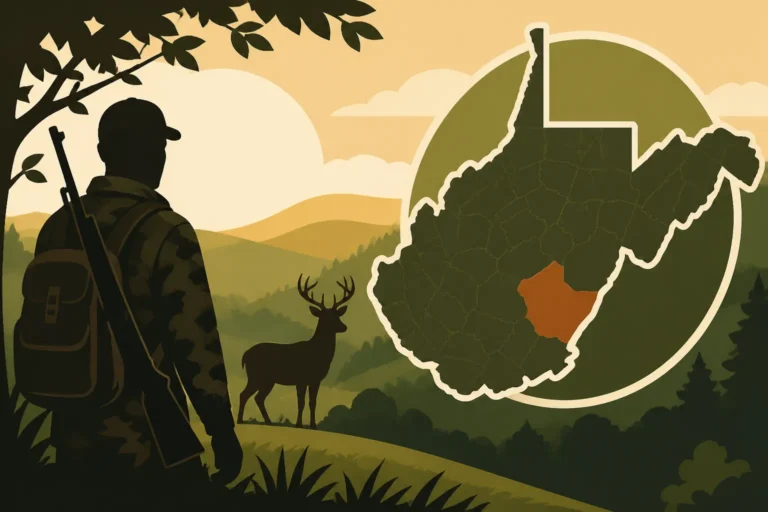
For anyone living in or around Parkersburg, finding accessible public hunting ground can sometimes feel like searching for a needle in a haystack. The rolling hills and river bottoms are beautiful, but between private land, suburban sprawl, and industrial areas, securing a spot to chase deer or turkeys often means a long drive. This guide is here to unravel the local landscape, highlight viable options, and share some hard-won strategies to help you find success closer to home.
The Challenge of Finding Public Hunting Land Near Parkersburg
Let's be honest, living in the Ohio River Valley, especially near a city like Parkersburg, presents a unique set of challenges for the public land hunter. We're not talking about endless stretches of Monongahela National Forest here, where you can walk for days and never see a road. Instead, it's a patchwork quilt of private holdings, smaller public parcels, and managed areas, all nestled against a significant waterway.
Understanding the Landscape Around Parkersburg
The immediate vicinity of Parkersburg, located in Wood County, is characterized by its proximity to the Ohio River. This means fertile river bottomland, often intensely farmed, giving way to steeper, timbered hills as you move away from the river itself. This landscape is a mix of urban and suburban development, especially stretching out towards Vienna and Williamstown, gradually transitioning into more rural areas with scattered farms and woodlots. The public land opportunities here are often smaller, more fragmented, and sometimes require a bit more digging to uncover. It's not like the vastness of the Potomac Highlands, where large tracts of public land are the norm. You're dealing with different terrain and different expectations.
For a hunter, this means that while deer and turkey populations can be quite healthy in these mixed-use areas, accessing them is the main hurdle. Many local residents hunt private land, often family farms or leased properties, which further limits the readily available "walk-in" public options. This creates a natural bottleneck, increasing pressure on the public spots that do exist. It's a reality we all face, and understanding it is the first step to navigating it successfully.
Common Frustrations for Hunters in Wood County
One of the biggest frustrations I hear from hunters near Parkersburg is the sheer lack of clearly marked or easily identifiable public land. You might drive past beautiful looking timber, only to find "No Trespassing" signs every fifty feet. Then there's the competition. When a public spot is well-known, it tends to get hit hard, especially during opening weekend. You might find a dozen trucks parked at a small WMA entrance, which can be disheartening when you're looking for solitude and unpressured game. It’s enough to make you consider just staying home.
Another frustration is the perception that quality hunting only exists hours away in the mountains. While places like the Cranberry Wildlife Management Area offer incredible backcountry experiences, it's not always practical for a day hunt or a quick evening sit after work. Hunters want to find good opportunities without having to burn half a tank of gas. It's about balancing convenience with the desire for a rewarding hunt, and that balance can be tough to strike in an area like Wood County. But don't give up hope; there are still possibilities if you know where to look and how to approach them.
Key Public Hunting Areas Within Reach of Parkersburg
While Wood County itself doesn't boast sprawling national forests, there are several public and semi-public hunting opportunities within a reasonable drive of Parkersburg. These often require a different approach than what you might be used to in larger, more remote areas.
Mountwood Park – A Local Gem with Nuances
Mountwood Park, located just southeast of Parkersburg in Wood County, is a prime example of a multi-use recreational area that also offers some unique hunting opportunities. It’s known for its extensive network of mountain biking trails, hiking, and camping, but a significant portion of the park, particularly the less developed or outer reaches, is open for archery hunting during the appropriate seasons. This isn't your typical rifle hunting ground due to the high recreational use and safety considerations, making it an ideal spot for those who prefer the quiet challenge of a bow hunt.
Regulations for hunting at Mountwood Park are specific and often entail special permits or registration beyond your standard state hunting license. They're typically designed to manage deer populations within the park boundaries and minimize conflicts with other users. Hunters should always check the official Mountwood Park website or contact park management directly for the most current rules, boundaries, and any special application periods. This is crucial for a successful and legal hunt. The game here is primarily white-tailed deer, and while they may be accustomed to human presence, they can still be incredibly wily, especially during archery season. Success often comes from finding those overlooked pockets away from the main trails and utilizing careful entry and exit strategies. Bowhunting West Virginia's Long Archery Season is a great resource to get in the right mindset for this type of hunting.
Ohio River Bottoms and Adjacent Public Parcels
The Ohio River itself, and its immediate surrounding floodplains, create some interesting hunting scenarios. While much of the prime river bottomland is private and often cultivated, there are occasional smaller public parcels, often managed by the state or local entities, which can offer waterfowl or even late-season deer opportunities. Think about small pockets of timber, brushy fencerows, or overgrown islands that might not be suitable for farming but provide excellent cover for game. These areas can be overlooked, precisely because they aren't obvious big game meccas.
Waterfowl hunters, in particular, might find scattered opportunities along the river. Ducks and geese utilize the river as a migration corridor, and where there are suitable resting or feeding areas, you might find some action. This often means scouting for public access points, looking for small sloughs or backwaters that are less accessible, and being prepared to hunt from a boat or waders. For deer, these bottomlands can hold big bucks, especially during the rut, as they travel between bedding areas and food sources. However, hunting these areas often means dealing with dense vegetation, varying water levels, and being mindful of river traffic and nearby residences. It's a different kind of hunting altogether than what you'd find in the mountains, but it can be incredibly rewarding for those willing to put in the effort.
Exploring Smaller WMAs and State Forests a Bit Further Out
Venturing a bit further from Parkersburg opens up more traditional public hunting ground, primarily in the form of Wildlife Management Areas (WMAs) and sometimes small state forests. While these might require a 30-minute to an hour's drive, they offer more expansive and dedicated hunting landscapes.
One notable example within a reasonable drive is Hughes River WMA in Ritchie and Wirt counties. This WMA encompasses thousands of acres of rugged, timbered hills, providing excellent habitat for deer, turkey, and small game like squirrel and grouse. It's the kind of place where you can stretch your legs and get away from some of the immediate city pressure. You'll find a mix of mature hardwoods, dense thickets, and some reclaimed land. Hunting here often involves navigating steep terrain and being prepared for longer walks, but the reward is a more traditional hunting experience. Reading Aerial Photos for Eastern Panhandle Deer can provide valuable insights into how to scout and interpret terrain, even though Hughes River is not in the Eastern Panhandle, the principles apply.
Other options, slightly further afield but still manageable for a day trip, might include portions of Pleasants Creek WMA or Conaway Run Lake WMA. These areas, while sometimes smaller, are actively managed for wildlife and provide opportunities for various game species. When considering these areas, it's always wise to check the West Virginia DNR website for detailed maps, rules, and any special regulations that might apply. These WMAs are often less impacted by urban encroachment and offer a more secluded hunting environment. Hunting Ohio River Valley Bottomland covers general strategies for regions like this.
Strategies for Success on Public Ground Near Parkersburg
Hunting public land, especially the smaller, more pressured parcels near population centers, demands a thoughtful and strategic approach. It's not just about showing up; it's about being smarter, more observant, and often more patient than the next hunter.
Leveraging Technology for Scouting and Navigation
In today's world, our smartphones are powerful tools that can transform how we approach public land hunting. Apps like onX Hunt have become indispensable for West Virginia hunters, especially when dealing with fragmented properties. With onX Hunt, you can instantly see property lines, landowner information (which is invaluable if you decide to try Knocking on Doors in Eastern Panhandle Farm Country for private land access, though less common directly in Wood County), and most importantly, identify public land boundaries with crystal clarity. This eliminates the uncertainty of "Am I on public land or private?" and allows you to focus on the hunt. You can drop pins on potential bedding areas, food sources, or access points, creating a detailed digital map of your hunting spot.
Similarly, resources like GoHunt can offer aerial imagery and mapping tools that allow you to virtually scout an area before ever stepping foot in it. You can identify natural funnels between hollows, analyze terrain features, locate thick cover, and plan your entry and exit routes—all from the comfort of your home. This pre-scouting saves valuable time and energy, directing you to the most promising areas rather than aimlessly wandering. Using these apps is like having a secret weapon, helping you understand the lay of the land, predict animal movement, and navigate confidently, even in unfamiliar terrain. Scouting With the WVDNR App is another great digital resource.
The Importance of Early Season Scouting and Adaptation
While technology gives you a fantastic head start, there's absolutely no substitute for boots-on-the-ground scouting. This is particularly true for public land near Parkersburg, where game patterns can be heavily influenced by human activity and smaller, diverse habitats. I always recommend getting out there well before the season opens, ideally during late summer or early fall. Look for fresh deer sign like rubs, scrapes, and trails. Pay close attention to what the deer are feeding on; are they hitting acorns, persimmons, or browsing on specific undergrowth? Food sources can change year to year, and understanding what's available is key. Hunting After a Poor Acorn Year will provide more details.
During your scouting trips, don't just look for deer; look for other hunters. Where are the obvious access points? Are there well-worn trails that scream "hunter highway"? Your goal should be to find those less obvious entry points and overlooked pockets of cover where deer might seek refuge from pressure. Adaptability is also crucial. If you show up on opening day and find your planned spot crowded, be prepared to shift gears and explore a different area. Have a backup plan, or even a third plan, because public land hunting often means reacting to what you find in the field, not just what you planned in advance.
Effective Tactics for Pressured Public Land Deer
Hunting deer on pressured public land, as you'll often find near Parkersburg, means you have to be smarter than the average hunter and smarter than the deer. These animals quickly learn to avoid areas with high human activity.
- Go Deeper or Wider: Most hunters stick close to roads or well-worn trails. The deer know this. Be willing to walk further than most, or navigate more difficult terrain, like steep hollows or dense laurel thickets, to reach areas that see less pressure. Even a few hundred yards off the beaten path can make a world of difference. Hunting a Funnel Between Two Hollows can be particularly effective in these scenarios.
- Focus on Entry and Exit: Your approach to and from your stand or hunting location is paramount. Deer will pattern hunters just as much as hunters try to pattern deer. Use natural cover, terrain features, and wind direction to conceal your presence. Avoid busting deer on your way in or out, which will alert every animal in the vicinity.
- Hunt the "Pinch Points" and Cover: Look for natural funnels – places where topography or thick cover naturally constricts deer movement. This could be a saddle between two ridges, a narrow strip of timber connecting two larger woodlots, or the edge of a dense thicket bordering an open area. These are prime ambush points. Remember, deer on pressured land often bed in the nastiest, thickest cover they can find and will only move during low-light hours or when they feel secure. Hanging a Stand on a Steep Allegheny Ridge offers relevant tips, even for less extreme terrain.
- Adjust Your Timing: Consider hunting during weekdays if possible, when pressure is typically lower. The late season, after the initial rush, can also be productive as deer are often focused on the limited food sources and fewer hunters are in the woods. Hunting the Late-Season December Lull is a good time to pursue this.
| Public Area Name | Approximate Distance from Parkersburg (Miles) | Primary Game Species | Key Characteristics |
|---|---|---|---|
| Mountwood Park | 10-15 | Deer (Archery Only), Small Game | Multi-use, specific park regulations, often pressured in accessible areas. |
| Hughes River WMA | 30-40 | Deer, Turkey, Small Game, Grouse | Larger, rugged, timbered hills, more traditional WMA hunting. |
| Pleasants Creek WMA | 25-35 | Deer, Turkey, Small Game | Smaller, varied terrain, good for day trips. |
| Conaway Run Lake WMA | 40-50 | Deer, Turkey, Waterfowl, Small Game | Diverse habitats, focus on lake/wetland areas for waterfowl. |
Regulations, Ethics, and Community Considerations
Hunting on public land, especially in a more populated area, requires not just good strategy but also a strong understanding of regulations, ethical behavior, and being a good neighbor to both fellow hunters and non-hunters.
Navigating West Virginia Public Land Rules
West Virginia's hunting regulations are comprehensive, and it's your responsibility as a hunter to know them inside and out. For public lands, there are often specific rules that go beyond statewide regulations. For instance, some WMAs might have different rules regarding vehicle access, camping, or the use of specific equipment like ATVs. Vehicle Rules on West Virginia Public Land or Treestand Rules on West Virginia Public Land are important to understand. Always check the West Virginia Division of Natural Resources (WVDNR) website for the specific WMA or public area you intend to hunt. Look for detailed maps and PDF documents outlining all regulations.
Beyond the specific WMA rules, you must adhere to all state laws concerning hunting licenses, stamps, bag limits, shooting hours, and weapon restrictions. West Virginia Hunting Licenses and What They Cost is the first step. Remember that even on public land, there are safety zones around dwellings and other structures where discharging a firearm or bow is prohibited. Being aware of these buffer zones is paramount, especially when hunting close to populated areas near Parkersburg. Ignorance of the law is never an excuse, and a single mistake can jeopardize your hunting privileges and reputation.
Respecting the Resource and Fellow Hunters
Ethical hunting isn't just about following the law; it's about respecting the animals, the land, and other people who share the outdoors. On public land near Parkersburg, this often means managing your expectations regarding solitude and being extra considerate.
- Be a Good Neighbor: You will likely encounter other hunters, hikers, birdwatchers, and mountain bikers. Be courteous, share the space, and avoid any actions that could disrupt their experience or create conflict. A friendly wave or a polite "good morning" goes a long way. This is particularly important at Mountwood Park, where multiple user groups share the same trails.
- Leave No Trace: Pack out everything you pack in, and then some. Pick up any trash you find, even if it's not yours. This includes spent shell casings, broadhead packaging, and food wrappers. Leaving an area cleaner than you found it helps ensure continued access for everyone. This also applies to things like Trail Camera Rules on West Virginia Public Land; if you use them, be sure to remove them.
- Practice Ethical Shot Placement: Make clean, humane kills. If you wound an animal, do everything in your power to recover it. This demonstrates respect for the game you pursue.
- Manage Pressure: If you arrive at a public access point and see multiple vehicles, consider moving to another spot. Over-pressuring a small area not only reduces your chances of success but also pushes deer into nocturnal patterns or off the property entirely, making it harder for everyone to hunt. Spreading out and finding less obvious entry points is key to Finding Ground Others Walk Past.
By embracing these principles, we ensure that public hunting remains a viable and respected activity for generations to come, especially in areas where access is already at a premium.
Disclaimer
This article is for general informational purposes only and does not constitute professional advice. Laws, prices and regulations vary by location and change over time. Consult a qualified professional for guidance on your specific situation.