Barbour County Public Hunting Access
Finding reliable public hunting access in West Virginia can often feel like piecing together a complex puzzle, especially in counties where vast national forests aren't the dominant feature. Many hunters in Barbour County face the challenge of identifying accessible public lands and understanding their unique characteristics. This guide is here to untangle that complexity, providing a comprehensive look at your public hunting options in Barbour County, how to access them, and what to expect when you're out there.
Exploring Public Hunting Opportunities in Barbour County
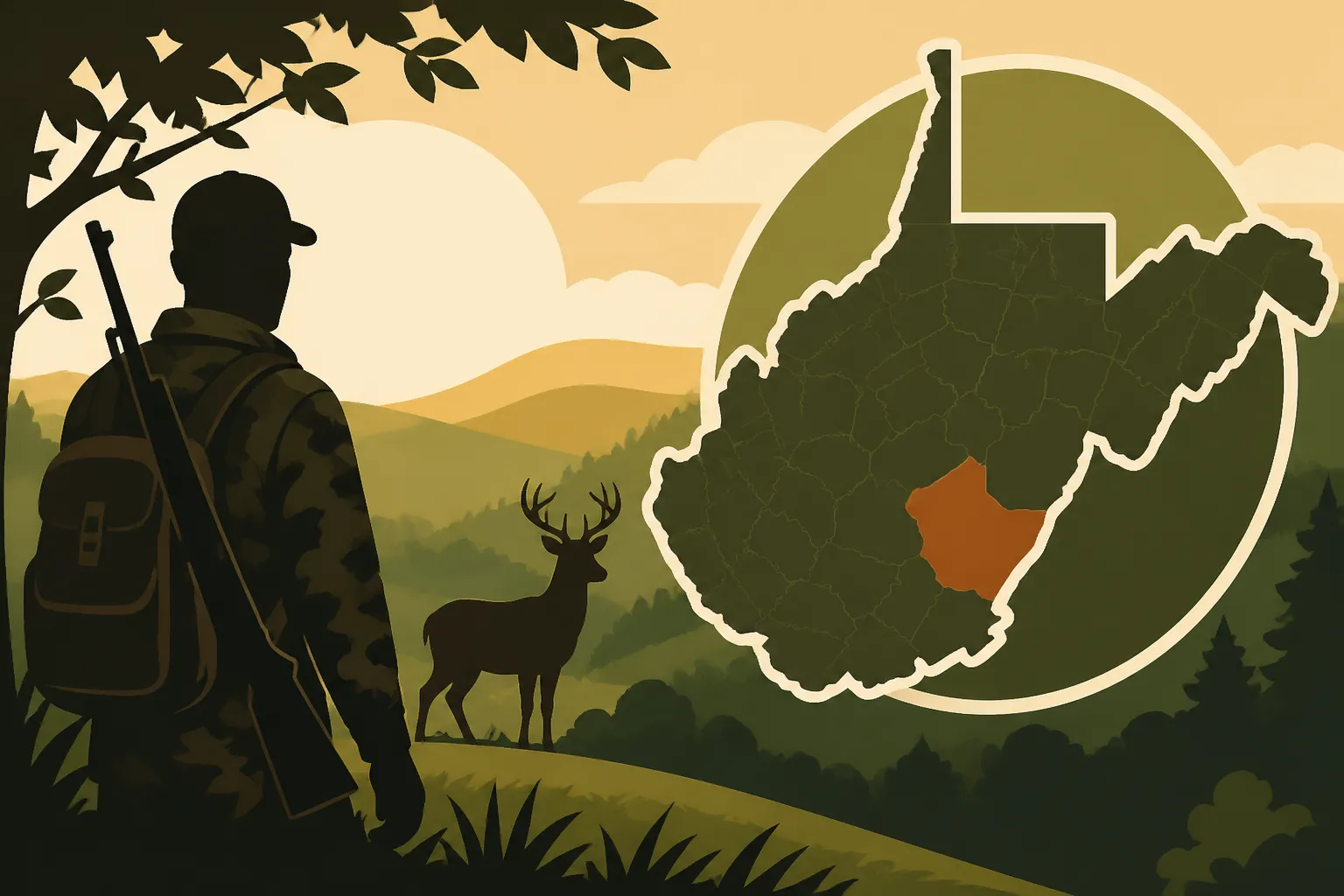
Barbour County, nestled in the north-central part of West Virginia, offers a different flavor of public land hunting compared to the sprawling, high-elevation wilderness found elsewhere in the state. While you won't find the immense tracts of unbroken forest characteristic of the deepest Allegheny Highlands, Barbour County does provide valuable hunting opportunities through a combination of wildlife management areas and scattered national forest lands. It often requires a bit more intentional research and local knowledge to uncover these gems, but the reward can be less pressured game and a more intimate hunting experience.
These public lands in Barbour County are typically characterized by rolling hills, mixed hardwood forests, and often a patchwork of timber types, ranging from mature hardwoods to younger, thicker clear-cuts. The terrain can still be steep in places, especially along river drainages and creek bottoms, but generally, it's more accessible than some of the rugged mountainous regions. This mix of habitat provides excellent cover and food sources for deer, turkey, and various small game species. Understanding these general characteristics is your first step to planning a successful hunt.
One of the beauties of hunting in Barbour County is the potential for variety. You might find yourself still-hunting a timbered ridge line in the morning, then shifting to a brushy creek bottom in the afternoon in pursuit of squirrels or rabbits. It’s not always about expansive, endless woods; sometimes it’s about finding those smaller, overlooked pockets that hold game. The key is adapting your expectations and tactics to the specific environment you encounter, which often means being more flexible and observant than you might be in a larger, contiguous block of public land.
Specific Public Lands for Hunters in Barbour County
While Barbour County isn't home to a single massive public hunting area, it does host several important tracts that provide valuable access. These areas are managed with wildlife in mind and offer a range of hunting experiences. Hunters need to be diligent in identifying their boundaries, as public and private lands can often be intermingled.
Audra State Park Hunting Opportunities
Audra State Park, located in southwestern Barbour County, is primarily known for its beautiful recreation areas along the Middle Fork River. However, like some other West Virginia State Parks, specific hunting opportunities can exist within designated portions of the park. It's crucial not to assume open hunting throughout the entire park, as many areas are reserved for passive recreation, camping, or day use.
Hunting in state parks like Audra often operates under specific, sometimes limited, regulations. This might include special permit requirements, restricted seasons, or designated hunting zones to ensure visitor safety and manage wildlife populations effectively. Before planning a hunt here, always check the latest West Virginia Division of Natural Resources (WVDNR) regulations or contact the park office directly to confirm which areas, if any, are open for hunting and what the specific rules entail. Failing to do so could lead to an unpleasant surprise or even a citation, which no one wants on a peaceful day afield.
Even if only certain sections are open, these areas can be surprisingly productive. The habitat within and around Audra State Park, with its river bottomlands, mature timber, and varying elevations, creates excellent conditions for deer and turkey. If you find huntable acreage, focusing on transition zones between different habitat types or areas less frequented by non-hunting park users can yield good results. Remember, hunting in proximity to recreational areas demands an even higher degree of safety consciousness and respect for all park users.
Tygart Lake Wildlife Management Area (WMA) Sections
Portions of the expansive Tygart Lake Wildlife Management Area extend into Barbour County, particularly around the lake itself and its feeder streams. WMAs are explicitly managed for wildlife and public hunting, making them prime targets for hunters seeking access. These tracts can range from densely wooded hillsides to more open areas, often influenced by the management strategies of the WVDNR.
Hunting in the WMA sections of Barbour County often means dealing with varied terrain, from the steep banks leading down to the lake to more gentle slopes further inland. Waterfowl hunting can be a possibility on Tygart Lake itself or its backwaters, while the surrounding timbered hillsides provide excellent habitat for deer, turkey, and small game. These areas are designed for hunters, but that also means they might experience more pressure during peak seasons.
Successfully hunting these WMA sections requires careful scouting and a good understanding of game movement patterns. Look for natural funnels, pinch points, and areas with preferred food sources. The WVDNR often undertakes habitat improvement projects within WMAs, such as timber stand improvements or planting food plots, which can concentrate game. Keeping an eye on these activities, perhaps through Scouting West Virginia Public Land Before Season, can give you a significant advantage.
Scattered National Forest Lands
While Barbour County isn't predominantly within the Monongahela National Forest, some smaller, isolated tracts of national forest land may be found, particularly in the eastern parts of the county bordering areas like Randolph County. These tracts offer a distinct hunting experience, often with a more rugged feel and less intensive management than WMAs.
Hunting national forest lands typically means larger, unbroken stretches of timber, often with fewer roads and trails, making them ideal for hunters who enjoy deep woods experiences. The terrain can be challenging, but it often translates to less hunting pressure the further you're willing to walk. These areas are excellent for White-Tailed Deer Across West Virginia and Wild Turkeys in West Virginia, especially if you can find areas with diverse mast production or good cover.
Always verify the exact boundaries of national forest land, as they can sometimes be surrounded by private property. Utilizing tools like onX Hunt can be invaluable here, as they clearly delineate property lines and land ownership, helping you avoid accidental trespass. Focusing on remote benches, ridgeline saddles, or dense laurel thickets can be productive, as these areas often provide sanctuary for older, wiser game animals that shy away from more accessible spots. Hunting Steep Allegheny Ridges offers principles that apply to these areas, even if the scale isn't quite as grand as the highest Alleghenies.
Essential Tools and Regulations for Barbour County Access
Hunting public land in West Virginia, especially in a county like Barbour with its varied and sometimes fragmented access, requires more than just a rifle or a bow. You need the right tools to navigate, understand the rules, and ensure you're hunting legally and ethically. Modern technology has made this significantly easier, but nothing replaces good old-fashioned preparedness and an understanding of the local regulations.
Navigating Public and Private Boundaries
One of the biggest headaches for hunters in West Virginia is knowing exactly where public land ends and private property begins. This is especially true in counties like Barbour where public land can be scattered or interspersed with private tracts. Accidentally trespassing is not only illegal but can damage the reputation of all hunters. This is where modern mapping applications become an absolute game-changer.
Tools like onX Hunt and GoHunt are indispensable for public land hunters. These apps overlay property ownership data onto detailed topographical maps, allowing you to see public land boundaries, private parcels, and even landowner names right on your phone or GPS device. This functionality helps you confidently navigate, ensuring you stay on public ground while also being aware of any adjacent private land. Imagine being deep in the woods, tracking a deer, and being able to instantly verify that you're not about to cross onto a posted property – it's peace of mind that's worth its weight in gold. Always make sure to download offline maps before heading out, as cell service can be spotty in many West Virginia hunting areas.
Beyond digital maps, traditional methods still hold value. Look for official public land boundary markers – typically painted trees, signs, or boundary wires. Familiarize yourself with the visual cues that distinguish public land, though these can sometimes be faded or missing. If you're ever in doubt, it's always best to err on the side of caution and retreat rather than risk trespassing. Remember, respecting private property is key to maintaining good landowner relations and preserving hunting access for everyone.
Understanding Local and State Regulations
Before stepping foot into Barbour County's public lands, a thorough understanding of current hunting regulations is non-negotiable. West Virginia's hunting laws can have county-specific nuances, especially regarding antlerless deer seasons, Sunday hunting, or chronic wasting disease (CWD) zones. While Barbour County might not be heavily impacted by CWD as some eastern panhandle counties, it's always wise to check the latest WVDNR regulations.
You'll need a valid West Virginia Hunting Licenses and What They Cost and any necessary stamps for the game you intend to pursue, such as deer or turkey stamps. Additionally, always carry your license and identification with you. West Virginia also has specific West Virginia Blaze Orange Requirements during firearm seasons, and while archery season typically has different rules, it's often a good practice to wear orange when walking in or out, especially during overlapping seasons.
| Regulation Category | Key Considerations for Barbour County Hunters |
|---|---|
| Hunting License | Ensure you have a current West Virginia hunting license and all required stamps (deer, bear, turkey, etc.). Non-residents will need specific licenses. |
| Season Dates & Bag Limits | Always consult the current WVDNR hunting regulations summary for season opening and closing dates, as well as daily and seasonal bag limits for deer, turkey, bear, and small game. Pay attention to any county-specific regulations, especially for antlerless deer. |
| Weapon Restrictions | Be aware of legal weapon types for specific seasons (e.g., archery, muzzleloader, rifle, shotgun). Check minimum caliber requirements for rifles or shotgun gauge restrictions for specific game. |
| Blaze Orange/Pink | Mandatory blaze orange or blaze pink requirements during firearm seasons for all hunters, including archery hunters during overlapping periods. Verify minimum square inches required. |
| Public Land Rules | WMAs and National Forests may have specific rules regarding camping, vehicle access, ATV use, trail cameras, and permanent treestand placement. Always check WMA-specific rules or Forest Service guidelines. Treestand Rules on West Virginia Public Land and Trail Camera Rules on West Virginia Public Land are crucial to know. |
| Deer Reporting | All legally harvested deer, bear, and turkey must be checked in online or via phone/app within a specified timeframe. Understand the West Virginia Deer Reporting Requirements. |
| CWD Zones | While Barbour County isn't currently a primary CWD zone, stay informed about any changes. If it becomes one, carcass movement restrictions and mandatory testing might apply. |
Always take the time to read the latest WVDNR hunting and trapping regulations summary, available on their website. It's the definitive source of information and changes can occur year to year. Ignorance of the law is never an excuse, and staying informed is part of being a responsible hunter.
Tactics for Success on Barbour County Public Land
Hunting Barbour County's public lands means adapting your approach to fit the local landscape. The terrain, game density, and hunting pressure will all influence your strategy. Whether you're chasing a mature buck or calling in a spring gobbler, a thoughtful approach will increase your odds of success.
Effective Scouting and Locating Game
The rolling hills and mixed forests of Barbour County mean that game movement can be influenced by subtle terrain features. Pre-season scouting is paramount, whether in person or by using topographical maps and aerial imagery. Look for features that funnel deer movement, such as saddles between two ridges, creek bottoms that act as travel corridors, or points of land that protrude into thick cover.
During scouting, keep an eye out for fresh sign: rubs, scrapes, and most importantly, deer tracks and droppings. Reading West Virginia Mud for Fresh Deer Movement can tell you a lot about recent activity. Don't overlook old logging roads or faint trails; these are often highways for game, especially during the rut. In oak-heavy areas, locate stands of mature oaks that are producing acorns – these will be natural magnets for deer and turkey during the fall. If you're scouting for turkeys in spring, identifying potential roosting areas along creek beds or on higher ridges with mature trees is a critical first step.
Understanding prevailing winds and thermals is also crucial in Barbour County's varied topography. In the morning, thermals tend to rise, carrying your scent uphill, while in the evening, they typically fall, carrying your scent downhill. Planning your approach and stand placement to account for these shifts can be the difference between seeing game and spooking it. A well-placed Treestand Setups in Monongahela National Forest or Using a Ground Blind on West Virginia Public Land that considers wind direction and game approach angles will significantly improve your chances.
Adapting Hunting Strategies to the Terrain
Given the generally less extreme terrain in Barbour County compared to other parts of West Virginia, hunters have a bit more flexibility in their methods. Still-hunting can be incredibly effective here. This involves moving slowly and deliberately through the woods, pausing frequently to glass ahead and listen for subtle sounds. The mixed hardwoods provide decent visibility in many areas, allowing for this stealthy approach, particularly when covering ground between known feeding and bedding areas.
During the firearm seasons, especially during West Virginia's Buck Gun Season, deer drives can also be a viable tactic on some of the larger public land tracts or even smaller, more manageable woodlots. With a small group of hunters, you can strategically push a hollow or a point of land towards standers, moving deer that might be holed up in thick cover. Coordination and safety are key, and everyone must be aware of their shooting lanes and the location of other hunters.
For turkey hunting, whether it's Spring Turkey Hunting in West Virginia or Hunting West Virginia's Fall Turkey Splits, Barbour County offers classic run-and-gun opportunities. Locate birds by listening for gobblers on the roost in the spring, or by using locator calls in the fall, then move in carefully to set up and call. The varied terrain and timber types provide ample cover for approaching and setting up on wary birds. Patience and persistence, coupled with an understanding of turkey behavior in these types of woods, will serve you well.
Managing Your Harvest and Post-Hunt Considerations
Bringing an animal down is just one part of the hunting journey. What happens next is equally important, especially when hunting on public land in West Virginia. Proper game care and adherence to reporting requirements are crucial for legal compliance and ensuring the quality of your harvest.
Game Recovery and Processing
Once you've made a successful shot, the immediate priority is to safely and efficiently recover your animal. This can sometimes be a challenge in Barbour County's rolling hills and dense undergrowth. Take your time to locate the animal, marking the last point of contact and the direction of travel. If tracking into nightfall, a good headlamp is essential. Always have a plan for how you will get the animal out of the woods, especially if you're hunting alone. Whether it's dragging, using a game cart, or a frame pack for quartering, choose a method that suits the terrain and your physical capabilities.
Field dressing your animal quickly and cleanly is vital, particularly during warmer early season hunts to prevent meat spoilage. Carrying a sharp knife, gloves, and perhaps some game bags can make this process much easier. If temperatures are mild, cooling the meat as quickly as possible is paramount. For late-season hunts, Field Dressing a Deer in Cold Weather allows for more time, but swift action is still best.
Remember, after the animal is recovered and processed, all required information must be reported to the West Virginia Division of Natural Resources. This includes reporting your deer, bear, or turkey harvest within the specified timeframe. This data is critical for wildlife managers to monitor populations and set future seasons. The WVDNR provides online and phone options, and often a mobile app, for quick and easy reporting.
Respecting the Resource and Other Users
Hunting on public land is a privilege, and it comes with the responsibility of being a good steward of the resource and a respectful user of shared spaces. This means leaving no trace, packing out everything you pack in, and being mindful of other hunters, hikers, and recreationalists who may be using the same areas.
During firearm seasons, especially, bright How Much Blaze Orange West Virginia Requires is not just a legal requirement but a common courtesy to ensure visibility and safety for everyone in the woods. Always be aware of your surroundings, know your target and what's beyond it, and unload firearms when crossing fences or encountering other people. Sharing the woods respectfully ensures that public lands remain open and enjoyable for all.
Furthermore, consider giving back to the hunting community. Supporting conservation organizations, participating in habitat improvement projects, or mentoring new hunters are all ways to contribute to the future of hunting. Public hunting access in Barbour County, while perhaps not as extensive as in other areas, is a valuable resource that thrives when hunters are responsible, ethical, and engaged.
Disclaimer
This article is for general informational purposes only and does not constitute professional advice. Laws, prices and regulations vary by location and change over time. Consult a qualified professional for guidance on your specific situation.