Which West Virginia Counties Have the Most Hogs
For West Virginia hunters, the growing presence of feral hogs can feel like a double-edged sword. On one hand, they're an invasive species causing serious damage to agriculture and native wildlife habitats; on the other, they present a challenging, year-round hunting opportunity. It’s natural to wonder where these destructive, yet intriguing, animals are most concentrated to maximize your efforts or understand local impacts. This guide will dive into the specific West Virginia counties where feral hog populations are most prevalent, helping you understand their spread and how you can get involved in their management.
Understanding West Virginia's Feral Hog Challenge
Feral hogs aren't just another game animal in West Virginia; they're an ecological and agricultural threat. These incredibly intelligent and prolific animals wreak havoc on crops, forest undergrowth, and the delicate ecosystems that support our native wildlife. For anyone who spends time in the woods, the signs of their presence – rooted-up ground, wallows, and rubs – are unmistakable and often disheartening. Understanding where they are most concentrated is the first step in addressing the problem, whether you're a landowner trying to protect your fields or a hunter looking to contribute to their control.
The Spread of Feral Swine Across the Landscape
West Virginia's rugged terrain and dense forests, while beautiful, also provide ideal cover for feral hogs to thrive and expand their range. These aren't wild animals that naturally belong here; they are domestic pigs that have escaped captivity or been intentionally released, and they've adapted incredibly well to life in the wild. Their ability to reproduce at an alarming rate – a sow can have multiple litters of piglets per year – means that a small group can explode into a significant population in just a few seasons. This rapid proliferation is a major reason why their presence has become such a concern, leading to discussions about How Wild Hogs Spread Across West Virginia. They're opportunistic eaters, consuming everything from acorns and roots to small animals and agricultural crops, which directly impacts the food sources for deer, bear, and turkey.
Why Knowing Hotspots Matters for Hunters
For dedicated hunters, understanding where feral hogs are most prevalent isn't just about curiosity; it's about strategy and responsibility. If you're looking to help control these populations, heading to a county known for high hog numbers significantly increases your chances of success. It means you're focusing your efforts where they'll have the most impact on reducing crop damage and habitat destruction, a problem highlighted by the constant challenges of Crop Damage Hogs Cause in West Virginia. Conversely, if you're primarily hunting other species, knowing where hogs are active can inform your scouting and stand placement, as their presence can alter deer movement patterns and disturb turkey foraging areas. It's about being an informed and effective participant in managing our state's wildlife resources.
Identifying the Top Feral Hog Counties
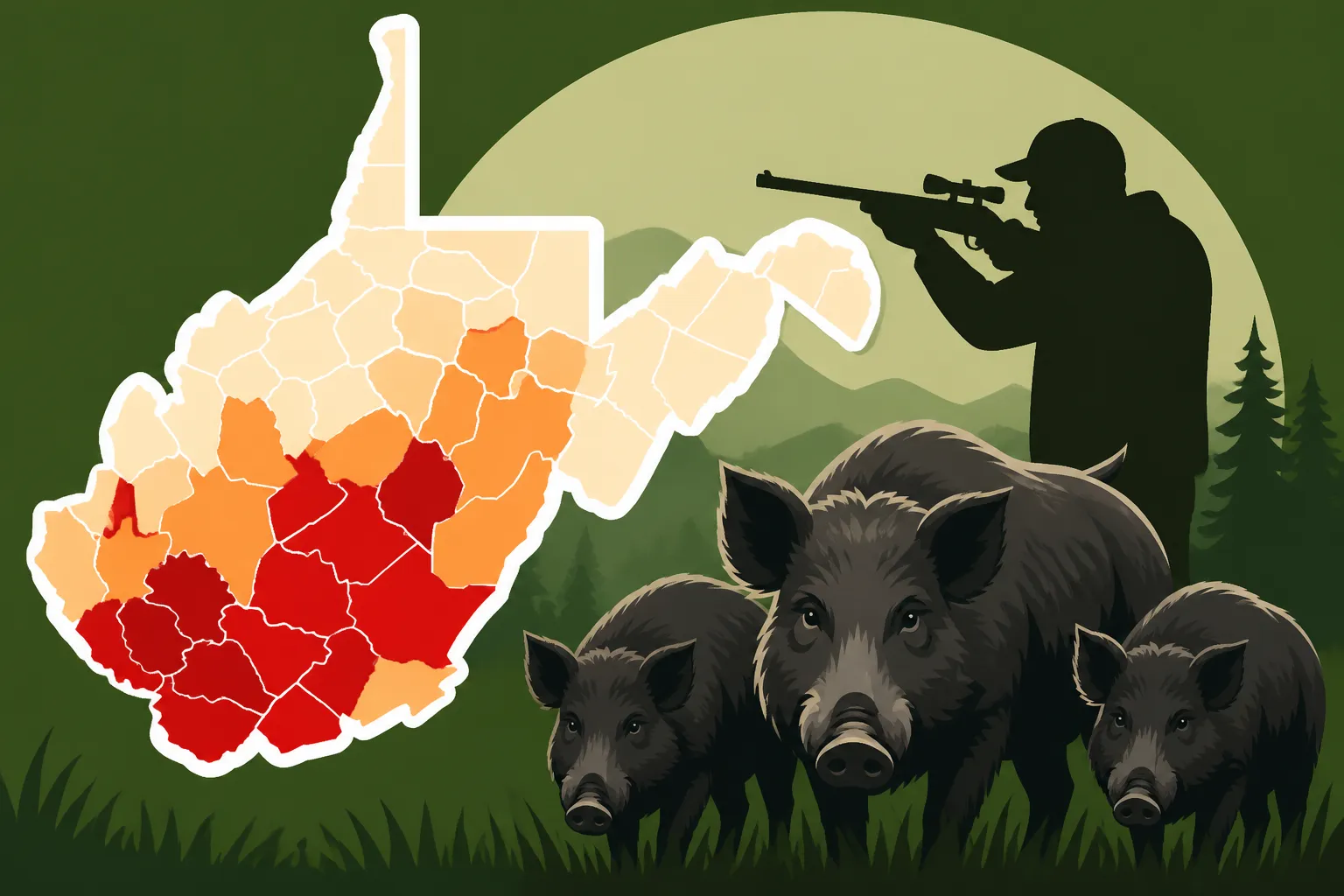
While feral hogs can pop up almost anywhere in West Virginia, especially given their nomadic tendencies and the occasional illegal release, there are definitely areas where they've become more established. These are the counties where sustained hunting and trapping efforts are most critical, and where you, as a hunter, are most likely to encounter them. The rugged, often remote, landscapes of our southern counties have historically been ground zero, but their range is certainly not limited to just those areas anymore.
Here's a breakdown of counties with significant feral hog activity:
| Region | Primary Counties | Key Characteristics of Hog Activity | Hunting Implications |
|---|---|---|---|
| Southern Coalfields | Logan, Mingo, Wyoming, McDowell | Highest established populations, dense forests, abandoned mine lands, river bottoms, widespread rooting | Excellent opportunity for year-round hunting, especially still-hunting and trapping. |
| Southwestern Hills | Boone, Lincoln, Wayne, Cabell | Expanding populations from southern coalfields, often found in creek bottoms and agricultural fringes | Growing opportunities, potentially less pressured hogs, good for scouting. |
| Mid-Ohio Valley | Mason, Putnam, Jackson | More scattered, but can be concentrated near river systems and farmland, often linked to agriculture | Focus on private land with permission, field edges, and creek systems. |
| Southeastern Mountains | Fayette, Raleigh, Greenbrier (sporadic) | Less common, but emerging populations in remote valleys and steeper terrain, usually transient | Target areas with recent sightings, potentially new colonizations. |
Southern West Virginia: The Epicenter of Hog Activity
When we talk about the highest concentrations of feral hogs in West Virginia, our minds immediately turn to the southern coalfields. Counties like Logan, Mingo, Wyoming, and McDowell have long been identified as major hotspots. These areas, characterized by their steep, heavily forested mountainsides, deep hollows, and former mine lands, provide exactly the kind of dense cover and diverse food sources that hogs need to thrive. The vastness of these landscapes, coupled with historical factors related to their spread, has allowed hog populations to grow unchecked in many remote sections. It's in these regions that hunters report the most frequent sightings and evidence of rooting, making them prime targets if you're looking to engage in Hunting West Virginia's Year-Round Feral Hogs. The river bottoms and creek drainages within these counties act as natural travel corridors, and you'll often find extensive rooting damage along these fertile, moist areas. This also means these areas are where you'll find the most consistent Feral Swine Sightings in Southern West Virginia.
Emerging and Scattered Populations
While the southern counties represent the core of West Virginia's feral hog problem, these animals are far too mobile and adaptable to stay put. We've seen their presence become more widespread, with reports and evidence emerging in other parts of the state. Counties in the southwestern hills, such as Boone, Lincoln, Wayne, and Cabell, are experiencing increased activity as hogs push northward along river systems and across agricultural lands. Even areas further east, like parts of Fayette, Raleigh, and Greenbrier, have reported sporadic but concerning sightings, often in more remote, rugged valleys or in conjunction with adjacent private lands.
These scattered populations often originate from a few sources: individuals moving from established southern herds, or unfortunately, illegal releases by those who misunderstand the severe ecological damage these animals cause. Finding these smaller, newer pockets requires diligent scouting, but the hunting opportunities can be excellent for hunters who are willing to put in the work. Using tools like GoHunt's mapping features can help you identify areas with dense cover and water sources that might attract transient hogs, even in counties not traditionally known as "hotspots." These emerging populations underscore the importance of understanding How Many Feral Hogs West Virginia Has across the entire state, not just in their most established territories.
Practical Strategies for Hunting Hogs in These Counties
Hunting feral hogs is a unique challenge, often requiring different tactics than deer or turkey. Because they're not a native species and can reproduce so rapidly, West Virginia has a very liberal approach to hog hunting. On private land, there's generally a year-round open season and no bag limit, making it a great opportunity to make a real impact. This freedom, however, means you need to be strategic about how you approach these smart and often nocturnal animals. Your success will hinge on careful scouting, adapting your methods, and understanding their habits in the local terrain.
Scouting for Hog Sign in High-Pressure Areas
When you're hunting in a county known for high hog populations, your scouting needs to be intense and focused. Hogs leave behind a lot of tell-tale signs, and learning to read them is crucial. Look for extensive rooting, which looks like a plowed field, where they've dug up the soil searching for roots, tubers, and invertebrates. Pay close attention to wallows – muddy depressions where hogs cool off and rid themselves of parasites. You'll often find these near water sources. Rubs, where hogs scratch themselves against trees or fence posts, especially on pines or hardwoods, are another clear indicator. Their tracks are also distinct, often rounder and wider than a deer's, with splayed toes.
Using modern tools can really boost your scouting game. Satellite imagery and topographic maps are invaluable for identifying potential hog habitat, such as dense thickets, creek bottoms, and abandoned fields. Services like GoHunt allow you to layer different map types, helping you pinpoint these areas from the comfort of your home. Before you even set foot in the woods, you can use these resources to mark potential hot zones. Then, once on the ground, focus your efforts on these marked areas, looking for the fresh sign that indicates active hog use. This meticulous approach is key to success, especially for understanding West Virginia Feral Hog Diet and Rooting Damage which informs where they will likely be found.
Effective Hunting Methods for West Virginia Feral Hogs
Hunting feral hogs can take many forms, and the most effective method often depends on the specific terrain, time of year, and whether you're on public or private land.
- Spot and Stalk: In areas with good visibility, particularly in late fall or winter when leaf cover is down, spot and stalk can be effective. Hogs often move in groups, called sounders, so if you spot one, there are likely more. This method requires stealth and patience.
- Still-Hunting: Similar to deer hunting, quietly moving through areas with fresh hog sign can yield results. Focus on creek bottoms, dense laurel thickets, and oak ridges where acorns are prevalent. This method works well when trying to intercept hogs moving between bedding and feeding areas.
- Stand Hunting: Setting up in a treestand or ground blind near active rooting, wallows, or trails leading to food sources is a classic approach. Hogs can be unpredictable in their movements, so a well-placed stand in a high-traffic area gives you an advantage. This is particularly effective near agricultural fields where they feed at night.
- Trapping: For landowners or those with extensive permission, trapping is often the most effective method for reducing large numbers of hogs. Large panel traps or corral traps can capture entire sounders, making a significant dent in local populations. This requires a specific setup and understanding of hog behavior, as detailed in Trapping West Virginia Feral Hogs.
- Night Hunting: On private land, night hunting for feral hogs with lights is legal in West Virginia under specific conditions, and it can be incredibly effective as hogs are often nocturnal. Thermal or night vision optics can be a game-changer for this method. Always verify local regulations and secure landowner permission if you're considering Night Hunting Hogs With Lights on Private Land. This method really taps into their nocturnal nature and helps address the problem quickly.
Remember, for year-round hog hunting on private land, you don't need a special permit beyond your regular hunting license, making it incredibly accessible for those wanting to help manage their numbers.
Contributing to Feral Hog Management Efforts
Hunting feral hogs is more than just recreation; it's an important act of conservation and land stewardship in West Virginia. Every hog removed from the ecosystem helps to protect native wildlife, safeguard agricultural interests, and preserve the natural beauty of our state. By participating responsibly, you become a vital part of the ongoing effort to manage this invasive species. Your actions in the field directly contribute to the larger picture of wildlife management.
Reporting Sightings and Harvests
One of the most valuable contributions you can make as a hunter, beyond actually harvesting hogs, is to meticulously report any sightings and harvests to the West Virginia Division of Natural Resources (WVDNR). Wildlife agencies rely on this data to track the spread of feral swine, identify new hotspots, and assess the effectiveness of management strategies. Whether you see a sounder while deer hunting or successfully harvest a hog, taking the time to report it provides critical information that helps the WVDNR understand West Virginia Feral Hog Regulations and tailor their efforts. This information is key to understanding the overall population dynamics and planning future responses. Don't underestimate the power of your observations!
Ethical Considerations and Carcass Disposal
As responsible hunters, we must always uphold the highest ethical standards, especially when dealing with an invasive species like feral hogs. This includes ensuring humane shots and making every effort to recover any animal you shoot. Beyond the hunt itself, proper carcass disposal is absolutely critical to prevent the further spread of disease or the attraction of other undesirable wildlife. Never dispose of hog carcasses in a way that could facilitate their spread or introduce pathogens into new areas. Follow any WVDNR guidelines for carcass disposal, which often include burying them deeply or taking them to approved facilities. This responsible approach is vital to prevent unintended consequences and supports the broader goals of Feral Hogs Across West Virginia management, ensuring that our efforts to control them don't inadvertently create new problems.
Disclaimer
This article is for general informational purposes only and does not constitute professional advice. Laws, prices and regulations vary by location and change over time. Consult a qualified professional for guidance on your specific situation.