West Virginia Deer Camps and Hunting Clubs
For many West Virginia hunters, the annual deer season isn't just about the hunt itself; it's about the deep-rooted traditions, shared camaraderie, and the sense of community found in deer camps and hunting clubs. However, connecting with the right group or establishing your own dedicated hunting space can feel like an overwhelming task. This comprehensive guide will explore the unique culture of West Virginia deer camps and hunting clubs, helping you understand their appeal, how to find or create one, and what to expect.
The Enduring Appeal of the Deer Camp Tradition
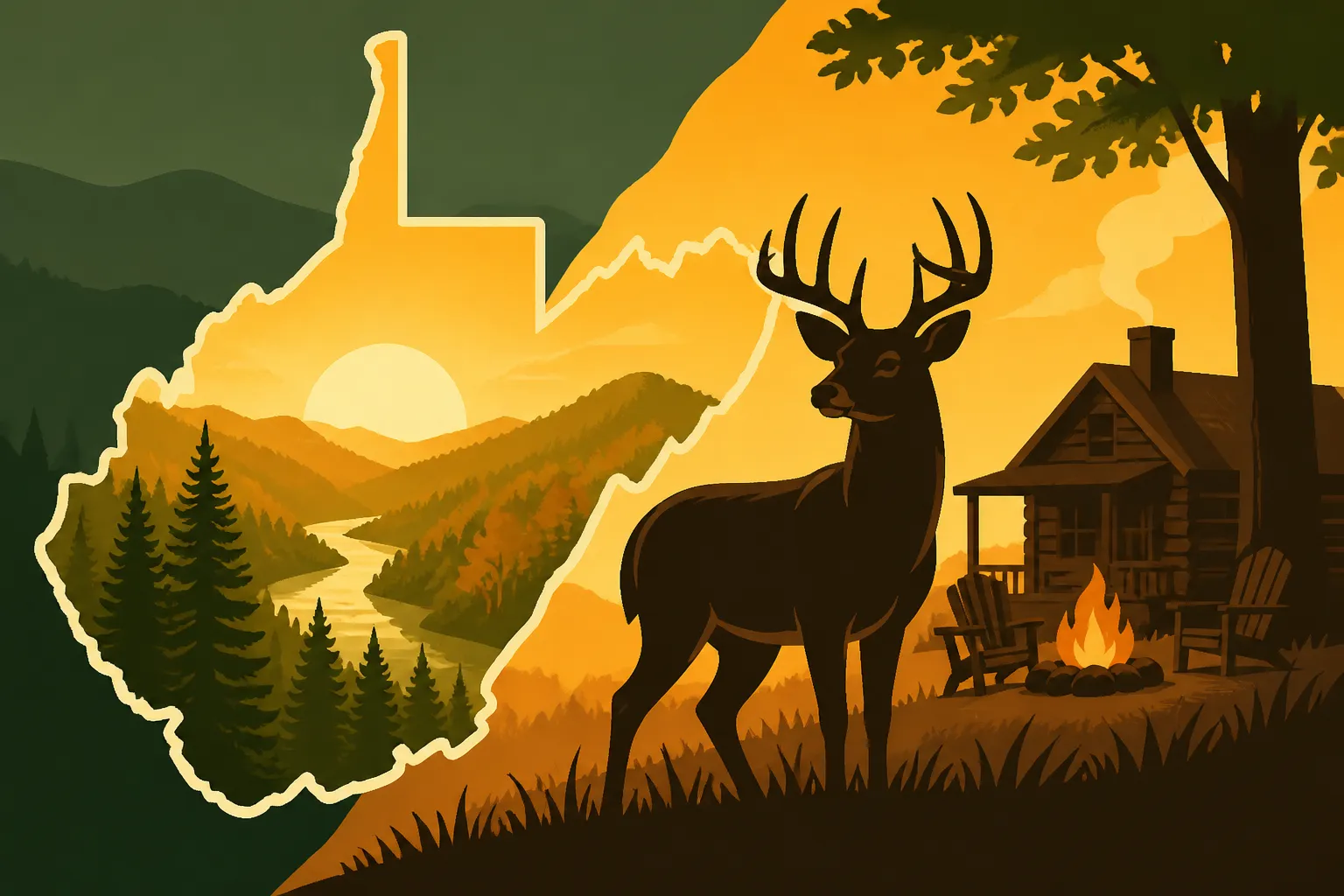
There's something almost magical about a West Virginia deer camp. It's more than just a place to sleep during hunting season; it's a hub of tradition, storytelling, and shared experiences that forge bonds stronger than any treestand cable. For generations, hunters in the Mountain State have gathered in cabins, campers, and even rough-hewn shelters, transforming a simple hunting trip into a cherished annual ritual.
More Than Just a Place to Sleep
A deer camp, whether it's a rustic cabin tucked deep in the Monongahela National Forest or a collection of pop-up campers on a private woodlot, serves as the nerve center for the entire hunting operation. It’s where the pre-dawn coffee is brewed, hunting strategies are debated and finalized over maps spread across a worn kitchen table, and where the day’s adventures unfold through animated retellings. Imagine returning from a cold morning sit, the smell of woodsmoke and a hearty breakfast filling the air, as you recount the nearly-missed buck or the tricky wind shifts. These shared moments, the frustrations, the triumphs, and the quiet contemplation, are what truly define the deer camp experience. It's a place where the hunt extends far beyond the moment of the shot, encompassing the preparation, the anticipation, and the post-hunt celebrations or commiserations. It’s where you might find yourself sharing a meal with someone you’ve hunted alongside for decades, or perhaps welcoming a new, eager face to the fold, passing on not just hunting tips but a way of life.
Passing Down the Knowledge and Culture
One of the most profound aspects of the deer camp tradition is its role in transmitting hunting knowledge and culture from one generation to the next. Grandfathers teach grandsons how to read a ridge, fathers show daughters how to field dress a deer, and experienced mentors share invaluable insights on everything from Treestand Setups in Monongahela National Forest to Reading West Virginia Mud for Fresh Deer Movement. These aren't just practical skills; they're lessons in patience, ethics, wildlife stewardship, and respect for the land. Many of us can vividly recall our first deer camp experience, the thrill of being part of something bigger, learning the unwritten rules, and soaking in the wisdom of those who came before us. This intergenerational exchange ensures that the traditions of West Virginia hunting, from knowing When the West Virginia Rut Peaks to understanding the nuances of tracking through dense laurel, continue to thrive. It’s in these informal settings that young hunters gain a deep appreciation for the entire process, not just the harvest, fostering a sense of responsibility and connection to their heritage. The stories told around the evening fire aren't just entertainment; they're living history, reinforcing the values that underpin ethical hunting.
Exploring West Virginia Hunting Clubs
While deer camps often evolve organically among friends and family, hunting clubs offer a more structured approach, providing access to leased land, shared resources, and a built-in community. These clubs range widely in their formality, size, and focus, but all aim to enhance the hunting experience for their members.
Types of Hunting Clubs in the Mountain State
West Virginia boasts a variety of hunting clubs, each with its own character and offerings. You'll find everything from small, informal groups of a few friends who pool resources to lease a tract of private land, to large, well-established organizations with extensive acreage, multiple cabins, and robust bylaws. Some clubs focus exclusively on deer, offering prime access during West Virginia's Buck Gun Season or Bowhunting West Virginia's Long Archery Season. Others are more general, providing opportunities for Spring Turkey Hunting in West Virginia, small game, or even predator control. The more organized clubs might manage food plots, maintain trails, and even have designated areas for specific hunting methods. For instance, a club might have several members dedicated to Rattling and Grunting in West Virginia, while others prefer still-hunting. The key difference often lies in the level of commitment required – some might involve annual dues and participation in workdays, while others might be a simple handshake agreement. When you're looking for a club, consider what kind of experience you're after: a close-knit group that feels like family, or a larger organization with more amenities and diverse hunting options.
Benefits of Club Membership
Joining a hunting club can unlock a host of advantages that might be difficult to achieve as an individual hunter. Foremost among these is access to quality hunting ground. Private land, especially well-managed tracts, often holds higher deer densities and can offer a more consistent hunting experience than heavily pressured public lands. Clubs often lease substantial acreage, providing members with ample space and reduced competition compared to public options like the Monongahela National Forest. Beyond access, clubs provide shared resources, which can include everything from communal treestands and ground blinds to ATVs for game retrieval, or even processing facilities. Think about the convenience of a shared walk-in cooler or a butchering station after a successful hunt. The collective knowledge base of experienced members is another huge benefit; you can learn so much from seasoned hunters, from specific local tactics to advanced scouting techniques. Furthermore, clubs often foster a strong sense of community and camaraderie. You're not just hunting a piece of land; you're joining a group of like-minded individuals who share your passion. This can lead to lasting friendships, shared stories, and reliable hunting partners, which is truly invaluable in the often-solitary world of hunting.
Common Challenges and Considerations
While the benefits are plentiful, joining a hunting club isn't without its potential drawbacks. The most immediate consideration for many is the financial commitment. West Virginia Hunting Lease Costs can be substantial, and these expenses are typically passed on to members through annual dues, initiation fees, or work assessments. These costs can vary widely depending on the size and quality of the lease, the amenities offered, and the number of members. It's crucial to get a clear understanding of all financial obligations upfront. Another common challenge revolves around club rules and management. A successful club requires clear bylaws, fair allocation of hunting areas, and a system for resolving disputes. Personalities can clash, and disagreements over hunting ethics, management decisions, or even simple camp chores can arise. Some clubs might have strict rules about guest hunters, harvest limits, or even scent control, which might not align with every hunter's preferences. It's important to thoroughly vet a club before joining, understanding its culture, rules, and the level of personal commitment expected. Talk to current members, inquire about their governing structure, and make sure your hunting philosophy aligns with theirs to avoid future frustrations.
The Practicalities of Setting Up a Deer Camp
If joining an existing club doesn't quite fit your vision, or if you prefer to create a more personalized experience, establishing your own deer camp is a rewarding endeavor. This involves careful consideration of location, infrastructure, and the logistics of making it functional and comfortable.
Finding the Right Location: Public vs. Private
The first and arguably most critical step in setting up a deer camp is securing a suitable location. This decision hinges on whether you plan to hunt public or private land. West Virginia offers abundant public hunting opportunities, with vast tracts like the Monongahela National Forest Hunting and numerous West Virginia Wildlife Management Areas. These lands are open to all with proper licenses, making them accessible options. If choosing public land, your "camp" might be a collection of tents, a travel trailer, or simply a designated rendezvous point. You'll need to research camping regulations, which vary between national forests and WMAs. For instance, Camping Rules on West Virginia National Forest Land might differ significantly from those on a specific WMA.
On the other hand, setting up camp on private land, whether owned, leased, or accessed through Getting Private Land Permission in West Virginia, offers more flexibility and control. This could be a remote family property, a tract leased with friends, or even a corner of a landowner's field. Private land often allows for more permanent structures, such as small cabins or sheds, and removes the concerns about public land crowds or specific public camping regulations. However, securing private land requires either ownership, a formal lease agreement, or direct permission from the landowner, which can involve its own set of challenges, including West Virginia Hunting Lease Costs or the effort involved in Knocking on Doors in Eastern Panhandle Farm Country. The choice between public and private will dictate the permanence and amenities of your camp.
Essential Camp Amenities and Infrastructure
Once you've nailed down a location, it's time to consider the essential amenities that will make your deer camp functional and enjoyable. At its most basic, a camp needs shelter, whether it's a sturdy wall tent, a pop-up camper, or a rustic cabin. Comfort items like cots, sleeping bags, and a reliable heat source (wood stove, propane heater) become paramount during the colder late seasons. Don't forget cooking facilities; even a simple propane stove and a few pots can turn raw ingredients into a warming meal after a long day afield. Access to water is crucial for cooking, cleaning, and hygiene. This might mean hauling in containers, having a well, or using a portable filtration system if near a reliable natural source.
Sanitation is another often-overlooked but vital aspect. A portable toilet, shovel, or dedicated latrine area is necessary. For processing game, a designated area for field dressing is essential, ideally with a way to hang a deer for skinning and quartering. This could be as simple as a sturdy limb or a more elaborate gambrel hoist. Proper food storage, especially if your camp is remote, is also key to keeping supplies fresh and deterring wildlife. Consider generators for power, or at least ample battery banks for charging phones and headlamps. Depending on your chosen location and the resources you have, your camp infrastructure can evolve from primitive to quite comfortable over time, but start with the basics that will keep you safe, fed, and rested for the hunt.
Navigating the Financials and Responsibilities
Whether you're joining a club or establishing your own camp, understanding the financial commitments and shared responsibilities is key to a harmonious and sustainable hunting experience. This isn't just about paying dues; it's about investing time, effort, and a shared vision.
Understanding Costs: From Dues to Upkeep
The financial aspect of a hunting club or deer camp can be a significant factor. For clubs, the primary cost is typically annual dues, which cover the lease of hunting land, property taxes (if owned), liability insurance, and any shared amenities like cabins, food plots, or equipment. These dues can range widely, from a few hundred dollars to several thousand per year, depending on the club's exclusivity, acreage, and facilities. Some clubs may also have one-time initiation fees. Beyond the official fees, remember to factor in personal expenses like West Virginia Resident License Options, gear upgrades, ammunition, and travel costs. For independent deer camps, the financial outlay might be less formal but still present. You'll be responsible for the cost of your shelter (tent, camper, cabin construction), cooking equipment, fuel, and any necessary repairs or upgrades. If you lease land privately, you'll shoulder that cost directly or split it among your group. It’s wise to create a budget and discuss it openly with fellow camp members or prospective club members to ensure everyone is on the same page. Unexpected repairs, such as a leaky roof on the camp cabin or maintenance on a shared ATV, can quickly add up, so having a contingency fund or a clear plan for these expenses is vital. Transparency from the outset about what everyone is willing and able to contribute financially will prevent misunderstandings down the line.
Shared Workload and Rules
Beyond the financial contributions, a successful deer camp or hunting club relies heavily on the willingness of its members to share the workload and adhere to a common set of rules. This collective effort is what keeps the operation running smoothly and equitably. Typical shared responsibilities might include maintaining trails, planting and tending food plots, repairing structures, cleaning up the camp after the season, and general property maintenance. If you're a member of a club, you might have mandatory workdays, where everyone pitches in to prepare the land or facilities for the upcoming season. These workdays are not just about getting tasks done; they're also excellent opportunities for bonding and strengthening the communal spirit.
Rules are equally important, providing a framework for safe, ethical, and enjoyable hunting. These can cover everything from guest policies, designated hunting zones, shot opportunities (e.g., antler restrictions like West Virginia Antler Point Restriction Status), quiet hours, and proper game handling. For example, a club might have specific guidelines for Blood Trailing After Dark in West Virginia or rules about where Trail Cameras on West Virginia Public Land can be placed. Clear communication and enforcement of these rules are paramount. A written set of bylaws or an agreed-upon code of conduct can prevent misunderstandings and ensure that everyone feels respected and heard. Ultimately, a deer camp or hunting club thrives on mutual respect and shared commitment to both the hunt and the community.
Finding Your Tribe: Resources and Opportunities
The idea of a deer camp or hunting club might sound fantastic, but how do you actually find one, or the people to start one with? It’s not always as simple as putting up a "Hunter Wanted" sign. Networking, local outreach, and leveraging modern technology are your best bets.
Networking and Local Connections
In West Virginia, the hunting community is often close-knit, and word-of-mouth remains one of the most effective ways to find a deer camp or hunting club. Start by talking to other hunters you know – friends, family, coworkers, or even folks you meet at your local sporting goods store or archery shop. They might know of an open spot in their own club, or be able to point you towards someone who does. Local conservation organizations, such as chapters of the National Wild Turkey Federation or Quality Deer Management Association, are excellent places to network. Attend their meetings, events, and fundraisers. You’ll not only connect with passionate hunters but also learn a lot about local hunting opportunities and management practices.
Don't underestimate the power of local businesses. Your small-town general store, feed supply, or gun shop often serves as an informal community hub where hunters gather and share information. Simply striking up a friendly conversation can lead to valuable leads or introductions. Think about participating in local sportsman's dinners or outdoor expos where you can meet people face-to-face. Many lasting deer camp friendships begin with a simple conversation at one of these gatherings, leading to an invitation or the formation of a new group dedicated to finding shared hunting ground, whether it's Hunting Small Private Tracts in West Virginia or organizing a group for Scouting West Virginia Public Land Before Season.
Online Platforms and Digital Scouting Tools
In the digital age, technology has opened new avenues for connecting hunters and finding opportunities. Online forums, social media groups dedicated to West Virginia hunting, and even specialized hunting apps can be great resources. You might find groups actively seeking new members for their clubs or individuals looking to form new hunting partnerships. Be sure to exercise caution and thoroughly vet anyone you meet online, just as you would in person.
When it comes to finding suitable land for a camp or club, digital scouting tools are invaluable. Platforms like onX Hunt and GoHunt have revolutionized how hunters research and plan their trips. With detailed satellite imagery, property boundary overlays, and public/private land distinctions, these apps can help you identify potential lease opportunities, pinpoint areas of public land that might see less pressure, or even help you find hidden gems for your deer camp. You can use these tools to locate food sources, bedding areas, water, and potential travel corridors. For example, using onX Hunt to overlay different layers can help you find Reading Aerial Photos for Eastern Panhandle Deer sign or identify key terrain features that might funnel deer movement. These digital tools also allow you to mark waypoints, track your movements, and share information with your hunting partners, making collaborative scouting and camp planning much more efficient. Whether you're trying to figure out Where Monongahela Forest Bucks Bed or simply find an accessible campsite, these apps provide a wealth of information at your fingertips.
| Feature / Aspect | Established Hunting Club | Informal Deer Camp |
|---|---|---|
| Land Access | Often large, leased/owned private land | Owned private land, leased private, or public land |
| Cost | Annual dues, initiation fees, work assessments | Shared personal expenses, land lease (if applicable) |
| Structure | Formal bylaws, membership rules, elected leaders | Flexible, informal agreements, evolving traditions |
| Amenities | Cabins, food plots, equipment, game processing | Basic shelter, shared gear, rustic setup |
| Community | Built-in network, diverse members | Close-knit group, often family/long-time friends |
| Workload | Mandatory workdays, assigned tasks | Shared chores as needed, voluntary participation |
| Flexibility | Less flexible, adherence to club rules | High flexibility, group consensus |
| Start-Up Time | Join existing club quickly | Find land & build infrastructure over time |
Making the Most of Your Deer Camp or Club Experience
Once you've found your place in a West Virginia deer camp or hunting club, the real journey begins. It's about more than just harvesting an animal; it's about building lasting memories, fostering relationships, and respecting the tradition.
Fostering Camaraderie and Shared Goals
The heart of any successful deer camp or hunting club lies in the camaraderie among its members. It’s the shared stories around the campfire, the mutual support when a hunter needs help dragging a deer out of a steep hollow, and the collective celebration of successes, big or small. To truly make the most of your experience, actively participate in these communal aspects. Offer to help with chores, contribute to meals, and be a good listener. Share your own hunting experiences, even the challenging ones, and be open to learning from others. Establishing shared goals, beyond simply harvesting deer, can also strengthen the group. Perhaps it's working together on habitat improvement, such as creating new cover or planting additional food plots to improve Late-Season Food Sources for West Virginia Whitetails. Maybe it’s dedicating time to mentoring younger hunters, ensuring they develop into ethical and responsible sportsmen and women. These shared efforts not only improve the hunting ground but also solidify the bonds within the group, making the experience richer and more meaningful for everyone involved. Remember, a camp or club is a team effort, and every member plays a vital role in its spirit and success.
Maintaining the Camp and the Legacy
A deer camp or hunting club is a living entity, and like any living thing, it requires ongoing care and attention to thrive. This maintenance goes beyond just physical upkeep of buildings and land; it extends to maintaining the traditions, the ethics, and the very spirit of the place. Regular workdays are crucial for keeping the property in prime condition, whether it's maintaining stands for Hanging a Stand on a Steep Allegheny Ridge, clearing access routes, or keeping the camp clean. Ensuring all hunting activities align with West Virginia Deer Season Structure Explained and local regulations is paramount. Beyond the practicalities, it's about preserving the legacy. This means respecting the land, practicing sound wildlife management, and upholding ethical hunting standards. It's about remembering those who came before you and laying the groundwork for those who will come after. Consider documenting camp history, sharing photos and stories, and upholding unique camp rituals. For many, the deer camp is a treasured institution, a place where generations have gathered to connect with nature and each other. By actively participating in its care and upholding its traditions, you contribute to its enduring legacy, ensuring that the spirit of the West Virginia deer camp continues to burn brightly for many hunting seasons to come.
Disclaimer
This article is for general informational purposes only and does not constitute professional advice. Laws, prices and regulations vary by location and change over time. Consult a qualified professional for guidance on your specific situation.