Why the Eastern Panhandle Grows Big Bucks
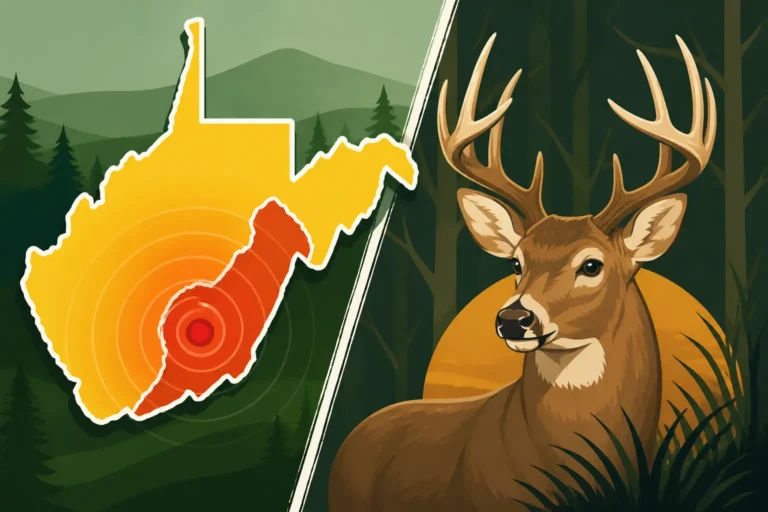
Hunting big whitetail bucks in West Virginia can often feel like chasing ghosts through rugged mountains, with many hunters frustrated by the seeming rarity of true wall-hangers. But tucked away in the state's easternmost reaches, the Eastern Panhandle offers a distinctly different hunting experience, a true big buck factory that leaves many wondering what secrets this region holds. This guide will dive deep into the unique confluence of factors that make the Eastern Panhandle a premier destination for harvesting mature, heavy-antlered whitetails, helping you understand why this region consistently produces bigger bucks.
A Fertile Ground for Giants: Understanding the Eastern Panhandle's Habitat Advantage
Rich Agricultural Lands and Diverse Forage
The first, and perhaps most significant, reason the Eastern Panhandle stands out for big bucks is its exceptional habitat, particularly the prevalence of rich agricultural lands. Unlike the vast, rugged timberlands and steep hollers found in much of central and southern West Virginia, the Eastern Panhandle boasts extensive tracts of fertile farmland. We're talking about sprawling fields of corn, soybeans, alfalfa, and winter wheat that provide an absolute buffet for deer. These crops are packed with protein, carbohydrates, and essential minerals that are crucial for antler growth and overall body size. A deer living in a landscape of endless acorns and browse simply doesn't get the same nutritional punch as one consistently feeding on nutrient-dense agricultural crops.
Imagine a young buck growing up with an almost unlimited supply of high-quality feed right outside his bedding area. This consistent, rich diet allows bucks to maximize their genetic potential year after year. It’s not just about surviving winter; it’s about thriving. The deer here aren't just filling their bellies; they're getting the building blocks for impressive bone growth and robust body weights. When you combine this with the sheer volume of available forage, you create a scenario where deer don't have to work as hard to find food, conserving energy that can then be channeled into antler development.
This agricultural bounty isn't just about the crops themselves; it's about the entire ecosystem they support. Insect populations thrive, providing another protein source, and the disturbed soils often lead to a flush of diverse weeds and forbs that offer additional nutritional benefits. The deer in these areas are simply healthier, exhibiting better body condition and stronger immune systems, all of which contribute to their ability to grow bigger racks. When you're Hunting a Standing Soybean Field, you're seeing this nutritional advantage in action, providing high-energy food sources well into the late season. For hunters utilizing mapping tools like GoHunt, identifying these agricultural hotspots is often the first step in successful scouting.
Strategic Woodlots and Coverts
While the agricultural fields provide the groceries, the Eastern Panhandle isn't just one giant cornfield. Interspersed among these productive farmlands are critical woodlots, thickets, and riparian corridors that offer essential cover, security, and bedding areas for deer. These aren't always vast, unbroken forests like you might find in the Monongahela National Forest, but rather strategically placed pockets of timber, dense honeysuckle thickets along creek bottoms, or brushy fencerows. These smaller, often overlooked patches of cover provide deer with safe havens close to their food sources.
These woodlots and thickets are absolutely vital for mature bucks. A big buck isn't going to spend much time out in the open fields during daylight hours unless it's the rut and he's chasing does. He needs dense cover where he can feel secure, bed down, and escape hunting pressure. The mosaic of fields and timber creates countless edges and transition zones – natural highways and hiding spots that are prime for deer movement. When you're Reading a Ridge for Eastern Panhandle Deer, you're often looking for these subtle breaks in cover or changes in vegetation that big bucks will use to travel undetected.
Think about a small, neglected woodlot, maybe only 10-20 acres, bordered on three sides by corn and soybeans. This becomes an impenetrable fortress for a mature buck. He can bed down deep in the briars and thick undergrowth during the day, then simply walk a short distance into the fields under the cover of darkness to feed. This proximity of food and cover allows bucks to minimize their exposure and maximize their rest, leading to less stress and more energy for growth. Many experienced hunters in the region understand the importance of identifying these smaller, overlooked pockets.
Water Sources and Topography
Another often underestimated factor contributing to the Eastern Panhandle's big buck prowess is its combination of consistent water sources and favorable topography. While West Virginia is generally a well-watered state, the Panhandle's network of creeks, streams, and rivers, like the Potomac and its tributaries, ensures that deer always have access to hydration. This might seem minor, but during dry spells, or even just in the heat of early archery season, reliable water is a magnet for all wildlife, including big bucks. Deer don't have to travel far to drink, further reducing energy expenditure and keeping them within their preferred home ranges.
The topography here, while still featuring some rolling hills, is generally less severe than the steep, unforgiving Allegheny Mountains. This means easier travel for deer and hunters alike. Less extreme elevation changes translate to more accessible food and cover across a wider area, allowing deer to utilize their range more efficiently. It also allows for larger, more contiguous agricultural fields that wouldn't be possible on sheer mountain slopes. This gentler landscape also often means less erosion and richer topsoil, further enhancing the productivity of the farmlands.
Consider how these elements combine: a large, fertile field for feeding, bordered by a dense, brushy creek bottom offering bedding and water, with a gentle slope providing easy movement between the two. This is the ideal setup for a buck to grow old and large. Understanding these micro-features, whether you're trying to figure out Where Monongahela Forest Bucks Bed or a Panhandle giant, is key to consistent success. The subtle dips and rises, often overlooked by less observant hunters, become critical travel corridors and hiding spots, concentrating deer movement in predictable ways.
The Genetic Edge: Age, Nutrition, and Deer Population Dynamics
Older Age Class Bucks
It's an undeniable truth in deer management: to grow big antlers, a buck needs age. A 1.5-year-old buck, no matter how good his genetics or nutrition, simply hasn't had enough time to express his full antler potential. The Eastern Panhandle consistently produces older age class bucks because of a blend of factors that contribute to their longevity. This isn't necessarily due to strict antler point restrictions across the entire region, though some counties may have specific rules. Instead, it's often a combination of hunting pressure dynamics, the availability of abundant escape cover, and hunters' willingness to pass younger deer.
In many areas of the Panhandle, especially on private lands or areas with less overwhelming public access, bucks simply get a chance to mature. While there's certainly hunting pressure, the presence of countless small woodlots, dense stream corridors, and patches of thick cover provides ample places for deer to seek refuge. A 2.5-year-old buck, despite being harvestable, might often be passed in favor of waiting for a 3.5, 4.5, or even 5.5-year-old animal. This collective patience, whether formal or informal, contributes significantly to a higher percentage of mature bucks in the population. The state's general West Virginia Deer Season Structure Explained also plays a role in how age classes develop.
When bucks live longer, they not only have more time for their antlers to grow, but their bodies mature, allowing them to channel more energy into antler development each year. A buck's body priority is survival first, then reproduction, and then antler growth. An older buck, having reached full body maturity, can dedicate a larger proportion of his nutritional intake to building impressive headgear. This is one of the key reasons why the Eastern Panhandle is considered among the Best West Virginia Counties for Big Bucks, as hunters understand the value of letting younger bucks walk. This is a big reason Why the Eastern Panhandle Grows Older Bucks than some other regions.
Balanced Buck-to-Doe Ratios
A healthy, balanced buck-to-doe ratio is another critical component for growing big bucks, and the Eastern Panhandle often maintains a more favorable balance than some other regions. When there are too many does relative to bucks, the rut can become incredibly drawn out and stressful for the few mature bucks present. They spend excessive energy chasing and breeding an abundance of does, which can significantly deplete their body reserves before winter and detract from their ability to grow large antlers the following year.
A more balanced ratio means the rut is generally more intense and concentrated. Bucks don't have to cover as much ground or fight as many other bucks to find receptive does. This reduces stress, minimizes energy expenditure during a crucial time, and allows bucks to maintain better body condition. A well-managed herd with a balanced sex ratio also typically has higher fawn survival rates and a more vigorous overall population. This can lead to a more predictable and exciting rut for hunters, as bucks are more actively seeking and tending does, increasing their daytime movement. This is especially important when Hunting the Rut in Mid-November.
The Eastern Panhandle's landscape, with its mix of private land, agriculture, and varied hunting pressure, often naturally fosters this balance. Landowners and hunters, through their collective harvest decisions, often lean towards harvesting more does to keep the population in check and reduce agricultural damage, which indirectly helps maintain a better ratio. This isn't always a strict, enforced quota, but rather a community understanding that helps the overall health and quality of the deer herd.
Nutritional Boost from Agriculture
We touched on this earlier, but it deserves its own spotlight in the context of genetics and age. The unparalleled nutritional boost derived from the Eastern Panhandle's agricultural landscape is a powerhouse for antler growth. Deer, like any animal, are a product of their diet. If they don't get the necessary vitamins, minerals, and protein, they simply cannot develop large antlers, even if they have the genetic potential and the age. The sheer abundance and quality of food sources in this region provide an "antler-growing fuel" that is hard to replicate elsewhere in West Virginia.
Consider the difference between a deer primarily feeding on browse and mast in a dense mountain forest versus a deer having access to corn, soybeans, alfalfa, and cultivated forages. The agricultural crops deliver a much higher concentration of key nutrients like protein, phosphorus, and calcium, all essential for bone development. This means bucks can grow thicker, taller, and wider antlers with more points and mass, year after year. This isn't a "magic bullet" that makes every buck a monster, but it significantly elevates the average antler quality across the population.
This consistent, high-energy diet also translates to larger body sizes. Bucks in the Eastern Panhandle are often notably heavier than their mountain counterparts of the same age. This robust physical condition is a direct result of their rich diet, and it supports superior antler growth. For hunters using scouting tools like GoHunt, identifying areas with consistent access to these high-value food sources is paramount. This nutritional advantage, combined with age, is the potent recipe for the big bucks that the Eastern Panhandle is famous for. You can often see the difference in a buck's mass and tine length when comparing one from a nutritionally rich agricultural zone to one from a more browse-dependent forest.
Hunting Culture and Management Strategies
Lower Public Land Pressure Comparatively
While West Virginia is celebrated for its vast public hunting opportunities, the Eastern Panhandle often sees a different dynamic when it comes to hunting pressure, particularly on public lands. Compared to some of the sprawling Wildlife Management Areas (WMAs) or large tracts of the Monongahela National Forest further west, the public land parcels in the Eastern Panhandle can sometimes be smaller, more fragmented, or simply less heavily trafficked. This isn't to say there's no pressure, but it can be less overwhelming and more spread out, especially if you're willing to walk a bit or find those overlooked pockets.
The perception might be that smaller woodlots and scattered public tracts lead to more pressure, but often, the sheer amount of private land surrounding them dilutes this effect. Many hunters focus on private ground, or on the larger, more contiguous blocks of public land in other regions. This can leave certain public sections in the Panhandle relatively under-hunted, especially those requiring a bit more effort to access or those that don't immediately jump out on a map as a "destination." Less consistent pressure means deer, particularly mature bucks, feel more secure, are less nocturnal, and are more likely to exhibit natural patterns during daylight hours.
Savvy public land hunters understand this nuance. They know that by studying maps, identifying remote corners, or seeking out difficult-to-access slivers of public ground bordered by agriculture, they can find pockets where bucks mature and grow without constant human disturbance. Tools like GoHunt can be invaluable for identifying these boundary areas and understanding land ownership, helping hunters find those low-pressure honey holes where a big buck might feel safe. Even when Opening Weekend Crowds on West Virginia Public Land are high elsewhere, these smaller parcels can offer respite.
Private Land Management Practices
A substantial portion of the Eastern Panhandle is made up of private land, and the way this land is managed significantly impacts the deer herd. Many landowners, from large farms to smaller recreational properties, actively engage in quality deer management (QDM) practices, even if informally. This often includes selective harvesting, allowing younger bucks to walk, and focusing harvest efforts on does to balance herd numbers. These practices, applied over years and across multiple properties, create a cumulative effect that elevates the age structure and overall health of the local deer population.
Furthermore, many private landowners plant dedicated food plots, enhance existing habitat, and limit access to their properties. This creates sanctuaries where bucks can grow old without constant harassment. When multiple adjacent properties adopt similar management philosophies, the result is a regional environment highly conducive to producing mature bucks. These properties essentially serve as breeding grounds and nurseries for big deer, many of which will eventually wander onto neighboring lands or public access points, offering opportunities for other hunters.
The willingness of landowners to embrace these strategies, often driven by a desire for better hunting experiences themselves, is a cornerstone of the Panhandle's reputation. It's a testament to the belief that long-term stewardship yields superior results. This is also why Knocking on Doors in Eastern Panhandle Farm Country for permission can be so rewarding; you might gain access to property where management efforts have been in place for years.
WVDNR Regulations and Their Impact
The West Virginia Division of Natural Resources (WVDNR) sets statewide and county-specific regulations that, while not exclusively aimed at the Eastern Panhandle, contribute to the region's big buck success. While there aren't blanket antler point restrictions across all counties, the general framework of deer seasons, bag limits, and the opportunity for hunters to take additional does (either through bonus tags or specific antlerless seasons) helps manage the herd. The ability to harvest does, often encouraged to maintain a healthy population size relative to the available food, indirectly benefits buck quality by ensuring less competition for resources.
For example, counties in the Eastern Panhandle are often within areas that have generous antlerless harvest opportunities, allowing hunters to contribute to population control. This approach helps to keep the buck-to-doe ratio in check and prevents overpopulation, which can lead to habitat degradation and smaller, less healthy deer. The West Virginia Deer Population Estimate is meticulously tracked, and regulations are adjusted to ensure sustainability.
While regulations are broad, the combination of rich habitat, proactive private land management, and a hunting culture that values mature animals maximizes the positive impact of these regulations in the Eastern Panhandle. It's a synergy where regulation provides the framework, but local conditions and hunter choices truly drive the outcome of consistently producing bigger bucks. The WVDNR's continuous efforts in monitoring Chronic Wasting Disease in West Virginia Deer also influence management strategies, although the primary CWD zone is concentrated in a few specific counties further north within the Panhandle.
Tactics for Eastern Panhandle Success: Adapting Your Approach
Hunting Field Edges and Transition Zones
When you're hunting in the Eastern Panhandle, forgetting the "deep woods" mentality and focusing on field edges and the often-subtle transition zones is crucial. This isn't to say you won't find bucks in timber, but their primary movement patterns are heavily dictated by the proximity of food (fields) and cover (woodlots, fencerows, creek bottoms). Mature bucks will often stage in thick cover just inside a woodline, waiting for twilight to approach the fields. Keying into these specific spots requires a different kind of scouting and patience.
Look for subtle funnels along these edges: a narrow strip of timber connecting two larger woodlots, a bend in a creek that pushes deer movement along a specific bank, or a low spot in a field where deer feel more comfortable entering. These are the natural travel corridors that big bucks will use to get from their bedding areas to their feeding grounds. Understanding how wind direction and thermals interact with these edges, especially in the mornings and evenings, becomes paramount. A stand placed just inside the timber, offering a clear view of a field edge and potential entry points, can be deadly.
Don't just look at the field; look into the first 20-50 yards of timber or brush bordering it. Often, big bucks will skirt the very edge of the field, using the canopy for cover, before stepping out into the open. Scouting this first band of cover for rubs, scrapes, and heavy trails will reveal where bucks are making their initial moves. Effective Setting Up on a Potomac Valley Field Edge means being able to read these subtle cues and positioning yourself downwind and out of sight. Remember to consider Entry Routes Through Standing Corn as well, as deer love to travel inside the stalks.
Navigating Smaller Woodlots and Cover
Unlike the sprawling forests where you might hike miles to get away from pressure, hunting the Eastern Panhandle often means meticulously dissecting smaller woodlots and dense pockets of cover. These might be only 5-50 acres, but they are often incredibly thick and offer incredible sanctuary. The mistake many hunters make is overlooking these smaller parcels or treating them like a traditional big woods hunt. Instead, they require a focused, methodical approach.
These smaller woodlots can be perfect for still-hunting or even small, strategic deer drives. Because they are often surrounded by open fields, deer are quick to duck into them for safety. Learning to interpret fresh sign—rub lines, active scrapes, and heavily used trails—within these thickets is essential. The density of cover means shot opportunities might be close and quick, so being prepared for a snap shot is important. Consider using a ground blind or a low-profile treestand that blends in exceptionally well.
Remember, even a 10-acre patch of briars and cedars can hold a mature buck if it offers security and is close to a food source. Don't be fooled by its size. Instead, use aerial maps to identify these green islands in a sea of agriculture, then walk their perimeters to find pinch points, travel corridors, and bedding sign. Sometimes, the most overlooked and nastiest looking thicket holds the biggest secret. You might even find yourself Hunting a Funnel Between Two Hollows within one of these compact parcels. For hunters keen on success, Hunting Eastern Panhandle Farmland Deer means mastering these smaller, tricky spots.
Scouting and Trail Camera Strategies
Effective scouting is always important, but in the Eastern Panhandle, it needs to be highly focused and adaptable. With deer often moving between diverse habitats, understanding their patterns requires diligent effort. Start with aerial maps (GoHunt and other mapping apps are fantastic for this) to identify those key agricultural fields, connecting woodlots, creek bottoms, and fencerows. Look for any natural funnels or pinch points where deer movement would be concentrated.
Trail cameras become indispensable tools in this environment. Place them strategically on the edges of fields, along major trails leading into bedding cover, on scrape lines, or near potential staging areas. The goal is to identify active daylight movement, determine buck travel patterns, and get a sense of the age structure of the bucks in the area. Given the nutritional richness, you might find that bucks are less reliant on mineral licks than in other areas, but fresh rubs and scrapes will still be key indicators during the pre-rut and rut.
Post-season scouting is also incredibly valuable. Once the crops are harvested, the true topography and deer trails become much more apparent. This is the time to walk those field edges, identify preferred entry and exit points, locate hidden food sources (like leftover corn or winter wheat), and discover where bucks might be bedding. This type of detailed Scouting West Virginia Public Land Before Season will give you a tremendous advantage come opening day, helping you pinpoint exactly where those big Panhandle bucks are likely to be.
Beyond the Panhandle: How Other Regions Compare
Southern Coalfields and Mountainous Challenges
When you compare the Eastern Panhandle to regions like the Southern Coalfields, the differences in habitat and deer quality become stark. The Southern Coalfields, while beautiful and rugged, are characterized by steep, heavily forested terrain, often with extensive clear-cuts and secondary growth. Food sources are primarily natural browse, acorns, and other mast. While deer populations can be high in some areas, the nutritional quality of the forage simply doesn't compare to the agricultural buffet of the Panhandle.
Deer in the Southern Coalfields typically have smaller body sizes and, consequently, smaller average antler sizes. They have to expend more energy to find food and navigate the challenging terrain, leaving less energy for antler growth. Hunting pressure can also be intense in some areas, and opportunities to grow older age class bucks might be more limited. The "big bucks" from these regions are often tough, resilient animals, but their antlers rarely rival the mass and spread seen in the Eastern Panhandle. It's a different kind of hunt, requiring different tactics, where Hunting Steep Allegheny Ridges and Still-Hunting Cranberry WMA Ridges are common.
However, this doesn't mean big bucks don't exist in the Southern Coalfields. They do, but they are often a product of superior genetics combined with finding a rare pocket of high-quality forage or exceptionally low pressure. For the average hunter, the odds of encountering a truly giant buck are lower than in the Eastern Panhandle, and harvesting one is a hard-earned trophy born of grit and deep woods expertise.
The Allegheny Highlands: Different Kinds of Big Bucks
The Allegheny Highlands, encompassing areas like Pocahontas, Randolph, and Pendleton counties, offer another contrast to the Eastern Panhandle. This region is home to vast expanses of public land, including a significant portion of the Monongahela National Forest. It's a landscape of high elevations, dense timber, and remote backcountry, presenting its own set of challenges and rewards. The deer here are wild, often smaller-bodied, but incredibly resilient.
Big bucks from the Allegheny Highlands are typically characterized by their impressive dark antlers, often with good mass, but rarely the wide spreads or numerous points seen in the Eastern Panhandle. Their antlers reflect a diet primarily of natural browse, soft mast (like serviceberry or blackberry), and acorns, which while adequate for survival, don't offer the same rich nutrients as agricultural crops. These deer often live solitary lives in the vast timber, making them challenging to locate and even harder to harvest. Hunting the Potomac Highlands Ridgelines is a testament to this wild, rugged pursuit.
The hunting experience in the Highlands is often more about the wilderness adventure and the solitude than about antler inches. It's a test of endurance, woodsmanship, and map-reading skills. While a mature buck from the Allegheny Highlands might not score as high as a Panhandle giant, he represents a formidable challenge and a truly wild trophy. Each region offers its own unique appeal, but for sheer antler potential, the Eastern Panhandle holds a distinct advantage due to its unique blend of habitat, nutrition, and management. For more specific comparisons, understanding Deer Density by West Virginia Region can provide valuable insights.
Here's a quick comparison of deer characteristics across these regions:
| Feature | Eastern Panhandle | Southern Coalfields | Allegheny Highlands |
|---|---|---|---|
| Primary Food Source | Agricultural crops (corn, soy, alfalfa), natural browse | Natural browse, acorns, limited mast | Natural browse, acorns, soft mast |
| Antler Potential | High (mass, spread, points) | Moderate (typically smaller, less mass) | Moderate (often dark, good mass, less spread) |
| Body Size | Larger average body weights | Smaller average body weights | Medium to smaller body weights |
| Age Structure | Good, higher percentage of older bucks | Variable, can be lower in heavily hunted areas | Good in remote areas, less consistent elsewhere |
| Terrain | Rolling hills, agricultural plains, river valleys | Steep, rugged mountains, dense forests | High elevations, vast timber, remote backcountry |
| Hunting Pressure | Variable, often lower on private land, dispersed on public | Moderate to high, concentrated in accessible areas | Variable, can be very low in remote wilderness |
| Hunting Style Focus | Field edges, small woodlots, transition zones | Still-hunting, ridge running, deep woods tracking | Wilderness hunting, long hikes, map & compass |
Disclaimer
Please remember that hunting regulations, seasons, and conditions can change. Always consult the official West Virginia Division of Natural Resources (WVDNR) hunting regulations for the most current and accurate information before planning any hunting trip. This guide is for informational purposes only and should not replace official sources.