Grouse and Woodcock Hunting in West Virginia
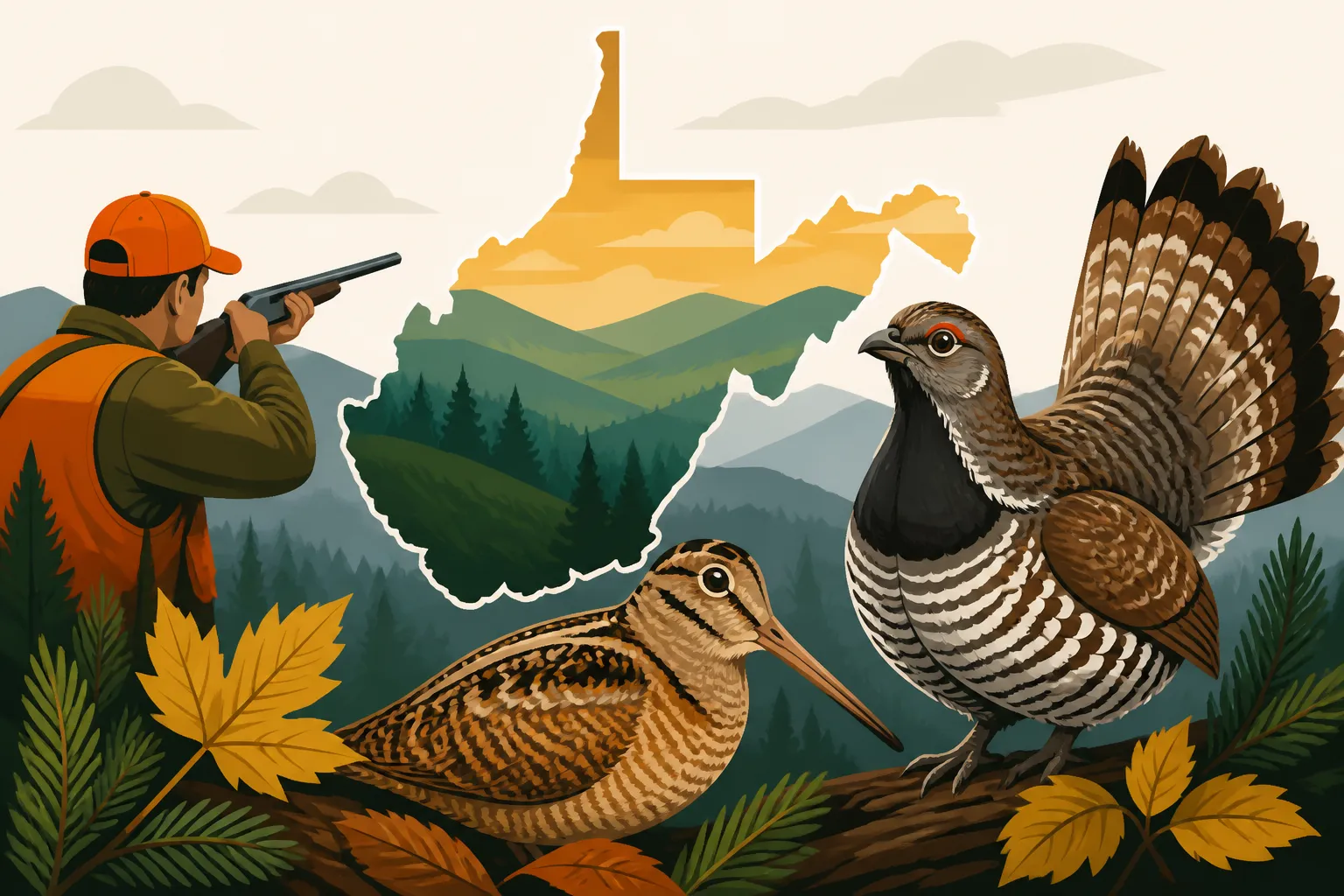
There’s nothing quite like the explosive flush of a ruffed grouse or the silent, swift ascent of a woodcock from thick cover. But if you’ve spent any time chasing these enigmatic birds in West Virginia, you know the frustration of pounding the brush all day for just a handful of flushes – or worse, none at all. The Mountain State offers incredible opportunities for upland bird hunting, but success often hinges on understanding their specific habitats, behaviors, and the unique challenges our rugged terrain presents. This guide is here to walk you through everything you need to know to increase your odds and truly enjoy the pursuit of these wild treasures.
The Elusive Ruffed Grouse: A Mountain Ghost
The ruffed grouse, often called the "king of game birds," is a species that truly embodies the wild spirit of West Virginia's mountains. Their sudden, thunderous take-off can startle even the most seasoned hunter, and their ability to navigate dense cover with uncanny speed makes them one of the most challenging and rewarding birds to pursue. Yet, their populations face challenges, making every encounter feel even more precious.
Understanding West Virginia Grouse Habitat
Ruffed grouse are creatures of specific tastes when it comes to their home. They absolutely thrive in young, regenerating forest stands, those areas that might look like a tangled mess to the casual observer but are a veritable buffet and fortress for these birds. We're talking about aspen and poplar clear-cuts that are typically between 5 and 20 years old, where the dense saplings and brush provide both food and unparalleled protection from aerial predators like hawks and ground predators like coyotes and bobcats. These thickets offer the perfect blend of escape cover, nesting sites, and a diverse understory of berries, buds, and insects.
You’ll also find them holding tight in dense evergreen thickets, particularly laurel and rhododendron patches that form impenetrable screens along steep hollows and stream beds. These spots are crucial, especially as temperatures drop or when snow blankets the ground, offering vital thermal cover. Don't overlook brushy creek bottoms or the edges of old logging roads either. These areas often create natural travel corridors and edge habitat where grouse can find food and cover. If you’re looking to find classic grouse cover, you really need to be thinking about Grouse Hunting Highlands Aspen Cuts, as these specific forest types are goldmines. The juxtaposition of these dense, young stands with more mature timber is what often draws them in, providing a mosaic of resources they need throughout the year.
The Ruffed Grouse Decline and Hope for Recovery
It's no secret that ruffed grouse populations have faced a significant decline across much of their historic range, and West Virginia is certainly not immune to these trends. Many hunters have noticed fewer flushes than in decades past, and that can be disheartening. The primary culprit is habitat loss. Our forests are maturing, and while beautiful, mature, unbroken canopy forests don't provide the dense, brushy undergrowth that grouse need to thrive. Changing forestry practices, where clear-cutting was once more common, have also played a role. Without regular disturbance, whether natural or man-made, these crucial early successional habitats slowly disappear.
Beyond habitat, emerging science points to other factors like West Nile Virus, which has been shown to impact grouse populations in some areas, and shifts in predator dynamics. However, there is hope on the horizon. The West Virginia Division of Natural Resources (WVDNR) and conservation groups like the Ruffed Grouse Society are actively working on habitat recovery projects. These efforts focus on controlled timber harvesting designed to create those vital young forest stands and conducting prescribed burns to regenerate habitat. Understanding West Virginia Grouse Habitat Loss Causes is the first step toward appreciating these vital conservation efforts, as these initiatives are essential to bringing back the "ghosts of the timber."
Season Dates and Bag Limits for Grouse
Understanding the regulations is paramount before heading into the woods. In West Virginia, the ruffed grouse season typically offers a fairly generous window, often running from early October through late February. This long season allows hunters to experience grouse hunting in a variety of conditions, from the crisp, colorful days of autumn to the quiet, snowy landscapes of winter.
The daily bag limit for ruffed grouse is usually set at four birds, with a possession limit of sixteen. However, it is absolutely critical to always double-check the most current West Virginia Hunting & Trapping Regulations booklet or the WVDNR website before each season opens. Regulations can change, and you don't want to be caught off guard. For specific opening and closing dates, keep an eye on official announcements, as West Virginia Grouse Season Dates are sometimes adjusted based on population surveys or other management considerations. Being informed means being a responsible hunter.
Woodcock: The Timberdoodle's Quirks and Haunts
Often overshadowed by their larger cousin, the woodcock – affectionately known as the "timberdoodle" – offers a completely different, yet equally thrilling, upland hunting experience. These long-billed, secretive birds are true masters of camouflage and provide a unique challenge for those willing to seek them out in their preferred damp, brushy haunts.
Identifying Prime Woodcock Cover
Unlike grouse, which prefer drier, higher ground in young forest, woodcock are drawn to moisture. Their primary food source is earthworms, and that means they need soft, moist soil where they can probe with their incredibly sensitive, flexible bills. Consequently, you'll find prime woodcock cover in low-lying, young deciduous woodlands, especially around alder runs, along the banks of small creeks, and in swampy areas where the ground remains damp. Think areas with thick undergrowth of willow, dogwood, and other dense brush that provides a canopy, keeping the ground cool and moist.
Look for areas where recent timber cuts have created dense regeneration in damp bottomlands or along drainages. These locations often have the ideal combination of young trees and shrubby growth, forming a protective thicket over rich, worm-filled soil. The cover needs to be dense enough to make it difficult to walk through, yet open enough at ground level for the birds to move around. When you're scouting, keep your eyes peeled for those distinct, dime-sized probing holes in the mud – a sure sign that a timberdoodle has been dining there. If you can locate Woodcock Hunting West Virginia Alder Runs, you're definitely in the right neighborhood for these migratory marvels.
Migration Patterns Through the Mountain State
One of the most fascinating aspects of woodcock hunting is their migratory nature. Unlike our resident grouse, woodcock are not year-round residents of the same patch of woods. They breed in the northern states and Canada and then undertake a remarkable migration south to their wintering grounds in the southeastern U.S. West Virginia sits right along one of their major migratory routes, making us a fantastic destination for intercepting birds on their journey.
The peak of the woodcock migration through West Virginia typically occurs from mid-October to early November, though this can vary year to year based on weather patterns. Cold fronts pushing down from the north often act as a trigger, prompting large numbers of birds to move. During these migration windows, you might find pockets of woodcock concentrated in suitable habitats that seem to appear overnight. River valleys and lower Appalachian ridges can act as natural flyways, channeling birds into specific areas. Hunters often have to keep a close eye on weather patterns and reports to hit the migration just right. For a deeper understanding of when these little birds pass through, consider researching When Woodcock Migrate Through West Virginia.
Season Dates and Regulations for Woodcock
As migratory birds, woodcock season dates and regulations are set in cooperation with federal guidelines, often resulting in a shorter, more fixed hunting window compared to grouse. In West Virginia, the woodcock season typically runs for a specific period in the fall, often overlapping with early grouse season.
The daily bag limit for woodcock is generally three birds, with a possession limit of nine. However, beyond just a valid West Virginia hunting license, there's a crucial additional requirement for woodcock and all other migratory game birds: you must possess a valid Harvest Information Program (HIP) certification. This free certification is obtained by answering a few simple questions about your previous year's migratory bird hunting success when you purchase your license. It's vital for federal wildlife managers to collect data on migratory bird harvests. Always consult the current WVDNR regulations for the exact dates and to ensure you have all the necessary certifications. Don't forget to check West Virginia Woodcock Season Dates before planning your trip!
Essential Gear for Upland Hunting in WV
Success and safety in the West Virginia uplands depend heavily on having the right gear. Our steep hills, dense cover, and often unpredictable weather demand equipment that is rugged, reliable, and designed for the specific challenges of chasing grouse and woodcock. Cutting corners here can lead to a miserable, or even dangerous, day afield.
Shotguns, Chokes, and Ammunition
When you’re hunting birds that flush like rockets through thick cover, quick handling is king. For grouse and woodcock, lighter gauges are often preferred, with the 20-gauge being a perennial favorite for its excellent balance of swing speed and stopping power. Many hunters also opt for a 12-gauge, particularly if they're looking for a versatile gun for other species, but often prefer lighter loads. Barrel lengths typically hover around 26-28 inches, providing enough length for a smooth swing without being unwieldy in dense brush.
Choke selection is also crucial. Since shots are usually close and fast, open chokes are the name of the game. Improved Cylinder (IC) is a fantastic all-around choice, providing a wide enough pattern for close flushes but still sufficient density for slightly longer shots. Some hunters even opt for Skeet or Cylinder chokes, especially in extremely thick cover where shots are almost guaranteed to be within 20 yards. For ammunition, stick with lighter loads of #7.5 or #8 shot. These smaller pellets create a dense pattern perfect for small birds and minimize meat damage. Shotguns for West Virginia Grouse and Woodcock are truly a personal choice, but these guidelines will get you pointed in the right direction for typical Mountain State conditions.
Boots, Brush Pants, and Upland Vests
If there's one area not to skimp on, it's your footwear and outer protective layers. West Virginia's terrain is notoriously rugged – steep climbs, slippery leaf litter, hidden rocks, and constantly wet conditions mean your boots need to be up to the task. Invest in durable, waterproof boots that provide excellent ankle support. Brands like Kenetrek, Schnee's, or even some of the higher-end Danner or Irish Setter models are popular for a reason. They'll keep your feet dry and prevent twists and falls on uneven ground.
Next up: brush pants or chaps. These are not optional in West Virginia's grouse and woodcock cover. You will encounter thorns, briars, multiflora rose, and dense greenbrier thickets that will tear through regular hunting pants in a single outing. Purpose-built brush pants, often made of tough nylon or canvas with reinforced facings, will save your legs from a world of pain. Finally, an upland vest is essential. Look for one with a large, accessible game bag in the back to carry your birds, plenty of shell loops or pockets for ammunition, and crucially, hydration pockets or a bladder sleeve for water. You'll be covering a lot of ground, and staying hydrated is critical. Consider a vest that has extra storage for things like a compass, first-aid kit, and snacks. You'll thank yourself for having chosen a Upland Vests With Water Capacity when you're deep in the Monongahela.
Navigation Tools and Safety Essentials
Getting lost in West Virginia's dense, often featureless forests is a very real possibility, especially when you're focused on flushing birds. That's why reliable navigation tools are absolutely non-negotiable. A dedicated GPS device from Garmin is always a solid choice, offering robust performance even in areas without cell service. However, modern smartphone apps like OnX Hunt or the GoHunt app have revolutionized backcountry navigation. These apps provide detailed topographic maps, satellite imagery, and critical property boundary overlays, helping you stay found and on legal hunting ground. Always download your maps for offline use before you head out, as cell signal is often non-existent in the remote areas where these birds thrive.
Beyond navigation, a few other safety items should always be in your pack. A loud whistle can be invaluable for signaling your position to hunting partners or in an emergency. A compact first-aid kit, suitable for minor cuts, scrapes, and tick removal, is a must. And, of course, blaze orange. While grouse and woodcock hunters might not be subject to the same strict blaze orange requirements as deer hunters in some seasons, it is always a smart and safe practice to wear a significant amount of visible orange. This helps prevent accidents, especially when hunting with partners or in areas that might see other hunters. Understanding How Much Blaze Orange West Virginia Requires is part of being a responsible hunter. Before you leave home, always let someone know where you're going and when you expect to return.
Strategies for Finding and Flushing Birds
Upland bird hunting is an active pursuit. It's not about sitting and waiting; it's about covering ground, understanding bird behavior, and employing tactics to make those elusive birds take flight. Whether you're hunting with a dog or relying solely on your own two feet, there are proven strategies that can significantly improve your success rate.
Hunting Without a Dog: The "Boot Leather" Method
For many of us, a bird dog isn't always an option. But don't let that deter you! Hunting grouse and woodcock without a canine companion is absolutely achievable, though it often requires more physical effort and a keener eye for habitat. This is where the "boot leather" method comes into its own. The key is to hunt slowly and methodically. Instead of crashing through the woods, take deliberate steps, pausing often. Those pauses are critical – a bird that might let you walk right past will often flush when you stop, sensing the sudden break in movement. This "stop-and-go" technique is incredibly effective.
Focus your efforts on working edges and transition areas. Grouse and woodcock love to hang out where different types of cover meet – perhaps a thick laurel patch bordering a stand of mature oaks, or a brushy creek bottom transitioning to a drier hillside. These "edge habitats" provide easy access to different food sources and escape routes. When hunting as a solo individual, zig-zagging through cover, quartering the terrain, can help you cover more ground thoroughly. If hunting with a partner or two, spread out a safe distance apart, moving in a line through the cover, which helps to push birds forward. Remember, these birds often hold incredibly tight, so you need to put in the effort to literally step on them sometimes. For more specific tactics, check out guides like Flushing Grouse Without a Dog.
Working with a Bird Dog: Maximizing Success
There’s no denying it: a well-trained bird dog is a tremendous asset in the grouse and woodcock woods. Their keen sense of smell, boundless energy, and instinct to find and point or flush birds dramatically increase your chances of success and enjoyment. Pointers and setters excel at finding birds and holding them tight, allowing the hunter to walk in for the shot. Flushers like English Springer Spaniels or Labrador Retrievers, on the other hand, are masters at working close, busting birds out of thick cover.
A good dog will cover significantly more ground than a human, often sniffing out birds you would have walked right past. They pinpoint the bird's location, giving you a chance to prepare for the shot. Furthermore, in dense West Virginia cover, finding a downed bird can be nearly impossible without a dog, making their retrieving skills invaluable for ethical hunting. Dog safety is paramount: outfit your dog with a protective vest to guard against briars and sharp sticks, attach a bell to their collar so you can keep track of them, and always carry plenty of water. Check them frequently for ticks and burrs. Caring for your canine hunting partner means they'll be ready for many more days in the field. For more specialized gear, look into Bird Dog Gear for West Virginia Cover.
Reading the Landscape: Pinch Points and Cover Transitions
Successful upland hunters aren't just walking through the woods; they're reading the woods. The West Virginia landscape, with its endless ridges, hollows, and dense vegetation, can seem overwhelming, but with practice, you can identify "pinch points" and "cover transitions" that funnel and concentrate birds. These are the spots where grouse and woodcock are most likely to be found.
Look for terrain features that naturally constrict animal movement. A saddle between two peaks, for example, often serves as a natural crossing point for all wildlife, including grouse moving between different feeding areas. Creek bends where thick cover creates a secluded pocket are woodcock magnets. Pay close attention to where different cover types meet – a clear-cut transitioning into mature timber, an alder swamp meeting a drier, more open ridge. These edges offer birds access to diverse food sources and varying levels of security. Elevation also plays a role; woodcock generally prefer lower, moister ground, while grouse can be found higher up, though they will often drop into hollows for food or water. Before you even step foot in the woods, spend time with a good mapping tool like GoHunt to analyze topography, identify potential funnels, and mark promising cover changes. This pre-hunt scouting can save you miles of unproductive walking and dramatically increase your chances of finding birds. Even if you're primarily a deer hunter, understanding Hunting a Ridge-Top Saddle for Rutting Bucks can give you insight into how animals move through the landscape, which applies across species.
Prime West Virginia Upland Hunting Locations
West Virginia boasts an impressive amount of public land, offering a lifetime of exploration for the upland hunter. While every county might hold a secret spot, certain areas stand out as consistent producers for grouse and woodcock. Knowing where to focus your efforts can make all the difference, especially when you’re learning the ropes.
Monongahela National Forest Hotspots
The Monongahela National Forest (MNF) is a vast expanse of rugged, mountainous terrain covering over 900,000 acres in the eastern part of the state. It's a true gem for public land hunting, and within its boundaries lie some of the best opportunities for ruffed grouse. While the sheer scale can be intimidating, certain areas within the MNF are particularly productive. Look for regions that have seen active timber management in the last 5-20 years. These young clear-cuts, often dominated by aspen and poplar, are prime grouse habitat. You might need to do some research with the Forest Service or utilize online mapping tools to pinpoint these areas, as they can be tucked away.
High-elevation spruce-fir forests and their edges, while not always boasting classic clear-cut habitat, can also hold grouse, especially where pockets of younger growth or dense rhododendron offer cover. The challenges here are the remote nature, steep terrain, and variable cover. However, the reward of finding unpressured birds in truly wild country is immeasurable. Remember, these are vast tracts of wilderness, so come prepared for long walks and be self-sufficient. For an overview of this incredible resource, delve into Monongahela National Forest Hunting. Many hunters use advanced mapping tools, including the GoHunt platform, to pinpoint these logging roads and new cuts that attract birds.
Wildlife Management Areas and State Forests
Beyond the Monongahela National Forest, West Virginia is dotted with numerous Wildlife Management Areas (WMAs) and State Forests that are actively managed for wildlife habitat. These areas are often excellent choices for upland birds because they prioritize creating and maintaining the early successional habitat that grouse and woodcock depend on. Some notable WMAs known for grouse and woodcock include:
- Blackwater WMA (Tucker & Preston Counties): Known for its rugged terrain and pockets of aspen and spruce.
- Cranberry WMA (Pocahontas & Webster Counties): A huge WMA, nestled within the MNF, offering diverse habitats from high-elevation spruce to brushy bottoms. It's truly a wilderness experience, so much so that it's Why Cranberry Is the Largest WMA Inside a Forest.
- Kumbrabow State Forest (Randolph County): Actively managed timber provides excellent early successional growth.
- Coopers Rock State Forest (Monongalia & Preston Counties): While popular, specific sections can hold birds.
- Tea Creek WMA (Pocahontas County): Another large area within the MNF, offering prime grouse habitat.
These WMAs often have designated trails and sometimes even specific upland bird management units. The key is to look for areas with active logging or regeneration projects. Don't be afraid to ask WVDNR biologists or local foresters for recommendations on specific areas that have been recently cut or are in a prime age class for grouse and woodcock.
Seeking Private Land Opportunities
While West Virginia's public lands offer abundant opportunities, don't overlook the potential of private land. Farmers, timber companies, and private landowners often have parcels that contain excellent, unpressured habitat for grouse and woodcock. The advantage here is often less competition and potentially easier access to dense cover that might be harder to reach on public ground.
Gaining access to private land requires respect, courtesy, and often, a little bit of legwork. Start by knocking on doors in rural areas where you've noticed promising habitat. Always be polite, well-groomed, and clearly state your intentions. Offer to share some of your harvest or even help with small chores around the property. Provide your contact information and leave the property exactly as you found it, picking up any trash. Building a good relationship with a landowner can secure you a consistent hunting spot for years to come. Remember, in West Virginia, you generally need explicit permission to hunt on private land. For more detailed advice on approaching landowners, consider reading Getting Private Land Permission in West Virginia. A successful interaction can open doors to some fantastic upland hunting experiences.
Preserving the Tradition: Habitat, Conservation, and Ethics
As upland hunters, we are more than just participants; we are stewards of the land and the game we pursue. Ensuring the future of grouse and woodcock hunting in West Virginia requires understanding the vital role of habitat management, supporting conservation efforts, and adhering to the highest ethical standards. This isn't just about rules; it's about protecting a cherished tradition for generations to come.
The Role of Active Forest Management
It might seem counterintuitive, but for grouse and many other wildlife species, a "healthy" forest isn't always an old, unbroken canopy. In fact, for ruffed grouse, active forest management is absolutely critical. This includes practices like selective timber harvesting, clear-cutting in small blocks, and prescribed burns. These activities, while sometimes appearing disruptive or "ugly" to the untrained eye, create the early successional habitat that grouse so desperately need.
When a section of timber is cut, sunlight reaches the forest floor, triggering a burst of new growth – dense saplings, shrubs, and briars. This provides the impenetrable overhead cover, abundant food sources, and ideal nesting sites that young grouse require to survive. Without these disturbances, forests mature, the canopy closes, and the understory becomes sparse, essentially making it a "green desert" for grouse. Understanding How Old a Cut Should Be for Grouse reveals that the sweet spot for grouse is often between 5 and 20 years post-harvest. Supporting sustainable forestry practices and advocating for habitat management on public and private lands is one of the most impactful things upland hunters can do.
Supporting Conservation Efforts
Our passion for upland hunting goes hand-in-hand with a responsibility to conserve these resources. Hunters are, in fact, America's leading conservationists, and that holds true in West Virginia. The funds generated through the sale of hunting licenses, stamps, and federal excise taxes on firearms and ammunition (Pittman-Robertson Act) directly support wildlife research, habitat acquisition, and management projects by the WVDNR. Every time you purchase your West Virginia Hunting Licenses and What They Cost, you're directly contributing to this vital work.
Beyond license fees, consider supporting organizations dedicated to upland bird conservation. The Ruffed Grouse Society (RGS) and American Woodcock Society (AWS) are prime examples. These groups work tirelessly to educate the public, fund habitat projects, and advocate for sound wildlife management policies. By becoming a member, donating, or volunteering, you can amplify their efforts and ensure that future generations will also have the opportunity to experience the thrill of a grouse flush or the silent rise of a timberdoodle.
Responsible Hunting Practices and Ethical Considerations
Our actions in the field reflect on all hunters, and upholding a strong ethical code is non-negotiable. This means always striving for a quick, clean kill. Practice your shooting regularly so that when a bird flushes, you're confident in your ability to make an ethical shot. Respecting bag limits and season dates is not just a legal obligation but an ethical one – these limits are in place to ensure sustainable populations.
Proper game care is also crucial. Once a bird is harvested, field dress it promptly to cool the meat, especially on warmer days, ensuring that the delicious table fare isn't wasted. Always leave no trace behind: pack out everything you pack in, including spent shell casings. If you're hunting on private land, treat the property with the utmost respect. Leave gates as you found them, avoid damaging crops or fences, and thank the landowner for the privilege. Ethical hunting also extends to safety. Always be aware of your surroundings, identify your target, and know what's beyond it. These practices ensure the safety of yourself and others, uphold the positive image of hunters, and preserve the integrity of our beloved pastime.
After the Shot: Field Care and Culinary Delights
The exhilaration of a successful hunt doesn't end when the bird hits the ground. Proper field care is essential to ensure the meat is of the highest quality, and then comes the real treat: transforming your wild game into a delicious meal. Grouse and woodcock are truly exceptional table fare, prized by gourmands and hunters alike for their delicate flavors.
Field Dressing and Transporting Your Birds
Once you've retrieved your grouse or woodcock, immediate field care is crucial, especially on warmer early season days. The goal is to cool the bird down as quickly as possible to prevent spoilage and ensure the best flavor. While some hunters simply carry birds whole in their game vest, a quick field dress can make a big difference.
The simplest method is often to "breast out" the bird immediately. Make an incision down the center of the breastbone, exposing the breast meat. Then, separate the meat from the bone, peeling it away. You can also pluck the birds whole, but this is more time-consuming in the field. If plucking, remove the entrails by making a small incision near the vent and scooping them out. This helps dissipate heat. Once dressed, place the birds in your game bag, ideally where they can get some airflow. Avoid stacking them in a pile, as this retains heat. If you're on a multi-day trip or hunting in particularly warm weather, consider carrying a small game bag made of breathable mesh that allows air circulation. If you're using a pack for a longer haul, a dedicated game bag within the main compartment can help protect the meat.
Delicious Recipes for Upland Game
Both grouse and woodcock offer tender, flavorful meat that is truly a delicacy. Their taste is mild and slightly sweet, making them versatile in the kitchen. The key is not to overcook them, as they can dry out quickly due to their lean nature.
For Grouse:
Grouse breast is fantastic pan-seared or roasted.
- Pan-Seared: Lightly season grouse breasts with salt, pepper, and perhaps a touch of garlic powder or herbs like thyme. Sear them in a hot skillet with butter or olive oil for 2-3 minutes per side until golden brown and cooked through but still tender. Finish with a squeeze of lemon.
- Roasted: Wrap the breasts in a thin slice of bacon or prosciutto to add moisture, then roast at 375°F (190°C) for 15-20 minutes, or until cooked to your desired doneness. Serve with wild rice or roasted root vegetables.
For Woodcock:
Woodcock are famously small, and their meat is incredibly rich. Many connoisseurs prefer them roasted whole or pan-fried.
- Roasted Whole (Traditional): Season lightly. Roast whole in a hot oven (400°F/200°C) for just 10-15 minutes, until medium-rare. The traditional presentation often leaves the entrails in for a richer flavor, but this is a matter of personal preference.
- Pan-Fried: Breast out the birds, season, and quickly pan-fry in butter or bacon fat. They cook very fast, so be careful not to overdo it.
Remember, the best recipe often starts with simple preparation to let the natural flavor of the wild game shine through. For more ideas on how to prepare various species, including upland birds, explore resources like Best-Eating Game in West Virginia. Enjoy the fruits of your labor!
Overcoming Challenges and Adapting to Conditions
Hunting grouse and woodcock in West Virginia is never a walk in the park. The Mountain State lives up to its name, presenting a host of unique challenges that require physical stamina, mental grit, and a willingness to adapt. But it’s precisely these challenges that make a successful hunt so incredibly rewarding.
Navigating Thick Cover and Steep Terrain
If you've hunted in West Virginia, you know our "thick cover" isn't just dense; it's often entangled with thorny briars, impenetrable laurel thickets, and steep hillsides that can quickly sap your energy. Moving quietly and efficiently through these conditions is an art form. It requires a slow, deliberate pace, picking your foot placement carefully to avoid slips and falls. Use your shotgun as a balance aid, but always be mindful of muzzle control.
Trekking poles can be an absolute game-changer, especially on descents or when traversing steep sidehills. They provide crucial stability, reduce strain on your knees, and help prevent falls. Mentally prepare for the arduous climbs and difficult footing. Tools like GoHunt, with its detailed topographic and land ownership overlays, can help you visualize these challenges and plan your attack, identifying potential routes of least resistance or areas where the terrain offers a slight advantage. Don't be afraid to take frequent breaks to catch your breath and assess your surroundings. Remember, the birds are often in the worst of it, so you have to be willing to go there too.
Hunting in Varying Weather Conditions
West Virginia weather is notoriously fickle. You can start a crisp October morning in sunshine and find yourself battling sleet and driving rain by midday. Understanding how different weather conditions affect bird behavior and being prepared for them is essential.
- Cold, Clear Days: Grouse and woodcock often hold tighter in colder weather, seeking thermal cover in dense evergreens or brushy hollows. This can be fantastic for hunters, as birds are less likely to run or flush wild.
- Rainy Days: Birds might move into slightly more open areas to shake water off or huddle in dense, dry cover. Visibility can be reduced, and the woods can be noisy, making it harder to hear flushes. Ensure your gear is waterproof, and protect your shotgun.
- Windy Days: Wind can make birds nervous and cause them to flush wildly. They might move to more sheltered areas. The rustling leaves also make it difficult to hear approaching flushes, so visual scanning becomes even more important.
Layering your clothing is key to staying comfortable and safe. Start with a moisture-wicking base layer, add an insulating mid-layer (like fleece or wool), and top it off with a waterproof and windproof outer shell. Wool is an excellent choice for upland hunting, as it retains warmth even when wet and is remarkably quiet when moving through brush. Insulated boots and warm gloves are also critical for cold-weather hunts.
Dealing with Hunting Pressure
As with any popular game species on public land, grouse and woodcock hunting can sometimes involve dealing with other hunters. Popular WMAs or easily accessible areas can see significant pressure, especially on opening weekends. This pressure can make birds wary, causing them to flush further out or move to more remote locations.
To find unpressured birds, you often have to be willing to put in the extra effort.
- Walk Further: Many hunters stick to the easy-to-access areas near roads or trails. By venturing a mile or more into the backcountry, you significantly increase your chances of finding birds that haven't been pushed or educated by other hunters. This is where a good map and a solid understanding of Finding Ground Others Walk Past come in handy.
- Hunt Mid-Week: If your schedule allows, hunting on weekdays will almost always offer a more solitary experience than the bustling weekends.
- Explore Lesser-Known Spots: Don't just stick to the well-known WMAs. Research smaller public tracts, state forests, or even explore private land opportunities that might be overlooked.
- Adapt Your Tactics: If birds are flushing wild, slow down even more, make more deliberate pauses, and try to hunt into the wind, which can sometimes allow you to approach closer before a flush.
Remember, patience and persistence are your greatest allies in the West Virginia uplands.
Disclaimer
Hunting is an inherently risky activity. This guide provides general information and recommendations for grouse and woodcock hunting in West Virginia. Always consult the most current West Virginia Hunting & Trapping Regulations before engaging in any hunting activity. Be aware of all local, state, and federal laws. Prioritize safety, practice ethical hunting methods, and respect wildlife and landowners. The author and publisher are not responsible for any incidents, accidents, or legal issues that may arise from the use of this information.