Wool for Wet Snow and Quiet Movement
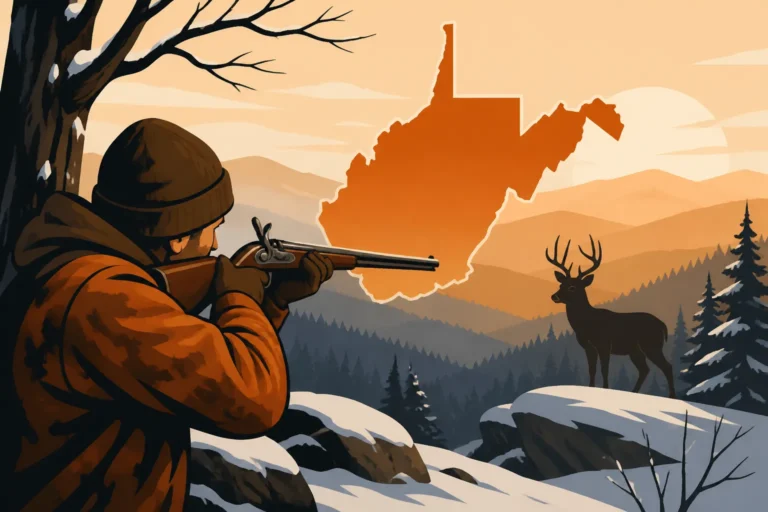
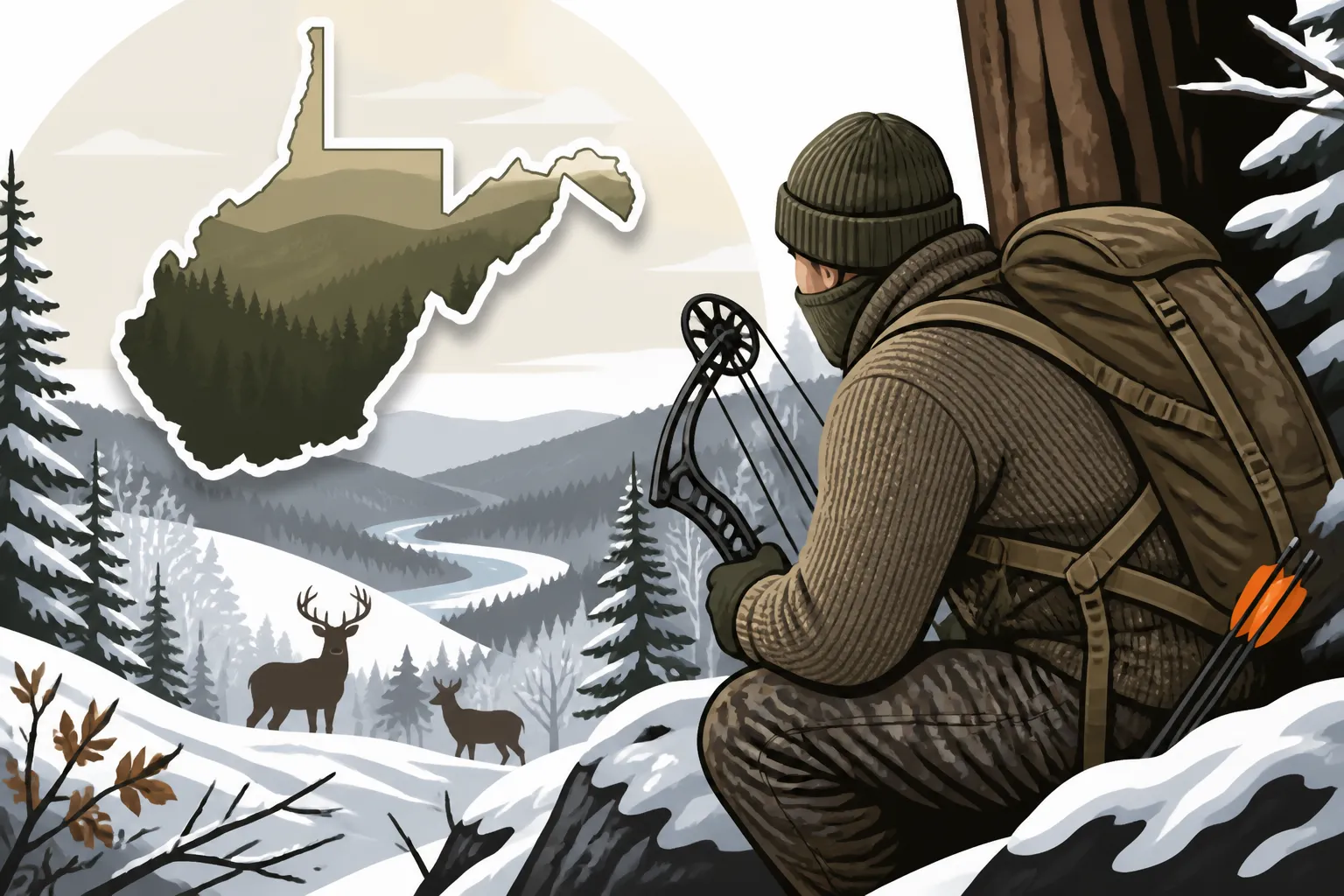
There’s nothing quite like a late-season hunt in West Virginia. You might be out there in late November or early December, when the whitetails are still moving, but the weather has taken a serious turn. Picture this: a light, wet snow starts to fall, clinging to every branch, and the temperature hovers just above freezing. You’re tucked into your stand on a Steep Allegheny Ridge, hoping for that big buck to come by, but you start to feel that chill seep into your bones. Your synthetic outer layers are soaked, heavy, and making a tell-tale swish with every slight movement. This guide is all about why wool, with its incredible ability to keep you warm even when wet and its natural stealth, is an absolute game-changer for these challenging conditions, and how to make it a cornerstone of your hunting kit.
The Unrivaled Advantage of Wool in West Virginia's Challenging Weather
West Virginia's weather is famously unpredictable. One moment it's crisp and clear, the next a cold rain or wet snow rolls in, often accompanied by biting winds. This is where wool truly shines, offering a level of comfort and protection that few other materials can match, especially when you're spending hours outdoors.
Staying Warm When Wet: The Core Benefit
This is, without a doubt, the single biggest reason why seasoned West Virginia hunters swear by wool, particularly during those damp, late-season hunts. Unlike synthetic insulation or even down, wool fibers retain a significant portion of their insulating properties even when they get wet. Think about it: you're sitting on a log, waiting for a West Virginia black bear to emerge, and a persistent drizzle begins. If you're wearing cotton, you're going to get cold, fast. Cotton absorbs moisture and then pulls heat away from your body, leaving you shivering and miserable. Synthetics are better, but once they're saturated, they often compact and lose their loft, diminishing their ability to trap warm air.
Wool, on the other hand, has a complex fiber structure that naturally wicks moisture away from your skin, pushing it to the outside of the fabric where it can evaporate. More importantly, the natural crimp in wool fibers creates countless tiny air pockets, and even when those fibers get damp, they don't collapse entirely. Those air pockets continue to trap body heat, providing warmth long after other materials have failed. This means that even if you're slogging through a creek bottom or get caught in a sudden downpour while Tracking a Deer Through West Virginia Leaf Litter, you'll stay significantly warmer than you would in other materials. It’s not just about staying dry; it’s about staying warm despite being damp.
Breathability and Temperature Regulation
Another aspect where wool excels is its remarkable ability to regulate your body temperature. We've all experienced it: that miserable feeling of hiking uphill, getting hot and sweaty, only to stop and quickly become chilled as your sweat cools on your skin. Wool helps mitigate this extreme swing. Its breathable nature allows excess heat and moisture vapor to escape when you're active, preventing that clammy, overheated feeling.
When you slow down or stop, the wool's insulating properties kick back in, retaining your warmth. This dynamic temperature regulation is crucial for hunters in West Virginia, who often face varied terrain and exertion levels. Whether you're making a long hike up a mountain to hunt Grouse Hunting Allegheny Highlands Cover or sitting motionless in a ground blind on a frosty morning, wool works with your body to keep you in that comfortable sweet spot, reducing the need to constantly shed or add layers. It's truly a "smart" fiber for unpredictable conditions.
Natural Odor Control: A Hunter's Secret Weapon
Let's be honest, scent control is a huge concern for any deer or bear hunter. Our human odor can travel far and wide, alerting wary game long before we even see them. While no garment can make you truly scent-free, wool offers a significant advantage in natural odor resistance compared to synthetics. Synthetic fibers are essentially plastic, and they provide a perfect breeding ground for the bacteria that cause body odor. After just a few hours in the woods, many synthetic garments can start to smell pretty ripe.
Wool, particularly merino wool, has natural antimicrobial properties. Its complex protein structure doesn't allow bacteria to thrive as easily, meaning you can wear wool layers for multiple days, even on demanding hunts, without them developing a strong scent. This is a massive benefit when you're on a multi-day backcountry trip in the Monongahela National Forest Hunting or when you simply don't have access to laundry facilities. Being able to pack fewer clothes and still maintain a lower scent profile is a huge advantage, especially when you're trying to outwit a mature whitetail buck that relies heavily on its nose.
Achieving Stealth: The Quiet Nature of Wool
In hunting, silence is golden. Every hunter knows the frustration of a deer flicking its tail and bolting because it heard a rustle you made. This is another area where wool stands head and shoulders above many modern synthetic fabrics.
Eliminating the "Swish" Factor
Have you ever tried to draw your bow or shoulder your rifle with a heavy synthetic jacket on, only for the fabric to make a loud swish or crinkle? It’s enough to make you want to scream, especially when that trophy buck is just out of range. Many synthetic outer layers, designed for water resistance or durability, are made from tightly woven or laminated materials that are inherently noisy. They might shed water beautifully, but they often sound like a plastic bag crinkling every time you move.
Wool, by its very nature, is incredibly quiet. The fibers are soft and have a natural drape. When you move, wool slides against itself or against other layers with barely a whisper. This is absolutely critical for close-range encounters, whether you're trying to get a shot on a bedded deer or attempting to call in a gobbler during Spring Turkey Hunting in West Virginia. The difference in noise between a wool jacket and a typical synthetic one is often the difference between success and failure in the field. When you're making slow, deliberate movements in thick cover, perhaps even trying Still-Hunting Cranberry WMA Ridges, the silence of wool is an invaluable asset.
Natural Camouflage and Texture
Beyond sound, wool's appearance also contributes to its stealth. Many high-tech synthetic fabrics have a subtle sheen or unnatural texture that can stand out in natural light, especially if they catch the sun. This can create an almost reflective quality that looks out of place in the muted, organic tones of the forest.
Wool, particularly traditional felted wool or even certain merino blends, has a matte finish and a natural, textured appearance that blends seamlessly into the environment. Its fibers absorb light rather than reflect it, making you less visible to the sharp eyes of deer, turkeys, and bears. When you’re trying to melt into the shadows or hold perfectly still as game passes by, this subtle visual advantage can make a real difference. It adds another layer of natural concealment that complements your camouflage pattern, helping you become one with the woods.
Movement Without Noise: Approaching Game Unnoticed
Imagine you’re stalking through a snowy woodlot in West Virginia, perhaps trying some Spot-and-Stalk Tactics for Mountain Bears or slipping into a Late-Season Food Sources for West Virginia Whitetails. Every step, every brush against a branch, every shift of your body needs to be as quiet as possible. This is where wool's combination of quietness and flexibility truly shines. It allows for fluid movement without the stiff, restrictive feel and noise often associated with heavier synthetic hunting gear.
The natural stretch and give of wool fabric means it doesn't bind or rub harshly, reducing frictional noise. This allows you to make subtle adjustments in your stand, draw your bowstring, or slowly raise your binoculars without creating a sound that will send an alert deer bounding away. For hunters who prioritize silent movement and close-range engagement, the peace of mind that comes from knowing your clothing isn't giving you away is priceless. It enables a level of confidence in your movements that synthetics often cannot provide, especially in those nerve-wracking moments when game is within earshot.
Choosing and Layering Wool for West Virginia Hunts
Okay, so you're sold on wool. Now what? The world of wool hunting gear is diverse, and understanding the types and how to layer them effectively for West Virginia's conditions is key to maximizing its benefits.
Merino, Traditional, and Blended Wools: What's the Difference?
When we talk about wool, it's not a one-size-fits-all situation. There are distinct types, each with its own advantages for hunting:
-
Merino Wool: This is probably what most people think of when they hear "high-performance wool." Merino sheep produce extremely fine, soft fibers that are incredibly comfortable against the skin. It's lightweight, highly breathable, excellent at wicking moisture, and boasts superior odor resistance. For West Virginia hunting, merino is fantastic for base layers and mid-layers. It provides warmth without bulk and performs exceptionally well when you're active, hiking into a stand or making an extended walk in the Cranberry Wildlife Management Area. Brands often use different "weights" (e.g., 150g, 250g, 350g) to denote thickness and warmth, allowing you to fine-tune your base layer for the conditions.
-
Traditional Wool (e.g., Loden, Melton, Shetland): This is the rugged, dense wool that hunters have relied on for generations. Think of those classic wool jackets and pants. Traditional wool is incredibly durable, often very warm, and highly resistant to wind and light precipitation due to its tight weave or felting. While it's not as soft or lightweight as merino, and can be quite heavy when wet, its sheer warmth and incredible silence make it a top choice for outer layers, especially for stationary hunting in cold, dry conditions. It’s perfect for a late-season sit when you need maximum thermal retention. It’s also often more affordable than high-end merino.
-
Blended Wools: Many manufacturers now combine wool with synthetic fibers like nylon, polyester, or spandex. These blends aim to get the best of both worlds: the warmth, quietness, and odor resistance of wool, combined with the durability, faster drying times, and stretch of synthetics. A merino-nylon blend, for instance, might be more robust for outer layers that see a lot of abuse, while a wool-polyester blend might dry quicker if you get thoroughly soaked. Always check the blend percentage to understand the dominant characteristics. Many hunters find these blends offer an excellent balance for varying West Virginia conditions, striking a balance between performance and practicality.
Strategic Layering for Varying Conditions
Layering is the name of the game in West Virginia, and wool fits into every part of the system. Getting your layering right is critical to staying comfortable and effective in conditions ranging from early archery season chill to deep winter cold.
- Base Layer (Next to Skin): This is where fine merino wool truly shines. A lightweight merino base layer (150-200g) will wick sweat away from your skin, help regulate temperature, and fight odor. For colder days, step up to a mid-weight (250g) merino. This is your foundation for comfort.
- Mid-Layer (Insulation): This layer provides the bulk of your warmth. Here, you can opt for heavier merino pieces, a wool fleece, or even a lightweight traditional wool sweater or vest. The goal is to trap warm air close to your body. On a truly cold day, you might even have two mid-layers – a lighter merino next to your base, and a heavier wool over that. This is your personal thermostat, allowing you to add or remove warmth as needed when you're moving or Hunting Deer After a Cold Front.
- Outer Layer (Protection): This is your shield against the elements. A traditional wool jacket or thick wool blend is an excellent choice here. Its density and quietness are perfect for movements in the stand or still-hunting. While many wool outer layers are naturally water-resistant, you might consider carrying a lightweight, packable waterproof shell (synthetic) in your pack to throw over your wool if the rain gets truly heavy. This keeps your primary wool insulation from becoming completely saturated, which, even for wool, will eventually compromise its warmth. Using a platform like GoHunt to research specific products and their water resistance ratings can be very helpful here.
Remember, the beauty of layering is adaptability. You might start your day with a base, mid, and outer layer. As you hike to your spot, you might shed the outer layer, or even the mid-layer, to prevent overheating. Once you settle in for a Cold-Weather Sitting Strategy in the Mountains, you can put those layers back on, trapping that warmth you generated. This active management of layers is vital for comfort and sustained focus, and wool makes it incredibly effective.
Essential Wool Pieces for Your Kit
If you're looking to integrate wool into your West Virginia hunting kit, here are some pieces I consider essential:
- Merino Base Layer Top and Bottom: A good set of merino long underwear is non-negotiable for anyone hunting in the cold. It’s comfortable, warm, and keeps you from smelling like a locker room after a day afield.
- Mid-Weight Wool Fleece or Sweater: This versatile piece can be worn over your base layer on cooler days or under a heavier outer layer when temperatures truly plummet. A 1/4 zip design offers good ventilation options.
- Heavy Wool Outer Jacket or Anorak: For those late-season gun or archery hunts when you're sitting for long periods, a thick, quiet wool jacket is a game-changer. Look for one with ample pockets and a good hood. While browsing gear discussions on platforms like GoHunt, you'll often see hunters debating the merits of different brands and weaves for this critical layer.
- Wool Beanie or Balaclava: You lose a lot of heat through your head, and a quiet, warm wool hat or balaclava makes a huge difference. It also helps with concealment.
- Wool Socks: This is probably the easiest and most impactful wool addition. Good quality merino wool socks will keep your feet warm, dry, and blister-free, even after long days of walking or sitting in a blind. They manage moisture better than cotton and provide cushioning.
- Wool Gloves or Liners: Thin merino glove liners can be worn under heavier gloves for added warmth, or on their own for dexterity in milder conditions. They offer warmth without bulk and maintain some insulation when damp.
Keeping Your Wool Gear in Top Shape
Wool is an investment, and like any good hunting gear, it performs best when properly cared for. A little attention goes a long way in ensuring your wool layers last for many West Virginia seasons.
Proper Cleaning Techniques
One of the beauties of wool is that it doesn't need to be washed as frequently as synthetics, thanks to its odor-resistant properties. However, when it does need a cleaning, it's important to do it right to protect the fibers.
- Read the Label: Always, always check the care tag first. Most merino wool items are machine washable on a gentle cycle with cold water. Traditional, dense wool items, especially outer layers, may require hand washing or dry cleaning.
- Use Mild Detergent: Avoid harsh detergents, bleach, or fabric softeners, as these can damage wool fibers. Opt for a wool-specific detergent or a mild, pH-neutral soap. Many outdoor gear companies offer detergents designed for technical fabrics, which work well for wool.
- Gentle Cycle, Cold Water: If machine washing, use the gentle or wool cycle with cold water. Hot water and agitation can cause wool to shrink or felt.
- Air Dry Flat: Never put wool in a hot dryer. High heat will cause irreversible shrinkage and damage. Instead, lay items flat on a clean towel or hang them to air dry away from direct sunlight or heat. Reshape them gently while damp. Drying racks or even mesh hammocks are great for this, ensuring good airflow. This slower drying process preserves the integrity of the wool fibers, ensuring your investment maintains its warmth and quietness for countless seasons in the woods.
Storage to Prevent Damage
Proper storage is critical, not just for wool but for all your gear, especially between seasons. The biggest threats to wool in storage are moths and other insects, and compression.
- Clean Before Storing: Ensure all wool items are thoroughly clean and dry before putting them away for an extended period. Any lingering scent or moisture can attract pests or lead to mildew.
- Airtight Containers: Store your wool in airtight containers, garment bags, or vacuum-sealed bags. This protects them from moths, carpet beetles, and other critters that love to munch on natural fibers. Adding cedar blocks or lavender sachets can provide an extra layer of natural protection (avoid direct contact with the wool).
- Avoid Compression: While vacuum bags save space, be mindful of over-compressing heavy wool outer layers for extended periods, as it can sometimes crush the fibers, reducing their loft and insulation over time. For longer-term storage, allowing them some room to breathe is ideal. Hang heavier wool jackets on wide, padded hangers to help them maintain their shape. Proper storage ensures that when you pull out your gear for West Virginia's Buck Gun Season, it's ready to perform.
Repairing and Extending the Life of Your Wool
Wool is durable, but snags, tears, or moth holes can happen. Don't discard a favorite piece; most wool items can be repaired, extending their lifespan and saving you money.
- Mending: Small holes or tears can often be hand-mended with a needle and thread. Matching the thread color and using a simple whip stitch or darning technique can make a repair almost invisible. For moth holes, a small patch of similar wool fabric can be sewn on from the inside.
- Pilling: Pilling is common with wool, especially merino, where small balls of fiber form on the surface due to friction. This doesn't affect performance but can be unsightly. Use a fabric shaver, lint roller, or even a sharp razor blade (carefully!) to remove pills.
- Professional Repair: For larger tears or significant damage, consider taking your wool garment to a tailor or a specialty outdoor gear repair shop. They often have the expertise and materials to restore your wool to excellent condition. Extending the life of your gear means you get more use out of your investment, allowing you to focus on the hunt itself, whether it's Hunting the West Virginia Rut in November or chasing squirrels in Squirrel Hunting West Virginia Bottomland Hardwoods. Many hunters who appreciate durable, long-lasting gear, and those who use resources like GoHunt to track their investments, also learn to be handy with repairs.
Disclaimer
This article is for general informational purposes only and does not constitute professional advice. Laws, prices and regulations vary by location and change over time. Consult a qualified professional for guidance on your specific situation.