West Virginia Feral Hog Regulations
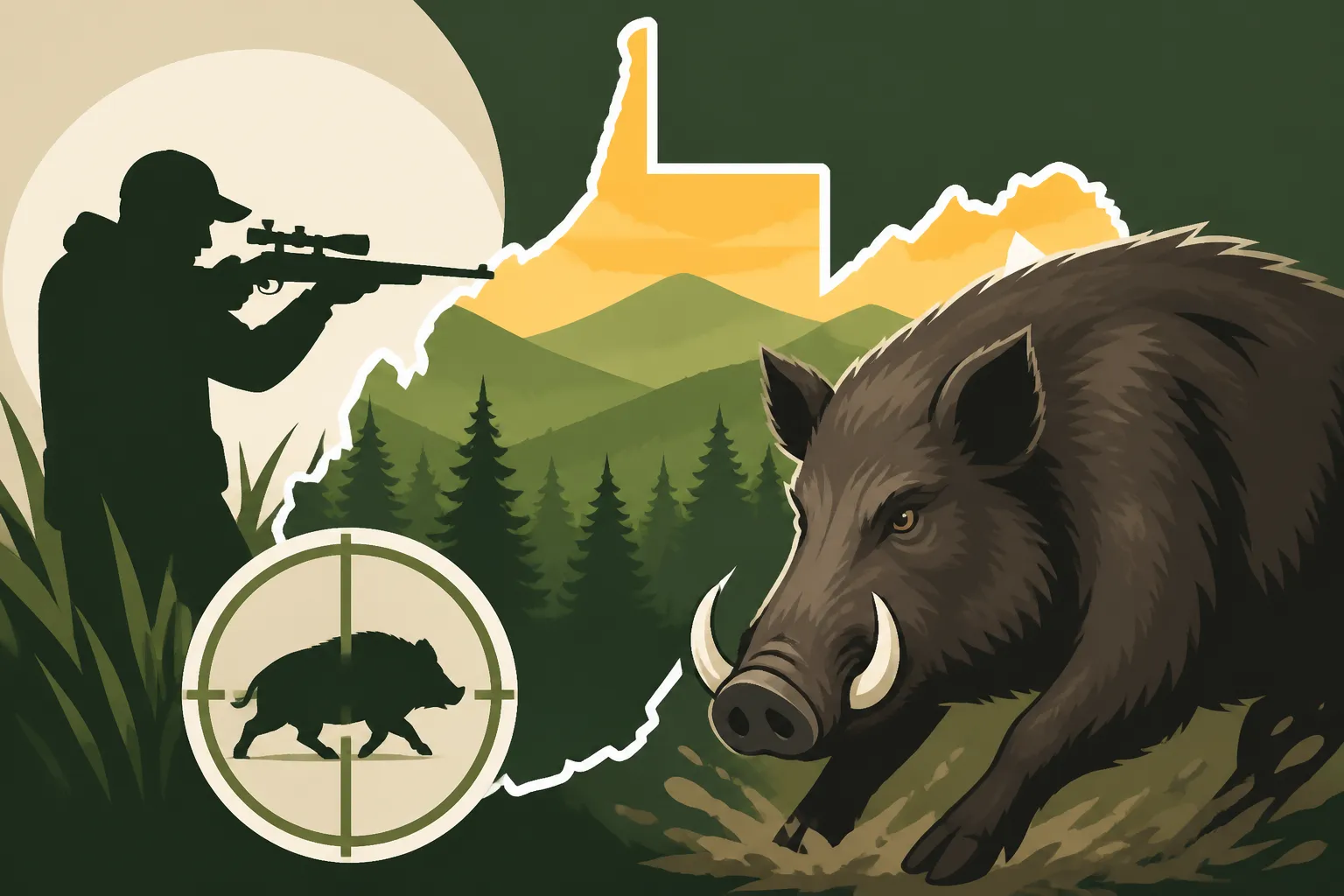
Oh, the elusive, destructive, and often misunderstood feral hog in West Virginia! Many of us hunters are scratching our heads, wondering what the actual rules are for pursuing these invasive critters. It feels like every time you turn around, there's a different rumor about what's legal and what's not, especially when you compare them to our more traditional deer or turkey seasons. This guide is here to cut through the confusion and give you a clear, comprehensive look at West Virginia's feral hog regulations, helping you understand how you can ethically and legally join the fight against this growing threat.
Understanding the Feral Hog Threat in West Virginia
Before we even dive into the nitty-gritty of regulations, it's crucial to understand why West Virginia has a specific, albeit sometimes confusing, approach to feral hogs. These aren't just another game animal; they're an ecological and agricultural menace that poses a significant threat to our beautiful wild spaces and the livelihoods of our farmers. They're in a league of their own, and the rules reflect that.
The Invasion of an Unwanted Species
For years, many of us in West Virginia might have thought of feral hogs as a problem for states further south, like Texas or Florida. But sadly, they've made their unwelcome presence known in the Mountain State, and their numbers are growing. These aren't just farm pigs that got loose; many are a mix of domestic and European wild boar stock, giving them incredible resilience, intelligence, and a capacity for rapid reproduction. They arrived in various ways—sometimes escaping domestic farms, sometimes illegally introduced by individuals hoping to create new hunting opportunities (a practice that has proven disastrous everywhere it's occurred).
The problem with these animals is their incredible adaptability. They thrive in various habitats, from dense forests to agricultural fields, and once they establish a foothold, they are incredibly difficult to eradicate. They move in sounders, groups typically led by a sow, and their range expands continuously. We've seen their signs now in numerous counties, and what might have started as isolated pockets is steadily growing into a more widespread issue. The West Virginia Division of Natural Resources (WVDNR) has been tracking their spread, and the trend isn't encouraging. Understanding their tenacious nature helps us appreciate why the state's stance on them is so aggressive.
Ecological and Agricultural Damage Hogs Cause
The damage caused by feral hogs isn't just a minor inconvenience; it's truly devastating. Ecologically, they're bulldozers. Their incessant rooting behavior, where they use their powerful snouts to dig up soil in search of roots, tubers, and insects, destroys native vegetation, damages critical forest regeneration, and contaminates water sources. This rooting also disrupts the delicate balance of our ecosystems, impacting everything from ground-nesting birds and small mammals to the food sources available for our native wildlife like deer and turkeys.
Agriculturally, the picture is even grimmer for our local farmers. Feral hogs can wipe out entire crop fields overnight, costing farmers thousands of dollars in losses. They're not picky eaters; corn, soybeans, hayfields, and even pastures are all fair game. Beyond crops, they damage fences, irrigation systems, and livestock infrastructure, leading to costly repairs. Their presence also creates a constant threat of disease transmission to domestic livestock, including diseases like brucellosis and pseudorabies, which can have significant economic impacts on the state's agricultural industry. The WVDNR and agricultural agencies are constantly fielding reports of crop damage hogs cause in West Virginia, highlighting the critical need for robust management strategies.
West Virginia's Unique Legal Framework for Feral Hogs
This brings us to the core of the matter: how West Virginia legally classifies and regulates feral hogs. Unlike deer, bear, or turkey, which are designated game animals with very specific seasons, bag limits, and methods of take, feral hogs fall under a different, more open category. This difference is key to understanding the regulations, and it often trips up hunters who are used to the strict frameworks of traditional hunting seasons.
Why Hogs Aren't 'Game Animals' Here
In West Virginia, feral hogs are not classified as game animals. This is a deliberate and critical distinction made by the WVDNR. Why? Because classifying them as game animals would imply a desire to manage them for sustainable hunting, to maintain a healthy population for recreational take. However, with feral hogs, the goal is precisely the opposite: eradication or, at the very least, significant population reduction. They are considered an invasive, destructive species that the state actively wants to minimize, not propagate.
This non-game status means that many of the typical hunting regulations simply don't apply. There are no statewide "hog seasons," no bag limits, and fewer restrictions on methods of take, especially on private land. The state wants to empower landowners and hunters to remove these animals whenever and wherever possible, without the bureaucratic hurdles associated with managing a game species. It's a reflection of the severe threat they pose and the urgency with which their populations need to be controlled.
Key Differences from Deer or Bear Regulations
Because feral hogs are not game animals, the rules for pursuing them diverge significantly from what you might be accustomed to when Bowhunting West Virginia's Long Archery Season or participating in West Virginia's Buck Gun Season. Here are some of the major distinctions:
- No Closed Season: For game animals, you have very specific opening and closing dates. For feral hogs on private land, it's year-round. This continuous pressure is vital for control, as hogs reproduce incredibly quickly.
- No Bag Limits: There's no limit to how many feral hogs you can harvest. The WVDNR encourages hunters to take as many as they can, as often as they can.
- Night Hunting: This is almost universally prohibited for traditional game animals (with rare exceptions for nuisance permits). For feral hogs on private land, night hunting with lights is generally permitted, as it's an effective way to target these nocturnal creatures.
- Baiting: While baiting is often restricted or forbidden for deer and bear in many areas, it's often a common and legal tactic for feral hogs on private land.
- Weapon Restrictions: While there are still some common-sense safety and ethical considerations, the specific weapon restrictions you see for certain game seasons (e.g., caliber restrictions for deer, specific shot sizes for turkey) are often relaxed for hogs, especially on private property. This allows hunters more flexibility in effective removal.
- Reporting: While you must report a deer harvest through the Go Wild West Virginia system, there are typically no mandatory reporting requirements for individual hog harvests, though reporting sightings of hogs to the WVDNR is highly encouraged to help with tracking their spread.
These differences highlight the emergency status of feral hog management. The state isn't trying to conserve a population; it's trying to mitigate a crisis.
Hunting Feral Hogs on Private Land: Maximum Flexibility
If you're a landowner, or you have permission to hunt on private land in West Virginia, this is where you have the most flexibility and the fewest restrictions when it comes to pursuing feral hogs. The state essentially gives landowners and those with permission a wide berth to manage these pests as aggressively as possible. This is where you can truly leverage various tactics to make a dent in local populations.
Year-Round Opportunities and Night Hunting
One of the most appealing aspects of hunting feral hogs on private land is the sheer lack of temporal restrictions. There's no "season" for hogs; they can be hunted year-round. This means you don't have to wait for a specific window, nor do you have to stop when deer season ends. This continuous opportunity is crucial because feral hogs breed quickly, often having multiple litters a year with large numbers of piglets. Consistent pressure helps disrupt their breeding cycles and reduces their numbers before they can expand further.
Furthermore, West Virginia's Year-Round Hog Rule on Private Land explicitly allows for night hunting with lights on private property, provided you have the landowner's permission. This is a game-changer for hog control. Feral hogs are largely nocturnal, especially in areas with human disturbance. Hunting them at night, often with thermal optics or powerful spotlights, can be incredibly effective. Imagine the frustration of seeing extensive rooting damage in your fields every morning, but never seeing the culprits during daylight hours. Night hunting solves that problem, giving you a distinct advantage. Remember, however, that while night hunting is permitted on private land, it's generally still restricted on public lands due to safety and wildlife disturbance concerns. Always double-check county ordinances or specific WMA rules if you're ever in doubt. Using a good mapping application like GoHunt can help you clearly identify property boundaries to avoid any accidental trespassing.
Methods and Equipment Permitted
The relaxed regulations on private land also extend to the methods and equipment you can use to pursue feral hogs. While common sense and ethical hunting practices should always prevail, hunters on private land have a broad array of tools at their disposal.
- Firearms: Most legal firearms, including rifles, shotguns, and handguns, are permitted. Unlike deer season, where certain calibers or ammunition types might be specified, for hogs on private land, you generally have more leeway. Many hunters opt for higher-powered rifles for quick, humane kills, while others use shotguns with slugs or buckshot at closer ranges. The key is to use a weapon you are proficient with and that is sufficient for a clean kill.
- Archery Equipment: Bows and crossbows are also effective tools. If you're an avid archery hunter, taking a hog with your bow can be an exciting challenge. Just ensure your broadheads are sharp and your shot placement is precise, as hogs are tough animals. You can find more specific rules regarding Crossbow Rules During West Virginia Archery Season if you want to understand the state's baseline for archery gear, though hog rules are typically more permissive.
- Trapping: Trapping West Virginia Feral Hogs is often the most effective method for population reduction, especially when dealing with entire sounders. Large corral traps or box traps, baited with corn, are highly successful. This method allows for the capture of multiple animals at once, which is critical for making a real impact on their numbers. Trapping requires diligent monitoring and proper execution, but it's a powerful tool in a landowner's arsenal.
- Dogs: The use of dogs for hunting feral hogs is also common on private land, provided the landowner approves. This can range from bay dogs that corner the hog to catch dogs that physically restrain it. This method requires experienced dogs and handlers, as it can be dangerous for both the animals and the hunters.
- Baiting: As mentioned, baiting is a highly effective and generally permitted tactic on private land. Corn is the most common bait, often fermented to increase its attractiveness. Placing bait in strategic locations, perhaps in conjunction with trail cameras, can draw hogs into a specific area for hunting or trapping.
Always confirm specific local ordinances or homeowner association rules if you live in a more suburban or developed area, as these might add additional restrictions even on private land. For example, some areas might have West Virginia Suburban Archery-Only Zones for deer management that could influence what's considered safe for hog hunting. However, for most rural private land, the options are wide open.
| Regulation Aspect | Private Land (with permission) | Public Land (WMA, National Forest) |
|---|---|---|
| Season | Year-round | Only during established legal hunting seasons for other game animals (e.g., deer, bear, turkey) |
| Bag Limit | No limit | No limit |
| Hunting Hours | Day and Night (with lights permitted) | Daylight hours only (typically 1/2 hour before sunrise to 1/2 hour after sunset) |
| Weapon Type | Most legal firearms, bows, crossbows | Weapons legal for the concurrent open game season (e.g., rifle during buck gun season) |
| Baiting | Generally permitted | Generally NOT permitted (check specific WMA rules) |
| Use of Dogs | Generally permitted (for hunting/trapping) | Generally NOT permitted (check specific WMA rules) |
| License Required | Yes, valid hunting license | Yes, valid hunting license & WMA access permit if applicable |
| Reporting Harvest | Not mandatory (but reporting sightings encouraged) | Not mandatory (but reporting sightings encouraged) |
Navigating Public Land for Feral Hog Hunting
Hunting feral hogs on West Virginia's extensive public lands, such as Wildlife Management Areas (WMAs) and the Monongahela National Forest, introduces a few more layers of complexity compared to private land. While the WVDNR still wants to see hogs removed, the need to manage public safety, minimize disturbance to other wildlife, and ensure fair chase for game animals means there are more limitations. It's a balancing act, and understanding these specific rules is crucial to staying legal and safe.
Specific Rules for Wildlife Management Areas (WMAs) and National Forests
When you step onto a WMA or into the National Forest, you're entering a different regulatory environment. For feral hogs on public land, the fundamental rule is that they can only be hunted during established, legal hunting seasons for other game animals. This means if it's not deer season, bear season, or fall turkey season, you generally cannot be out there actively pursuing hogs on public land, even if you see them. The specific weapon you can use is also tied to the open game season. For example, during bow season, you can only use archery equipment. During rifle season, you can use a rifle. This prevents hunters from being out in the woods with firearms when only archery is permitted for deer, minimizing conflict and safety issues.
It's also important to remember that most public lands, especially WMAs, may have additional specific regulations. For example, the use of baiting for hogs is typically not permitted on WMAs or National Forest land, adhering to fair chase principles for game animals. Similarly, night hunting is generally prohibited on public lands. Always check the WVDNR's current regulations manual and look for any specific rules posted at the WMA you plan to hunt. A thorough scouting trip, perhaps using resources from platforms like GoHunt that show public land boundaries and WMA specifics, can help you understand the terrain and any local nuances before you head out.
The goal here isn't to discourage hog hunting on public land, but to integrate it seamlessly into the existing hunting framework without disrupting other seasons or creating undue safety risks. If you're planning a trip to the Cranberry Wildlife Management Area or exploring other parts of Monongahela National Forest Hunting, be sure to align your hog hunting efforts with an active game season.
Understanding Seasonal and Weapon Restrictions on Public Access
This is probably the biggest hurdle for hunters looking to pursue hogs on public land: you can't just go out any time you want. Your hog hunting window is entirely dictated by other open seasons.
- Coinciding with Deer Season: This is usually the primary opportunity. If you're out during West Virginia's Buck Gun Season or even during the archery or muzzleloader seasons, and you encounter a feral hog, you are generally permitted to take it, provided you are using a legal weapon for that concurrent season. So, if you're carrying your rifle during rifle season, you're good. If you're carrying your bow during archery season, you're good. But you can't carry a rifle during archery-only season just to target hogs.
- Small Game or Turkey Seasons: Sometimes, there might be overlap with small game seasons or fall turkey seasons. Again, if you are legally hunting squirrels with a .22 rifle, and a hog presents itself, it may be legal to take it. The key is that your presence and equipment must be legal for a designated game species during that specific time and in that specific area.
- Weapon Legality: This ties directly into the season. The weapons you use to hunt hogs on public land must be the same weapons that are legal for the open game season. For example, during the archery season, you'd be limited to archery equipment. If the rifle season is open, then rifles legal for deer hunting (which you can learn more about by checking West Virginia Legal Firearms for Deer Hunting) would also be legal for hogs.
- General Hunting License Required: Even though hogs aren't game animals, you still need a valid West Virginia hunting license to hunt them on public land. If you're hunting on certain WMAs, you might also need a West Virginia WMA Access Permit. Always have your license and any required permits on you.
This framework is designed to prevent open, uncontrolled hunting of a non-game animal that could lead to safety concerns, habitat degradation, or harassment of native game species outside of designated seasons. It means hog hunting on public land often becomes an opportunistic endeavor, a bonus to your regular deer or bear hunt.
Important Considerations and Best Practices for Hog Hunters
Hunting feral hogs isn't just about understanding the legalities; it's also about being a responsible, ethical, and safe hunter. Because these animals present unique challenges, there are several best practices you should adopt to ensure you're doing your part for wildlife management and public health.
Carcass Disposal and Disease Prevention
Unlike deer or turkey, where the focus is almost always on harvesting for meat, with feral hogs, carcass disposal and disease prevention are paramount. Feral hogs are known carriers of a variety of diseases that can affect humans, domestic animals, and native wildlife. This is not something to take lightly.
- Wear Gloves: Always wear disposable gloves when field dressing a feral hog. Avoid direct contact with blood and internal organs.
- Thorough Cooking: If you choose to consume feral hog meat, cook it thoroughly to an internal temperature of at least 160°F (71°C) to kill any potential pathogens. Avoid eating undercooked hog meat.
- Proper Disposal: This is critical. Do not just leave a hog carcass in a public area or near a water source. If you're on private land, bury the carcass deeply (at least 2-3 feet) to prevent scavengers from spreading diseases. If burial isn isn't feasible, contact your local WVDNR office for guidance on disposal. This is especially important in areas with confirmed diseases in other species. For example, while not directly related to hogs, understanding protocols like Handling Venison From a CWD Containment Area gives you a sense of the serious approach West Virginia takes to wildlife disease. The goal is to prevent the spread of any potential pathogens.
- Observe for Sickness: If a hog appears visibly sick or diseased (e.g., has lesions, appears lethargic, or has abnormal growths), it's best not to consume the meat. Report the sighting and its condition to the WVDNR. This directly ties into the broader effort of Reporting a Sick Animal in West Virginia for disease monitoring.
- Clean Equipment: Thoroughly clean and disinfect all knives, equipment, and boots after handling a feral hog to prevent accidental disease transmission.
It's tempting to think of any wild game as a meal, but with feral hogs, an abundance of caution regarding disease is always the wisest approach.
Ethical Hunting and Landowner Relations
Even though feral hogs are an invasive pest, ethical hunting principles still apply. Responsible hunters contribute positively to wildlife management and maintain a good public image for hunting.
- Humane Kills: Always strive for a quick, humane kill. Feral hogs are tenacious, and poor shot placement can lead to wounded animals that suffer or escape, potentially becoming even more wary. Practice with your chosen weapon to ensure proficiency.
- Respect Private Property: If you're hunting on private land, ensure you have explicit permission from the landowner. Understand and respect their boundaries and any specific requests they may have. Always be aware of your surroundings to avoid accidental trespassing, which can lead to legal issues and sour landowner relations. Even if you have permission to hunt deer, always confirm that hog hunting is also permitted. For more on this, check out West Virginia Trespass and Permission Law.
- Public Land Courtesy: On public lands, be mindful of other hunters, hikers, and outdoor enthusiasts. Avoid tactics that could endanger others or disrupt their experience. This includes being aware of your surroundings, especially when hunting close to trails or developed areas.
- Follow All Laws: Even with the relaxed hog regulations, there are still overarching hunting and firearms laws that apply. Always have your license, avoid hunting under the influence, and follow all safety protocols. Using tools like GoHunt can help you verify current regulations for specific public land parcels, ensuring you're always operating within the law.
- Consider Local Impact: While you might be eager to shoot any hog you see, consider the local impact of your efforts. Sometimes, removing just a few hogs can cause a sounder to disperse and become harder to track. For larger problems, coordinating with landowners and potentially employing trapping methods for an entire sounder can be more effective.
Being a good steward of the land and a considerate hunter helps everyone. It builds trust with landowners and ensures that the broader hunting community is seen as a vital part of conservation efforts, not just as opportunistic shooters.
Reporting Sightings and Hog Damage to the WVDNR
You might think that because hogs aren't game animals, the WVDNR isn't interested in every sighting or harvest. But that couldn't be further from the truth. In fact, reporting your observations is one of the most crucial ways you can contribute to the larger effort of feral hog management in West Virginia. The WVDNR relies heavily on public input to track the spread and density of these invasive animals.
Why Your Observations Matter
The WVDNR needs data to effectively manage the feral hog population. They can't be everywhere at once, and their resources are finite. Every sighting, every sign of rooting damage, and every hog harvested provides valuable information that helps wildlife biologists understand:
- Where hogs are spreading: This allows them to update their distribution maps and identify new areas of concern. Knowing Which West Virginia Counties Have the Most Hogs is continuously informed by hunter and public reports.
- Population density: While difficult to get exact numbers, repeated sightings in an area can indicate a growing problem.
- Effectiveness of control efforts: If reports from a particular area decline after intensive hunting or trapping, it suggests success.
- Disease monitoring: Reporting sick animals or unusual mortalities can alert the WVDNR to potential disease outbreaks within the hog population, which could then spread to other wildlife or livestock.
- Resource allocation: Knowing where the problems are most severe helps the WVDNR decide where to focus their own monitoring and control resources.
Think of yourself as a vital intelligence gatherer in the fight against this invasive species. Your casual observation on a deer hunt could be the piece of the puzzle that helps the WVDNR intervene in a critical new area before the problem gets out of hand.
How to Report and Assist Management Efforts
Reporting is typically straightforward and usually involves contacting your local WVDNR office or using their online reporting system if available. Here's a general guide:
- Contact Local WVDNR: The most direct method is often to call your regional WVDNR office. You can find their contact information on the official WVDNR website.
- Provide Details: When reporting, be as specific as possible. Include:
- Date and time of sighting/harvest: This helps track movement patterns.
- Exact location: GPS coordinates are ideal, but specific road names, nearest landmarks, or even a pinpoint on a map (like what GoHunt provides) are incredibly helpful.
- Number of hogs observed: Was it a single hog, a sounder of five, or twenty?
- Size/description: Adult, juvenile, male, female – any details help.
- Activity: Were they rooting, feeding, crossing a road?
- Damage observed: If you found rooting damage, describe its extent and location.
- Photos/Videos: If you have any photos or videos of the hogs or the damage they caused, include them. Visual evidence can be extremely valuable for confirmation.
- Report Sick Hogs: If you encounter a hog that appears sick or deceased for unknown reasons, report it immediately and avoid direct contact. This is crucial for disease surveillance.
- Cooperate with Officials: If the WVDNR follows up with you, be prepared to answer more questions or provide additional details. Your cooperation is essential to their efforts.
Some WVDNR offices may have specific forms or online portals for reporting invasive species. Check their website first to see their preferred method. By taking a few minutes to report your observations, you're actively participating in the management of West Virginia's natural resources and helping protect our state from the destructive impact of feral hogs.
The Future of Feral Hog Management in West Virginia
Feral hogs are not a problem that will simply go away on its own. Their incredible reproductive capacity and destructive habits mean that active, ongoing management is absolutely essential. The future of feral hog control in West Virginia will undoubtedly involve a multi-pronged approach, with hunters playing a crucial, yet sometimes misunderstood, role.
Ongoing Research and Control Initiatives
The WVDNR and other state agencies are not sitting idly by. They are actively engaged in understanding the dynamics of West Virginia's feral hog populations and implementing control measures. This includes:
- Population Monitoring: As mentioned, public reporting is key, but WVDNR biologists also conduct their own surveys, track movements, and monitor the spread of hogs using various methods. This helps them understand How Many Feral Hogs West Virginia Has and where they are concentrated.
- Genetic Studies: Understanding West Virginia Feral Swine Genetics and Origin can provide insights into how they arrived and how best to manage specific populations. Are they primarily escaped domestic stock, or do they have a strong wild boar lineage? This can influence their behavior and susceptibility to control methods.
- Trapping Programs: In areas of high concentration or where eradication is a serious goal, the WVDNR might implement targeted trapping programs, often involving large, sophisticated traps capable of catching entire sounders. This is particularly effective because it removes multiple animals at once, including breeding sows.
- Public Outreach and Education: Educating the public, especially landowners and hunters, about the threat of feral hogs and the appropriate management techniques is a continuous effort. This includes discouraging illegal introductions and promoting responsible hunting practices.
- Coordination with Other States: Feral hogs don't respect state lines. The WVDNR often coordinates with neighboring states to share information and strategies, as a regional approach is often more effective.
These initiatives are long-term commitments, reflecting the persistent nature of the feral hog problem. They require consistent funding, dedicated personnel, and, most importantly, the active participation of West Virginia's citizens.
The Role of Hunters in Population Control
As hunters, we are on the front lines of defense against feral hogs. Our ability to traverse difficult terrain, understand animal behavior, and effectively remove individuals or entire sounders makes us invaluable partners in management efforts.
- Pressure and Opportunity: By consistently hunting hogs, especially on private land where regulations are most liberal, hunters provide year-round pressure that helps keep numbers down and prevents local populations from exploding. Every hog removed is one less animal destroying habitat and reproducing.
- Targeted Removal: Hunters can often target specific problem areas identified by landowners, providing rapid response to immediate threats like crop destruction.
- Scouting and Reporting: Beyond the act of hunting, hunters are crucial scouts. We spend countless hours in the woods, observing wildlife and their signs. Reporting these observations directly contributes to the WVDNR's understanding of the hog population. When you're using a mapping system like GoHunt to scout for deer, keep an eye out for hog sign and make a mental note to report it.
- Advocacy and Education: Responsible hunters can also advocate for sound management policies and educate non-hunters about the importance of controlling invasive species. Debunking myths and explaining the ecological damage helps build broader support for hog control efforts.
- Ethical Practices: Adhering to ethical hunting practices and prioritizing disease prevention ensures that our efforts are constructive and don't create new problems.
Ultimately, the goal isn't just to hunt feral hogs for recreation, but to protect West Virginia's native wildlife, agricultural lands, and ecosystems. By understanding and following the regulations, reporting our observations, and practicing responsible hunting, we hunters can continue to be critical partners in the ongoing fight against this formidable invasive species.
Disclaimer
Please remember that hunting regulations can change. While this guide provides a comprehensive overview based on current information, it is always your responsibility to consult the most recent West Virginia Hunting and Trapping Regulations Synopsis published by the West Virginia Division of Natural Resources (WVDNR) before engaging in any hunting activities. Always prioritize safety and ethical practices.