West Virginia Feral Hog Diet and Rooting Damage
If you've spent any time in West Virginia's wild places, or even near agricultural fields in certain parts of the state, you've likely seen the tell-tale signs of destruction: fields that look like they've been rototilled, forest floors upturned, and landscapes scarred by an unseen force. That force, more often than not, is the relentless and highly destructive feral hog. These animals are a growing concern for hunters, farmers, and landowners alike, and understanding their diet and the damage they inflict is crucial for anyone living in or managing land in their range. This guide will take a deep dive into what exactly these opportunistic eaters consume and the widespread rooting damage they cause, offering insight into managing this invasive species.
The Unstoppable Appetite: What West Virginia's Feral Hogs Devour
Feral hogs are perhaps best described as living rototillers with an insatiable appetite, capable of thriving on an incredibly diverse diet. They aren't picky eaters, which is a big part of why they've been so successful at establishing and expanding their populations across the state, especially in the southern counties where sightings are becoming more common. Understanding their varied diet helps us grasp the extent of the impact they have on our ecosystems and agricultural lands.
Foraging in Nature: Acorns, Roots, and Tubers
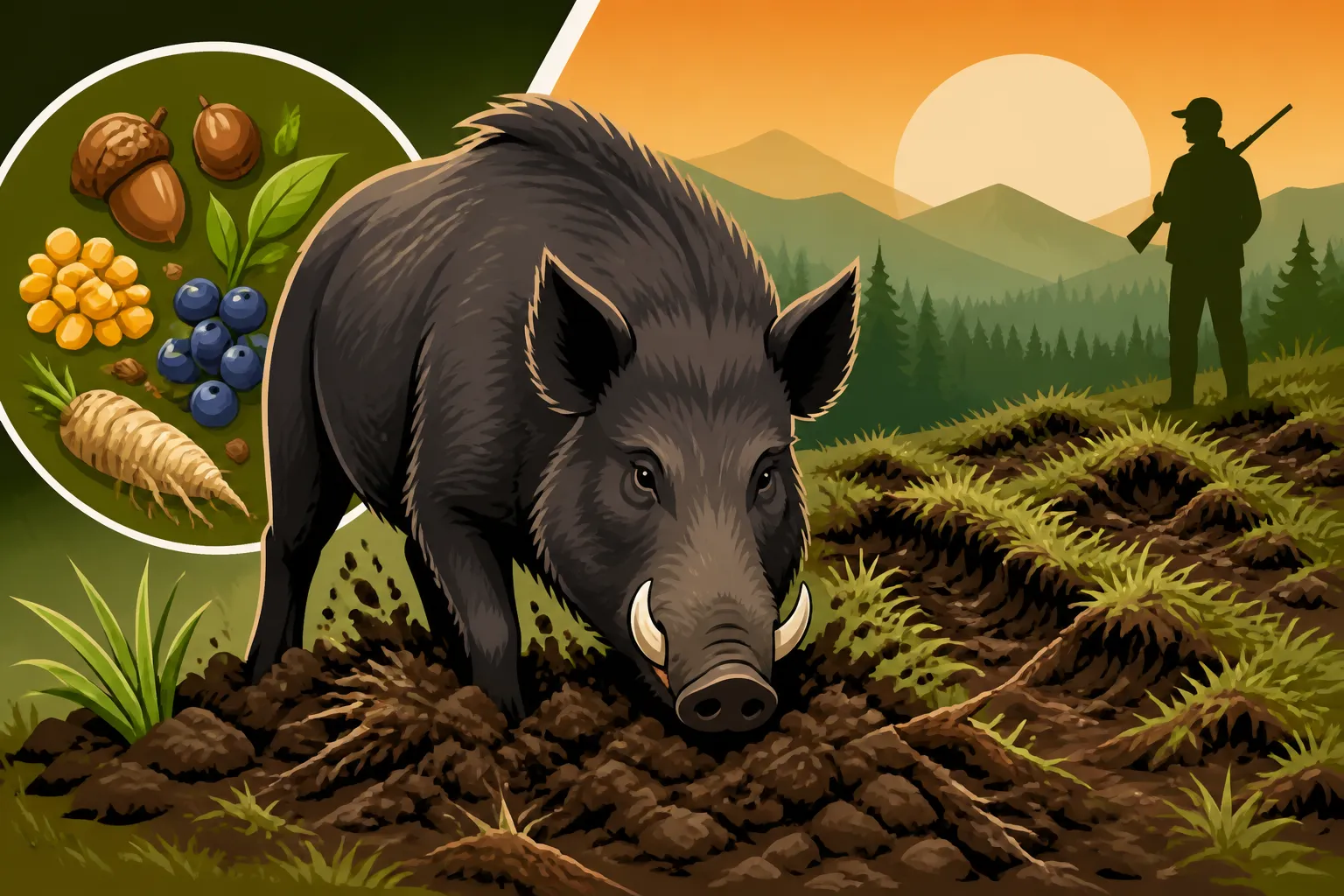
When left to their own devices in natural settings, feral hogs will primarily feast on what the land provides. West Virginia's abundant hardwood forests, especially those rich in oaks, chestnuts, and hickories, are a smorgasbord for these animals. Acorns are a particular favorite, representing a high-energy food source that can drive significant weight gain and reproductive success. These hogs will root tirelessly through the leaf litter, overturning vast swathes of ground in search of fallen mast.
Beyond nuts, their powerful snouts are perfectly adapted for digging deep into the soil to unearth roots, tubers, and fungi. They're like living plows, turning over massive sections of forest floor, river bottoms, and even high-elevation benches in pursuit of these underground morsels. This constant rooting disturbs native plant communities, destroys the delicate soil structure, and can even compromise the root systems of mature trees. It's a relentless search for sustenance, and anything in the way of their powerful snouts is fair game. Many hunters scouting for deer sign in areas with known hog populations often mistake this extensive rooting for bear activity, but a closer look will usually reveal the more linear, continuous disturbance left by hogs.
Raiding the Fields: Agricultural Crops as a Primary Target
While wild forage keeps them going, nothing draws a feral hog like an easy meal in a farmer's field. West Virginia's agricultural lands, particularly those growing corn, soybeans, and other grain crops, are prime targets. Once a sounder of hogs discovers a crop, they can cause catastrophic damage in a single night. They don't just eat what they need; they often trample, root up, and foul far more than they consume, rendering vast sections of a field unusable.
A farmer might plant a beautiful field of corn, only to come back a week later and find large sections mowed down or rooted out, creating muddy, impassable trenches. The economic impact can be devastating, especially for smaller operations. Soybeans are also vulnerable, with hogs pulling up young plants or rooting for mature pods. These animals are incredibly intelligent and learn quickly where the best food sources are, often establishing travel corridors from dense cover to prime feeding grounds. Utilizing mapping tools like those found on GoHunt can help landowners identify these corridors and plan effective mitigation strategies. Farmers often report these animals behaving like a force of nature, moving in and out under the cover of darkness, making them notoriously difficult to catch in the act.
Opportunistic Omnivores: Fawns, Eggs, and Carrion
It's not just plant matter that appeals to feral hogs. They are true omnivores and highly opportunistic predators and scavengers. This is one of the most concerning aspects of their presence in West Virginia, as it directly impacts native wildlife populations. They will actively hunt and consume deer fawns, especially during the critical fawning season when young deer are most vulnerable. This predation adds significant pressure to an already struggling fawn recruitment rate in some areas, compounded by other predators like coyotes.
Ground-nesting birds, such as wild turkeys and ruffed grouse, also suffer. Hogs will systematically root out and consume entire nests of eggs, destroying the future generation of game birds. This predation on eggs and young birds can severely impact local populations, especially in areas where habitat might already be marginal. Furthermore, they are not above scavenging carrion, meaning they'll readily consume dead animals, including deer that might have been hit by cars or died of natural causes. This behavior contributes to the potential spread of diseases within the ecosystem. Their sheer versatility in diet makes them incredibly adaptable, allowing them to exploit nearly any food source available, solidifying their role as an ecological threat.
The Scars They Leave: Understanding Feral Hog Rooting Damage
The damage inflicted by feral hogs goes far beyond just what they consume. Their constant, aggressive rooting behavior leaves lasting scars on the landscape, impacting everything from soil health to water quality and, of course, the livelihoods of farmers and the integrity of natural habitats. This isn't just a minor disturbance; it's a profound alteration of the environment, often requiring significant resources to remediate.
Agricultural Annihilation: Destroyed Fields and Lost Yield
For farmers, feral hogs are an unmitigated disaster. Imagine waking up to find your carefully planted corn or soybean field, which represents months of hard work and thousands of dollars in investment, utterly ruined. Hogs will root up rows of crops, dig massive trenches, and compact the soil with their heavy bodies, making it difficult for farm equipment to pass and impossible for remaining crops to grow properly. The ground often looks like a battlefield, a muddy, pockmarked expanse where once there was a promising harvest.
This damage often leads to significant economic losses, not just from the destroyed crops but also from the cost of replanting (if even possible), repairing equipment damaged by uneven terrain, and implementing mitigation measures like fencing or trapping. In some cases, farmers are forced to abandon entire sections of fields or switch to less profitable crops that might be more resistant to hog damage. The sheer scale of destruction, coupled with their nocturnal habits, makes them incredibly frustrating to deal with. Landowners frequently share stories of their immense frustration, highlighting how a sounder of hogs can render thousands of dollars of investment worthless in a single night.
Ecological Catastrophe: Forest and Wildlife Habitat Degradation
Beyond agriculture, feral hog rooting causes extensive damage to natural ecosystems, threatening West Virginia's biodiversity. Their rooting activity loosens and displaces soil, leading to increased erosion, especially on steeper slopes or near waterways. This eroded soil can then wash into streams and rivers, degrading water quality and impacting aquatic life. The sediment clogs stream beds, smothers fish eggs, and reduces habitat for invertebrates, which are crucial food sources for fish and other wildlife.
Their ceaseless search for roots and mast destroys native plant communities. They can wipe out understory vegetation, including crucial food sources for deer, turkeys, and other native species. This disturbance can also facilitate the spread of invasive plant species, which often thrive in disturbed soil and outcompete native flora. By consuming acorns and other tree seeds, they directly interfere with forest regeneration, altering the future composition of West Virginia's woodlands. Hunters often observe these changes in favorite spots, noticing a stark decline in mast or undergrowth after hog activity, which impacts game movement and availability. Identifying areas with high mast crop via scouting tools like GoHunt can reveal potential hog hotspots.
Property Peril: Lawns, Roads, and Infrastructure
The impact of feral hogs isn't confined to remote forests or sprawling farms. They often venture into more populated areas, especially when food sources are abundant, leading to property damage that can be both costly and infuriating for homeowners. Imagine waking up to find your neatly manicured lawn torn to shreds overnight, looking like a bomb went off. Hogs will root up turf in search of grubs, worms, or other edibles, leaving behind a ruined landscape.
They also pose a threat to infrastructure. Their rooting can undermine roads, trails, and even small dams or levees, leading to structural instability and expensive repairs. Golf courses, parks, and even cemeteries have reported significant damage from these persistent foragers. The financial burden of repairing such widespread property damage can be substantial, and the constant threat of recurrence is a major headache for property owners. This makes managing hog populations not just an agricultural or ecological imperative, but a matter of public safety and property protection.
Here's a quick look at the types of damage caused by feral hog diets:
| Food Source Category | Specific Examples | Type of Rooting Damage & Impact |
|---|---|---|
| Natural Forage | Acorns, roots, tubers, fungi | Uprooted forest floor, soil erosion, destruction of native plant communities, reduced mast for deer/bear/squirrels, altered forest regeneration. |
| Agricultural Crops | Corn, soybeans, wheat, garden crops | Fields "rototilled," trampled crops, compacting soil, significant economic losses for farmers, reduced harvest yield. |
| Opportunistic | Fawns, eggs (turkey/grouse), carrion, insects | Direct predation on vulnerable wildlife, reduced game bird populations, potential disease transmission, disruption of local food webs. |
| Infrastructure | Lawns, golf courses, roads, dams | Destruction of turf, undermining of structural integrity, costly repairs for homeowners and municipalities. |
Why This Matters: The Broader Impact on West Virginia's Hunting and Ecology
The prolific diet and destructive rooting habits of West Virginia's feral hogs aren't just an annoyance; they represent a significant threat to the state's natural resources, agricultural economy, and the future of hunting. These animals are more than just a nuisance; they are an invasive species capable of profoundly altering ecosystems and outcompeting native wildlife.
Economic Strain on Rural Communities
The most immediate and tangible impact is often felt by West Virginia's rural communities, particularly its farmers. The financial losses from destroyed crops can be staggering. When a farmer loses a significant portion of their yield due to hog damage, it directly affects their bottom line, their ability to invest in future crops, and even their family's income. This economic strain can be particularly harsh in a state where many farms are smaller, family-run operations with tight margins. There are also indirect costs, such as the expense of repairing fences, installing deterrents, and the time spent dealing with the problem rather than focusing on other farm operations.
Beyond agriculture, the cost of repairing damaged public lands, parks, and even private property falls on taxpayers and landowners. Local governments might need to allocate funds for hog control programs or property repairs, diverting resources from other essential services. This relentless economic burden underscores the urgent need for effective management strategies to protect West Virginia's agricultural backbone and scenic landscapes. The Crop Damage Hogs Cause in West Virginia can be substantial and far-reaching.
Competition and Predation: A Threat to Native Wildlife
Feral hogs are direct competitors with native wildlife for crucial food resources. When a sounder of hogs roots up all the acorns in a particular area, that's less food available for deer, bears, turkeys, and squirrels. This competition can become particularly intense during lean years when mast crops are scarce, placing additional stress on native populations. For hunters, this means potentially fewer deer or bears in a favorite hunting spot because their primary food source has been depleted by hogs. This can impact hunter success rates and overall satisfaction.
Even more concerning is their role as predators. Their documented predation on deer fawns and ground-nesting bird eggs is a direct blow to recruitment rates for some of West Virginia's most popular game species. Imagine the cumulative effect on turkey populations if multiple nests are destroyed year after year in a given area. This isn't just a hypothetical concern; it's a very real pressure on wildlife populations that are already facing challenges from habitat loss and other factors. Understanding West Virginia Wild Turkey Nesting Success is key, and hogs are a significant impediment.
Disease Vectors: A Hidden Danger
Feral hogs are notorious carriers of a host of diseases, many of which can be transmitted to livestock, wildlife, and even humans. While West Virginia has stringent monitoring in place, the potential for disease outbreaks is a constant concern. Diseases like pseudorabies, brucellosis, leptospirosis, and even hog cholera can spread rapidly through hog populations and then jump to cattle, domestic swine, or deer. For hunters, this means an increased risk when handling harvested animals, and for farmers, it means the potential for devastating losses in their livestock.
The presence of hogs also complicates disease management efforts for native species. For instance, while not directly linked to Chronic Wasting Disease (CWD), the constant movement and interaction of hogs with deer could theoretically complicate containment efforts by disturbing the environment or creating new vectors for other pathogens. This disease risk is a serious public health and wildlife management challenge that adds another layer of complexity to the already difficult task of managing feral hog populations in West Virginia. Understanding West Virginia's Chronic Wasting Disease Counties highlights the importance of wildlife disease monitoring.
Controlling the Chaos: Management and Mitigation Strategies
Given the extensive damage and ecological threat posed by feral hogs, effective management and mitigation strategies are absolutely critical for West Virginia. This isn't a problem that will solve itself; it requires a concerted, multi-faceted approach involving hunters, landowners, and wildlife agencies.
Hunting as a Tool: Year-Round Opportunity
One of the most immediate and effective tools against feral hogs is hunting. In West Virginia, these animals are classified as an invasive species, meaning there's a highly liberal approach to their take. For instance, Hunting West Virginia's Year-Round Feral Hogs is permitted on private land, often without traditional season restrictions or bag limits, which offers a unique opportunity for hunters to contribute to population control. This provides a year-round recreational opportunity while simultaneously helping mitigate damage.
Hunters play a crucial role, not just by removing individual animals, but also by disrupting sounders and their patterns. While recreational hunting alone rarely eradicates an entire population, it can certainly help keep numbers in check and reduce localized damage. This is a chance for hunters to be true conservationists, actively participating in protecting native wildlife and agricultural interests. Utilizing mapping apps or scouting tools found in GoHunt can assist hunters in locating hog sign and planning their approach. Knowing West Virginia's Year-Round Hog Rule on Private Land is essential for legal hunting efforts.
Strategic Trapping: The Most Effective Method
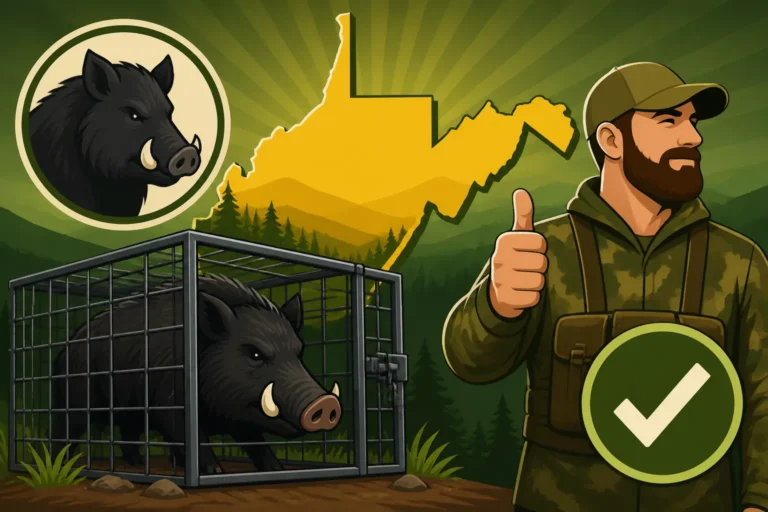
While hunting helps, the most effective method for significantly reducing feral hog populations is often strategic trapping. Hogs are social animals that travel in family groups called sounders. Large, corral-style traps designed to catch an entire sounder at once are far more efficient than trying to pick off individual hogs with a rifle. Trapping requires significant planning, scouting to identify travel routes and feeding areas, and patience to pre-bait the trap for several days or weeks to habituate the sounder to feeding inside before setting the trigger.
Modern trapping systems, some with remote triggers and cellular notifications, allow for highly efficient and humane removal of entire groups. Landowners, often working with state agencies or private contractors, invest heavily in these systems because of their proven success. For those interested in this method, researching Trapping West Virginia Feral Hogs can provide valuable insights into best practices and available resources. It's a labor-intensive approach, but one that offers the best chance at localized population reduction.
Landowner and Agency Collaboration: A United Front
Addressing the feral hog problem effectively requires a collaborative effort between landowners and state wildlife agencies. Landowners are on the front lines, experiencing the damage firsthand, and their cooperation is essential for any successful mitigation program. This includes granting access for trapping efforts, reporting sightings, and implementing preventive measures. The WVDNR provides information and resources to help landowners understand regulations and effective control methods.
Agencies, in turn, can offer expertise, resources, and coordination for larger-scale efforts, such as monitoring population trends, tracking disease, and developing regional management plans. For example, understanding Which West Virginia Counties Have the Most Hogs allows for targeted intervention. Education is also key; informing the public about the dangers of feral hogs and discouraging behaviors like intentional release (which is illegal and severely detrimental) is vital. Only by working together can West Virginia hope to manage this formidable invasive species and protect its rich natural heritage.
Disclaimer
This article is for general informational purposes only and does not constitute professional advice. Laws, prices and regulations vary by location and change over time. Consult a qualified professional for guidance on your specific situation.