Hunting West Virginia’s Liberal Bear Season
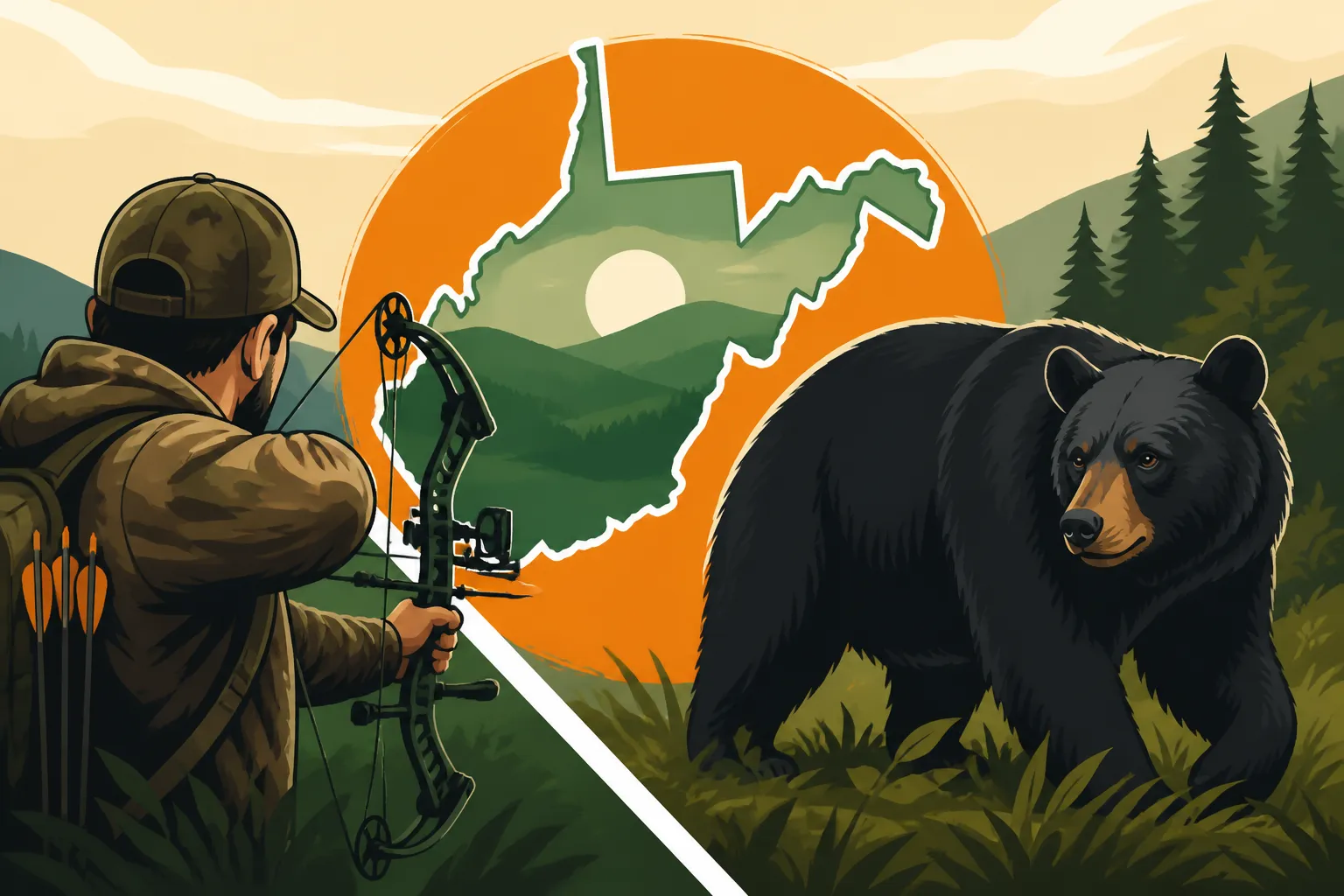
Hunting black bears in West Virginia can be one of the most exhilarating and challenging experiences for any outdoors person, but it often comes with the frustration of deciphering complex regulations and understanding bear behavior across diverse terrains. This comprehensive guide is designed to cut through the confusion, offering a deep dive into West Virginia's famously liberal bear seasons, essential gear, scouting techniques, and hunting strategies to help you successfully pursue a bruin in the Mountain State.
Understanding West Virginia's Unique Bear Season Structure
West Virginia has truly become a black bear hunting destination, a testament to decades of sound wildlife management. However, navigating the various seasons, weapon restrictions, and geographical nuances can feel like trying to find your way through a rhododendron thicket in the dark. It’s crucial to understand why our seasons are structured the way they are and what that means for your hunting plans.
Why West Virginia's Bear Season is So Generous
It might surprise some folks to learn just how robust our bear population has become here in West Virginia. Not that long ago, black bears were rare, almost a ghost in the mountains. But through incredible conservation efforts, focused primarily on habitat protection and regulated hunting, the population has absolutely exploded. Now, bears inhabit all 55 counties, a far cry from the handful of counties where they clung to survival decades ago. This success story is why the West Virginia Division of Natural Resources (WVDNR) has implemented such a "liberal" bear season. They’re managing a healthy, thriving population that needs to be controlled through hunting to maintain ecological balance and reduce human-bear conflicts, especially as bears expand into more populated areas. It’s not just about sport; it's about responsible wildlife management. For a deeper look into this incredible turnaround, check out our piece on West Virginia's Black Bear Comeback.
Historically, bears were often seen as varmints and faced unregulated hunting pressure and habitat loss. As public perception shifted and scientific management took hold, populations began to recover. The WVDNR uses a combination of harvest data, population modeling, and mast crop assessments to determine season lengths and bag limits each year. The goal is to allow for recreational opportunities while ensuring the long-term health and stability of the bear population. It’s a delicate balance, but one that has clearly worked in West Virginia’s favor, making it one of the premier bear hunting states in the East.
Key Season Dates and Zones to Know
West Virginia’s bear season is anything but simple, often having multiple segments that vary by county and weapon type. Generally, you’ll find a split archery/crossbow season, a muzzleloader season, and then a concurrent bear gun season that often runs alongside or immediately after the deer gun season in many areas. Some counties have an early bear season, often without the aid of dogs, designed to harvest bears before they den up, while others have a later season that coincides with peak deer activity.
It’s absolutely critical to consult the current year's West Virginia Hunting and Trapping Regulations booklet or the WVDNR website every single year. Trust me, these dates and rules can change. For example, some counties might allow hunting with dogs during specific periods, while others are still-hunting only. The southern archery-only counties often have different rules too. You’ll also find specific regulations about the number of bears you can harvest, often limited to one per license year, but always double-check. Don't rely on last year's knowledge; the WVDNR is constantly refining seasons based on population data. You can find all the nitty-gritty details in our guide to West Virginia's Liberal Bear Season Rules.
To give you a general idea, here’s a simplified table of typical season date structures. Always verify with current WVDNR regulations.
| Season Type | Typical Start Date | Typical End Date | Weapon Types | General Counties Permitted |
|---|---|---|---|---|
| Archery/Crossbow | Early September | Late November | Bow, Crossbow | Statewide (check specific county exclusions/inclusions) |
| Muzzleloader | Mid-December | Late December | Muzzleloader | Many counties, often concurrent with late deer muzzleloader |
| Gun (Early, No Dogs) | Mid-October | Late October | Rifle, Shotgun, Handgun, Muzzleloader | Specific counties, usually still-hunting only |
| Gun (With Dogs) | Early November | Late November | Rifle, Shotgun, Handgun, Muzzleloader | Specific counties, often concurrent with buck gun season |
| Gun (Late, With Dogs) | Early December | Late December | Rifle, Shotgun, Handgun, Muzzleloader | Specific counties, after deer season, often with dogs |
It’s worth noting that the "with dogs" versus "without dogs" distinction is a huge factor. Some hunters prefer to still-hunt or spot-and-stalk, and they need to be aware of when dog hunting is permitted in their area to avoid potential conflicts or safety concerns. Others are dedicated hound hunters and will seek out those specific seasons and counties. Be mindful of these distinctions when planning your hunt and always identify your target clearly before taking a shot.
Essential Gear for West Virginia Bear Hunters
Hunting black bears in West Virginia's rugged terrain isn't like sitting in a food plot back home. The mountains here demand a different level of preparation, especially when it comes to your equipment. You need reliable, robust gear that can handle steep climbs, unpredictable weather, and potentially long retrieves.
Rifle and Ammunition Choices for Mountain Bears
When it comes to selecting a rifle for West Virginia black bear, reliability and adequate stopping power are paramount. Bears are tough animals, and a clean, ethical harvest is always the goal. While many deer calibers will suffice, you want something that delivers a significant punch, especially if you’re trying to anchor a big bruin quickly in heavy cover. Popular choices include the .30-06 Springfield, .308 Winchester, .270 Winchester, and even the 6.5 Creedmoor with appropriate bullet selection. For calibers, a general rule of thumb is anything that reliably takes deer is usually fine for black bears, but premium bullets designed for deep penetration and controlled expansion are highly recommended.
The terrain often dictates shot distances. In dense laurel thickets or deep hollows, your shot might be under 75 yards. But if you’re glassing a powerline cut or an open bench, you might be looking at 200+ yards. This variability means you need a rifle you're proficient with at multiple ranges, and ammunition that performs well across that spectrum. Consider a quality scope with good low-light capabilities, as bears are often most active during dawn and dusk. Always zero your rifle precisely and practice from various positions you might encounter in the woods, not just from a bench.
Bowhunting Setups for Close Encounters
For those who prefer the challenge of bowhunting, West Virginia’s bear season offers ample opportunity, especially during the long archery season. However, bowhunting bears adds another layer of precision to your setup. You need to ensure your bow is tuned impeccably, your broadheads are razor-sharp, and you can consistently place an arrow accurately. A compound bow with at least a 60-pound draw weight is generally recommended, paired with heavy arrows to maximize kinetic energy and penetration.
Broadhead selection is critical. Fixed-blade broadheads are a favorite among many bear hunters due to their reliability and deep penetration, especially through tough hide and bone. Mechanical broadheads have come a long way, but choose a robust design known for its performance on large game. Shot placement is absolutely paramount – aim for the vital organs, typically the lungs and heart, which can be challenging on a bear due to their thick hide, fat layers, and heavy bone structure. Practice shooting at bear-sized targets to understand their anatomy and ensure you can make an ethical shot under pressure. You can dive deeper into these choices with our guide on Bow and Crossbow Setups for West Virginia.
Optics and Navigation in Rugged Terrain
West Virginia’s mountains are beautiful but can also be disorienting and challenging to traverse. Good optics are not just a luxury; they're a necessity. A quality pair of binoculars, usually 8×42 or 10×42, is essential for spotting bears at a distance, especially in open timber or across hollows. If you’re hunting larger, more open areas like logging cuts or high-elevation balds, a spotting scope can be a game-changer. These optics help you identify bears from deer, assess their size, and determine if they are legal to harvest. For more on this, check out Optics for Steep Allegheny Terrain.
Beyond seeing the bear, you need to know where you are and how to get out safely. A reliable GPS unit or a robust smartphone mapping app like GoHunt is non-negotiable. These tools allow you to pinpoint your location, mark bear sign, track your path, and find your way back to your vehicle or camp, even in areas without cell service. Download offline maps before you head out. A compass and paper map should always be carried as a backup. The topography in West Virginia is steep and unforgiving, and getting lost or disoriented can turn a great hunt into a dangerous situation quickly. Don’t skimp on these navigation tools; they are as important as your weapon.
Scouting and Locating Bears Before the Hunt
You can have the best gear in the world, but if you don't know where the bears are, you're just hiking. Successful bear hunting in West Virginia relies heavily on diligent scouting, understanding bear behavior, and knowing how to read the landscape. This is where your pre-season efforts truly pay off.
Reading Bear Sign: Scats, Tracks, and Rubs
Bears are creatures of habit, and they leave a lot of clues about their presence if you know what to look for. One of the most obvious signs is scat. Bear droppings vary widely depending on their diet. In late summer and fall, you'll often see scat filled with berries, seeds, or corn kernels if they're near agricultural fields. Fresh scat indicates recent activity. Look for it along old logging roads, creek bottoms, and especially near prime food sources.
Tracks are another dead giveaway. Bear tracks are distinctive, with five toes and a prominent heel pad. Look for them in soft mud along streambeds, damp trails, or near water sources. Pay attention to the size and freshness. You might also find rub trees, where bears scratch, bite, and rub against trees, often to mark their territory or as a form of communication. These are usually pine or hemlock trees, with bark stripped or claw marks visible, typically at various heights. Look for these signs on ridge tops, along saddles, and in hollows that connect feeding and bedding areas. The more fresh sign you find, the closer you are to a bear's core area, and the more productive your hunt will be. Understanding these indicators is key to Hunting Bears Over Natural Mast in the Mountains.
Utilizing Technology and Trail Cameras
In today's hunting world, technology can be a huge asset in your scouting arsenal. Mapping apps are indispensable for identifying prime bear habitat, potential travel corridors, and access points. GoHunt, for example, allows you to overlay public and private land boundaries, topo maps, and satellite imagery, helping you pinpoint areas of interest before you even set foot in the woods. You can mark potential bedding areas, water sources, and especially key mast crop locations like oak flats or beech groves. These features help you plan efficient scouting routes and identify overlooked areas.
Trail cameras are another powerful tool, especially for monitoring active areas. While baiting with trail cameras has specific regulations you MUST follow, even without bait, cameras can show you which bears are in the area, their travel times, and their size. Set them up on game trails leading to known food sources, water, or dense cover. Consider using cell-enabled cameras if you have service, but traditional SD card cameras work just fine for remote areas. Remember to check local regulations regarding trail camera use on public land, as rules can vary. For more information, see our guide on Trail Cameras on West Virginia Public Land.
Seasonal Bear Movements and Behavior
Bear behavior is heavily influenced by the seasons and available food sources. In early fall, bears are often gorging themselves, trying to pack on as much fat as possible before winter denning. This "hyperphagia" makes them highly predictable if you can locate their preferred food. Acorns, especially white oak acorns, are like gold to bears. If you find a good mast crop, you’ll likely find bears. They’ll also hit soft mast like blackberries, blueberries, and wild cherries earlier in the season. As the season progresses and natural food sources diminish, bears may broaden their diet, moving into clear-cuts for green browse or even agricultural fields if available.
Understanding these seasonal shifts helps you anticipate where bears will be. Early season, they might be higher on the ridges where berries are ripening. As acorns drop, they’ll shift to oak flats. Later in the season, before denning, they might be feeding heavily on beech nuts or moving into dense cover for security. Paying attention to weather patterns, especially early cold fronts or heavy snow, can also influence bear movements, often pushing them to feed more aggressively or seek out denning sites. The more you learn about these patterns, the better your chances of intercepting a bruin.
Effective Hunting Strategies for West Virginia Black Bears
Once you’ve done your scouting and understand the local bear activity, it’s time to put a hunting strategy into action. West Virginia offers diverse terrain and season structures that lend themselves to several effective approaches, from quiet still-hunting to the excitement of a hound chase.
Still-Hunting and Spot-and-Stalk Tactics
Still-hunting is a classic and highly effective method for black bears, especially in West Virginia's rugged mountains. It involves moving incredibly slowly, pausing frequently to glass and listen, covering ground quietly through prime bear habitat. The key is patience and meticulous attention to detail. You're looking for that tell-tale black blob in the shadows, a glint of sunlight on dark fur, or the subtle movement of a feeding bear. Focus on areas with good mast crops, dense thickets near food sources, or along creek bottoms and saddles that bears use for travel.
Spot-and-stalk hunting takes this a step further. It involves locating a bear from a distance, often with binoculars or a spotting scope from a vantage point, and then carefully planning a stalk to get within shooting range. This is particularly effective in more open areas like recent clear-cuts, powerline rights-of-way, or high-elevation balds. Wind direction is absolutely critical for both methods – bears have an incredible sense of smell. Always try to approach with the wind in your face or across your body. The terrain in West Virginia can make a stalk incredibly challenging, requiring physical endurance and stealth to close the distance undetected. For more insights on this method, consider reading our article on Spot-and-Stalk Tactics for Mountain Bears.
Hunting Over Bait Where Legal
Baiting for bears is a time-honored tradition in some parts of the country, and in West Virginia, it is legal in specific counties and under strict regulations. If you choose to bait, you must thoroughly understand and adhere to all WVDNR rules, which cover everything from bait content (no human food waste), distance from residences, and landowner permission. Baiting involves establishing a consistent food source to attract bears to a specific location. Common bait items include stale pastries, grain, and corn, often mixed with strong attractants like anise oil or bacon grease to pull bears in.
Setting up a bait site requires careful consideration of stand placement, wind direction, and ease of access for refreshing the bait. You'll need to regularly check and replenish the bait, which means frequent trips into the woods. Trail cameras are almost essential for monitoring bait sites, helping you identify individual bears, their feeding patterns, and optimal hunting times. Remember, this isn't a "set it and forget it" strategy; it requires significant time commitment and adherence to all regulations. If you’re considering this method, make sure to read up on Bear Bait Barrels and Site Gear to understand the specific requirements.
Hound Hunting for West Virginia Bears
For many, the quintessential West Virginia bear hunt involves the thrilling chase of hounds. Hound hunting is a deep-rooted tradition in the state and is a legal and popular method during specific seasons and in certain counties. It's an active, physically demanding style of hunting where a pack of specially trained dogs tracks a bear's scent, eventually treeing or baying the bear, allowing the hunter to approach for a shot.
This method requires a dedicated team of hunters, well-trained dogs, and intimate knowledge of the terrain. Hunters often use GPS tracking collars on their dogs (like the Garmin Alpha series, which integrates well with GoHunt maps) to follow the chase across vast tracts of land, often navigating incredibly steep and unforgiving country. The excitement of hearing the dogs open up on a fresh track and the anticipation of catching up to the chase is unparalleled. Ethical hound hunting emphasizes fair chase and responsible dog handling. It also often means covering significant ground, sometimes miles, to reach the treed bear. If you're intrigued by this method, our articles on Running Hounds for West Virginia Bears and GPS Collars for West Virginia Bear Hounds offer more details.
Navigating Public and Private Land for Bear Hunting
One of the biggest hurdles for any hunter, especially those new to West Virginia, is simply finding a place to hunt. With its rugged beauty comes a mix of vast public lands and highly fragmented private parcels. Knowing where you can go and how to gain access is paramount to a successful bear hunt.
Finding Public Access: National Forests and WMAs
West Virginia boasts an impressive amount of public hunting land, primarily within the Monongahela National Forest and numerous Wildlife Management Areas (WMAs). The Monongahela National Forest, or "the Mon," spans over 920,000 acres across the Allegheny Mountains, offering vast tracts of wilderness hunting. Bears thrive in this remote, rugged country, and it’s a premier destination for those willing to put in the effort. Access often means long walks and navigating challenging terrain, but it also means finding areas with less pressure. Understanding access points, designated camping areas, and vehicle restrictions is crucial. Our guide on Monongahela National Forest Hunting provides a great starting point.
Beyond the Mon, West Virginia has over 50 WMAs, managed by the WVDNR, which also offer excellent bear hunting opportunities. These areas are specifically managed for wildlife and public recreation. One of the most famous is the Cranberry Wildlife Management Area, which encompasses over 100,000 acres of remote, high-elevation forest, much of it bordering or within the Monongahela. WMAs often have different rules than National Forest land regarding things like trail cameras, camping, or specific vehicle access, so always check the WVDNR regulations for the specific WMA you plan to hunt. While some WMAs can see significant pressure, others, especially those with challenging topography, can provide solitude and excellent hunting. Be sure to explore options like Cranberry Wildlife Management Area for potentially remote opportunities.
Securing Private Land Permissions
Hunting private land can offer a distinct advantage, often with less pressure and potentially higher bear densities if the landowner has good habitat. However, gaining permission in West Virginia can be challenging, but it’s far from impossible. The key is respect, good communication, and offering something in return. Many landowners, especially farmers, deal with crop damage from bears, and a responsible hunter can be a welcome sight.
Start by identifying potential properties using mapping apps like GoHunt to see land ownership. Then, make a direct, polite approach. Dress respectfully, have a clear plan for what you intend to do, and emphasize safety. Offer to help with chores, share some of your harvest, or assist in other ways. Building a relationship is key; don't just ask once and give up. Many hunters find success by asking during the off-season, well before hunting pressure ramps up. Always get clear permission, and ideally, get it in writing. Understand the landowner’s specific rules and boundaries, and stick to them rigorously. Being a courteous, respectful hunter can open doors to opportunities you might not find on public land. You can find more comprehensive advice on this topic in our article on Getting Private Land Permission in West Virginia.
After the Shot: Recovery and Processing
The shot is just the beginning. Recovering a black bear, especially in West Virginia's rugged environment, presents its own set of challenges. Bears are incredibly tough animals, and a wounded bear in dense cover can be a dangerous situation. Proper recovery and meat care are essential for honoring the animal and ensuring a quality harvest.
Tracking and Recovery Challenges in Rugged Terrain
When you shoot a bear, the first rule is patience. Unless you witness the bear drop, give it time – at least 30 minutes for a good shot, and several hours for a questionable shot, especially if it's late in the day. This allows the bear to expire and prevents you from pushing it further into dense cover. Once you start tracking, move slowly and methodically. Mark the last spot you saw the bear and every piece of sign you find: blood, broken twigs, disturbed leaves. Bears don't always leave a copious blood trail, especially if the bullet passes through fat or muscle without hitting major arteries.
West Virginia's terrain complicates things. Steep hollows, thick rhododendron hells, and rocky outcrops make tracking arduous. A good headlamp, flagging tape, and a tracking buddy are invaluable. If the trail runs cold, expand your search in circles or grid patterns. If legal, a trained tracking dog can be a lifesaver. Never assume a bear is dead; approach cautiously. Be prepared for a long, physically demanding recovery, possibly involving dragging or quartering in the field. For similar challenges in deer hunting, you can look at our guide on Recovering a Deer From a Steep Hollow. The principles are much the same, but with a potentially larger, tougher animal.
Field Dressing and Meat Care
Once the bear is recovered, prompt and proper field dressing is crucial, especially if temperatures are warm. Bears have a thick layer of fat, which can spoil quickly and taint the meat if not cooled rapidly. The traditional gutting method works, but many bear hunters opt for the "gutless method" where the bear is skinned and quartered in the field without opening the body cavity. This reduces the weight you need to drag and allows for quicker cooling.
Skin the bear promptly, paying attention if you plan to save the hide for a rug or taxidermy. Get the meat into game bags and out of the woods as quickly as possible. If you’re far from your vehicle, a frame pack can be incredibly helpful for packing out quarters. Once out, get the meat on ice in coolers or into a walk-in cooler. Proper chilling is vital to preserve the quality and taste of the meat. Bear meat is delicious when handled correctly but can be strong if not cared for immediately. Always cook bear meat to an internal temperature of at least 160°F (71°C) to kill potential parasites like trichinella. For more general advice on meat preservation, see Meat Care Gear for West Virginia Hunters.
Checking Your Bear and Reporting Requirements
After harvesting a black bear in West Virginia, you are legally required to report it to the WVDNR. This is not optional. The process typically involves checking the bear through the WVDNR's electronic game checking system, either online, via the Go Wild WV mobile app, or at a licensed checking station. You will receive a confirmation number that serves as your proof of legal harvest. Make sure you have this number before you transport the bear.
In some cases, the WVDNR may request biological samples, such as a tooth, for age determination, or specific tissues for disease monitoring. Cooperating with these requests is important for wildlife management efforts. Always carry your license and bear tag, and be ready to provide them if requested by a Natural Resources Police Officer. Accurate harvest data is what allows the WVDNR to maintain our liberal bear seasons and ensure the health of the population for future generations. Check the WVDNR regulations booklet for specific details on West Virginia Bear Checking Requirements for the current year.
Safety and Ethics for Bear Hunters
Hunting any large game animal carries inherent risks and responsibilities. Black bear hunting, with its unique challenges and the presence of a powerful apex predator, underscores the importance of safety and ethical conduct in the field.
Understanding Bear Behavior and Encounter Safety
While black bears are generally shy and avoid humans, encountering a bear while hunting is always a possibility, and knowing how to react is crucial. Most encounters are harmless, with the bear quickly retreating. However, situations involving sows with cubs or a bear protecting a food source can be more volatile. Always be aware of your surroundings, especially when moving quietly through thick cover. Make noise occasionally to avoid surprising a bear.
If you encounter a bear:
- Do not run. Running can trigger a chase response.
- Identify yourself. Talk in a calm voice, wave your arms slowly to appear larger.
- Back away slowly. Give the bear space to retreat.
- Do not make direct eye contact. Bears can perceive this as a challenge.
- If a bear approaches: Stand your ground, continue to make noise, and prepare to use bear spray (which many hunters carry) or a firearm as a last resort in a defensive situation.
- If attacked: Fight back aggressively with anything you have. Black bear attacks are rare and usually defensive, but knowing how to react can save your life.
Being prepared for an encounter is part of being a responsible bear hunter or outdoor enthusiast in West Virginia.
Hunting Ethics and Conservation Responsibility
Ethical hunting goes beyond simply following the law; it's about respecting the animal, the land, and the hunting tradition. For bear hunting, this means taking clean, ethical shots that ensure a quick, humane harvest. This involves knowing your rifle or bow's capabilities, practicing regularly, and passing on questionable shots. Never take a shot at a bear you cannot positively identify as a legal animal or that you are not confident you can recover.
Conservation responsibility means understanding that hunters are often the primary funders of wildlife management through license and tag fees. It's our duty to ensure healthy populations for the future. This includes reporting all harvests, adhering to bag limits, and participating in voluntary surveys or sample collections. Additionally, respecting private land and other public land users (hikers, campers, birdwatchers) helps maintain a positive image for hunting. Poaching or unethical behavior damages the reputation of all hunters and can lead to stricter regulations. Being a steward of the land and its wildlife is a privilege that comes with significant responsibility. Knowing and avoiding all West Virginia Wildlife Violation Penalties is a foundational step in ethical hunting.
Disclaimer
Please remember that hunting regulations, season dates, and specific rules (including those for baiting, weapon types, and checking requirements) can change annually. This guide provides general information for West Virginia bear hunting. It is your personal responsibility to consult the most current West Virginia Hunting and Trapping Regulations publication from the West Virginia Division of Natural Resources (WVDNR) before engaging in any hunting activities. Always prioritize safety and ethical hunting practices.