West Virginia Junior Hunting License Rules
Getting your kids or grandkids into hunting is one of the most rewarding experiences a parent or mentor can have. But let's be honest, trying to figure out all the rules and regulations for junior hunters in West Virginia can sometimes feel like navigating a dense patch of rhododendron in the dark. It's not always straightforward, and you want to make sure you're doing everything by the book to keep your young hunter safe and legal. This comprehensive guide is here to shed light on West Virginia's junior hunting license rules, breaking down exactly what you need to know to get your youth hunter ready for their adventures afield.
Demystifying the West Virginia Junior Hunting License Requirements
Before you can even think about hitting the woods, understanding the basic structure of junior hunting licenses in the Mountain State is crucial. West Virginia aims to make it accessible for young people to participate, but there are specific age, residency, and educational requirements to consider.
Who Qualifies for a Junior License?
In West Virginia, the term "junior hunter" primarily refers to resident youth under the age of 18. For these budding outdoors enthusiasts, the West Virginia Division of Natural Resources (WVDNR) offers the Class EE Junior Sportsman Hunting/Trapping/Fishing License. This is a fantastic option because it’s absolutely free for resident youth. This single license covers virtually all hunting, trapping, and fishing activities permitted by law, making it a wonderful gateway for young West Virginians to explore the outdoors.
It’s important to remember that while the Class EE is free and comprehensive, it doesn't automatically include all the necessary stamps for big game. We’ll dive into those specific stamp requirements a bit later. For non-resident youth under 18, the situation is a little different. They typically need to purchase a Class E Nonresident Annual Hunting/Trapping/Fishing License, which comes with a fee. This ensures that even visitors can partake in the state's rich hunting heritage, provided they follow all applicable regulations. The main goal, regardless of residency, is to foster a love for hunting and conservation from a young age, and these licenses are designed to do just that.
The Importance of Hunter Education
One of the most common points of confusion for parents is the hunter education requirement. West Virginia law states that anyone born on or after January 1, 1975, must complete a WVDNR-approved hunter education course to purchase a hunting license. Now, for junior hunters, there's a bit of a nuance here.
If your young hunter is under 15 years old, they are generally exempt from the hunter education requirement as long as they are directly supervised by a licensed adult (18 years or older). "Directly supervised" means the adult must be close enough to assume immediate control of the firearm or bow. This provision allows younger kids to get hands-on experience in the field under watchful eyes without the immediate pressure of passing a course. However, once a youth turns 15, or if they wish to hunt unsupervised before that age (which is generally not recommended for safety reasons, but legally permitted at 15 if they meet other criteria), they will need to complete the hunter education course to legally purchase most standard hunting licenses.
An alternative pathway for those who haven't completed hunter education yet, especially useful for older youth or first-time hunters over 15, is the West Virginia Apprentice Hunter License Rules. This license allows an individual to hunt for one license year without having completed hunter education, provided they are accompanied by a licensed, experienced adult mentor. It’s a great stepping stone, giving new hunters a full season to learn the ropes with a mentor before committing to the hunter education course. This phased approach helps ensure that safety and ethical hunting practices are learned firsthand, validating the real-world frustration of trying to fit a hunter education course into a busy schedule right before the season opens.
Securing Your Young Hunter's License and Stamps
Once you understand the basic requirements, the next step is actually getting that license in hand. It’s usually a pretty straightforward process, but knowing what to expect can save you time and hassle.
Step-by-Step Acquisition Process
The easiest way to secure a West Virginia junior hunting license, whether it's the free resident Class EE or a non-resident Class E, is through the Go Wild West Virginia licensing system. This online portal is a user-friendly platform where you can purchase and manage all your hunting and fishing licenses. You'll typically need to create an account for your junior hunter, providing basic information like their name, date of birth, and residency. If you're using a resource like GoHunt to plan your hunts, remember that the official Go Wild system is where the actual purchase happens.
For those who prefer a more traditional route, licenses can also be purchased in person at any authorized license agent throughout the state. These agents include many sporting goods stores, bait shops, and even some county clerk offices. When purchasing in person, you’ll need to bring the same identifying information for your junior hunter. It's always a good idea to confirm business hours and what forms of payment they accept before you make the trip. Once purchased, you'll receive a physical license, but you can also print a copy or keep a digital version on your phone – something many hunters appreciate when out in the field, as highlighted in the article on Carrying Proof of License on Your Phone.
Understanding Required Stamps and Fees
While the resident Class EE license itself is free for youth under 18, there are additional stamps that are required for hunting specific big game species. These stamps are not included with the base license and must be purchased separately. This often trips up new hunting families, but it’s an important detail to remember to avoid any issues afield.
Here's a breakdown of the common stamps you might need:
- Deer Stamp: If your junior hunter plans to pursue white-tailed deer, they will need a valid deer stamp. This is crucial whether they’re participating in the general season or specific youth hunts like the West Virginia Youth Deer Weekend Rules.
- Bear Stamp: For those hoping to hunt West Virginia’s thriving black bear population, a bear stamp is mandatory.
- Turkey Stamp: If spring gobblers or fall flocks are on the agenda, a turkey stamp is a must-have. This applies to special events like the West Virginia Youth Spring Turkey Weekend as well as the regular seasons.
The cost of these stamps varies slightly between resident and non-resident hunters. For resident youth with a free Class EE license, these stamps still carry a small fee. Non-resident youth will also need to purchase these stamps in addition to their Class E base license. It's vital to purchase all necessary stamps before heading out to hunt that specific species. You can purchase these stamps at the same time you acquire the base license through Go Wild West Virginia or from an authorized agent. To get a full picture of all the potential costs involved, it's worth checking out West Virginia Hunting Licenses and What They Cost. A simple oversight could lead to a disheartening encounter with a game warden, and nobody wants that, especially when introducing a child to the joys of hunting.
Here’s a quick overview of typical youth license and stamp considerations:
| Category | Resident Youth (Under 18) | Nonresident Youth (Under 18) | Notes |
|---|---|---|---|
| Base License Type | Class EE (Free) | Class E (Annual Fee) | Class EE covers small game, big game, and fishing. Class E covers similar for nonresidents. |
| Cost (Approx. 2024-2025) | Free | ~$27 (Annual) | Always verify current prices on the official WVDNR website, as fees are subject to change. |
| Required Stamps | Deer, Bear, Turkey Stamps (Small Fee Each) | Deer, Bear, Turkey Stamps (Fee Each) | These stamps are mandatory in addition to the base license for specific species, regardless of age. Purchase separately. |
| Hunter Education | Not required if under 15 and directly supervised by 18+ licensed adult. Required otherwise (e.g., if 15+ and hunting unsupervised). | Not required if under 15 and directly supervised by 18+ licensed adult. Required otherwise (e.g., if 15+ and hunting unsupervised). | Hunter Ed is required for anyone born after Jan 1, 1975 to purchase a standard license without direct supervision. Apprentice license (Class XP) offers an alternative. |
| Supervision Age | Under 18 | Under 18 | All youth under 18 must be accompanied by a licensed, adult mentor (18+). Direct supervision is often explicitly required, meaning the mentor is within arm's reach. |
Navigating the Field: Rules and Mentorship for Junior Hunters
Once the licenses and stamps are sorted, the real fun begins: hitting the woods. However, there are crucial rules and responsibilities that come with mentoring a junior hunter, primarily focused on safety and ethical conduct.
Supervision Requirements and Age Restrictions
The concept of "direct supervision" is paramount when a junior hunter is in the field, especially for those under 15 who haven't completed hunter education. West Virginia law generally requires that any person under 18 years of age who is hunting must be accompanied by a licensed adult (18 years or older). The specific definition of "accompanied" can vary, but for junior hunters, it often means the adult must be close enough to have immediate control of the firearm or bow. This isn't just a legal formality; it's a vital safety measure. An adult mentor should be actively engaged in the hunt, providing guidance on safe firearm handling, shot placement, identifying game, and making ethical decisions.
This mentor-mentee relationship is a cornerstone of responsible hunting. It's about passing down knowledge, respect for wildlife, and adherence to regulations. When a youth is ready to transition to hunting unsupervised, typically at age 15 or older, they generally need to have completed their hunter education. Understanding the Minimum Age for Unsupervised West Virginia Hunting is a critical detail that parents and mentors must grasp. It's not just about the legal age, but also about the individual's maturity and demonstrated competence. A good mentor knows when their young hunter is truly ready for that next step.
Special Youth Hunting Seasons and Opportunities
West Virginia is big on encouraging youth participation, and one of the best ways they do this is through dedicated youth hunting seasons. These special opportunities allow junior hunters, often with specific regulations for supervision, to get out in the field before the general season opens. This reduces hunting pressure from other adults, creating a safer and often more successful experience.
For example, there's a dedicated West Virginia Youth Deer Weekend Rules that typically takes place before the general firearms season. During this weekend, only properly licensed junior hunters (and their non-hunting adult supervisors) can harvest deer. This provides an excellent opportunity for young hunters to focus on the experience without competition, making memories that last a lifetime. Similarly, the West Virginia Youth Spring Turkey Weekend offers a fantastic chance for junior gobbler getters to pursue turkeys ahead of the main spring season. These special seasons are usually very popular and are a testament to the state's commitment to youth involvement. Always check the current year's WVDNR Hunting and Trapping Regulations for specific dates, bag limits, and additional rules for these special youth hunts. Utilizing resources like GoHunt or the WVDNR website can help you stay current on these dates and plan accordingly.
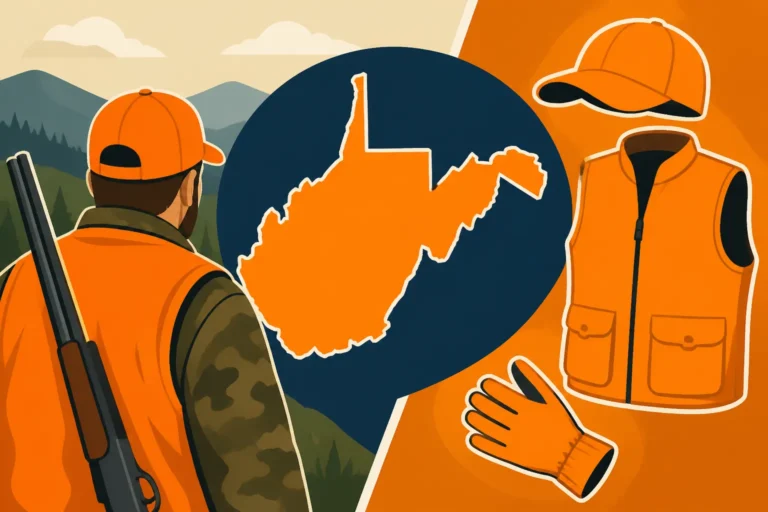
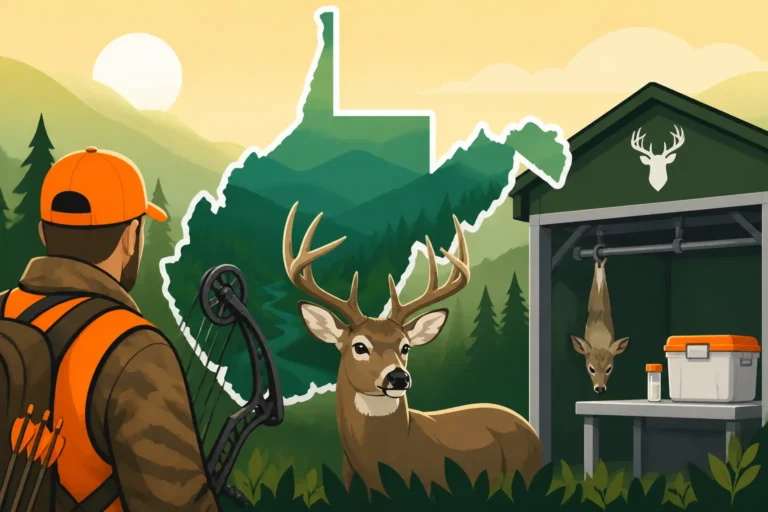
It's also worth noting that while these seasons are designed for youth, general hunting regulations still apply. This includes understanding West Virginia's Chronic Wasting Disease Counties and any associated carcass movement restrictions, as well as mandatory blaze orange requirements, which are detailed in West Virginia Blaze Orange Requirements. Instilling these broader regulatory awareness habits in young hunters is just as important as teaching them how to shoot straight.
Fostering a Lifelong Passion: Beyond the License
Getting the license and knowing the rules are just the beginning. The real goal is to ignite a lifelong passion for hunting, conservation, and the outdoors in the hearts of our junior hunters. This involves more than just pulling a trigger; it’s about respect, understanding, and personal growth.
Encouraging Conservation and Ethical Hunting
When you take a junior hunter into the field, you're not just teaching them how to hunt; you're teaching them how to be a conservationist. West Virginia has a rich history of wildlife management, and hunters play a critical role in funding and supporting these efforts. Explain to your young hunter why seasons and bag limits exist, why habitat is so important, and how their license dollars contribute to wildlife populations. Discussions around topics like White-Tailed Deer Across West Virginia and Wild Turkeys in West Virginia can help connect them to the broader ecological picture.
Ethical hunting goes hand-in-hand with conservation. This includes fair chase, respecting private property (even when on public land, understanding where boundaries lie is vital), and ensuring a quick, humane harvest. It's about taking only what you need, respecting game animals, and understanding that hunting is a privilege, not a right. Instilling these values early on will shape them into responsible outdoorsmen and women who will carry on these traditions for future generations. Teach them the joy of Scouting West Virginia Public Land Before Season to understand animal movements and habitat, showing them the full spectrum of hunting, not just the harvest.
The Role of Technology and Resources for Young Hunters
In today's world, technology plays an ever-increasing role in hunting, and junior hunters are often quick adopters. Encourage them to use tools responsibly. Mapping apps like onX or the WVDNR's official app can be invaluable for understanding property boundaries, navigating public lands, and marking key features like fresh deer sign or good stand locations. These tools can help young hunters feel more confident and self-reliant, especially when learning how to read the landscape, such as Hunting Steep Allegheny Ridges or Reading a Ridge for Eastern Panhandle Deer.
Online resources, including the WVDNR website and reputable hunting forums or educational sites (like what you might find using GoHunt), can supplement their learning. They can research game behavior, learn about new tactics, or stay up-to-date on regulatory changes. However, it's essential for mentors to guide them towards reliable sources of information, reinforcing that official WVDNR regulations are the ultimate authority. By embracing these tools thoughtfully, we can empower junior hunters to be more informed, safer, and ultimately more successful and engaged in their hunting pursuits, ensuring the tradition continues to thrive.
Disclaimer
Please note that hunting regulations, license fees, and season dates are subject to change. Always consult the official West Virginia Division of Natural Resources (WVDNR) website or the current year's Hunting and Trapping Regulations booklet for the most accurate and up-to-date information before planning any hunting activities.