West Virginia Managed Hunt Sign-Up Deadlines
It’s a truly disheartening feeling, isn’t it? You’ve been dreaming of that special managed hunt, perhaps for a unique opportunity at a prime West Virginia WMA, only to realize – too late – that the sign-up deadline passed weeks ago. That pit in your stomach is a familiar ache for many hunters in the Mountain State. With so many different seasons, regulations, and opportunities, keeping track of specific application windows for managed hunts can feel like a full-time job. This guide is designed to cut through that confusion, helping you understand West Virginia's managed hunt sign-up deadlines, where to find them, and how to avoid missing out on those coveted spots.
Understanding West Virginia's Managed Hunt System
West Virginia's Division of Natural Resources (WVDNR) manages certain hunting opportunities very carefully to achieve specific wildlife management goals, control hunter pressure, or provide unique experiences. These aren't your typical over-the-counter license buys; they require an application and often a draw process, and the linchpin of securing one of these spots is understanding and meeting the deadlines.
What are Managed Hunts, Anyway?
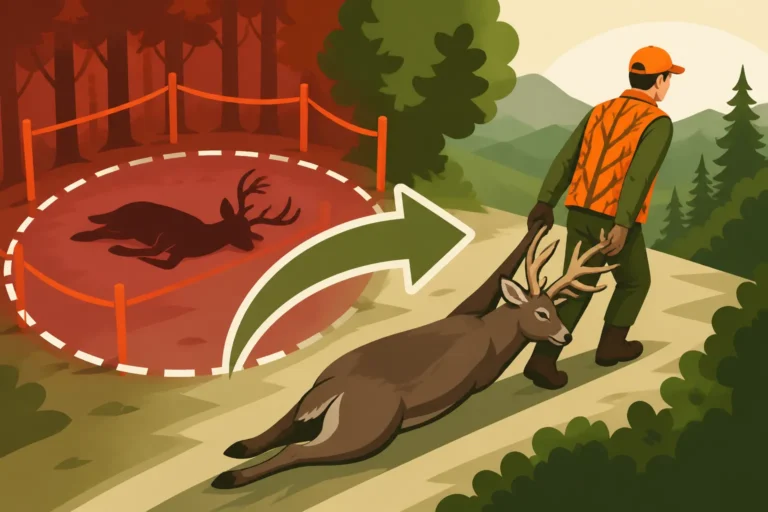
Managed hunts, also sometimes called quota hunts or special draws, are specific hunting opportunities where the number of hunters is limited, the species may be specific (like antlerless deer only), or the location is highly controlled, often on certain Wildlife Management Areas (WMAs) or even state parks. Think of it like this: instead of the entire state being open for a particular season, only a small, designated area or a limited number of tags are available. This careful management ensures sustainable harvest, reduces localized pressure, and can even help with specific population control issues, such as managing deer in urban-adjacent areas or within Chronic Wasting Disease (CWD) containment zones. For instance, you might find special antlerless deer hunts on certain WMAs to help balance the herd, or highly sought-after elk hunts in the southern coalfields at places like the Tomblin Wildlife Management Area.
These hunts offer incredible experiences, often in areas with less pressure or specific habitat types that concentrate game. They can also provide access to lands that are not typically open to general hunting. The WVDNR uses these to address various ecological and social factors, ensuring healthy wildlife populations and quality hunting experiences for those who draw a tag.
Why Deadlines Are So Strict
The strictness of these deadlines isn't to make your life harder, but rather to ensure fairness, efficiency, and proper planning for the WVDNR. Imagine if applications were accepted year-round; it would be chaos trying to manage draws, notifications, and logistics. By setting clear application windows, the WVDNR can:
- Process Applications Fairly: A defined window allows all applicants an equal chance to enter, and then a systematic draw can take place. This prevents late entries from jumping the queue and ensures everyone plays by the same rules.
- Manage Limited Tags: Many managed hunts have a very limited number of permits. Deadlines help the WVDNR determine the total applicant pool and conduct lotteries for those limited spots without endless administrative burden. This is especially true for highly popular hunts with low West Virginia Quota Hunt Draw Odds.
- Plan Logistics: Once the draw is complete and hunters are notified, the WVDNR can then plan for check-in procedures, staffing at hunt areas, and communicate specific rules and requirements to successful applicants. This includes preparing for things like mandatory CWD testing stations in relevant areas or specific access protocols for certain WMAs.
- Allow Hunter Planning: While a missed deadline is frustrating, knowing the general timeframe allows hunters to plan their applications, gather necessary information, and allocate funds for any associated fees.
Ultimately, these deadlines are a fundamental part of the managed hunt system, designed to create an equitable and organized process for everyone involved.
Navigating the Managed Hunt Application Timeline
The key to successfully applying for a managed hunt is to mark your calendar well in advance. While specific dates can shift year to year, there are general patterns and reliable sources for finding the most up-to-date information.
Typical Application Windows
For most fall managed hunts in West Virginia, you're generally looking at application periods that open up in late spring or early summer, typically running through July or August. Notifications for successful applicants usually go out in late summer or early fall, giving hunters a reasonable amount of time to prepare for hunts that might begin in September or October.
For instance, the incredibly popular West Virginia elk hunt draw, which falls under the managed hunt umbrella, often has an application period that closes in late May or early June. These dates are crucial, as missing them means missing your chance for a whole year. Similarly, some antlerless deer quota hunts on specific WMAs might have application periods during mid-summer. It's a bit of a moving target, so staying vigilant is essential. There isn't a single, universal application window for all managed hunts; each specific hunt or WMA may have its own schedule.
Where to Find Official Deadlines
This is where the rubber meets the road. Knowing where to look for official information is paramount. You can't just rely on hearsay or old memories.
- WVDNR Official Website: This is your absolute first stop. The West Virginia Division of Natural Resources (WVDNR) website is the authoritative source for all hunting regulations, season dates, and managed hunt application periods. They typically have a dedicated "Go Wild West Virginia" portal for license purchases and hunt applications. Look for sections specifically detailing "Managed Hunts," "Quota Hunts," or "Special Draws."
- Annual Hunting and Trapping Regulations Synopsis: Every year, the WVDNR publishes a comprehensive regulations synopsis. This free publication, available online as a PDF and in print at license vendors, usually lists managed hunt application and draw dates. Make it a habit to review this document as soon as it's released, usually in late spring or early summer, to catch any changes or new opportunities.
- WVDNR Press Releases and Newsletters: Sign up for WVDNR email newsletters or follow their official social media channels. They often announce application periods and deadlines through these platforms, which can serve as a helpful reminder.
- Third-Party Hunting Information Platforms: While the WVDNR is the official source, platforms like GoHunt can also be invaluable for keeping track of multiple state deadlines, including West Virginia's. These services often compile information in an easy-to-digest format, sometimes offering reminders or alert systems. They can complement, but not replace, checking the official WVDNR sources directly. For those who enjoy Scouting West Virginia Public Land Before Season, these tools often include detailed mapping features that can help identify potential hunt areas.
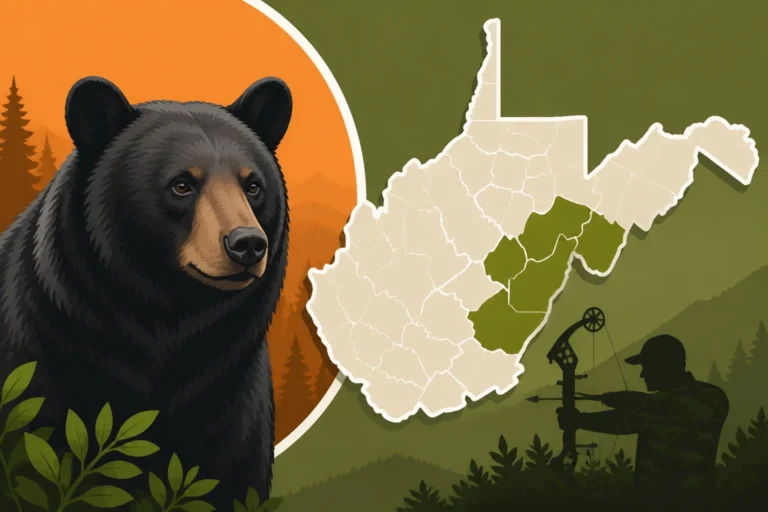
Remember, technology can be a great friend here. Set calendar reminders on your phone, use an online task manager, or even put a sticky note on your fridge. Missing the application window for a managed hunt, especially if it’s for a prime opportunity like a special bear hunt or a limited antlerless tag, is a mistake many hunters only make once.
Here's a general idea of what a typical managed hunt timeline might look like:
| Event | Typical Timeframe | WVDNR Resource / Platform |
|---|---|---|
| Regulations Release | Late Spring (April-May) | WVDNR Website, Print Synopsis |
| Application Window Opens | Late Spring – Early Summer (May-July) | Go Wild WV Portal, WVDNR Website |
| Application Deadline | Mid-Summer (June-August) | Go Wild WV Portal, WVDNR Website, GoHunt |
| Draw Notifications Sent | Late Summer – Early Fall (August-September) | Email, Go Wild WV Account |
| Hunt Periods Begin | Early Fall – Mid-Winter (September-January) | Regulations Synopsis, Permit Letter |
This table provides a generalized overview. Always check the official WVDNR resources for the exact dates for the current year.
The Application Process: Tips and Common Mistakes
Applying for a managed hunt can sometimes feel like navigating a maze, but with a bit of foresight and attention to detail, you can increase your chances of a successful submission. It's not just about knowing when to apply, but how to apply correctly.
Step-by-Step Application Guide
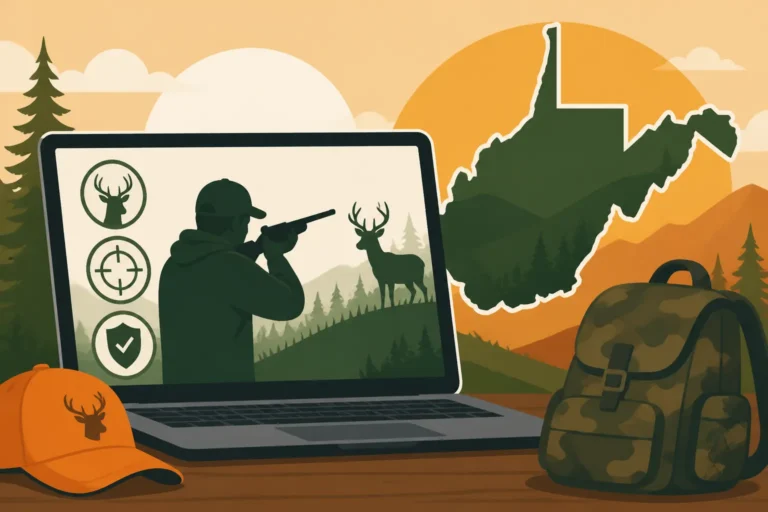
Most managed hunt applications in West Virginia are handled online through the WVDNR's "Go Wild West Virginia" portal. If you haven't already, creating an account there should be your first step. It's the same system you'll use for Buying a License on Go Wild West Virginia and reporting harvests.
- Create or Update Your Go Wild WV Account: Ensure all your personal information is current. This includes your address, contact number, and email. Any discrepancies could cause issues with notifications or permit delivery.
- Purchase Necessary Licenses and Stamps: Before you can apply for a special hunt, you'll almost always need a valid base hunting license (like a Class A or Class X for residents, or the appropriate non-resident license) and potentially other stamps, such as a West Virginia Deer Stamp Cost or West Virginia Bear Stamp Cost. The system will usually prompt you if you're missing something, but it's good practice to have them already squared away.
- Locate the Managed Hunt Application Section: Within the "Go Wild WV" portal, look for sections related to "Special Hunts," "Quota Hunts," or "Controlled Hunts." The interface is generally user-friendly, but take your time to read all instructions carefully.
- Select Your Desired Hunt(s): Review the list of available managed hunts. Pay close attention to the specific WMA, the species, and the hunt dates. Some hunts might have specific weapon restrictions or hunter age requirements. For example, some may be specific to archery-only counties or certain youth weekends.
- Complete the Application Form: This typically involves confirming your eligibility, selecting your preferred hunt choices (if multiple options are presented), and possibly answering a few survey questions. Double-check all entries.
- Pay Any Application Fees: While many managed hunts are free to apply for, some, particularly the larger draws like the elk hunt, will have a non-refundable application fee. Ensure your payment method is valid and that the transaction goes through.
- Confirm Submission: After submitting, you should receive a confirmation email or a confirmation number on screen. Save this information! It’s your proof that you applied. If you don't receive confirmation, investigate immediately. Sometimes, third-party services like GoHunt can offer checklists or direct links to help streamline this process.
Avoiding Application Pitfalls
The most common reasons for a rejected application or a missed opportunity usually boil down to preventable mistakes.
- Missing the Deadline: This is the absolute biggest pitfall. As discussed, once the deadline passes, there's typically no recourse. The system shuts down, and your chance is gone until next year.
- Incomplete or Incorrect Information: Even a small typo in your name or license number can invalidate an application. Ensure your profile information on the Go Wild WV portal is accurate and matches your legal documents.
- Missing Required Licenses or Stamps: Trying to apply for a bear quota hunt without a bear stamp, or a deer hunt without a valid hunting license, will likely result in a rejection. The system usually flags this, but catching it yourself beforehand saves a headache.
- Payment Issues: Declined credit cards or forgotten fees are another common problem. Make sure your payment information is up-to-date and sufficient funds are available if there's an application fee.
- Not Confirming Submission: Just hitting "submit" isn't always enough. Wait for the confirmation page or email. If you don't get it, assume your application didn't go through and contact the WVDNR for clarification before the deadline.
- Waiting Until the Last Minute: The Go Wild WV system can sometimes experience high traffic right before a deadline, leading to slow loading times or technical glitches. Don't risk it! Apply several days, or even a week, in advance to give yourself a buffer for any unforeseen issues. It's like having reliable gear for a Cold-Weather Sitting Strategy in the Mountains; preparation is key.
Different Types of Managed Hunts and Special Considerations
West Virginia offers a variety of managed hunt opportunities, each with its own specific rules, locations, and often, separate deadlines. Understanding these nuances can help you target the opportunities that best fit your hunting goals.
WMA-Specific Managed Hunts
Many of West Virginia's Wildlife Management Areas (WMAs) host special managed hunts. These are designed to control game populations within the specific WMA boundaries, offer unique hunting experiences, or manage visitor impact. You might find archery-only deer hunts, antlerless-only rifle hunts, or even specific youth hunts on these areas.
For example, WMAs like McClintic WMA in Mason County or Handley WMA in Pocahontas County might have quota deer hunts. These often aim to reduce local deer populations to mitigate crop damage or ensure herd health. The application process for these will be through the Go Wild WV portal, and the deadlines will be published in the annual regulations. It's important to remember that general hunting rules for that specific WMA will still apply, such as Treestand Rules on West Virginia Public Land or specific vehicle restrictions. Always check the WMA's individual regulations page on the WVDNR website.
Special Draw Hunts
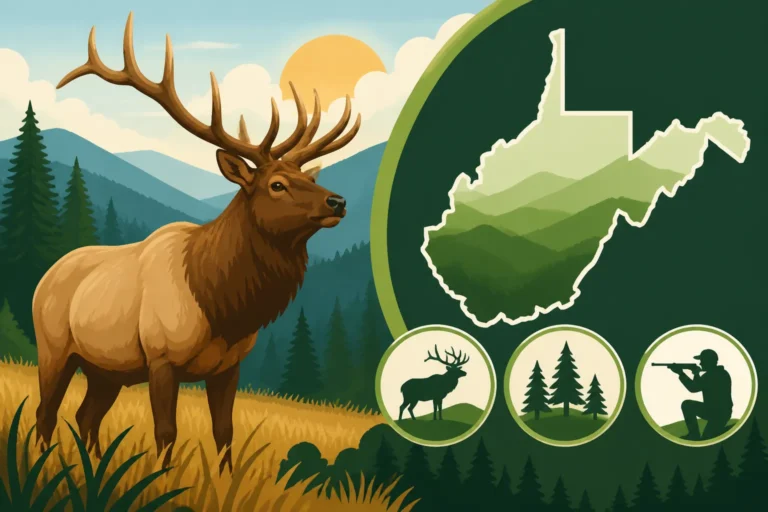
Beyond the standard WMA hunts, West Virginia also offers a few highly coveted special draw hunts. The most prominent of these is the annual elk hunt. With West Virginia's Restored Elk Herd growing, the WVDNR issues a very limited number of tags through a lottery system. This particular draw is incredibly competitive, with thousands of applicants vying for just a handful of permits. The application period for the elk draw is usually in the spring, with a deadline in late May or early June, and successful applicants are announced in the summer.
Another type of special draw might involve unique opportunities on private lands or within certain state parks that have limited hunting access. These hunts are often designed to address specific wildlife concerns in those areas. The deadlines and application methods for these special draws are always highlighted prominently in the WVDNR regulations and on their website. For those interested in the grand challenge of hunting elk, understanding these application deadlines is just as critical as honing your skills for Hunting Steep Allegheny Ridges.
Final Thoughts on Securing Your Spot
The world of West Virginia managed hunts offers some truly exceptional opportunities for hunters willing to put in the effort. From unique WMA experiences to the ultimate challenge of an elk tag, these hunts are a testament to sound wildlife management. Your best strategy is proactive research: get that WVDNR regulations synopsis as soon as it's released, mark your calendar with critical deadlines, and make sure your Go Wild WV account is ready to go. Don't let the frustration of a missed deadline keep you from your next Mountain State adventure.
Disclaimer
The information provided in this guide is for general informational purposes only and is subject to change. Hunting regulations, season dates, and application deadlines are determined by the West Virginia Division of Natural Resources (WVDNR) and can be modified annually. Always consult the most current official WVDNR Hunting and Trapping Regulations Synopsis and the WVDNR's official website for the most accurate and up-to-date information before planning any hunting activities.