Taking West Virginia Hunter Education Online
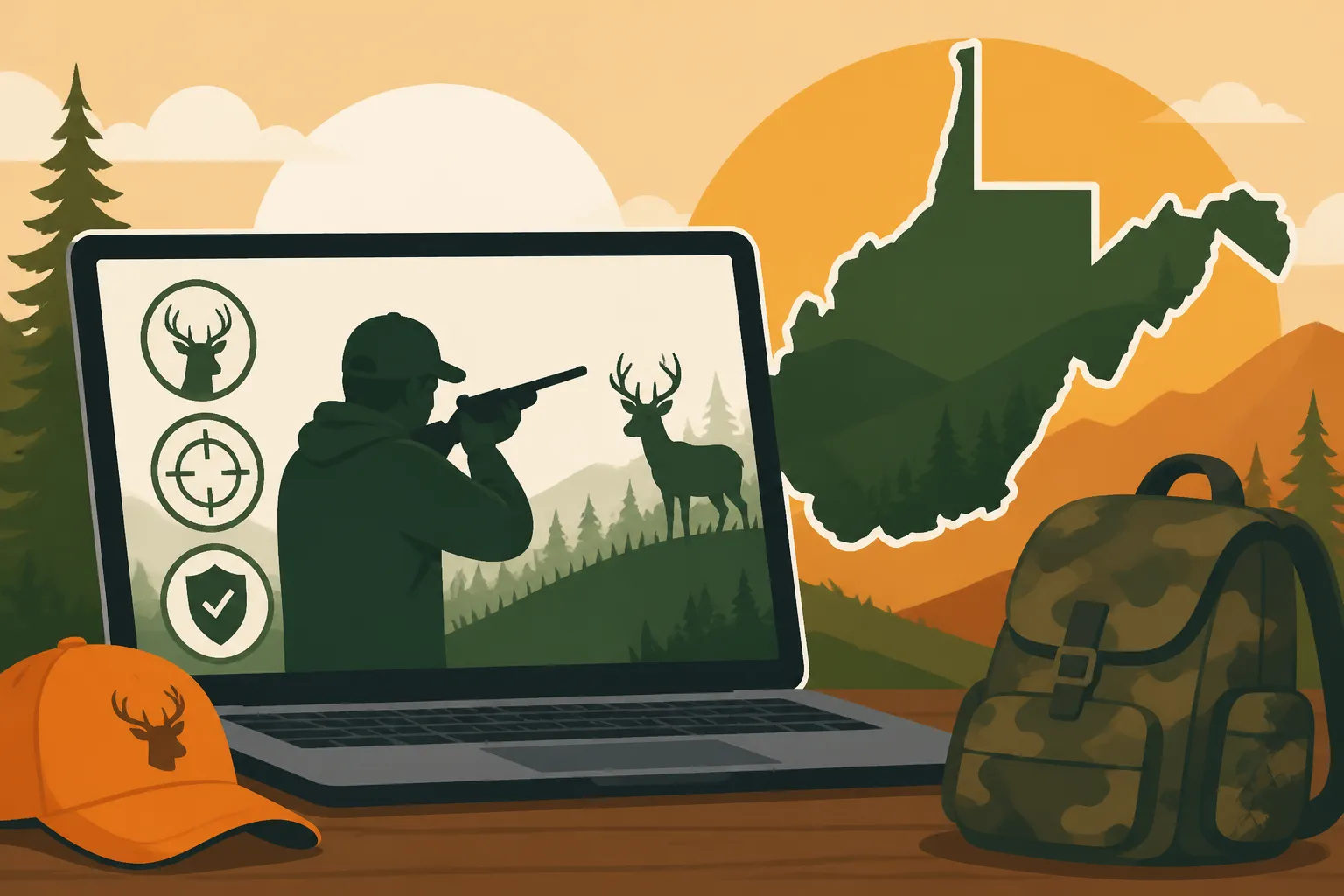
Remember when hunter education meant hours in a stuffy classroom, trying to cram a week's worth of knowledge into a few short days? For many West Virginia hunters, especially those with demanding jobs or family commitments, that traditional model just isn't feasible anymore. Thankfully, the West Virginia Division of Natural Resources (WVDNR) has embraced modern solutions, making it easier than ever to get your certification. This guide will walk you through everything you need to know about taking West Virginia Hunter Education online, from registration to receiving your official card, helping you navigate the process without the headache.
The Modern Convenience of Online Hunter Education
Let's face it, life in the Mountain State can be hectic. Between work, family, and maintaining that property, finding a dedicated block of time for an in-person hunter education course can feel impossible. That's where the online option truly shines, offering a flexibility that traditional classes simply can't match.
Why Online is a Game-Changer for Busy Schedules
For decades, the standard path to becoming a certified hunter involved sitting in a classroom, often over a weekend or a series of evenings. While those courses still exist and offer valuable hands-on experience, they were a significant barrier for many would-be hunters. Imagine you're a shift worker in Charleston, or a parent juggling kids' sports schedules in Morgantown; committing to a fixed schedule is a luxury many simply don't have.
The online hunter education course changes all that. It allows you to learn at your own pace, on your own schedule. Got an hour free after the kids go to bed? Perfect. A long lunch break? Dive into a module. You can start, stop, and resume as many times as you need, picking up exactly where you left off. This self-paced format means you can truly absorb the material without feeling rushed or overwhelmed, fitting your education seamlessly into the rhythm of your life. It removes the stress of travel, finding childcare, or missing work, making the path to obtaining your hunting license much more accessible for everyone in West Virginia.
Meeting West Virginia's Requirements Digitally
Perhaps you've heard whispers that online courses aren't "as good" or "don't count." Let's put that worry to rest right now. The West Virginia Division of Natural Resources fully recognizes and approves online hunter education courses as a legitimate path to certification for residents and non-residents alike. These online programs are designed to cover the exact same core curriculum as their in-person counterparts, ensuring you receive comprehensive training in all critical areas.
From understanding West Virginia Legal Firearms for Deer Hunting to identifying different wildlife species, the online course rigorously prepares you. You'll learn about hunting ethics, responsible game retrieval, wildlife conservation principles, and of course, crucial safety protocols. The WVDNR works closely with approved online providers to ensure that the material is up-to-date, accurate, and relevant to hunting in West Virginia. So, rest assured, when you complete an approved online course, you're meeting all the necessary West Virginia Hunter Education Requirements just as if you'd spent days in a local community center. The certificate you earn is your golden ticket to purchasing that first license and heading afield.
Navigating the West Virginia Online Hunter Ed Course
Once you've decided to go the online route, the next step is actually jumping in. It can seem a bit daunting at first, but the process is surprisingly straightforward, designed to be user-friendly even if you're not a tech wizard.
Choosing an Approved Online Provider
The first thing you'll want to do is visit the official West Virginia Division of Natural Resources website. They will have a clear section dedicated to hunter education and will list all approved online course providers. It's crucial to use one of these approved platforms to ensure your certification will be valid. While there are many general hunter education courses out there, only those specifically sanctioned for West Virginia will grant you the necessary state-specific certification.
These providers typically offer interactive modules with videos, quizzes, and simulations to make the learning engaging. Look for platforms that clearly state they are approved by the WVDNR. Most will have a "West Virginia Hunter Ed" specific landing page. The cost of these courses can vary slightly, so it's worth checking a couple of options, but generally, they are quite affordable, especially when you consider the convenience they offer. Remember, you're investing in your safety and the safety of others in the field, so choosing a reputable, approved provider is non-negotiable.
Course Structure and Content Overview
Regardless of which approved online provider you choose, the core content will follow a similar structure, mirroring the essential topics covered in any hunter education program. Here’s a general idea of what you can expect to learn:
| Section Name | Key Topics Covered | Importance to Hunters |
|---|---|---|
| Firearm and Archery Safety | Rules of safe gun handling, understanding ammunition, proper storage, safe zones of fire, crossbow safety. | Prevents accidents, protects yourself and others, instills responsible behavior. |
| Hunting Regulations & Laws | Bag limits, season dates, legal hunting hours, license requirements, checking game, public vs. private land rules. | Ensures legal hunting, avoids fines and penalties (e.g., West Virginia Wildlife Violation Penalties), preserves hunting privileges. |
| Wildlife Identification | Recognizing game animals (deer, turkey, bear, small game), understanding their habitats, signs of presence. | Ensures legal harvest, proper shot placement, helps with scouting and success. |
| Hunting Ethics & Responsibility | Fair chase principles, landowner relations, respecting wildlife, minimizing impact, blood trailing techniques. | Upholds the integrity of hunting, builds positive public perception, ensures responsible resource management. |
| Survival & First Aid | Basic wilderness survival skills, signaling for help, treating common injuries, preparing for emergencies. | Critical for safety in remote West Virginia terrain, especially in areas like Monongahela National Forest. |
| Conservation & Management | Role of hunters in conservation funding, wildlife biology basics, habitat improvement. | Fosters appreciation for wildlife, encourages participation in conservation efforts. |
Each of these sections will typically include interactive lessons, videos demonstrating techniques (like safe crossing of obstacles with a firearm), and short quizzes to check your understanding before moving on. You'll delve into everything from the importance of wearing How Much Blaze Orange West Virginia Requires during certain seasons to the specific rules around Crossbow Rules During West Virginia Archery Season. The goal is to build a strong foundation of knowledge that keeps you safe and ethical afield. After you've got your certification, diving into planning your next hunt becomes much easier. Tools like GoHunt can be invaluable for scouting, checking regulations, and understanding habitat before you even step foot in the woods.
The Final Exam and Certification Process
Once you’ve diligently worked your way through all the modules and confidently passed the section quizzes, you'll reach the final exam. This is the moment to demonstrate all that knowledge you’ve absorbed. The final exam typically consists of multiple-choice questions covering all aspects of the course material. Most platforms require a passing score, often around 80%, but you’ll usually have multiple attempts if you don’t pass on your first try. Don't stress too much about it; if you’ve paid attention, you'll do just fine.
After successfully passing the final exam, the online provider will issue you a temporary certificate of completion. This is a crucial document! Make sure to save it digitally and print a copy for your records. The online provider will then transmit your information to the West Virginia Division of Natural Resources. In some cases, you might receive your permanent hunter education card directly from the online provider or from the WVDNR via mail within a few weeks. Always double-check the specific instructions on the platform you used, as processes can vary slightly. This card is your official proof of certification and you’ll need it to purchase your West Virginia Hunting Licenses and What They Cost. Make sure you understand Carrying Proof of License on Your Phone is often an option these days, which makes it even easier to keep track of.
Beyond the Course: Applying Your New Knowledge
Earning your hunter education certificate online is a fantastic accomplishment, but it's really just the first step in a lifelong journey of learning and responsible hunting. The piece of plastic you receive signifies your foundational knowledge, but the real education truly begins once you step into the woods.
Understanding Your Hunter Education Card's Importance
Your hunter education card is more than just a piece of paper or plastic; it's proof that you've committed to safety and responsible hunting. This card is legally required for anyone born on or after January 1, 1975, to purchase a hunting license in West Virginia. This is an important rule to remember, as Who Needs West Virginia Hunter Education is a frequently asked question. Without it, you won't be able to buy your tags, plain and simple.
Beyond West Virginia, your card offers reciprocity with most other states and Canadian provinces. This means if you decide to go on a hunting trip out of state, your West Virginia certification will generally be accepted, saving you the hassle of taking another course. Always check the specific regulations of the state or province you plan to hunt in, but your West Virginia card is a widely recognized credential. It's also a point of pride, showing that you've taken the time to learn the rules, understand wildlife, and prioritize safety, reflecting well on all hunters.
Continuing Your Hunting Education Post-Certification
The online course gives you a solid base, but there's always more to learn. Hunting in West Virginia, with its diverse terrain from the Eastern Panhandle farmlands to the steep Allegheny ridges, presents unique challenges and opportunities. One of the best ways to expand your knowledge is through hands-on experience and by connecting with seasoned hunters. Consider seeking out a mentor, someone who can guide you through your first few seasons and share local wisdom – this is especially helpful if you started your journey with an West Virginia Apprentice Hunter License Rules.
There are also a plethora of resources available. Dive deeper into understanding West Virginia Deer Season Structure Explained or learn about West Virginia CWD Testing for Hunters, which is increasingly important in our region. Many online platforms and even tools like GoHunt offer detailed mapping features that can assist with Scouting West Virginia Public Land Before Season, helping you apply the habitat and wildlife identification skills you learned. Reading annual harvest reports from the WVDNR can also give you insights into population trends and successful hunting areas. Your education doesn't stop with the certificate; it evolves with every season you spend afield.
Common Questions and Expert Advice for Online Learners
Taking hunter education online offers incredible flexibility, but it's natural to have questions or wonder about specific aspects. Here are some common concerns and practical advice to help you succeed.
Technical Requirements and Troubleshooting Tips
While online courses are convenient, they do come with some basic technical requirements. You'll generally need:
- Reliable Internet Access: A stable connection is key to streaming videos, taking quizzes, and ensuring your progress is saved. If you live in a more rural area with spotty service, consider using a library's internet or a friend's Wi-Fi.
- A Computer or Tablet: While some platforms might work on smartphones, a larger screen often makes the material easier to read and interact with.
- Audio Capabilities: Many courses include narrated sections and videos, so headphones or speakers are a must.
Troubleshooting Advice:
- Save Regularly: Most online courses auto-save, but it’s always a good idea to periodically click a "save progress" button if available, especially before closing your browser.
- Clear Cache/Cookies: If you're experiencing technical glitches or pages not loading correctly, try clearing your browser's cache and cookies.
- Browser Compatibility: Use a modern web browser like Chrome, Firefox, or Edge. Older browsers might not support all the interactive elements.
- Contact Support: Don't hesitate to reach out to the online course provider's technical support if you run into persistent issues. They are there to help you get through the course.
Remember, patience is key. Technology can be frustrating sometimes, but a little troubleshooting usually goes a long way.
Bridging the Gap: What Online Can't Teach (and How to Learn It)
While online hunter education is comprehensive in theory, it simply can't replace certain hands-on aspects. You can learn about gun safety in a module, but actually handling a firearm and practicing safe muzzle control in person is invaluable. Similarly, knowing about proper shot placement is one thing, but hitting a target consistently at the range is another.
Here’s how to supplement your online learning:
- Hands-On Shooting Practice: After you get certified, find a local shooting range. Practice with the type of firearm you plan to hunt with. Get comfortable with loading, unloading, aiming, and firing safely. Consider taking an introductory shooting course for even more guided instruction.
- Field Experience with a Mentor: This is perhaps the most important supplement. Find an experienced hunter who is willing to take you under their wing. They can teach you about tracking, reading sign, setting up a blind, Hunting a Funnel Between Two Hollows, Hunting a Ridge-Top Saddle for Rutting Bucks, using calls, and generally how to navigate the woods safely and effectively. West Virginia Mentored Youth Hunting Rules exist for a reason – direct guidance is incredibly impactful.
- First Aid and Survival Skills: While the course covers basics, consider taking a dedicated wilderness first aid course. Knowing how to handle a real emergency in the backcountry of West Virginia can be a lifesaver.
- Practice with Gear: Get familiar with your hunting gear. Learn how to safely climb into a treestand, set up a ground blind, or use your calls effectively. You'll learn about ethical hunting, wildlife identification, and state-specific laws, all crucial information that can be further explored with mapping tools or regulation summaries found on platforms like GoHunt. Understanding deer behavior, for instance, can be greatly enhanced by cross-referencing information from your course with real-time data or community insights often shared on resources such as GoHunt.
Online education gives you the brain knowledge; hands-on experience builds the muscle memory and practical wisdom. Combine the two, and you’ll be well on your way to becoming a safe, ethical, and successful hunter in West Virginia.
Disclaimer
This guide is intended for informational purposes only and does not constitute legal advice. Hunting regulations in West Virginia can change, so always consult the most current West Virginia Division of Natural Resources (WVDNR) official regulations and publications before participating in any hunting activities.