Hunting the Rut in Mid-November
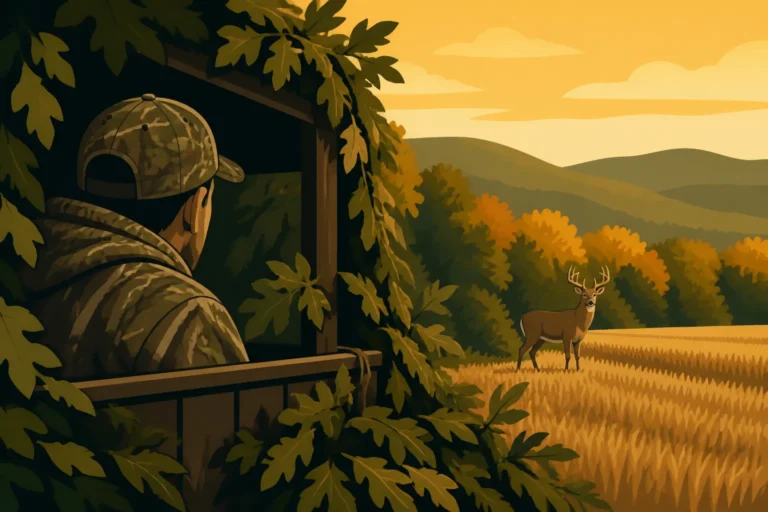
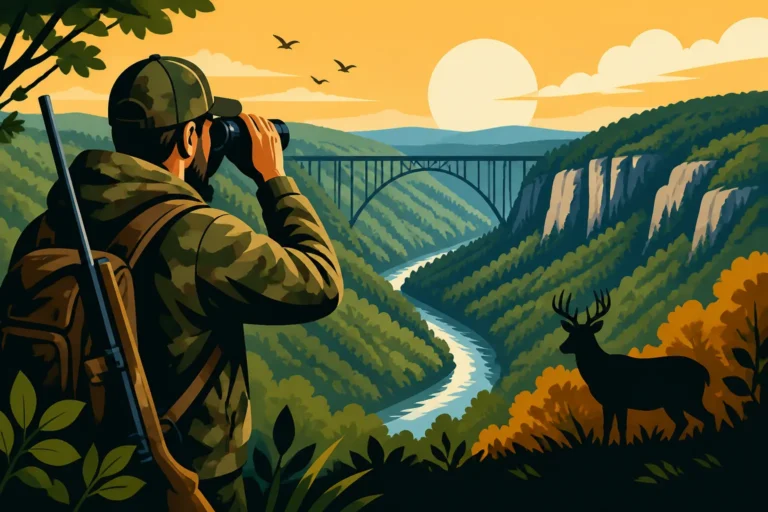
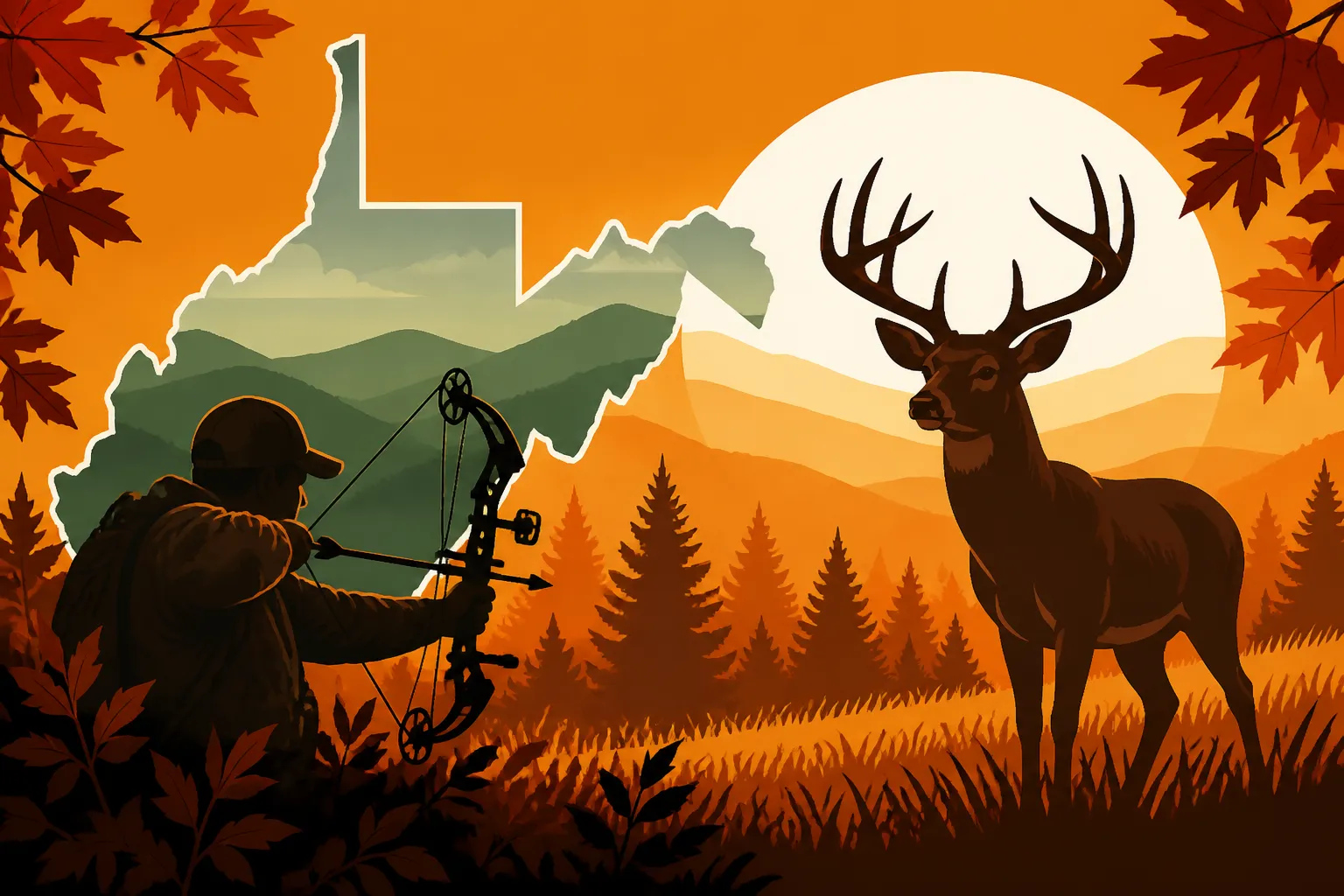
The crisp, cold air of mid-November in West Virginia hits different. For many of us deer hunters, this is the time we've been dreaming about all year – the peak of the whitetail rut. Yet, it can also be the most frustrating, a period where giant bucks seemingly vanish or appear out of nowhere, leaving you scratching your head. This guide is dedicated to dissecting the dynamics of hunting during the peak rut in the Mountain State, offering actionable strategies to turn those elusive encounters into success stories.
Understanding the Peak Rut in Mid-November
Mid-November marks a pivotal time in the deer woods of West Virginia. It’s when the whitetail rut is often in full swing, leading to some of the most exciting, if sometimes baffling, deer movement you’ll witness all season. Understanding what exactly is happening during this period is your first step toward success.
The Phases of the Rut Cycle
While we often talk about "the rut" as one big event, it's actually a series of interconnected phases, and mid-November usually falls squarely in the chaotic, thrilling heart of it all. Leading up to this time, in late October and early November, you'll see the pre-rut, characterized by bucks making rubs and scrapes, starting to chase does, and establishing dominance. They're revving up, getting ready for the main event.
As we transition into mid-November, particularly around the 10th to the 20th, West Virginia often experiences the peak breeding phase. This is when the majority of does become receptive to breeding, triggering an intense response from bucks. These mature bucks, often elusive the rest of the year, will be actively seeking, chasing, and breeding does. It's a period of high energy and vulnerability for them as their biological imperative overrides much of their usual caution. You'll likely see less focused feeding and more determined cruising. However, it’s important to remember that not every doe comes into estrus at the exact same moment. It’s more like a wave, with individual does becoming receptive for a short 24-48 hour window. After a buck breeds a doe, he might stay "locked down" with her for a day or two, making him disappear from the general woods, only to re-emerge frantically searching for the next receptive doe. This often leads to hunters thinking the rut has "shut down" when, in reality, bucks are just focused on one particular doe. For a deeper dive into timing, check out When the West Virginia Rut Peaks.
The Influence of Doe Activity
Bucks during the rut are single-minded: find does. This means that if you can locate where the does are, you’re in a prime position to intercept a cruising buck. Even during the rut, does still need to eat, especially with the colder temperatures setting in. While bucks might abandon their usual feeding patterns, does won't entirely.
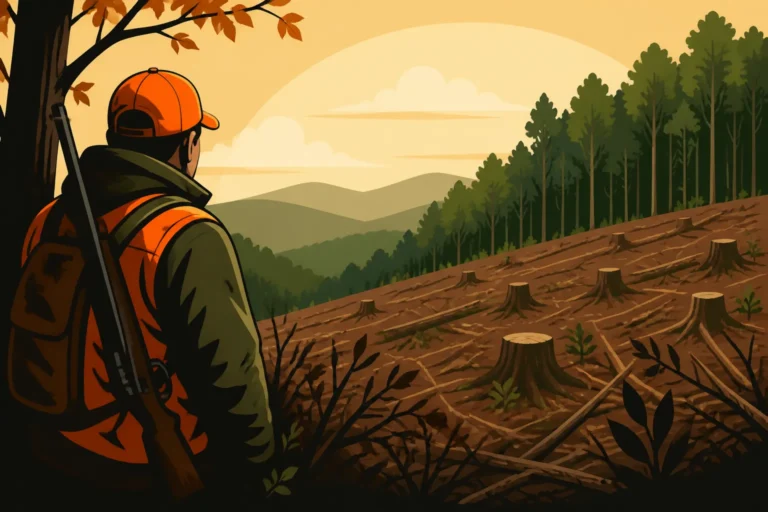
Focus on areas with primary food sources like remaining acorn crops, persistent green fields, or even small clear-cuts with browse. If the acorn crop was poor, natural browse and agricultural fields become even more critical. Does tend to congregate in these areas, making them natural magnets for bucks. Observing how doe groups behave during this time can give you clues. Are they moving as a tight unit, or are smaller groups or individual does breaking off, indicating receptiveness? Bucks will often scent-check these doe hangouts, circling downwind or making passes through. Don't underestimate the power of a good doe bedding area either. Bucks will often cruise the edges of these thickets, checking for hot does without venturing directly into the sanctuary. Understanding these patterns is key to Hunting the Rut in Mid-November. Finding these crucial feeding areas for does is critical, and you can learn more about specific resources in Late-Season Food Sources for West Virginia Whitetails.
Strategic Hunting Tactics for the Peak Breeding Phase
Hunting the mid-November rut requires a shift in strategy. You can’t just rely on typical morning and evening sits over food plots anymore. This is a time for more aggressive tactics and extended periods in the stand.
Aggressive Calling and Decoying
During the peak rut, bucks are actively searching for does, and they are highly responsive to various vocalizations and visual cues. This is when your calls and decoys can truly shine.
Rattling can be incredibly effective when bucks are actively seeking. Think about where you expect a buck to be cruising for does, perhaps along a ridge top or through a thick hollow. Start with some light tickling of antlers, mimicking two smaller bucks sparring. If there's no response after a few minutes, escalate. Crash those antlers together aggressively, as if two mature bucks are really going at it. Follow it up with some grunts. The key is to be loud enough to be heard but not so loud that it sounds unnatural for the cover you're in. In thick laurel, you might need more volume than in mature hardwoods. Pay attention to how bucks react; sometimes a subtle rattle is all it takes, other times you need to be a bit more flamboyant. Remember, a buck might circle downwind to scent-check the sound, so position yourself accordingly.
Grunting is another powerful tool. A deep, drawn-out grunt can mimic a buck trailing a doe, while shorter, sharper grunts can sound like a buck challenging another. Combine grunts with doe bleats to create a realistic scenario of a hot doe being pursued. A well-placed doe bleat, especially using a can call, can be enough to stop a cruising buck or even draw one in who thinks another doe is calling to him. Consider practicing your calls ahead of time, because sounding authentic is far more important than just making noise. You can find more specific advice on this in Rattling and Grunting in West Virginia and Grunt Calls in Mature West Virginia Timber.
When it comes to decoys, a single doe decoy can be incredibly effective, especially if you position it to look like she’s either standing still or slightly quartering away. A buck cruising for a receptive doe will often spot the decoy and come in to investigate. Adding a small buck decoy can add an element of challenge, but be cautious with buck decoys on public land, especially during gun season, as they can draw other hunters. Position your decoy in a visible location, like a field edge or along a logging road, ensuring it's downwind of your stand so approaching bucks don't scent you. Always have your bow or rifle ready, as a rutting buck might come in quickly and aggressively.
All-Day Stand Sits and Cruising Lanes
One of the biggest mistakes hunters make during the peak rut is adhering to traditional dawn and dusk hunting schedules. Bucks are moving all day and all night, driven by the urge to find and breed does. This means you need to be in your stand from first light until last light to maximize your chances.
Mid-November is the time to commit to those long, arduous all-day stand sits. Bucks aren't just hitting food sources; they are tirelessly cruising transition zones, saddles, ridge tops, hollows, and pinch points, scent-checking for receptive does. These are the cruising lanes you need to identify and target. Look for natural funnels created by terrain features, such as a narrow saddle connecting two ridges, a steep hollow that forces deer movement along its bench, or a thicket of cover that bottlenecks deer into a specific travel corridor. A good mapping tool, like the one offered by GoHunt, can help you identify these features before you even set foot in the woods, allowing you to plan your stand locations strategically.
To prepare for an all-day sit, comfort is paramount. Bring enough warm layers, especially for the colder West Virginia mountain mornings and evenings. Pack plenty of quiet snacks, water, and a thermos of coffee or hot chocolate. Scent control becomes even more critical when you're spending 10+ hours in one spot. Use scent-eliminating sprays, store your hunting clothes in airtight containers, and shower with unscented soap. The commitment might be physically demanding, but the reward of catching a mature buck cruising midday is unparalleled. Identifying these travel routes is key to success, especially if you're Hunting a Ridge-Top Saddle for Rutting Bucks or setting up in Hunting a Funnel Between Two Hollows.
Locating Rut Sign and Adapting to Pressure
Even during the peak of the rut, sign like scrapes and rubs still tells a story. However, their meaning can shift slightly. You also need to be acutely aware of hunting pressure, especially on public lands where other hunters might be thinking the same thing as you.
Fresh Scrapes and Rub Lines
While the frenzy of breeding might mean bucks spend less time actively working scrapes compared to the pre-rut, fresh scrapes are still crucial indicators of current buck presence. A scrape that has been recently pawed out, with fresh earth turned over and a strong smell from the overhanging licking branch, tells you a buck was there very recently. Don't be fooled by older, leaf-covered scrapes. Focus on the freshest ones, especially those along travel corridors, logging roads, or the edges of thick cover. These fresh scrapes indicate where a buck is currently patrolling his territory or checking for does.
Rub lines also take on heightened importance. During the rut, bucks will make rubs not just to remove velvet or mark territory, but as an expression of their aggression and frustration when searching for does. A fresh rub, with splintered wood and sap still oozing, tells you a buck passed through there recently. A series of fresh rubs, known as a rub line, can show you the direction of travel a buck is taking between bedding areas and doe hangouts. Look at the height and diameter of the rubs; larger, higher rubs often indicate a more mature buck. Integrating tools like GoHunt can help you mark and analyze the locations of these fresh rubs and scrapes, allowing you to build a picture of buck movement patterns on your chosen piece of West Virginia ground.
Navigating Hunting Pressure
Mid-November, particularly during the firearm seasons that often overlap with the rut in many West Virginia counties, means increased hunting pressure. Public lands, in particular, can feel like a crowded mall on Black Friday. But don't despair – this pressure, if understood, can be used to your advantage.
Deer, especially mature bucks, will adapt to hunting pressure by becoming more nocturnal or seeking out overlooked areas. These are often the thickest, nastiest cover you can find – steep laurel thickets, deep, remote hollows, or obscure benches high on a mountain. Bucks will retreat to these sanctuaries to escape human intrusion. Your job is to find these pockets. This might mean walking further, climbing steeper, or pushing into dense cover that other hunters avoid.
Use terrain features to your advantage. A deep ravine, a sheer cliff face, or a dense clear-cut can create natural barriers that funnel deer away from heavily trafficked areas. Study your maps and look for these natural fortresses. Sometimes, finding a small, unpressured pocket of deer just means walking an extra half-mile beyond where most hunters stop, or dropping into a hollow that looks too steep for comfort. GoHunt’s detailed satellite imagery and topographic maps can be invaluable here, helping you identify these potential overlooked havens. Understanding and adapting to Hunting Pressure on West Virginia Public Land is crucial, and knowing how to find Finding Ground Others Walk Past can make all the difference.
Overcoming Common Rut Hunting Challenges
The rut isn't always smooth sailing. There are specific challenges that can make mid-November hunting tough, from bucks disappearing into "lockdown" to unpredictable weather shifts. Knowing how to navigate these hurdles can save your hunt.
The "Lockdown" Phenomenon
One of the most disheartening experiences during the peak rut is when bucks seem to just vanish. This is often due to the "lockdown" phenomenon. During lockdown, a mature buck will find a receptive doe and stay with her, often in a thick bedding area, for 24 to 48 hours to ensure successful breeding. During this period, their movement outside of this small area can be minimal, making them incredibly difficult to locate. This can lead hunters to believe the rut is over, when in fact, the action is just hidden from view.
To hunt during a lockdown, patience is key. Instead of frantically searching for a buck that might be bedded down with a doe, focus your efforts on areas where doe groups congregate, especially their bedding areas. Bucks will eventually finish with one doe and resume their search for another, often circulating back through these high-traffic doe zones. Consider setting up on the downwind side of known doe bedding areas, hoping to intercept a buck as he breaks off from one doe or approaches to scent-check for another. Another strategy is to subtly still-hunt or spot-and-stalk the edges of thick cover where a lockdown might be occurring, moving slowly and deliberately, always ready for a quick shot.
Weather and Environmental Factors
West Virginia's mid-November weather can be as unpredictable as a rutting buck. From crisp, clear mornings to sudden cold fronts, rain, or even early snow, environmental factors play a significant role in deer movement.
Cold fronts are often a hunter's best friend during the rut. Deer tend to become more active both before and immediately after a significant drop in temperature. If you see a cold front rolling in, prepare for increased daytime movement. Bucks will often kick their cruising into high gear. Conversely, a warm spell can make deer, especially bucks that have been running hard, lay up more during daylight hours.
Wind direction is always critical, but even more so on West Virginia's steep terrain. The wind doesn't just blow in a straight line; it swirls, especially in hollows and along ridge lines, influenced by thermals. Understanding Wind and Thermals on a Steep Ridge is vital. Early mornings often see downdrafts (cold air moving downhill), while afternoons bring updrafts (warm air rising). Always try to position yourself so your scent is blowing away from where you expect deer to approach. Rainy or snowy days can also be productive, as the precipitation can mask human scent and sound, encouraging deer to move. Using a robust weather forecasting app, perhaps integrated with GoHunt, can help you anticipate these changes and adapt your hunting strategy accordingly. For more on hunting in changing conditions, consider Hunting Deer After a Cold Front.
| Tactic | When to Use | Pros | Cons |
|---|---|---|---|
| Aggressive Calling (Rattling/Grunting) | Peak seeking/chasing phase, active bucks | Can bring bucks in from long distances, simulates real deer activity | Can alert deer if overdone or sounds unnatural, not always effective |
| All-Day Stand Sits | Any day during the peak rut | Maximizes exposure to all-day buck movement, catches unexpected activity | Physically demanding, requires preparation, can be boring if slow |
| Hunting Cruising Lanes | Consistent buck travel, between bedding/food | Targets predictable buck movement, good for intercepting | Might miss bucks "locked down" elsewhere, requires good scouting |
| Focusing on Fresh Sign | After finding recent rubs/scrapes | Confirms recent buck presence, helps identify current patterns | Sign can be old, not always indicative of immediate buck presence |
| Targeting Overlooked Areas | High pressure, public land, mid-day | Finds unpressured bucks, often in thick cover | Requires more effort, can be physically taxing, thicker shooting lanes |
| Doe Bedding Intercepts | During lockdown, or when bucks are heavily chasing does | High probability of intercepting bucks checking does | Can be slow if does aren't receptive, requires careful entry/exit |
Final Thoughts for Your Mid-November Hunt
Hunting the rut in mid-November in West Virginia is a challenging but immensely rewarding endeavor. It demands patience, adaptability, and a willingness to put in long hours. By understanding the phases of the rut, focusing on doe activity, employing aggressive tactics, and adapting to both hunting pressure and weather, you significantly increase your odds of success. Remember, every day in the rut is different, so stay persistent, learn from every encounter, and cherish the experience of being out in the wild beauty of West Virginia during this incredible time of year.
Disclaimer
Hunting is an inherently dangerous activity. Always prioritize safety, understand and follow all West Virginia hunting regulations, and ensure you have proper training and equipment. The information provided in this guide is for informational purposes only and does not substitute for personal judgment, experience, or professional instruction.