Scouting West Virginia Public Land Before Season
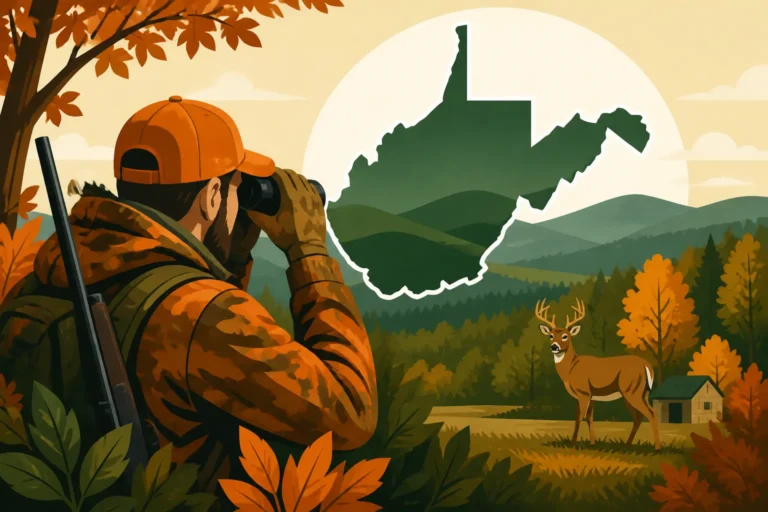
The crunch of autumn leaves underfoot is one of the best sounds in the world, but if you're hitting West Virginia public land on opening day without having set foot in the woods beforehand, you're essentially hunting blind. That gut-wrenching feeling of uncertainty, wondering if you're even in the right zip code for game, is something we've all faced. This comprehensive guide is here to equip you with the knowledge and tactics to effectively scout West Virginia's vast public lands before the season, transforming your hunts from hopeful guesses into strategic endeavors.
Why Pre-Season Scouting is Absolutely Critical
Many hunters view scouting as an optional pre-season chore, but in West Virginia's rugged and diverse terrain, it's nothing short of a non-negotiable step toward success. The mountains, hollers, and dense cover here change constantly, and what was a hot spot last year might be barren this season. Without proper reconnaissance, you're not just at a disadvantage; you're setting yourself up for frustration and wasted time in the stand.
Unmasking the Landscape's Secrets
Think of scouting as detective work. You’re not just looking for deer sign; you’re piecing together a story about how animals use the landscape. Every rub, every track, every well-worn trail tells you something about their daily routines, their preferred travel corridors, and where they feel safe. Understanding these patterns before the season kicks off allows you to identify critical funnels, bedding areas, and feeding locations that might be completely missed by a hunter who only shows up on opening day. This deeper understanding gives you the confidence to know you’re sitting in the right spot, even when game movement is slow. It also helps you understand how Reading West Virginia Mud for Fresh Deer Movement can give you real-time intel.
Spending time in the woods when deer aren't actively being pressured also gives you a chance to see them in a more natural state. You might observe their entry and exit points to fields, where they cross creeks, or how they navigate steep terrain. This undisturbed observation is invaluable. Once the season starts and the woods are full of other hunters, these subtle patterns become much harder to discern as game behavior shifts dramatically. This early intel is like getting a sneak peek at the deer's playbook, allowing you to position yourself for maximum opportunity.
Adapting to West Virginia's Unique Challenges
West Virginia's public lands present a unique set of challenges that make pre-season scouting even more vital. We're not talking about flat, open farmland here. We're talking about incredibly steep ridges, dense laurel thickets, vast timber cuts, and sprawling national forests like the Monongahela. These environments demand a proactive approach. Acorn crops can vary wildly year to year, influencing where deer feed. Timbering operations can open up new food sources or create impenetrable new cover. Even something as simple as a fallen tree can alter a deer's preferred travel route.
Beyond natural changes, you have to factor in human pressure. Popular public land spots can get hammered, especially during West Virginia's Buck Gun Season. Scouting allows you to identify areas that might be overlooked, harder to access, or simply hold less pressure. You can spend time Finding Ground That Sees Fewer Hunters by pushing a little deeper, climbing a little higher, or exploring those out-of-the-way benches and saddles. Ignoring these dynamic elements and relying on old knowledge is a recipe for an empty tag. By scouting, you're not just finding deer; you're finding huntable deer, often in places others walk past.
Gearing Up for Effective Reconnaissance
Effective scouting isn't just about walking around in the woods; it's about being prepared with the right tools to maximize your time and effort. From digital aids that give you a bird's-eye view to the boots on your feet, having the right gear can make all the difference in uncovering those hidden gems on public land. Don't fall into the trap of thinking you can just wing it; methodical preparation is key.
Leveraging Digital Tools and Mapping
In today's hunting world, digital mapping applications are an absolute game-changer, especially when you're dealing with the complexities of West Virginia's public lands. Tools like GoHunt provide invaluable satellite imagery, topographic maps, and crucial public/private land boundary overlays right on your phone or tablet. Before you even set foot in the woods, you can spend hours virtually scouting, identifying potential access points, ridgelines, saddles, benches, and water sources. This allows you to quickly eliminate unproductive areas and focus your boots-on-the-ground efforts on the most promising spots.
Using these apps, you can mark potential stand locations, historical sign, and strategic travel corridors. You can also analyze terrain features, predict how Wind and Thermals on a Steep Ridge will affect scent dispersion, and identify natural funnels between bedding and feeding areas. I often use GoHunt to pinpoint areas that look difficult to access, knowing these often hold less pressure. By studying the contours and features from above, you can often visualize deer movement patterns long before you ever see a track. It’s like having a local guide in your pocket, helping you dissect the landscape from a distance and make informed decisions about where to spend your valuable time. This pre-digital "cyber-scouting" is a vital first step, allowing you to focus your physical efforts.
Essential Field Equipment for Success
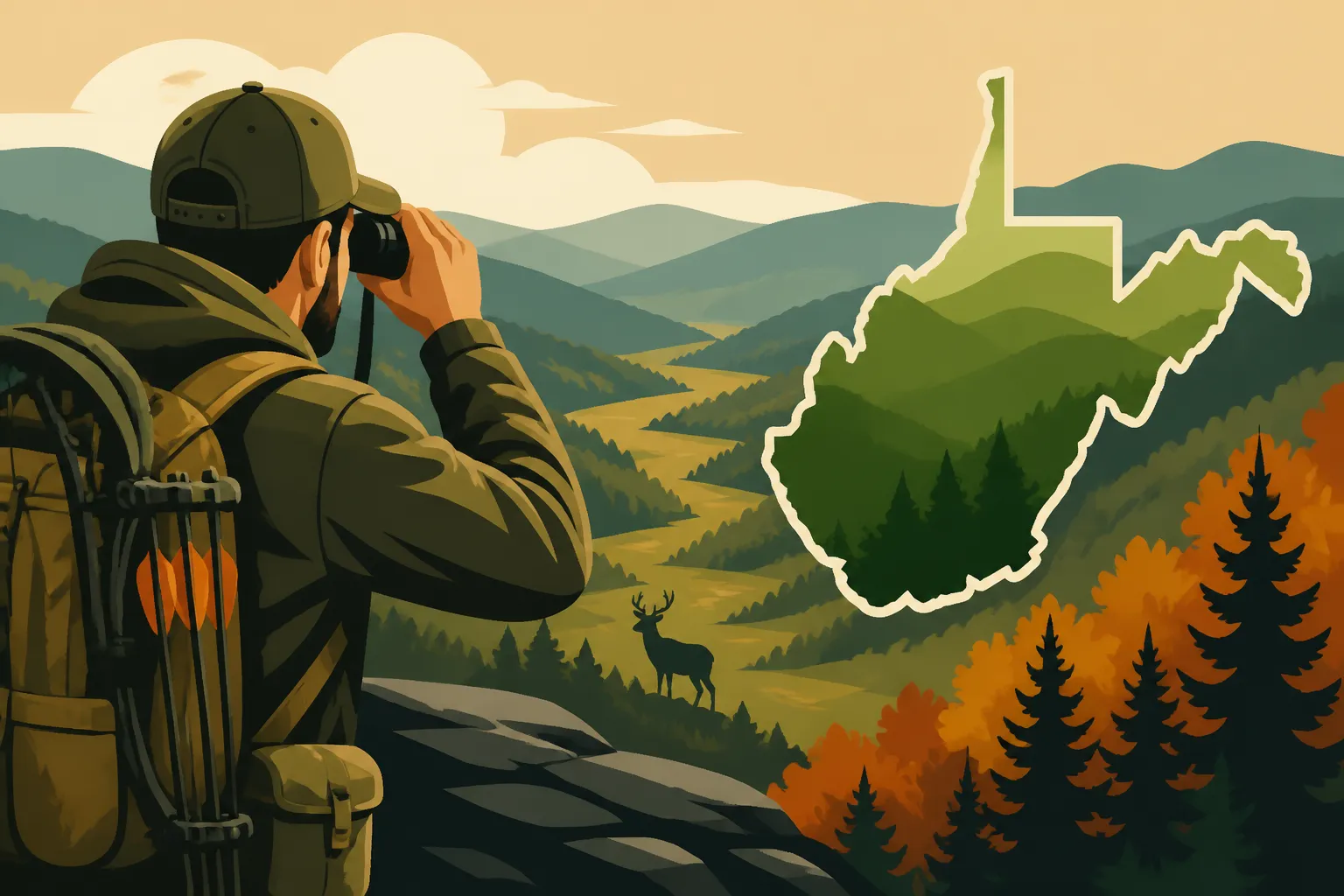
Once you’ve done your digital homework, it’s time to hit the woods with the right physical gear. A reliable GPS unit or a fully charged phone with your mapping app (and a backup battery!) is absolutely non-negotiable for navigating vast public lands like the Monongahela National Forest. You need to know where you are, where property lines are, and how to get back to your vehicle, especially when you're pushing deep into unfamiliar territory. Don't underestimate the power of a good pair of binoculars – 8x or 10x magnification can save you miles of walking by allowing you to glass distant ridges, clearings, or field edges for sign without needing to traverse the entire area.
Beyond navigation and optics, come prepared for the physical demands. Sturdy, comfortable hiking boots are a must for West Virginia's steep and often rocky terrain. Dress in layers, as temperatures can fluctuate dramatically, especially in the mountains. A small backpack with water, snacks, a first-aid kit, and flagging tape (biodegradable, of course!) for marking key finds will make your scouting trips safer and more productive. Don't forget a compass and a physical map as a backup, because technology can fail. And if you're venturing into areas with known bear activity, bear spray is always a smart addition to your pack. Being self-sufficient and prepared ensures you can focus on finding game, not worrying about getting lost or running out of essentials.
| Scouting Tool / Item | Primary Use | West Virginia Specific Benefit |
|---|---|---|
| Digital Mapping App (e.g., GoHunt) | Identifying property boundaries, topography, satellite imagery, marking waypoints. | Crucial for distinguishing public from private land, understanding steep elevation changes, and finding remote access points. |
| Binoculars (8x-10x) | Glassing distant ridges, clearings, observing game movement, locating sign from afar. | Saves miles of walking in steep terrain, helps spot overlooked areas or potential bedding. |
| GPS Device / Phone | Navigation, marking stand locations, trails, and sign; ensuring you don't trespass. | Essential for vast, unmarked public lands and for safely returning to your vehicle. |
| Comfortable Hiking Boots | Covering rugged, steep, and varied terrain. | Prevents blisters and fatigue on long climbs and descents, important for deep pushes. |
| Backpack | Carrying water, snacks, first aid, layers, flagging tape, and other essentials. | Allows for longer, safer scouting trips into remote areas. |
| Blaze Orange Vest/Hat | Visibility to other early season hunters, hikers, or scouting parties. | Safety in areas where early small game or predator seasons might be open. |
| Trail Cameras | Monitoring specific locations, identifying deer movement patterns, buck inventory. | Provides objective data on deer presence, travel times, and specific animals using an area. |
| Small Notebook & Pen | Recording observations, specific dates of sign, wind directions, and ideas. | Helps organize thoughts, track changes over time, and build a detailed scouting log. |
Decoding Deer Sign Across Public Lands
Finding deer sign is exciting, but knowing how to interpret it is what truly turns scouting into an effective strategy. West Virginia's deer leave a clear trail of breadcrumbs, if you know what to look for and, more importantly, what it means. Distinguishing fresh, relevant sign from old, stale activity is paramount, especially when you're trying to predict current deer behavior.
Interpreting Tracks, Trails, and Key Travel Routes
Tracks are the most fundamental form of deer sign. Fresh tracks, especially those with distinct edges, tell you that deer have recently passed through an area. Pay attention to their size – larger, more spread-out tracks often indicate a bigger, heavier deer, potentially a mature buck. The direction of the tracks can reveal daily travel patterns, showing you how deer move between bedding and feeding areas. You might find several tracks converging into a well-worn path; these are often high-traffic deer trails.
Following these trails is critical. They'll often lead you to natural funnels – pinched areas of cover, saddles between ridges, creek crossings, or edges of clearcuts – where deer are naturally channeled. These funnels are absolute gold mines for stand locations, as they force deer into predictable travel patterns. Also, observe how trails cross each other. Heavily used intersections are prime spots for encountering deer. Remember, deer are creatures of habit, and their trails are their highways through the woods. Don't just find a trail; understand its destination and purpose. This is where understanding how to read a ridge for Eastern Panhandle deer becomes crucial.
Understanding Rubs, Scrapes, and the Rut's Foretellers
As the rut approaches, bucks begin to leave more overt signs of their presence and dominance: rubs and scrapes. Rubs are typically made on small trees or saplings where a buck has rubbed his antlers, stripping the bark. Fresh rubs, especially those clustered together in "rub lines," indicate a buck is actively working an area and can show you his travel path. Older, faded rubs might just be a sign of past activity, so always prioritize the freshest ones.
Scrapes are pawed-out areas of bare earth, usually with an overhanging branch (the "licking branch") that bucks will scent mark. These are essentially calling cards, communicating their presence to does and other bucks. Active scrapes will appear wet or have freshly turned earth, and often have fresh tracks in them. They are often found along existing deer trails, field edges, or near bedding areas. Finding a consistent line of fresh rubs leading to a cluster of active scrapes is a strong indicator of a buck's core area and pre-rut activity. While they might not be as active during early archery season, they show where rutting bucks will be. If you’re hunting during the peak of the Hunting the Rut in Mid-November, these become especially valuable.
Pinpointing Bedding Areas and Critical Food Sources
Understanding where deer eat and sleep is the foundation of any successful hunt. Bedding areas are typically located in thick, dense cover that offers security and good visibility or scent control. This could be a laurel thicket on a steep hillside, a dense stand of pines, or a secluded bench high on a ridge where Monongahela Forest bucks bed. Look for flattened areas in the vegetation where deer have laid down, often with droppings nearby. You might also find shed hair, especially in late summer or early fall. Approaching these areas cautiously during scouting is key, as you don't want to spook deer out of their sanctuary before the season begins.
Food sources in West Virginia are diverse and seasonal. In early fall, acorns are king. White oaks are generally preferred first, followed by red oaks. Scout oak ridges for fresh mast and cuttings – the telltale signs that deer are actively feeding. Later in the season, browse (new growth on saplings), honeysuckle, and persimmons become important. In agricultural areas, deer will frequent corn or soybean fields. The key is to find the current preferred food source and then identify the bedding areas closest to it, and the travel corridors connecting the two. Pay close attention to what the deer are eating when you're scouting, as this intel is incredibly time-sensitive and will dictate where you focus your efforts once the season arrives.
Specialized Scouting for Bear and Turkey
While much of the pre-season scouting discussion revolves around deer, West Virginia offers fantastic opportunities for bear and turkey hunting. These species have distinct behaviors and habitat preferences, requiring a tailored scouting approach. Don't make the mistake of assuming deer sign will automatically lead you to bears or turkeys; their worlds overlap, but their priorities differ.
Finding West Virginia's Elusive Turkeys
Spring turkey season in West Virginia is a cherished tradition, but finding those gobblers before opening day requires specific tactics. Start by listening. Turkeys will often gobble from the roost at dawn and dusk. Identifying potential roosting areas – often mature, tall timber on ridgelines or near water – is a huge head start. During scouting trips, focus on finding turkey sign like tracks, droppings (larger and more coiled for gobblers), and dusting bowls. Dusting bowls are shallow depressions where turkeys have fluffed their feathers, often found in dry, sandy areas or along logging roads.
Additionally, pay attention to food sources. In early spring, turkeys will be feeding on tender new shoots, insects, and residual acorns from the previous fall. Look for areas with a mix of mature timber for roosting and open areas or fields for feeding and strutting. River bottoms and logging roads are often good places to find turkey activity. Sometimes, you'll hear them clucking or yelping during the day, giving away their location. Scouting for turkeys is often about finding a balance between dense cover for safety and open areas for feeding and breeding displays. Knowing where they prefer to roost, feed, and strut will significantly increase your odds when Calling a West Virginia Gobbler Off the Roost during the season.
Tracking the Mountain State's Black Bears
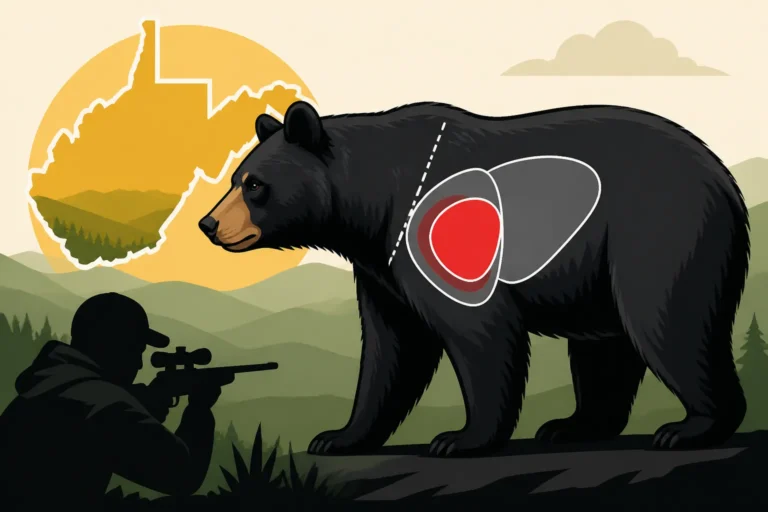
West Virginia's black bear population has seen a remarkable comeback, and scouting for these intelligent animals can be incredibly rewarding. Bears are omnivores, and their feeding patterns dictate their movements. In early fall, focus heavily on mast crops. Oaks, beeches, and hickories are prime targets. Look for overturned rocks, claw marks on trees where they've climbed for nuts, and scat loaded with berry seeds or acorn hulls. Tracks are also a clear indicator – large, flat-footed impressions with distinct claw marks.
Often, bears will leave "bear trees" – larger trees with repeated claw marks and sometimes rubbed areas where they've stretched and marked their territory. These can be found near food sources or travel corridors. Areas with dense laurel or rhododendron thickets often serve as bedding cover. If you find a fresh natural mast crop, like a strong white oak acorn drop, you can be fairly certain bears will be in the vicinity. Scouting for bears often involves finding the freshest food source and then looking for sign around it, including trails leading in and out of thick cover. Remember, bear season can be liberal in West Virginia, so understanding their movements is key to success whether you're Hunting Bears Over Natural Mast in the Mountains or otherwise.
Overcoming Public Land Hurdles During Scouting
Scouting public land in West Virginia isn't always a solitary endeavor. You're likely to encounter other users, and you also need to be acutely aware of specific regulations, like those related to Chronic Wasting Disease (CWD). Navigating these hurdles respectfully and responsibly is part of being a good hunter and ensures your scouting is effective and ethical.
Managing Pressure and Respecting Fellow Hunters
West Virginia's public lands, while vast, can experience significant pressure, especially on weekends or during peak scouting times. It's not uncommon to encounter other hunters, hikers, or even mountain bikers during your pre-season treks. The key is to be respectful and practice good etiquette. If you come across another hunter's trail camera or a marked stand, give it a wide berth. Everyone is out there trying to find their spot, and respecting others' scouting efforts prevents conflicts.
One of the benefits of early pre-season scouting is that it helps you identify areas with less human activity. You might find a ridge that's a bit harder to get to, or a hollow that requires a longer walk, but these are often the places where you can avoid the crowds. Remember, the goal of scouting isn't just to find deer, but to find deer in a place where you can realistically hunt them without constant interference. This often means putting in more effort to get off the beaten path and into those overlooked pockets that aren't visible from the road. When planning your actual hunt, this knowledge of Opening Weekend Crowds on West Virginia Public Land will be invaluable.
Navigating CWD Zones and Regulations
Chronic Wasting Disease (CWD) is a very real concern in certain West Virginia counties, primarily in the Eastern Panhandle, and hunters have a responsibility to be aware of and adhere to all related regulations, even during scouting. These rules are put in place to monitor and hopefully contain the spread of this fatal neurological disease in deer. Before you head out, check the West Virginia DNR website for the latest information on West Virginia's Chronic Wasting Disease Counties and any specific rules for carcass movement or testing that might apply to your scouting area.
While scouting, this primarily means being mindful if you find any deceased deer. Report it to the WVDNR immediately. It also means if you're planning to set up trail cameras, you need to be aware of the Trail Camera Rules on West Virginia Public Land in CWD areas, as baiting or attractants might be prohibited. The biggest impact for many hunters is after a successful harvest, with rules like Moving a Deer Carcass Out of the Containment Area being strictly enforced. However, understanding these restrictions before the season impacts how you plan your hunt and the areas you might choose to focus on, ensuring you're prepared for the season's requirements.
Turning Scouting Knowledge into Hunting Success
Scouting is only half the battle. The real magic happens when you effectively translate all that hard-earned knowledge into a coherent, adaptable hunt plan. All those hours walking and studying maps culminate in the moments you spend in the stand or still-hunting through a thicket.
Crafting a Dynamic Hunt Plan
After all your scouting efforts, you should have a wealth of information: preferred bedding areas, active food sources, key travel routes, and potential stand locations. Now, it's time to consolidate that into a dynamic hunt plan. This isn't just one static plan, but rather several options based on different wind directions, time of day, and projected deer activity. For each potential stand site you've identified, consider your entry and exit routes to minimize disturbance. You don't want to blow out a hot spot before you even climb into your stand.
Your plan should also account for varying conditions. What's your strategy if it rains? What if the wind shifts unexpectedly? How will you adapt if you don't see any deer in your primary spot for a few hours? Having backup plans, alternative routes, and secondary stand sites based on different wind directions or thermal patterns (especially when Hunting Steep Allegheny Ridges) is crucial. A well-crafted plan isn't rigid; it's a flexible framework that allows you to make informed decisions in the moment, maximizing your chances of intercepting that West Virginia whitetail or gobbler. You'll thank yourself for this preparation when the pressure is on.
Staying Flexible and Adapting to Conditions
Perhaps the most important lesson scouting teaches you is the need for flexibility. West Virginia's woods are constantly changing, and deer are highly adaptable creatures. A bumper acorn crop might suddenly vanish overnight due to a flock of turkeys or a hungry bear, shifting deer patterns dramatically. A sudden cold front or a week of heavy rain can also alter game movement and preferences. All the scouting in the world won't guarantee success if you're unwilling to adapt your plan on the fly.
Be observant during your hunts. Are deer using the trails you identified? Is a scrape line still active? Is the food source you scouted still being hit hard? If not, don't stubbornly stick to your original plan. Use the knowledge gained from your broader scouting efforts to pivot. If your primary white oak ridge is barren, but you remember seeing red oaks hitting hard in a different hollow, consider a mid-hunt move. This adaptability, rooted in a deep understanding of the landscape cultivated through diligent scouting, is what separates consistently successful hunters from those who rely solely on luck. Always be ready to adjust, explore new areas based on fresh sign, and trust your gut, knowing it's informed by solid pre-season work.
Disclaimer
The information provided in this guide is for general informational purposes only and is not intended as legal advice. Hunting regulations and conditions in West Virginia can change. Always consult the official West Virginia Division of Natural Resources (WVDNR) regulations and local authorities before engaging in any hunting activities. Stay safe and hunt ethically.