Hunting Ohio River Valley Bottomland
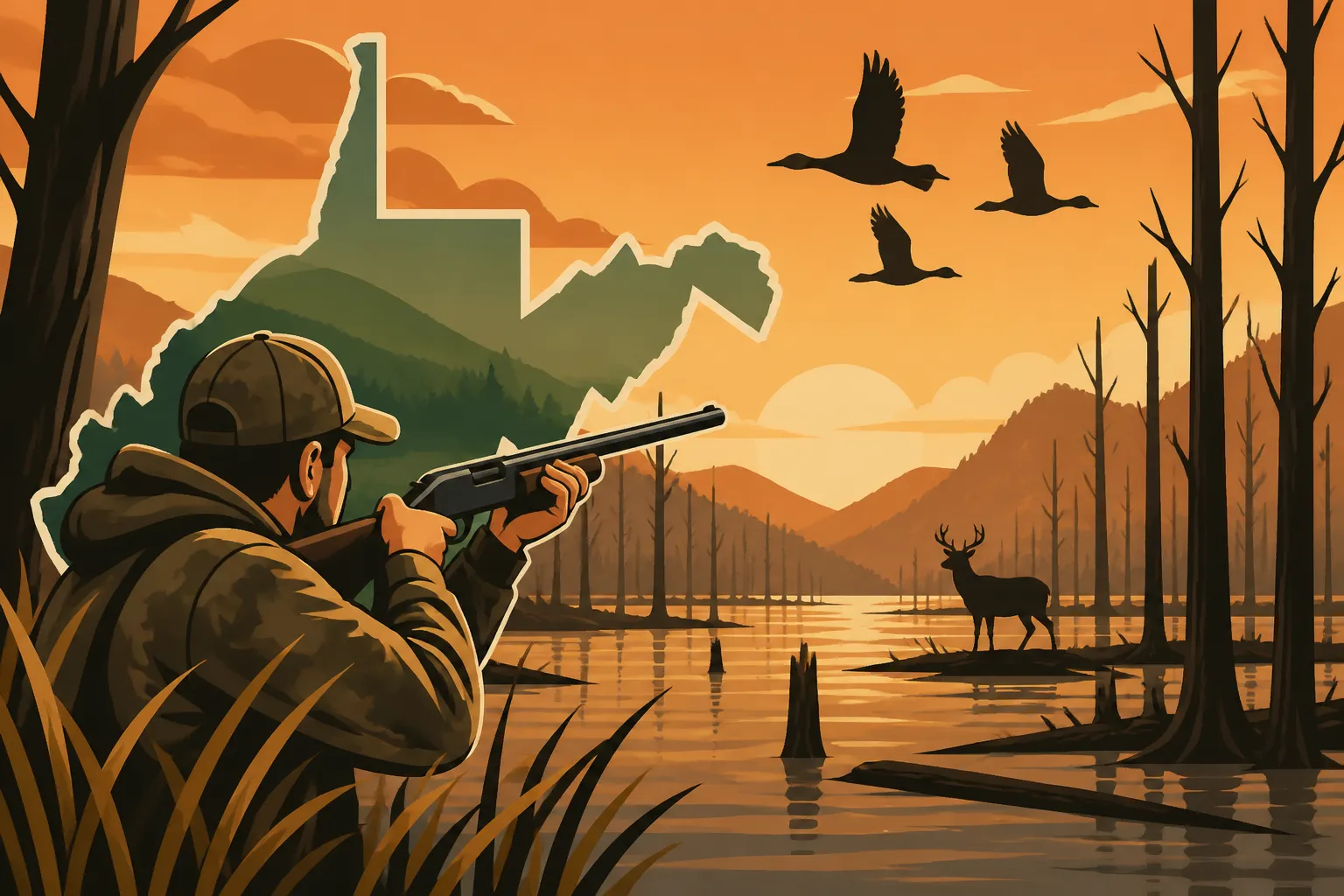
Hunting the Ohio River Valley bottomlands in West Virginia can feel like a completely different world compared to the steep, rugged mountains most of us associate with the Mountain State. The challenge isn't elevation, but rather navigating dense riverine cover, understanding dynamic floodplains, and adapting to a landscape shaped by both nature and agriculture. This guide will walk you through everything you need to know to successfully pursue game in this unique and often overlooked hunting paradise.
Understanding the Ohio River Valley Bottomland Landscape
The Ohio River Valley, particularly the West Virginia side, presents a fascinating mix of natural beauty and working lands. It's not just flat ground; it's an intricate system of floodplains, oxbows, islands, and feeder creeks that create diverse habitats. For hunters, this means shifting tactics from spotting deer on distant ridges to understanding how water levels, crop rotations, and thickets influence animal movement. The sheer density of cover, coupled with often soft, muddy terrain, demands a different kind of preparation and patience.
River Features and Their Influence on Wildlife
The Ohio River itself is the dominant force, and its tributaries, like the Little Kanawha and Guyandotte rivers, feed into this powerful waterway, bringing with them a constant flow of nutrients and shaping the landscape. These rivers create natural travel corridors for deer and other animals, especially where bluffs meet the water or where islands offer secluded bedding areas. During periods of heavy rain or spring thaw, the river can swell, forcing wildlife to higher ground, which might be a small rise in a field or the edge of a timber stand just a few feet above the floodplain. Understanding these dynamics is crucial. Deer, for example, will use hard-packed ground along old river channels or abandoned farm roads to move efficiently, avoiding the energy drain of slogging through mud. Turkeys might roost in towering sycamores and cottonwoods that line the riverbanks, seeking the safety of water. Waterfowl, of course, are drawn directly to the river and its numerous backwater sloughs and shallow feeding areas. Paying attention to historical flood lines and areas that stay dry, even in wet conditions, can reveal prime bedding or travel zones.
Habitat Types: Crop Fields, Woodlots, and Wetlands
The mosaic of habitats in the Ohio River Valley bottomlands is what makes it so rich for hunting. You'll find expansive agricultural fields – corn, soybeans, wheat, and hay – interspersed with dense, brushy woodlots and critical wetland areas.
Crop fields are obvious food sources, especially for deer and geese. A standing cornfield provides not only an incredible amount of calories but also impenetrable cover, making it a natural bedding area or a safe haven for deer during hunting pressure. Likewise, Hunting Standing Soybean Field can be incredibly productive, particularly in the late season when deer are scraping for every calorie. But don't just focus on the fields themselves. The edges, particularly where a field meets a thicket or a wooded creek bottom, are often hotbeds of activity. Deer use these edges for travel, staging before entering fields, and for quick escapes.
The woodlots, though sometimes smaller than mountain timber, are often incredibly dense. These consist of mature hardwoods like oak, maple, and sycamore, providing mast crops, alongside thick understories of honeysuckle, briars, and various saplings. These thickets offer vital bedding and security cover.
Then there are the wetlands – sloughs, oxbow lakes, and low-lying areas that retain water year-round or seasonally. These are critical for waterfowl, beaver, muskrat, and provide unique cover for deer. These areas can be incredibly difficult to navigate, but they often hold undisturbed game due to their inaccessibility. Looking for areas that have small patches of timber within a wetland can be excellent for deer bedding.
Navigating Floodplains and Seasonal Changes
Hunting the bottomlands means coming to terms with water. The Ohio River Valley is defined by its floodplains, which are naturally designed to periodically flood. This means that the terrain you scout in August might look completely different come late October or November. Seasonal rains, dam releases upriver, or even a heavy snowmelt can turn dry ground into a swamp overnight. This dynamic environment poses challenges but also creates opportunities.
When water levels rise, deer, turkeys, and other animals are pushed to higher ground. This can concentrate them in smaller, more accessible areas. If you know a particular patch of woods usually floods, but there's a slight ridge or bench within it that stays dry, that's where you'll find animals seeking refuge. Conversely, when water recedes, new food sources might be exposed, attracting waterfowl and even deer to forage in the muddy flats.
Mud, of course, is a constant companion. Boots that handle water and mud are non-negotiable (we'll talk more about that later!). Planning your entry and exit routes to avoid the deepest mud or freshly flooded areas is paramount. Using aerial maps or tools like the GoHunt app can help identify slightly elevated roads, old railroad grades, or natural levies that remain passable even when the surrounding ground is saturated. Understanding how the river changes its course over time, creating sandbars, islands, and backwaters, gives you a significant edge in predicting where animals will be.
Key Game Species and Their Habits
While West Virginia's mountains are famous for their deer and bear, the Ohio River Valley bottomlands hold their own bounty. This diverse landscape supports a healthy population of whitetail deer, wild turkeys, a variety of small game, and, perhaps most notably, an impressive array of waterfowl. Each species has adapted to this unique environment, and understanding their habits here is key to a successful hunt.
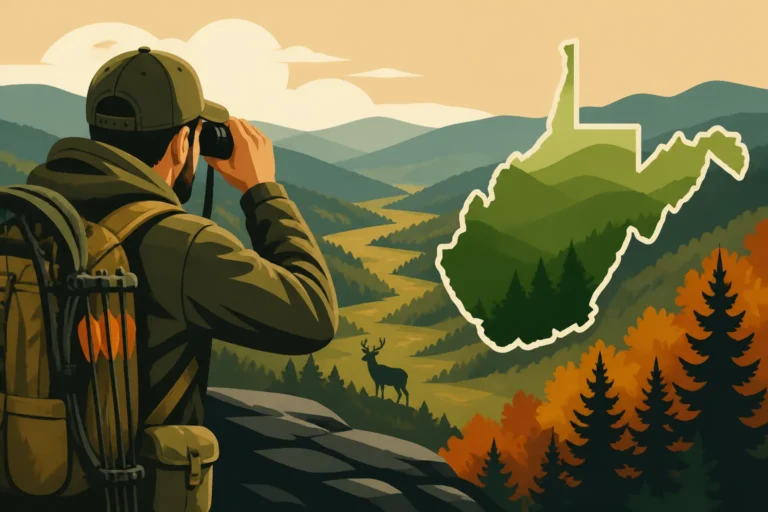
Whitetail Deer Movement in Bottomland
Deer in the Ohio River Valley are often characterized by their reliance on agricultural food sources and the dense, linear cover provided by river systems. Unlike their mountain cousins who might travel miles up and down steep ridges, bottomland deer often have a smaller home range, centered around a few key resources.
Their primary food sources are the vast crop fields. Deer will utilize standing corn or bean fields not just for feeding, but also for bedding and security. During the day, they might be virtually undetectable deep within a cornfield, emerging only at dusk. This makes Hunting a Standing Soybean Field or a cornfield edge at dawn or dusk incredibly productive. When crops are harvested, deer shift their focus to browse in the woodlots, mast (if available), or newly planted winter wheat or cover crops.
Travel corridors are often defined by the landscape itself: creek bottoms, fencerows, small strips of timber between fields, and the thick brush along the riverbanks. These linear features provide security as deer move from bedding to feeding areas. Rather than wide-open woods, think "pinch points" and "funnels" created by fields, water, and dense cover. Look for heavy trails running parallel to the river or along the edge of a particularly dense thicket. In many areas, the Eastern Panhandle, though distinct, shares some of these flatter, farmland characteristics where you might find success Setting Up on a Potomac Valley Field Edge. The challenge here is the lack of elevation. You can't glass a huge area. Instead, focus on finding rubs, scrapes, and tracks that indicate heavy localized movement.
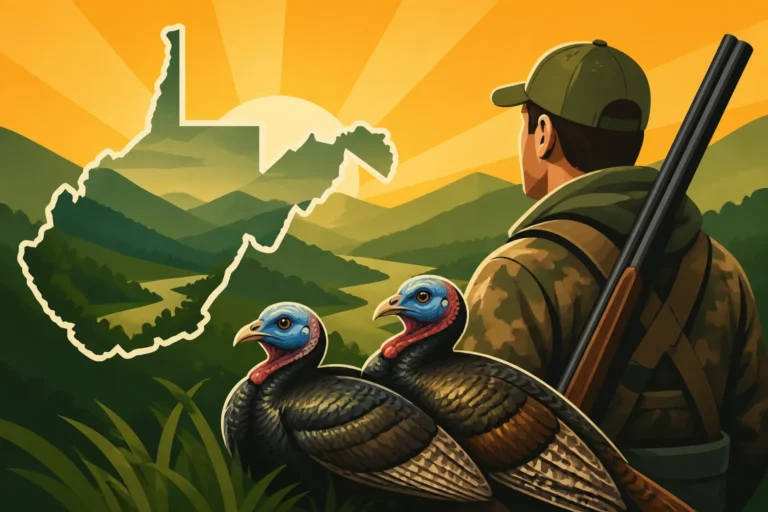
Turkey Roosting and Feeding Patterns
Wild turkeys in the Ohio River Valley, much like deer, adapt to the more open, agricultural landscape. While they still prefer wooded areas for roosting and security, their feeding habits are heavily influenced by the presence of crop fields.
Look for turkeys roosting in the tallest trees available along creek bottoms or river edges – often towering sycamores, cottonwoods, or large oaks. These provide clear flight paths and safety from ground predators. Their early morning fly-down location will often be close to these roosts, especially if there's an open field or a Hunting a Green Field Planted for Deer nearby that offers easy foraging for insects and seeds.
During the day, turkeys will typically spend their time foraging in harvested fields, hay pastures, or through the more open timber, picking through leftover grains, acorns, and insects. They'll dust in dry, sandy spots along field edges or old dirt roads. Finding their preferred feeding areas and understanding their daily routine between roost, feed, and water is crucial. Fall turkey hunting can be particularly good in these areas, as large flocks will work fields for long periods. Just remember, in West Virginia, you need to know your county's specific rules, as fall turkey season lengths vary, with some counties being One-Week Fall Turkey County Rules while others have longer seasons.
Waterfowl and Small Game Opportunities
The Ohio River Valley is a significant corridor for migratory waterfowl, sitting firmly within the Atlantic Flyway, making it a hotspot for duck and goose hunting. Beyond the main stem of the Ohio, numerous backwater sloughs, oxbow lakes, flooded timber, and tributary mouths provide excellent habitat.
Ducks, including mallards, wood ducks, and various diver species, utilize these areas for resting and feeding. Wood ducks are particularly fond of the wooded sloughs and flooded timber, while mallards might frequent harvested cornfields near water. Canada geese are abundant, often feeding in large flocks in agricultural fields, then heading to the safety of the river or larger ponds to roost. Understanding West Virginia Waterfowl Migration Timing and knowing when different species are moving through is vital for targeting specific birds. The presence of corn and bean fields adjacent to water creates prime feeding and loafing areas for them.
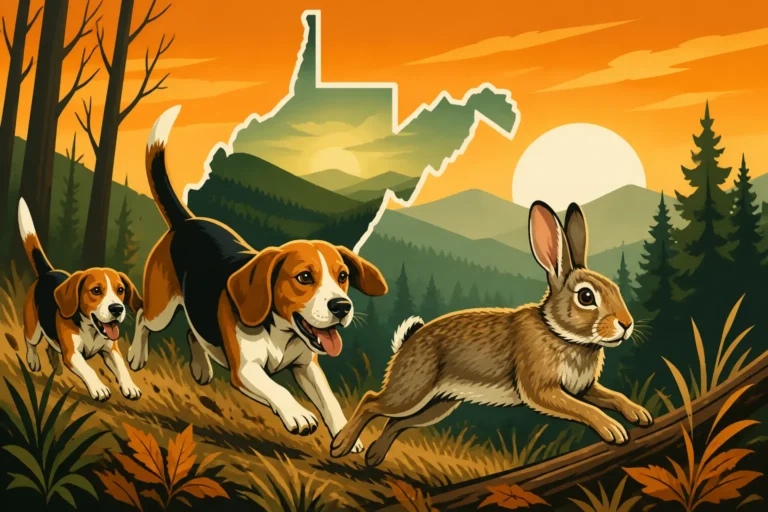
Small game like squirrels and rabbits also thrive in the bottomlands. Squirrels will be found in the mature hardwoods along creek bottoms and in scattered woodlots, especially those with oak, hickory, and other nut-producing trees. Squirrel Hunting West Virginia Bottomland Hardwoods can be a fantastic way to enjoy a day afield. Rabbits prefer the dense cover of fencerows, briar patches, and brushy field edges that offer both food and escape from predators. These areas, often overlooked by deer hunters, can provide consistent action.
Effective Scouting and Pre-Season Preparation
Scouting in the Ohio River Valley bottomlands demands a blend of modern technology and old-fashioned boot leather. The dynamic nature of the river and the influence of agriculture mean that what you observed last season might not hold true this year. Being diligent in your pre-season scouting is not just a good idea; it's absolutely essential for success.
Reading the River and Floodplain Sign
Before you even step foot in the woods, it's vital to "read" the river itself. Historical data on flood events, current river levels, and even long-range weather forecasts can give you a significant advantage. A rising river pushes game, a falling river exposes new feeding grounds. Learn to recognize the signs of past floods: watermarks on trees, debris lines, and areas where mud has settled and cracked. These tell you which spots routinely go under and which typically stay dry.
Once on the ground, look for clear evidence of animal movement. Reading West Virginia Mud for Fresh Deer Movement is a skill that becomes second nature in these environments. Soft soil often holds tracks beautifully, revealing not just the presence of deer, but their direction of travel, size (if you're keen on tracking a big buck), and even how recently they passed. Look for fresh rubs and scrapes along field edges and in woodlots, especially in the weeks leading up to the rut. Turkeys will leave dusting bowls, feather piles, and distinct tracks. Waterfowl leave splash marks and droppings around feeding areas and loafing spots. Pay attention to what's left behind after a field is harvested; deer will often come in to browse on leftover stubble and dropped kernels.
Using Technology for Bottomland Scouting
Modern hunting technology can be a huge asset in the bottomlands, helping you understand vast, flat landscapes from a bird's-eye view. Satellite imagery on mapping apps like the GoHunt platform allows you to identify crop types, locate dense cover, pinpoint water features, and plan access routes, all without setting foot on the property. Look for variations in vegetation density, subtle elevation changes, and the precise boundaries of fields and woodlots.
Tools within GoHunt or similar apps can help you mark potential bedding areas, feeding zones, and travel corridors. Identify pinch points where deer are forced to travel through a narrow strip of cover between two large fields or where a creek crosses a fencerow. You can also overlay public land boundaries to identify access points and legal hunting areas, crucial information for Hunting Ohio River Valley Bottomland.
Trail cameras are invaluable for confirming game presence and patterns. Place them on well-used trails, near known food sources, or along the edges of thick cover. They'll tell you what animals are using the area, when they're moving, and in which direction. Given the potential for wet conditions, ensure your cameras are waterproof and securely mounted, perhaps on elevated stakes if flooding is a concern.
Identifying Key Funnels and Travel Corridors
The flat nature of the bottomlands means that "funnels" and "travel corridors" are paramount. These aren't always mountain saddles or distinct draws. Instead, they can be subtle linear features that deer, turkeys, and even small game use to move with security.
Fencerows: A simple line of brush and trees separating two fields can be a superhighway for deer.
Creek Bottoms: Even a dry creek bed offers cover and directs movement. If it's wooded, it's even better.
Wooded Strips: Narrow bands of timber running between fields or connecting larger woodlots are prime travel routes.
Levees and Old Railroad Grades: These elevated features offer dry, easy travel, especially when surrounding areas are wet.
Edges: The interface where two different habitats meet, such as a cornfield meeting a dense briar patch, is almost always a travel corridor. Deer often "stage" in the cover along these edges before entering the open field.
Islands and Peninsulas: In a floodplain, even a slight rise of land that forms an island during high water, or a peninsula of timber jutting into a field, can be a major bedding or staging area. Animals feel secure with water on one or more sides.
Understanding these features allows you to strategically place stands or plan still-hunting routes. Mark these potential funnels on your GoHunt map during scouting, then confirm with physical sign.
Strategic Hunting Tactics for Bottomland Success
Hunting in the Ohio River Valley bottomlands requires a distinct set of tactics tailored to the terrain and game habits. Forget long-range glassing across vast valleys; here, it's about close-quarters observation, understanding how animals use dense cover, and adapting to the dynamic environment.
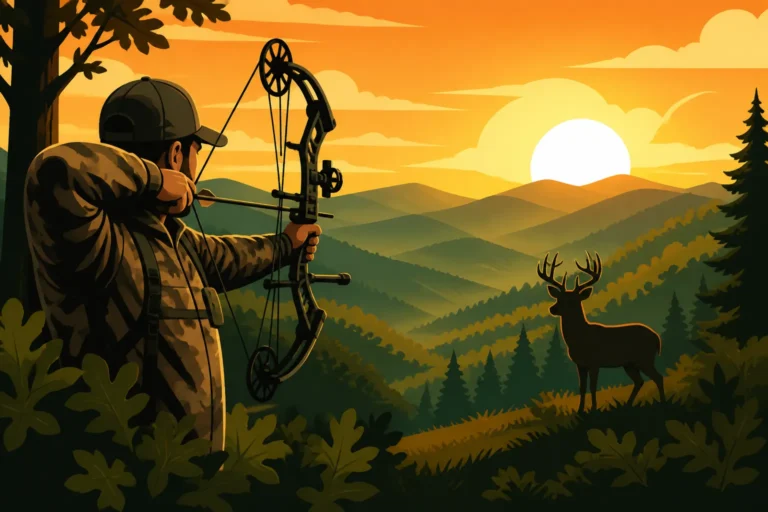
Deer Hunting Strategies: Stand Placement and Still-Hunting
Deer hunting in the bottomlands often revolves around food sources and security cover. Since deer are frequently found within or along the edges of crop fields, stand placement is critical.
Field Edges: This is classic bottomland deer hunting. Place your stand along the edge of a corn or soybean field, particularly where a deer trail enters or exits. Consider how deer will approach the field—will they follow a fencerow or a creek bottom to get there? Set up to intercept them before they enter the main field, or as they exit. A well-placed stand in a transition zone, perhaps near a patch of Hunting a Green Field Planted for Deer, can be highly effective. Early morning hunts are often best near bedding areas in thickets, while evenings are prime for catching deer moving into fields.
Thicket Intersections and Funnels: Look for where two or more linear cover strips converge, or where a dense thicket necks down between fields or a river bend. These are natural funnels where deer movement is concentrated. This is where your GoHunt map comes in handy, identifying those subtle landscape features. A Hunting a Funnel Between Two Hollows in the mountains might translate to a funnel between two crop fields or a bend in the river here.
Still-Hunting: In dense bottomland woodlots or along thick creek bottoms, still-hunting can be incredibly effective. Move slowly, taking five steps then stopping for five minutes, scanning for movement. The thick cover often means close encounters, so having your senses finely tuned is key. Use the wind to your advantage, and move parallel to known deer trails. This method is particularly good when hunting during the middle of the day when deer might be bedded down in security cover.
Turkey Calling and Setup in Open Bottoms
Turkey hunting in the Ohio River Valley combines classic calling techniques with an understanding of open-country behavior.
Roost Hunting: Focus on roosting sites in the tallest trees along riverbanks or creek beds. Get in early, well before dawn, and set up within earshot. A soft tree yelp or fly-down cackle as light breaks can often get a gobbler to announce his position. Once he flies down, be ready for him to come directly to your call if he can see you easily, or he might skirt the edges of a field. Calling a West Virginia Gobbler Off the Roost requires patience and knowing when to be quiet.
Field Edge Setups: Turkeys spend a lot of time in open fields. Set up on the edge of a field, using natural cover like a brushy fencerow or a large oak to break up your silhouette. Decoys can be incredibly effective here, especially a single hen or a jake and hen setup. Position your decoys where a gobbler can see them from a distance. If birds are wary, try a more subtle approach without decoys, just using calls to entice them closer. Be mindful of West Virginia's Sunday hunting rules, as turkey hunting is closed on Sundays in many areas.
Run-and-Gun: While sometimes challenging in thick cover, if you're on public land with scattered woodlots and fields, a run-and-gun approach can work. Use locator calls (crow, owl) to strike a gobbler, then move quickly to get into a setup position. This is a common tactic found in strategies for Run-and-Gun Turkey Tactics on Public Land in various parts of the state.
Waterfowl Blind Setups and Decoy Spreads
Waterfowl hunting in the Ohio River Valley is often about water access and smart decoy placement.
Layout Blinds for Fields: When hunting geese or field-feeding ducks, Layout Blinds and River Boats are essential. Position blinds in harvested corn or bean fields where birds have been feeding, camouflaged with local stubble. Scout vigorously to determine flight paths and preferred feeding spots. Set up large spreads of goose decoys, often 50-100+ for Canada geese, and smaller clusters of duck decoys for mixed bags.
Shoreline Blinds for River or Sloughs: For ducks and geese working the main river, its backwaters, or oxbows, a natural bank blind or a portable pop-up blind brushed in with local vegetation is ideal. Focus on choke points where birds fly consistently, or shallow feeding areas.
Decoy Spreads: For ducks on water, use realistic spreads that mimic resting or feeding birds. A J-hook or U-shaped spread with a landing zone in front of your blind is often effective. For diver ducks on larger waters, use long lines of decoys. On smaller sloughs, a few dozen mallard and wood duck decoys can be plenty. Be sure to check state regulations for Waterfowl Loads for River Divers as non-toxic shot is required for all waterfowl hunting in West Virginia. Remember to position decoys to give birds a clear flight path into the wind directly towards your setup.
Navigating Access and Public vs. Private Land
Finding a place to hunt in the Ohio River Valley can be challenging, as much of the desirable bottomland is privately owned. However, there are still excellent opportunities on both private and public lands for those willing to do their homework.
Securing Private Land Permission
This is often the most productive avenue for hunting the prime bottomland habitat. Farmers and landowners with crop fields and adjacent woodlots hold the keys to some of the best hunting. The process of Asking a West Virginia Farmer for Permission requires respect, good timing, and clear communication.
Timing is Key: Approach landowners well before the season opens, ideally in late summer or early fall. Don't wait until opening day.
Presentation: Be polite, clean-cut, and articulate. Introduce yourself, explain your intentions, and be clear about what you want to hunt and how you plan to do it.
Offer to Help: Many farmers appreciate help. Offer to mend fences, help with chores, or assist during harvest. Even a simple offer to keep an eye on their property can go a long way.
Respect and Responsibility: Once you have permission, treat their land as if it were your own. Drive slowly on farm roads, close gates, don't litter, and report any suspicious activity you see. Respect their wishes, whether it's regarding access points, areas to avoid, or times you can hunt. Leaving a cooler of venison or a gift basket at the end of the season can help secure permission for future years. Remember, landowners are typically tired of hunters who don't ask, or who leave gates open. West Virginia law states you need permission, but Do You Need Written Permission in West Virginia? isn't always required, though it's always a good idea to clarify with the landowner.
Public Hunting Areas in the Ohio River Valley
While vast tracts of public land like the Monongahela National Forest are not found in the immediate Ohio River Valley bottomlands, West Virginia still offers several Wildlife Management Areas (WMAs) and other public access points that provide hunting opportunities. These might not be sprawling wilderness, but they are often managed specifically for game and habitat.
Look for WMAs like McClintic WMA in Mason County, which offers a mix of agricultural fields, wetlands, and woodlands. Other state-owned lands, sometimes adjacent to smaller state parks or forests, might also permit hunting.
Using the GoHunt mapping platform is critical for identifying these smaller, often fragmented public parcels. You can overlay public land layers and scout them virtually. Pay close attention to boundaries, as public land can sometimes be narrow strips or isolated patches. Hunting public land in the bottomlands often means dealing with more pressure, so getting off the beaten path, even a short distance, can make a difference. Early morning or late-season hunts can often provide more solitude. Check the West Virginia DNR website for a list of WMAs and their specific regulations, as some may have special rules or quotas. For broader insights, check out Public Hunting Land in West Virginia.
Respecting Landowner Boundaries and Rules
Whether you're hunting private or public land, respecting boundaries and rules is paramount.
Know Your Boundaries: Always know exactly where you are and where the property lines lie. This is where a GPS-enabled app on your phone, like GoHunt, is indispensable. Never trespass. Even retrieving a downed animal from private land without permission can lead to legal issues. Consult West Virginia Trespass and Permission Law to understand your rights and responsibilities.
Follow Regulations: Adhere strictly to all state hunting regulations, including bag limits, season dates, and weapon restrictions. Check your county's specific rules, as antlerless deer seasons or special youth hunts can vary widely.
Ethical Conduct: Beyond the law, practice ethical hunting. Make clean shots, make every effort to recover wounded game, and don't leave trash. If you harvest an animal, Field Dressing a Deer in Cold Weather or warm weather, do so away from homes or public view if possible. Your actions reflect on all hunters, and maintaining a positive image is crucial for preserving hunting access.
Essential Gear and Safety Considerations
Hunting the Ohio River Valley bottomlands means dealing with specific environmental challenges: mud, water, variable temperatures, and often dense cover. Having the right gear isn't just about comfort; it's about safety and success.
Clothing and Footwear for Wet Environments
This is where many hunters make mistakes. The bottomlands are wet. Period. Even if it hasn't rained recently, low-lying areas, creek bottoms, and sloughs will be boggy.
Waterproof Boots: Forget your favorite leather hiking boots unless they are explicitly designed for extreme wet conditions. Knee-high rubber boots are practically a necessity here. They keep your feet dry when crossing shallow creeks or slogging through mud. Brands like Muck Boot Company or LaCrosse are popular for a reason. You'll thank yourself when you're wading through a slough. For general insights, consider Rubber Boots for Bottomland Walking.
Waders: If you're serious about waterfowl hunting or expect to cross deeper water to access deer stands on islands or remote timber, a good pair of chest waders is non-negotiable. Choose breathable waders for warmer early season hunts and insulated ones for colder weather. Knowing that you'll be using Waders for River Bottom Hunting will help you plan accordingly.
Layered Clothing: Temperatures can fluctuate significantly, especially during fall and winter. Dress in layers that can be added or removed as needed. A good waterproof outer shell is crucial for those inevitable West Virginia rain showers. Opt for quiet fabrics that won't rustle when moving through dense cover.
Blaze Orange/Pink: During rifle seasons, West Virginia requires hunters and accompanying individuals to wear at least 400 square inches of blaze orange or blaze pink outerwear. Make sure you have enough to be visible, especially if you're still-hunting in thick cover where other hunters might be present.
Transportation and Retrieval in Bottomlands
Moving gear and recovering game in the bottomlands presents unique challenges.
Vehicle Access: Many farm roads can become impassable mud pits after rain. Be prepared to park and walk, or use a reliable 4×4. Always ask permission before driving off established roads on private land. ATVs can be useful on private land (with permission), but public land regulations on ATV use are very strict; always check WMA rules before bringing one.
Game Carts and Sleds: While not always practical in extremely dense brush or deep mud, a sturdy game cart can be a lifesaver for dragging a deer out of a harvested field or along a relatively clear path. In soft, muddy conditions, a durable deer sled or heavy tarp might work better, allowing you to slide a deer over the muck. You won't be Dragging a Deer Off a Steep Ridge here, but dragging a heavy animal through a half-mile of sticky mud is its own kind of challenge.
Pack Frame: If you anticipate boning out an animal in the field – a great strategy for tough retrievals – a good frame pack is essential. It distributes weight much better than a typical hunting pack and makes hauling quarters much more manageable.
Water Safety and Emergency Preparedness
Any time you're hunting near large bodies of water, safety is paramount.
Personal Flotation Device (PFD): If you're hunting from a boat, setting decoys, or crossing deep water, wear a PFD. Accidents happen quickly, and cold water shock is a real danger. Ensure your Layout Blinds and River Boats also meet safety requirements.
Communication: Cell service can be spotty in some river bottoms, especially down in hollows or dense cover. Carry a fully charged phone, but also consider a satellite messenger or a two-way radio, especially if hunting with a partner.
First Aid Kit: Always carry a basic first aid kit, especially one equipped for outdoor emergencies: bandages, antiseptic wipes, pain relievers, and any personal medications.
Navigation: Even with a GoHunt app on your phone, a physical compass and map are good backups, especially if your phone battery dies or gets wet. Knowing how to use them is crucial.
Weather Awareness: Keep a close eye on weather forecasts. Rapidly rising water levels or sudden severe storms can turn a productive hunt into a dangerous situation quickly. Don't take chances with fast-moving water or lightning.
Disclaimer
Always consult the latest West Virginia hunting regulations from the West Virginia Division of Natural Resources (WVDNR) before planning any hunting trip, as rules and seasons can change annually. This guide is for informational purposes only and does not supersede official regulations.