Bone Saws Versus the Gutless Method
There's nothing quite like the immense satisfaction and, let's be honest, the sometimes overwhelming challenge of standing over a downed deer in the West Virginia mountains. Once the thrill settles, the practical questions begin: How are you going to get this animal out of here? And more specifically, what's the best way to field dress it to preserve the meat and lighten your load? This guide is going to dive deep into two primary methods—the traditional bone saw approach and the increasingly popular gutless method—helping you decide which one makes the most sense for your next wild game recovery in the Mountain State.
The Perennial Field Dressing Dilemma: Why Your Choice Matters in West Virginia
Field dressing isn't just a chore; it's a critical step in ensuring the quality of your hard-earned venison. In West Virginia, where terrain can be brutally steep and temperatures can swing dramatically, your choice of method can significantly impact your effort, time, and the condition of the meat by the time you get it to camp or the truck. Many hunters default to what they've always known, but taking a moment to consider the alternatives, especially with the unique challenges of our state, can save you a lot of grief.
Weighing Speed Versus Cleanliness
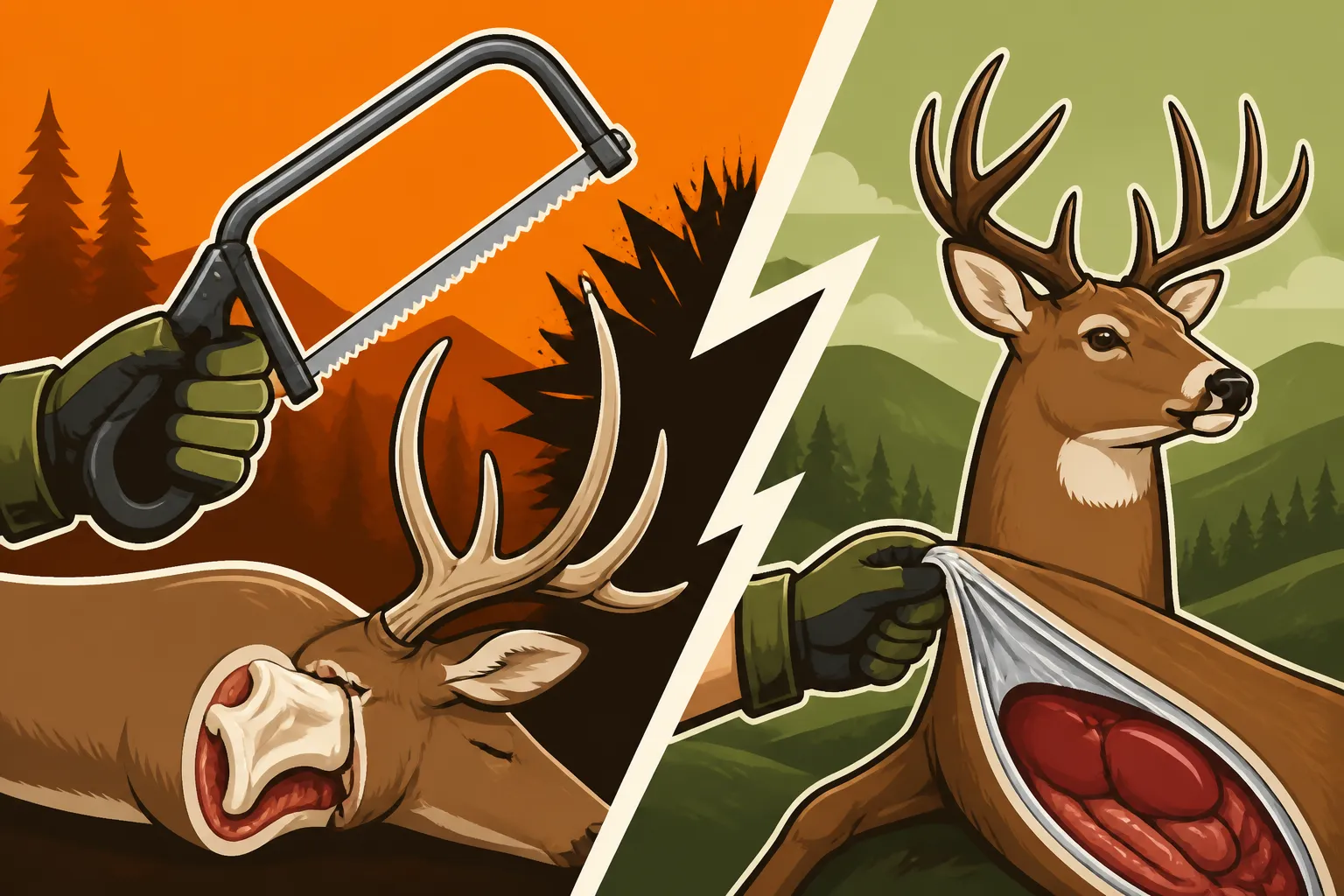
When you're deciding how to approach a downed animal, there's often a trade-off. The traditional gutting method, often involving a bone saw, aims for thorough internal cleaning to cool the carcass quickly. This is fantastic for meat quality, especially in warmer weather, but it leaves you with a heavy, intact animal to haul. On the other hand, the gutless method prioritizes breaking the animal down into manageable pieces right where it falls, sacrificing some of the immediate internal cooling for a lighter, packable load. Neither is inherently "better" in every situation; it's about matching the method to your circumstances. Are you hunting close to a vehicle, or are you miles deep in Monongahela National Forest Hunting? This question alone can dictate your choice.
Factors Unique to West Virginia's Backcountry
Hunting in West Virginia presents specific challenges that make your field dressing method particularly important. We're talking about steep, rugged terrain, often far from roads, and weather that can be anything from warm early-season sunshine to bitter late-season snow. Recovering a deer from a steep hollow or a remote ridge demands a strategy. Dragging a whole deer down a mountain can be downright dangerous and can ruin meat if it's bruised or overheated. Then there are regulations, like those concerning carcass movement in West Virginia's Chronic Wasting Disease Counties, which might influence how you transport your animal, making a gutless breakdown even more appealing for some. Considering these local factors will always help you make the smartest choice.
Mastering the Bone Saw Method: Traditional Field Dressing for the Mountain Hunter
For generations, hunters have relied on the traditional field dress, typically involving opening the body cavity, removing the entrails, and often using a bone saw to split the pelvis or sternum for better access and cooling. This method is tried and true, and when done correctly, it's highly effective at preserving meat quality.
Essential Tools for a Clean Cut
To execute the bone saw method effectively, you'll need a few key pieces of gear. First and foremost, a sharp Field Dressing Knives Worth Carrying is absolutely non-negotiable. Look for one with a gut hook if you prefer, as it can make opening the cavity less risky. A dedicated bone saw, often a small, compact model designed for field use, is next. These saws are typically hand-operated and come with a coarse blade for efficient cutting through bone. Beyond that, a good pair of disposable gloves is essential for hygiene, and some water for rinsing hands and tools. For those unexpected long hauls back to the truck, having items like Deer Sleds for Steep Country or a sturdy drag rope ready can make a world of difference once the field dressing is complete. For hunters who rely on mapping tools, checking out your route on something like GoHunt before the hunt can help you identify potential drag trails or obstacles, making the recovery smoother.
Step-by-Step for a Traditional Field Dress
Let's walk through the bone saw method:
- Positioning the Animal: Lay the deer on its back, ideally on a slight incline so gravity can help with drainage. You might need to prop it up with rocks or logs.
- Opening the Cavity: Starting just below the sternum, make a shallow cut through the hide, being careful not to puncture the stomach or intestines. Use your gut hook or two fingers to guide the blade as you cut down to the pelvis.
- Severing the Sternum (Optional but Recommended): This is where the bone saw comes in. Place the saw at the bottom of the sternum and carefully saw upwards, splitting the breastbone. This opens the chest cavity wide, allowing for maximum cooling and easier access to the organs.
- Cutting Around the Anus: Carefully cut in a circle around the anus to free the rectum from the pelvis.
- Removing Organs: Reach into the chest cavity, grasp the trachea and esophagus, and cut them free. Then, pull all the organs downwards and out of the cavity, ensuring everything comes free. If you've split the pelvis, you can use the saw to complete that cut, which makes removing the lower intestine much easier.
- Inspection and Cooling: Once the organs are removed, inspect the cavity for any debris or fecal matter. If possible, wipe it clean with leaves or paper towels. Prop the cavity open with a stick to allow air to circulate and the carcass to cool rapidly. This is especially crucial when Field Dressing a Deer in Cold Weather to avoid heat buildup.
When the Bone Saw Shines (and When it Doesn't)
The bone saw method is fantastic when you're hunting relatively close to your vehicle or camp, or if you have ample help for dragging. It excels in situations where rapid and thorough cooling is paramount, such as early archery season when temperatures might still be warm. A well-gutted deer cools quickly and effectively. However, it's not ideal if you're hunting deep in public land, far from any access points, or if you're hunting alone. Trying to single-handedly drag a full-bodied deer for miles through the thick cover and steep inclines of West Virginia can be exhausting, dangerous, and can lead to meat spoilage if the animal isn't cooled properly during the strenuous haul. This is where the gutless method often comes into its own.
The Gutless Method: Lightening Your Load in Steep Terrain
The gutless method is gaining immense popularity, especially among backcountry hunters and those who frequently find themselves miles from the nearest road. It's a game-changer for solo hunters or anyone facing a difficult retrieve, as it allows you to break the animal down into packable, muscle-group portions without ever opening the body cavity.
The Philosophy Behind Going Gutless
The core idea of the gutless method is efficiency and weight reduction. Instead of dragging an entire animal, you essentially "skin and debone" it in the field. This means only carrying out the valuable meat, hide (if desired), and antlers, leaving the heavy bones and internal organs behind. This greatly reduces the weight you need to transport, making it feasible to recover an animal from even the most inaccessible spots in West Virginia. Think about the energy saved when you don't have to Dragging a Deer Off a Steep Ridge with the full weight of guts and bone. It also minimizes the exposure of the gut cavity to dirt, flies, and other contaminants, though careful knife work is still critical for cleanliness. Using a mapping application like GoHunt can help you identify these challenging recovery areas beforehand, prompting you to plan for a gutless extraction.
A Practical Guide to Boning Out in the Field
The gutless method requires precision and a good understanding of anatomy. Here's a general overview:
- Skinning: Lay the deer on its side. Start by cutting along the spine from neck to tail, then ring the legs just above the knee joints. Carefully peel the hide back, working from the top down, separating it from the muscle tissue. You'll essentially skin one side of the animal.
- Removing Top Quarters:
- Front Shoulder: Cut around the shoulder joint, detaching the entire front shoulder. There's no bone joint connecting the shoulder to the ribcage, so it's mostly muscle and connective tissue cuts.
- Hind Quarter: Work around the hip joint, detaching the entire hind quarter.
- Backstraps and Tenderloins: Carefully separate the backstraps (the long muscle running along the spine) from the ribcage. Then, flip the deer over and repeat the skinning and quartering process on the other side. Once both sides are skinned and quartered, you can access the tenderloins from inside the body cavity without having opened it fully. Simply reach in from the back (where the hindquarters were removed) or from the front (where the shoulders were).
- Rib Meat and Neck Meat (Optional): You can also debone the rib meat and neck meat if you want to maximize your yield, but this is often left behind to further reduce weight.
- Packing: Once the meat is removed from the bone, place it immediately into clean Game Bags for Warm September Days. These bags protect the meat from dirt, bugs, and allow it to breathe and cool. Load these bags into a sturdy Frame Packs for Boning Out a Deer or a large backpack. Remember to keep antlers if desired.
Advantages and Disadvantages on West Virginia Public Land
The gutless method truly shines when you're facing a tough haul out of a remote area, like deep in Hunting Potomac Highlands Public Land or Hunting the Cranberry Backcountry. It allows a single hunter to recover a large animal by making multiple trips if necessary, carrying a much lighter load each time. This significantly reduces physical exertion and the risk of injury. It also minimizes contamination, as the guts remain largely undisturbed. With meat separated from bone, it cools faster.
However, it's not without its drawbacks. It requires a good understanding of deer anatomy and careful knife work to avoid hair contamination. It can be more time-consuming initially than a quick traditional gutting, but that time is offset by a much easier pack-out. Also, leaving the carcass behind might not be everyone's preference, and while perfectly legal, some hunters prefer to remove the entire animal. For those concerned about warm weather, having Coolers for an Early Archery Kill ready at the truck to quickly transfer packaged meat is paramount.
Making the Right Call: Combining Strategy with Your Field Dressing Method
Ultimately, the best method isn't a fixed rule; it's a dynamic decision based on your specific hunting scenario. Being prepared for both methods means you're ready for anything the West Virginia wilderness throws at you.
Considerations for Cold Versus Warm Weather
Weather is a huge factor in meat preservation. In the crisp, cold days of late fall or winter, when Hunting the Late-Season December Lull, the traditional bone saw method might be perfectly adequate, especially if you can get the deer out relatively quickly. The cold air acts as a natural cooler, and keeping the carcass intact for a short drag isn't as risky. You're less concerned about flies or rapid spoilage.
However, for early archery season or the opening days of buck gun season when temperatures can still be quite mild, or even hot, rapid cooling is essential. In these conditions, the gutless method—which allows you to separate muscle groups from the bone, increasing surface area for cooling, and quickly get the meat into breathable game bags—can be superior, especially if you have a long trek ahead. If you're going the traditional route in warm weather, getting the guts out fast and opening the cavity wide is your number one priority to prevent souring.
Logistics for Public Land Versus Private Ground
The type of land you're hunting can also heavily influence your choice.
Public Land Challenges:
On vast tracts of public ground like the Monongahela National Forest Hunting or various Wildlife Management Areas, you might find yourself miles from the nearest access road. Here, the gutless method is often the clear winner. The ability to break an animal down into easily packable sections can mean the difference between recovering your deer and having to abandon it (which, let's be honest, is every hunter's nightmare). You're already carrying Packs for a Day on Public Land, so integrating game bags and a frame pack for the meat makes sense. The GoHunt app can be invaluable here, showing you terrain features and helping you pre-plan your extraction route, knowing a gutless approach will make Recovering a Deer From a Steep Hollow much easier.
Private Land Convenience:
If you're fortunate enough to hunt private land, especially smaller tracts near fields or with good road access, the traditional bone saw method might be more practical. You might be able to get a vehicle, ATV, or even a compact tractor close to the downed animal, making the drag of a whole, field-dressed deer manageable. This allows for a quicker, simpler field dress and gets the animal back to your Butchering a Deer at Camp or processing facility intact. Even then, knowing how to bone out an animal in a pinch is a skill that will always serve you well.
Regardless of your chosen method, remember that proper planning and the right tools are key. Carry what you need, understand the anatomy, and always prioritize meat care to honor your harvest.
| Feature | Bone Saw Method (Traditional) | Gutless Method (Modern Backcountry) |
|---|---|---|
| Primary Goal | Rapid internal cooling of intact carcass | Reduce weight for transport, carry out only meat |
| Equipment | Sharp knife, compact bone saw, gloves | Very sharp knife, game bags, gloves, frame pack (optional) |
| Weight of Load Out | Full animal weight (minus guts) | Only meat, hide (optional), antlers |
| Ease of Transport | Requires drag, sled, or multiple people/ATV | Packable portions, lighter load, often solo-friendly |
| Cooling | Excellent internal cavity cooling when open | Faster cooling of muscle groups once separated from bone |
| Mess Factor | Internal cavity opened, potential for mess if not careful | Less internal mess, but more external blood/hair on meat if rushed |
| Time Investment | Quicker initial field dress | Longer initial breakdown, but quicker/easier transport |
| Best For | Short drags, cold weather, accessible locations, multiple helpers | Long pack-outs, steep terrain, warm weather, solo hunting |
| Meat Protection | Carcass intact, less surface area exposed to elements | Meat in game bags, protected but more handling |
Disclaimer
This article is for general informational purposes only and does not constitute professional advice. Laws, prices and regulations vary by location and change over time. Consult a qualified professional for guidance on your specific situation.