Blaze Orange Jackets Versus Vests
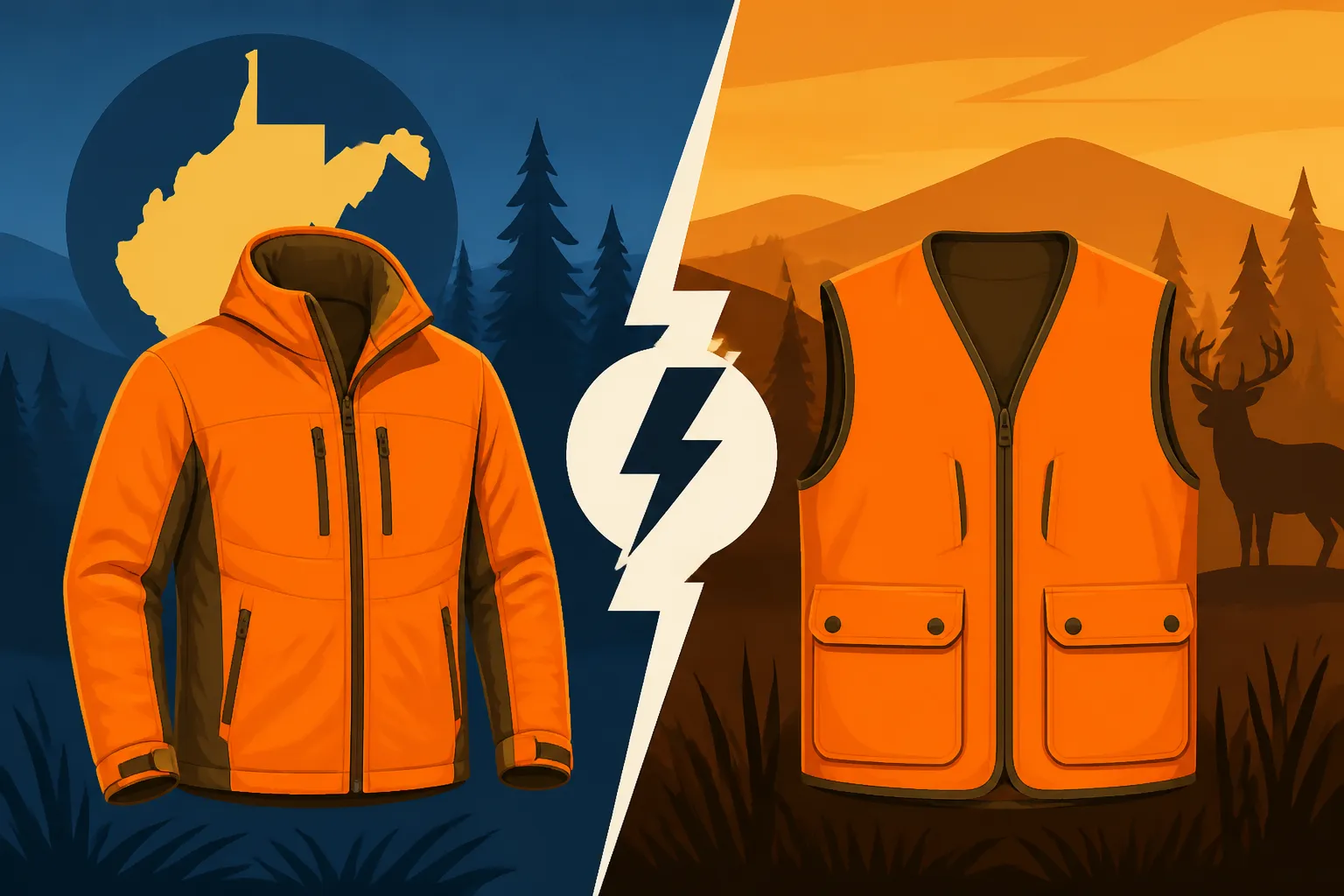
One of the most frequent questions I get from hunters, especially those new to the Mountain State or seasoned folks trying to navigate updated regulations, is about blaze orange. Specifically, many of us wrestle with the choice between a blaze orange jacket or a vest. It’s not just about compliance; it’s about staying comfortable, safe, and effective in the diverse and often challenging West Virginia wilderness, from crisp autumn mornings in the Eastern Panhandle to frigid December afternoons in the Monongahela. This guide will walk you through the nuances of each option, helping you make the best decision for your next hunt.
Understanding West Virginia's Blaze Orange Requirements
Before we dive into the jacket versus vest debate, it’s absolutely crucial to understand the legal requirements for blaze orange in West Virginia. Missing this vital piece of information isn't just a minor oversight; it can lead to fines, loss of hunting privileges, and, most importantly, put your safety and the safety of others at risk. The law is designed to make hunters visible to each other, especially during peak seasons when more people are afield.
The Letter of the Law: What's Mandated
In West Virginia, the regulations regarding blaze orange are fairly straightforward, but they are non-negotiable for specific seasons and species. Generally speaking, during the firearms deer season, hunters are required to wear at least 400 square inches of blaze orange, or fluorescent orange, as it's sometimes called. This isn't just a suggestion; it's a mandatory safety measure. The 400 square inches must be visible from 360 degrees, meaning it needs to be worn on the outer clothing and cover your front, back, and sides. Many hunters find that a combination of a vest and a cap easily meets this requirement, but it’s always wise to double-check your gear. You can find the exact wording and current specifications on the official West Virginia Department of Natural Resources (WVDNR) website or through resources like West Virginia Blaze Orange Requirements.
It’s important to remember that "visible from 360 degrees" is key. Just having a small patch on your backpack or a thin strip won't cut it. The intent is clear visibility for other hunters, reducing the risk of mistaken identity. This means if you're wearing a large pack, your orange needs to be on the outside of that pack, or you need additional orange coverage to compensate for what the pack might obscure. This isn't just about avoiding a citation; it’s about ensuring that if another hunter is scanning a thick laurel patch or a dense oak stand, they immediately register you as a human, not a deer or a bear.
Beyond Deer Season: When Else Is it Required?
While deer season, particularly the firearms portion, is where blaze orange requirements are most commonly emphasized, it's not the only time you might need it. For instance, during concurrent hunting seasons, where multiple species can be pursued simultaneously, blaze orange rules for deer hunting often apply to all hunters in the field, regardless of what they are pursuing. If you’re bear hunting with a firearm during the deer gun season, for example, you’ll still need your orange. Similarly, if you’re squirrel hunting or pursuing other small game during the firearms deer season, you’ll need to be visible.
This blanket approach during concurrent seasons is a critical safety measure. Imagine you're out chasing Squirrel and Small Game Hunting in West Virginia in November, thinking you're exempt because you're not after deer. But if firearms deer season is open, other deer hunters are in the woods, and their expectations for identifying targets are shaped by the presence of blaze orange. Always check the current regulations for all species and seasons you plan to hunt. A quick look at the GoHunt platform or the WVDNR online portal can clarify these overlapping rules, ensuring you're compliant and safe.
Exemptions and Common Misconceptions
There are a few situations where blaze orange might not be required, but these are often misunderstood, leading to potential safety hazards. For instance, during archery-only deer seasons, blaze orange is typically not required. This makes sense, as bowhunters rely on stealth and camouflage to get close to game. However, if a bow season overlaps with a firearms season (like late-season archery that continues into a muzzleloader or even certain deer gun days), then the firearms season's blaze orange rules would likely take precedence for all hunters afield. Always cross-reference the specific dates and species you're pursuing.
Another common misconception revolves around private versus public land. The blaze orange requirements in West Virginia apply whether you're hunting on public land, like the vast expanses of the Monongahela National Forest, or on private property with permission. The law doesn't differentiate based on land ownership; it's about hunter safety across the board. Don't assume that because you're on your own farm, you can skip the orange. The risks of an accidental shooting are just as real, regardless of where you are. Some specific hunting scenarios, like hunting certain migratory birds (e.g., waterfowl), also have different or no blaze orange requirements, but for big game in West Virginia, especially during firearms season, assume it's mandatory unless explicitly stated otherwise.
Blaze Orange Vests: Pros, Cons, and Best Use Cases
When it comes to covering those 400 square inches, a vest is often the go-to choice for many West Virginia hunters. It's simple, effective, and widely available. But like any piece of gear, it has its strengths and weaknesses, making it ideal for certain hunting styles and conditions over others.
Lightweight and Versatile Options
The primary advantage of a blaze orange vest is its lightweight nature and versatility. Most vests are designed to be worn over your existing hunting layers, from a thin long-sleeve shirt in early fall to a heavy insulated jacket in the late season. This adaptability is huge in West Virginia, where weather can change dramatically within a single day, or even within a few hours as you ascend or descend the steep terrain of the Allegheny Mountains. A vest allows you to easily adjust your core insulation without impacting your required visibility. If you're Hunting Steep Allegheny Ridges and working up a sweat, you can shed a layer and still be compliant.
Vests also offer excellent breathability. Many are made from mesh or thin, durable fabrics that don't trap heat, which is a blessing during those unseasonably warm November days that aren't uncommon here. This helps prevent overheating, a real concern when you're hiking into a remote stand location or still-hunting through thick timber. Furthermore, vests are generally more affordable than full jackets, making them an accessible option for new hunters or those looking to outfit multiple people in a hunting party. They're also incredibly packable, easily stuffing into a small corner of your daypack if you're carrying it in for a morning hunt before daylight.
Limitations in Extreme Weather or Heavy Brush
While vests offer great flexibility, they do have their downsides, particularly in certain West Virginia hunting conditions. One of the biggest limitations is a lack of integrated weather protection. A vest, by itself, offers no defense against rain, snow, or biting winds. If you're expecting nasty weather, you'll need to layer a waterproof or windproof outer shell under your vest, which can sometimes create bulk or restrict movement depending on the shell's design. This means an additional piece of gear to carry and manage, which can be a minor inconvenience.
Another challenge with vests is their durability, or lack thereof, when navigating dense West Virginia cover. If you're pushing through multiflora rose, thick briar patches, or dense laurel thickets, a thin mesh vest can snag, tear, or become completely shredded. I've seen more than one hunter emerge from a particularly gnarly clear-cut with their vest looking like it lost a fight with a wolverine. If your hunting style involves a lot of crashing through thick brush, especially during Deer Drives With Three or Four Hunters or tracking wounded game, a vest might not stand up to the abuse. In such situations, the risk of your visibility being compromised by tears is real, not to mention the frustration of constantly replacing gear.
Ideal Scenarios for Vest Wearers
So, when does a blaze orange vest truly shine? It's often the best choice for stand hunting, especially when the weather is mild or predictable. If you're sitting in a treestand, like one of the Treestand Setups in Monongahela National Forest, and you've layered appropriately for the temperature, a vest provides all the required visibility without adding unnecessary bulk or heat. They're fantastic for those cool, crisp days during the early part of firearms season, or even the Hunting the West Virginia Rut in November when temperatures can fluctuate.
Vests are also excellent for hunters who layer extensively. If you're using a system like Layering for a West Virginia Deer Stand, where you add or remove insulation as the day progresses, a vest can be easily placed over the outermost layer, ensuring constant compliance. They're also a great choice for hunters focused on mobility but needing minimal warmth from their outer layer. Think about those active still-hunting days in relatively open timber or walking logging roads – a vest keeps you visible and allows for maximum freedom of movement. Many hunters prefer a vest paired with a blaze orange cap for maximum head and torso visibility, and some even opt for designs that include extra pockets for calls or small essentials. GoHunt often features various vest styles, from basic mesh to more structured options with cargo pockets, allowing hunters to find one that suits their specific needs.
Blaze Orange Jackets: Pros, Cons, and Best Use Cases
For many West Virginia hunters, particularly as the season stretches into colder months or when battling the elements, a blaze orange jacket becomes the preferred choice. It offers a different set of advantages and challenges compared to a vest, often sacrificing some versatility for greater integrated protection.
Integrated Protection and Warmth
The most obvious benefit of a blaze orange jacket is the integrated protection it offers. Instead of needing a separate shell under a vest, a good blaze orange jacket often combines the required visibility with insulation, windproofing, and waterproofing. This means one less item of clothing to worry about, and a more streamlined system for staying warm and dry. If you're facing a frigid morning during Cold-Weather Sitting Strategy in the Mountains or a nasty mix of rain and sleet in December, a properly insulated and waterproof blaze orange jacket can be a game-changer. It keeps your core temperature stable, allowing you to focus on the hunt rather than shivering in your stand.
Beyond warmth and weather protection, many blaze orange jackets are designed with ruggedness in mind. They're often made from tougher, more abrasion-resistant fabrics than typical vests, making them much more suitable for busting through thick brush and enduring the wear and tear of active hunting. Reinforced elbows, durable zippers, and snag-resistant exteriors mean these jackets can take a beating from briars, low-hanging branches, and rough terrain without compromising their integrity or visibility. This durability is especially valuable in parts of West Virginia known for their dense undergrowth, providing peace of mind that your safety gear won't let you down.
Potential Drawbacks: Bulk and Overheating
However, the very features that make a blaze orange jacket appealing can also be its drawbacks. Integrated insulation and weatherproofing can make jackets bulkier and heavier than vests. This extra bulk can sometimes restrict movement, particularly if you're drawing a bow or maneuvering in tight spaces. For rifle hunters, it's usually less of an issue, but bowhunters might find some jacket designs interfere with their string path or anchor point.
Perhaps the biggest challenge with blaze orange jackets, especially those with significant insulation, is the potential for overheating. If you're hiking long distances, like when Hunting Monongahela National Forest, or engaging in physically demanding activities, an insulated jacket can quickly turn into a sauna. Once you start sweating profusely, particularly in cold weather, you risk a dangerous chill later when you cool down. While some jackets feature pit zips or breathable membranes, they may not always be enough to regulate body temperature during high exertion. This makes choosing the right type of blaze orange jacket—one that matches your activity level and the expected conditions—paramount.
When a Jacket Shines Brightest
Blaze orange jackets truly come into their own during the colder, wetter portions of West Virginia's hunting seasons. They are often the best choice for late-season hunts, such as the Hunting the Late-Season December Lull, when temperatures drop consistently below freezing and snow or freezing rain are likely. For those long, stationary sits in a stand when you're trying to stay as warm as possible, a well-insulated jacket offers superior thermal retention.
They are also ideal for hunters who prioritize a single, comprehensive outer layer. If you prefer to simplify your gear, or if your hunting involves less strenuous activity where overheating isn't a major concern, a jacket can be perfect. Think about sitting in a ground blind on a cold, windy day, or perhaps a more relaxed, stationary hunt on a field edge. Hunters who use dogs for bear or small game, and often move at a slower pace or spend time glassing, might also find the integrated protection of a jacket preferable. GoHunt's selection often includes specialized jackets designed for varying levels of insulation, from lightweight shells to heavy-duty parkas, helping you match your gear to the precise conditions you expect to encounter.
Making Your Choice: Factors Beyond the Law
Beyond simply meeting the legal requirements, the choice between a blaze orange jacket and a vest boils down to a few practical considerations that directly impact your comfort, safety, and hunting effectiveness in the West Virginia wilderness.
Weather Conditions and Layering Strategy
The prevailing weather conditions and your personal layering strategy are perhaps the most significant factors in deciding between a jacket and a vest. If you're heading out on a mild, early November day where temperatures might swing from the low 40s to the high 60s, a vest over adaptable layers is usually the smartest play. You can easily add or shed a fleece or down vest underneath, while your blaze orange visibility remains constant on top. This is the essence of effective layering for hunting in West Virginia's unpredictable climate.
However, if the forecast calls for sustained cold, freezing rain, or heavy snow, especially during December's gun seasons, a purpose-built blaze orange jacket with appropriate insulation and waterproofing will provide far superior comfort and protection. It minimizes seams where moisture can penetrate and offers a consistent barrier against the elements. Think about Hunting a Ridge-Top Saddle for Rutting Bucks in late November when the wind whips over the peaks – a robust jacket makes a huge difference compared to a thin vest over a less protective base layer. Having a reliable outer shell with integrated orange means you're not fiddling with multiple pieces of gear when the weather turns sour.
Hunting Style and Terrain Considerations
Your preferred hunting style and the specific terrain you'll be navigating also play a huge role. If you're primarily a stand hunter, whether in a treestand or a ground blind, both options can work, but a vest often provides more flexibility with layering if temperatures are variable. If you prefer active hunting, such as still-hunting through thick laurel thickets, conducting deer drives, or pushing through brush to track game, the durability and snag resistance of a good blaze orange jacket might outweigh the benefits of a lightweight vest. Vests are notorious for tearing in tough conditions.
Consider the physical exertion involved. A long, strenuous hike into a remote section of the Cranberry Wildlife Management Area might make a breathable vest preferable to a heavy, insulated jacket that will cause you to overheat. On the other hand, if you're making short, slow movements or simply sitting for extended periods in open timber, the warmth and integrated protection of a jacket could be more beneficial. The terrain itself, from the thick, impenetrable cover of the southern counties to the more open hardwood bottoms of the Ohio River Valley, will dictate how much abuse your outer layer needs to withstand.
Comfort, Fit, and Visibility
Finally, personal comfort, proper fit, and ensuring maximum visibility are paramount. No matter which you choose, it needs to fit well over your other layers without being too baggy or too tight, which could restrict movement or interfere with your shot. Make sure it allows for a full range of motion, especially for drawing a bow or shouldering a rifle. The blaze orange itself must be clean, unfaded, and free of rips that could compromise its visibility.
Consider designs that incorporate pockets for essential gear, like calls, rangefinders, or a map. Many hunters also choose to combine a vest with a blaze orange cap for additional head visibility, or a jacket with a hood that can be worn over a beanie. The goal is to maximize your presence to other human eyes while remaining unnoticed by game. Ultimately, the best choice is the one that you'll consistently wear, that meets all legal requirements, and that provides you with the most confidence and comfort in the field. When checking out gear on platforms like GoHunt, pay close attention to reviews regarding fit, durability, and breathability, as these insights from other hunters can be incredibly valuable in making your final decision.
| Feature | Blaze Orange Vest | Blaze Orange Jacket |
|---|---|---|
| Primary Benefit | Layering flexibility, breathability, portability | Integrated warmth, weather protection, durability |
| Weather Suitability | Mild to cool temps, variable conditions | Cold, wet, windy conditions, consistent protection |
| Durability | Generally less durable, prone to snagging/tears | Often more rugged, built for heavy use and brush |
| Comfort/Mobility | High mobility, less bulk, prevents overheating | Can be bulkier, potential for overheating with exertion |
| Cost | Typically more affordable | Generally higher initial cost |
| Layering | Designed to be worn over other layers | Often functions as the primary outer insulating layer |
| Ideal Scenario | Stand hunting in mild weather, active hunting | Cold weather sits, extreme conditions, heavy brush |
Disclaimer
This article is for general informational purposes only and does not constitute professional advice. Laws, prices and regulations vary by location and change over time. Consult a qualified professional for guidance on your specific situation.