Choosing a Muzzleloader for December Cold
Hunting West Virginia in December means facing some serious challenges, especially when you're relying on a muzzleloader. The crisp, often biting cold, along with unpredictable moisture from rain or snow, can make an otherwise reliable firearm finicky, leading to misfires, slow ignitions, and frustration when that trophy buck finally steps out. This comprehensive guide will walk you through everything you need to consider when choosing and preparing a muzzleloader that stands up to the Mountain State's winter conditions, helping you maximize your chances of success during the late season.
Understanding West Virginia's Muzzleloader Season and Conditions
December in West Virginia is a special time to be in the woods, but it's not for the faint of heart, or for the unprepared hunter. The muzzleloader season often falls during some of the year's coldest and most unpredictable weather, which puts a unique strain on both hunter and gear.
The December Chill and What It Means for Your Hunt
When the calendar flips to December, West Virginia often embraces true winter. This means anything from freezing rain that coats every branch in a sheet of ice, to heavy, wet snow that blankets the ridges and hollows, or just plain bitter cold with a biting wind that seems to cut right through your layers. For muzzleloader hunters, these conditions are a double-edged sword. On one hand, the cold can get deer moving, seeking out remaining food sources, and the snow makes tracking easier. On the other hand, the dampness and freezing temperatures can wreak havoc on your powder and primers, turning a quick shot into a frustrating hang-fire or a dreaded misfire.
Imagine sitting on a stand on a frosty morning, your breath fogging in the still air, knowing your fingers are numb despite thick gloves. When that big ten-pointer finally appears at 70 yards, you pull the trigger, and all you hear is a faint "click" instead of the thunderous roar you expect. It's a gut-wrenching moment, and it often stems from moisture compromising your powder or primer. Understanding these conditions and preparing for them is paramount, as the late season can offer incredible opportunities for those who are ready. You'll need to think about not just your shooting mechanics, but how your gear performs when it's cold, wet, and everything feels stiff.
West Virginia Muzzleloader Rules and Legalities
Before you even start thinking about specific muzzleloader models, it's crucial to be well-versed in West Virginia's regulations. The state has specific rules regarding legal muzzleloaders, projectiles, and optics during the West Virginia Muzzleloader Season Dates. Generally, any muzzleloading rifle, pistol, or shotgun is legal for deer hunting. This means you have options, from traditional flintlocks to modern in-line designs. However, always double-check the latest regulations, as they can sometimes change, particularly concerning things like scopes or specific projectiles.
For the most part, you’ll be looking at firearms loaded from the muzzle, using black powder or approved black powder substitutes. Ignitions can vary, from flint and pan to percussion caps or modern 209 primers. There might be restrictions on the use of telescopic sights in some very specific scenarios or for certain primitive weapons seasons, but for the general muzzleloader deer season, scopes are typically permitted. It’s always smart to review the current hunting regulations provided by the West Virginia Division of Natural Resources (WVDNR) to ensure your chosen setup is fully compliant. You don't want to get all the way out to your favorite spot in Hunting Potomac Highlands Public Land only to realize your setup isn't legal for the day.
Types of Muzzleloaders: Which One for the Mountain State?
Choosing the right type of muzzleloader for West Virginia's December cold involves balancing reliability, accuracy, and ease of use in challenging conditions. You essentially have a spectrum from traditional to modern, each with its own advantages and drawbacks.
Traditional Flintlock and Percussion Cap Rifles
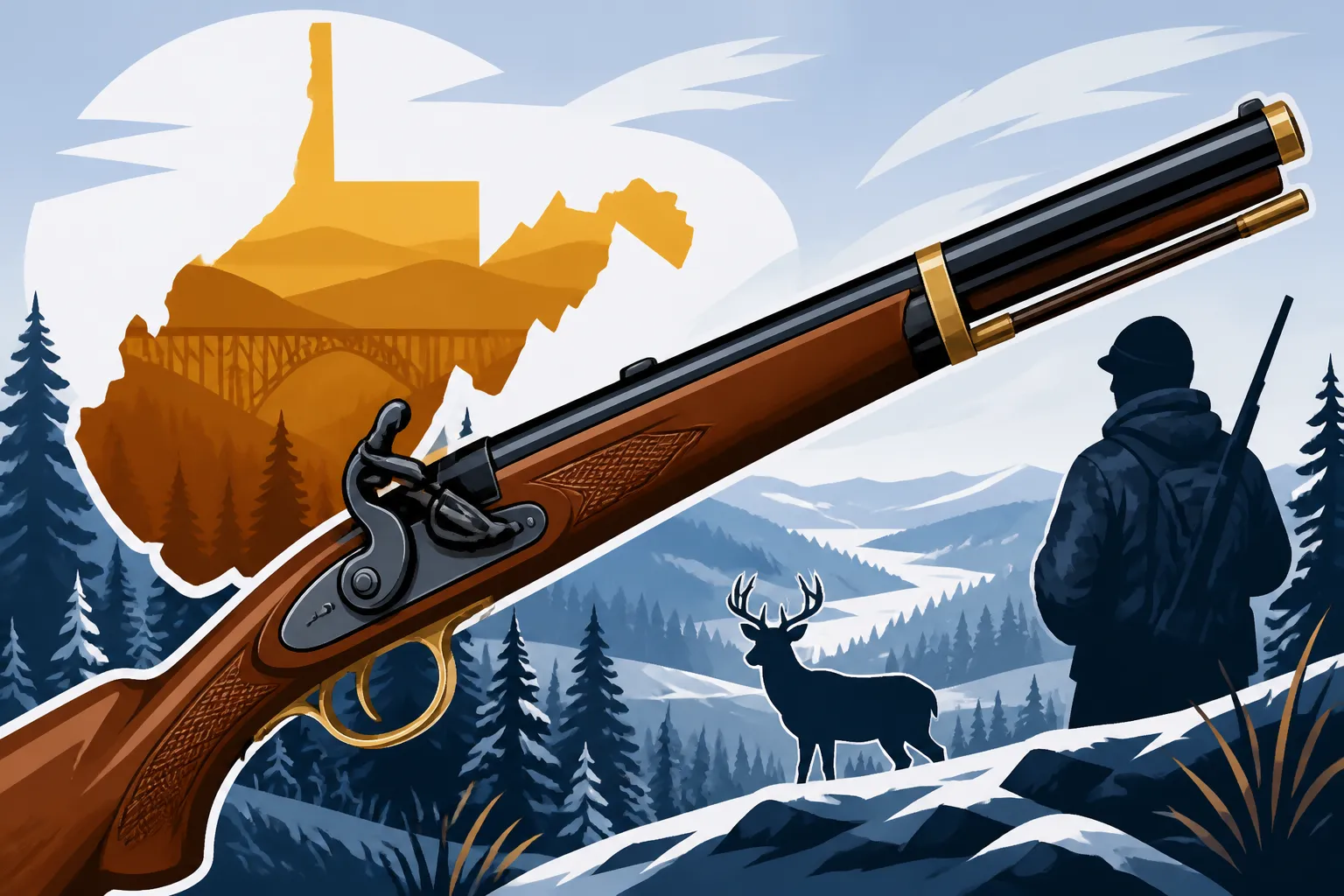
For some, the appeal of a traditional muzzleloader – a flintlock or a percussion cap rifle – is undeniable. There's a certain romance and challenge to hunting with a firearm that harks back to the frontier days, a real connection to hunting heritage. Flintlocks, with their flash-in-the-pan ignition, and percussion caps, which are a step up in reliability from flint, definitely demand more from the hunter.
In December's cold and damp, these traditional systems can be particularly prone to misfires. Flintlocks are notoriously susceptible to moisture affecting the pan powder, leading to hang-fires or outright failures to ignite. Percussion caps are more reliable, but still not sealed against the elements like modern primers. If you're going this route, meticulous preparation is key. This means absolutely pristine cap nipples or fresh flints, and ensuring your powder is bone dry. Many traditional hunters will carry their powder in sealed containers and load only just before the shot, or even apply a dab of grease around the cap to seal it from moisture. While these rifles are beautiful and offer a truly unique hunting experience, their reliability in frigid, wet West Virginia December weather can be a significant concern when a clean, quick shot is critical. They demand a higher level of attention to detail regarding Keeping Powder Dry in Wet Snow.
In-Line Muzzleloaders and Their Modern Advantages
When it comes to hunting deer in West Virginia's December cold, modern in-line muzzleloaders are often the top recommendation for reliability and performance. These rifles utilize a 209 shotgun primer, which is far more powerful and weather-resistant than traditional percussion caps. The "in-line" design means the primer is directly behind the powder charge, providing a straight-line ignition that is incredibly efficient and consistent. This translates to fewer misfires and hang-fires, a huge advantage when temperatures drop and moisture creeps in.
Beyond reliability, in-line muzzleloaders offer significantly improved accuracy. Their modern barrel designs, often rifled with faster twist rates, are designed to stabilize modern saboted projectiles, leading to tighter groups at longer ranges. This can be a game-changer when you're hunting clearings or power lines in the Monongahela National Forest Hunting where shots might stretch out a bit. Many in-lines also feature removable breeches, making cleaning much easier, which is vital for maintaining accuracy and preventing rust, especially after a cold, wet hunt. Brands like CVA, Traditions, and Thompson/Center have made huge strides in developing in-line muzzleloaders that are rugged, accurate, and dependable, precisely what you need when the weather turns nasty and success depends on your gear performing flawlessly.
| Muzzleloader Type | Ignition System | Cold/Wet Reliability | Typical Accuracy | Ease of Cleaning | Hunting Experience |
|---|---|---|---|---|---|
| Flintlock | Flint & Pan Powder | Low | Moderate | Moderate | Primitive, Challenging |
| Percussion Cap | Percussion Cap | Moderate | Good | Moderate | Traditional, Rewarding |
| In-Line | 209 Shotgun Primer | High | Excellent | High | Modern, Reliable, Accurate |
Key Features to Prioritize for Cold Weather Performance
When selecting an in-line muzzleloader for those challenging December hunts, certain features become non-negotiable. These are the details that separate a fair-weather firearm from one that performs when it truly matters.
Ignition Systems: Reliability is King in the Cold
As we touched on, the ignition system is arguably the most critical component for cold and wet conditions. This is where modern in-line muzzleloaders shine, predominantly using 209 shotgun primers. These primers are designed to be much more powerful and create a hotter, more consistent spark than traditional percussion caps. More importantly, many modern in-lines feature a "sealed breech" design. This means that once the breech plug is screwed in and the primer is inserted, the powder charge is largely protected from external moisture.
This sealed system drastically reduces the chances of a misfire caused by rain, snow, or even condensation from extreme temperature changes. Some muzzleloaders also incorporate a "full-contact" or "direct-fire" system where the firing pin strikes the primer directly, further enhancing reliability. When you're out in the Cranberry Wildlife Management Area with frost on everything and the wind whipping, knowing your primer and powder are protected can make all the difference between a successful hunt and a missed opportunity. Always look for systems that emphasize a robust, sealed, and direct ignition, minimizing any pathway for moisture to compromise your shot.
Barrel Materials and Finishes: Rust Prevention and Accuracy in Variable Temps
West Virginia's December weather isn't just cold; it can be incredibly damp, fostering rust and corrosion on unprotected metal parts. This is why the barrel's material and finish are so important. Stainless steel barrels are a fantastic choice for their superior rust resistance compared to blued carbon steel. While they might cost a bit more, the peace of mind knowing your barrel won't pit or corrode after a single wet hunt is invaluable. Many manufacturers also offer CeraKote or other durable synthetic finishes that provide an additional layer of protection against the elements, often in non-reflective colors that are great for hunting.
Beyond rust, consider the barrel's free-floating status and quality. A good quality barrel will maintain its accuracy even as temperatures fluctuate. A heavier, fluted barrel can also help manage heat, though this is less of a concern in cold weather, and can add stability for offhand shots. The most important thing is choosing a barrel that can withstand the moisture and grime of a late-season hunt and still deliver consistent accuracy when you need it most. You'll thank yourself for investing in a good finish when you're wiping down your rifle after a long day in the woods near Spruce Knob Adjacent Terrain.
Stock Materials and Ergonomics for Gloved Hands
Picture yourself trying to make a precise shot with numb, gloved hands. It’s not easy. This is why the stock material and ergonomics of your muzzleloader matter significantly for cold-weather hunting. Synthetic stocks (often made from fiberglass, carbon fiber, or high-density polymers) are generally superior to wood in December conditions. Wood stocks can absorb moisture, swell, warp, and even crack in extreme cold, potentially affecting accuracy and fit. Synthetics, on the other hand, are impervious to moisture, more durable, and often lighter, making for easier carrying on long treks through deep snow or up Hunting Steep Allegheny Ridges.
Beyond material, think about the design. A pistol grip that allows for a solid, comfortable hold even with thick gloves is a major plus. Texturing or over-molding on the grip and fore-end can provide crucial traction when your hands are cold and wet. Adjustable length of pull is also a nice feature, as heavy winter clothing can change your natural shooting position. A well-designed synthetic stock will be stable, comfortable, and help you maintain control and accuracy, even when your hands are freezing and your fingers feel like sausages. This attention to comfort and control can make a huge difference in your ability to consistently hit your target, especially after a long Cold-Weather Sitting Strategy in the Mountains.
Sights and Optics for Low Light and Snow
December in West Virginia often means shorter days, dense fog in the hollows, and overcast skies. Hunting often occurs in low-light conditions at dawn and dusk, or during snowfall. This makes your sighting system incredibly important. Many hunters opt for a scope on their muzzleloader, and for good reason. A quality scope with good light-gathering capabilities (often indicated by a larger objective lens, like 40mm or 50mm) will give you a much clearer sight picture in dim conditions than open sights. Look for scopes that are fog-proof, waterproof, and shockproof. Fogging up is a real problem when moving from cold outdoor air to warmer indoor air, or even just from your breath, and a good scope won't let you down.
For those who prefer open sights or are required to use them in certain specific seasons, consider fiber optic sights. These gather ambient light, making the front sight post much brighter and easier to see against a dark background or in low light, which is a significant advantage over traditional black sights. The contrast can be invaluable when trying to line up a shot on a dark-colored deer against a snowy or timbered backdrop. Whether using optics or open sights, ensure they are robust and won't get knocked off zero easily, especially if you're navigating rough terrain.
Ammunition and Accessories for December Muzzleloading
Having the right muzzleloader is only half the battle. What you feed it, and the gear you carry with it, are equally important for success when the temperatures plummet.
Propellants and Projectiles: Keeping Powder Dry and Accurate
The choice of propellant (powder) and projectile is critical for muzzleloader performance, especially in cold, damp conditions. For propellants, you essentially have traditional black powder and various substitutes. While black powder is the historical choice, substitutes like Hodgdon Triple Seven or Alliant Black MZ are often preferred for their easier cleanup and less corrosive nature. However, when it comes to cold and moisture, consistency is key. Granular powder (loose powder) gives you the most control over your charge, but pellets (like those from Hodgdon or Western Powders) offer convenience and consistency in measured charges. For December, regardless of whether you choose loose or pelletized, ensuring it stays absolutely dry is paramount. Invest in waterproof powder flasks or pre-measured charges in sealed containers. Keeping Powder Dry in Wet Snow cannot be stressed enough – even a tiny bit of moisture can ruin your hunt.
For projectiles, the market offers a vast array, from traditional patched round balls and saboted lead bullets to modern all-copper projectiles. Sabots (the plastic cup that holds a smaller diameter bullet) are popular for their accuracy and ease of loading. However, in extreme cold, plastic sabots can sometimes become brittle. Always test your chosen projectile and powder combination in cold weather before the season opens to ensure they perform reliably and accurately. For West Virginia deer, a heavy, expanding bullet designed for muzzleloader velocities will provide the best terminal performance. Consider projectiles that load easily, even with cold, gloved hands, as fumbling with a tight projectile when your fingers are numb is no fun.
Essential Cold Weather Accessories
Beyond the muzzleloader itself, a few key accessories can make or break your December hunting experience:
- Loading Tools: A reliable, sturdy loading rod is a must. If your rifle's ramrod is flimsy, consider an aftermarket upgrade. You'll need a capper/de-capper tool if your rifle doesn't have an integrated one, especially for getting those small percussion caps on with cold fingers. A bullet starter helps align the projectile and gets it started smoothly into the bore.
- Waterproof Components: Everything from your powder flask to your primer carrier should be waterproof. Little plastic containers or even Ziploc bags can work wonders for small items.
- Cleaning Kit: Even in the field, a basic cleaning kit is important. After a shot, especially in damp conditions, you'll want to swab the bore to prevent rust and ensure consistent performance on a follow-up shot. A small bottle of muzzleloader-specific cleaner and some patches are easy to carry.
- Optics Covers: If you're running a scope, flip-up covers or a neoprene sleeve will protect your lenses from snow, rain, and scratches. There's nothing worse than having your view obscured just when you need it most.
- Gloves and Hand Warmers: This might seem obvious, but reliable gloves that still allow for trigger feel are important. Chemical hand warmers can be tucked into gloves or pockets to keep your hands limber enough to reload and shoot accurately.
| Accessory Type | Purpose in December Cold | Recommended Features |
|---|---|---|
| Powder Storage | Prevent moisture contamination | Waterproof flask, sealed pre-measured tubes |
| Primer Carrier | Keep primers dry and accessible | Sealed container, easy to open with gloves |
| Loading Rod | Consistent, easy loading | Sturdy, non-flexing, secure handle |
| Bullet Starter | Smooth projectile seating | Ergonomic grip for cold hands |
| Cleaning Swabs | Field maintenance after a shot | Pre-moistened patches, small bore brush |
| Scope Covers | Protect lenses from elements | Flip-up, elastic, or neoprene covers |
| Gloves | Hand warmth and dexterity | Insulated, windproof, trigger-finger compatible |
| Hand Warmers | Maintain hand warmth | Long-lasting chemical packets |
Preparing Your Muzzleloader for Success in West Virginia Winters
Getting the right gear is a fantastic start, but proper preparation and practice are what truly bring it all together for a successful December muzzleloader hunt in West Virginia.
Practice in Cold Conditions: Why It Matters for Accuracy and Handling
You wouldn't run a marathon without training in similar conditions, right? The same logic applies to hunting with your muzzleloader in West Virginia's winter. Hitting the range on a warm, sunny day is great for initial zeroing, but it doesn't prepare you for the realities of hunting in December. You must practice shooting your muzzleloader when it's cold, ideally at or below freezing, and even in light snow or rain if it's safe to do so.
Why is this so important? First, cold temperatures can affect powder combustion, sometimes slightly altering velocity and point of impact. More significantly, it affects you. Your fingers will be less nimble, your breath will fog up your scope or glasses, and your entire body will feel stiffer. Practicing with heavy winter gloves on, layering up as you would in the field, and managing the cold while loading and shooting will reveal challenges you might not anticipate in warmer weather. Can you easily open your powder flask? Can you seat a primer or sabot with numb fingers? Does your scope fog up when you bring it to your eye? These are all critical questions that range time in cold conditions will answer. This kind of practice builds confidence and muscle memory, ensuring that when that moment of truth arrives, you're not fumbling with your gear, but focused on the shot. It also gives you a realistic idea of how your setup performs for Muzzleloaders Under West Virginia Rules when the conditions are far from ideal.
Maintenance and Storage for December Hunts
Winter hunts are tough on firearms, and muzzleloaders, with their corrosive black powder residue, demand even more rigorous attention. Proper maintenance before, during, and after your hunt is essential for preventing rust, maintaining accuracy, and ensuring reliability.
Before the season, give your muzzleloader a thorough cleaning. Inspect the bore for any signs of pitting, check the breech plug for wear, and make sure all moving parts are lightly oiled. A thin layer of rust-preventative oil on all external metal surfaces is a good idea. During the hunt, especially if it's wet, wipe down your rifle frequently. If you take a shot, even if you don't connect, try to clean the bore as soon as possible after the hunt is over. The residue from black powder or substitutes, combined with moisture, will start to corrode your barrel almost immediately. Many hunters disassemble their muzzleloader fully after each hunt in wet conditions, cleaning every component thoroughly and then re-oiling. When storing your muzzleloader, especially between hunts, ensure it's in a dry environment. A silicon-treated gun sock or a good quality gun safe with a dehumidifier can work wonders in preventing rust. Don't leave it in a cold, damp shed where condensation can wreak havoc.
The Importance of a Reliable Sling and Pack
Hunting West Virginia's rugged terrain in December often involves covering significant ground, frequently uphill and downhill, through varying snow depths, ice, and fallen leaves. Carrying a muzzleloader for hours, along with all your other gear, can quickly become a chore without the right setup.
A comfortable, durable sling is absolutely non-negotiable. Look for a sling that is wide, padded, and made from a non-slip material that will keep your muzzleloader securely on your shoulder without digging in or constantly slipping off. Quick-adjust features are also a plus, allowing you to quickly secure the rifle when climbing or free it up for a shot. For longer treks or carrying extra gear like your rangefinder, extra powder, a water bottle, and a First Aid Kits for Remote Highlands Ground, a good daypack is essential. Look for one that's comfortable, quiet, and offers easy access to critical items. Many packs also have external straps or compartments that can help secure your muzzleloader or other bulky items, freeing up your hands for scrambling over logs or steadying yourself on icy slopes. Remember, the less you're fumbling with your gear, the more you can focus on the hunt and the deer sign in front of you. A good mapping app like GoHunt can also be invaluable for navigating this challenging terrain, helping you track your progress and identify potential deer bedding or feeding areas.
Disclaimer
This article is for general informational purposes only and does not constitute professional advice. Laws, prices and regulations vary by location and change over time. Consult a qualified professional for guidance on your specific situation.