West Virginia’s Blaze Orange and Pink Options
Navigating the specific blaze orange and pink requirements for hunting in West Virginia can feel like trying to solve a puzzle, especially when you're just eager to get out into the woods. Many hunters find themselves wondering exactly when and how much of this highly visible gear they truly need, not just to stay legal, but to stay safe. This guide aims to demystify West Virginia's regulations on blaze orange and pink, ensuring you're well-informed, compliant, and confident every time you step afield.
The Core Purpose of Blaze Orange and Pink
At its heart, the requirement for blaze orange, and now blaze pink, isn't about style or tradition; it's fundamentally about safety. West Virginia, like many states, recognizes that the more visible a hunter is to other hunters, the less likely accidental shootings will occur. This isn't just a suggestion; it's a critical component of responsible hunting.
Safety First: Why Visibility Matters So Much
Think about the typical West Virginia hunting environment. We've got dense forests, thick laurel thickets, steep hollows, and often, days shrouded in fog or drizzly rain. In these conditions, a deer's natural camouflage works incredibly well, but unfortunately, so does a hunter's earthy-toned clothing. Without something bright to break up that human silhouette, it can be incredibly difficult to distinguish a fellow hunter from a deer, particularly during periods of low light or thick cover. This is where blaze materials step in.
The science behind blaze orange, and its newer counterpart blaze pink, is fascinating. These colors are designed to be highly conspicuous to humans, specifically because of how our eyes perceive light and color, especially against natural backgrounds. While some colors might blend into autumn foliage or winter snow, these specific fluorescent hues pop, signaling "human presence" to anyone actively looking. It's a non-verbal communication system that could literally save a life by preventing a tragic misidentification.
It’s about making an active effort to be seen, not just assuming you won't be in someone else's line of sight. When you're still-hunting through thick timber or working a deer drive with others, the ability for your hunting partners and other hunters in the area to instantly spot you is paramount. It reduces the split-second decision-making pressure that can lead to errors and gives everyone more time to confirm their target.
Beyond the Law: What it Means in the Woods
While the law mandates specific requirements for blaze orange or pink, the spirit of the regulation goes much deeper. It's a collective agreement among hunters to prioritize safety for everyone sharing the woods. It speaks to a culture of responsibility, where each individual actively contributes to the well-being of the entire hunting community. When you don your blaze gear, you're not just avoiding a citation; you're actively participating in a time-honored safety tradition.
Consider a scenario in the Monongahela National Forest, where hunters might be spread out over vast, rugged terrain. Even if you're alone for most of the day, you're still operating in an environment where others might be present, perhaps on a different ridge or in a distant hollow. Your blaze gear acts as a beacon, a clear signal that you are a human, not game, even at long distances or through sparse cover. It's an unspoken courtesy that shows you respect the safety of others.
Furthermore, wearing blaze doesn't just protect you from other hunters; it also helps you be seen by non-hunters who might be enjoying the outdoors, like hikers or birdwatchers. West Virginia's public lands are multi-use, and ensuring you're visible to all user groups fosters a more harmonious outdoor experience. It removes ambiguity and promotes a sense of shared responsibility for safety across all outdoor enthusiasts. This goes beyond minimum legal requirements and into the realm of ethical hunting practices.
West Virginia's Specific Blaze Orange Requirements
West Virginia has clear rules regarding when and how much blaze orange or pink hunters must display. These aren't arbitrary; they're based on historical data and studies designed to minimize hunting-related accidents. Understanding these specifics is crucial for every hunter, whether you're a seasoned veteran or new to the sport.
Mandatory Seasons and Species
Generally speaking, blaze orange (or pink) is required during any firearms deer season in West Virginia, which includes both buck gun season and muzzleloader season. This makes perfect sense; these are the times when the woods see the highest concentration of hunters using high-powered firearms. You'll also find the requirement applies during the county-specific early antlerless season, even if it's a special local firearms hunt. It’s a blanket rule designed to cover the most high-risk periods.
Specifically, during the statewide buck firearms season, which typically runs through November, all hunters must wear blaze. This includes deer hunters, small game hunters, and even those pursuing bear or turkey during any overlapping seasons. The rationale is simple: if firearms deer hunting is open, the risk of misidentification is elevated for everyone in the woods. This is why you'll see hunters pursuing squirrels, rabbits, or even grouse during this time still wearing their mandatory blaze.
It’s not just deer season, either. Bear hunters during the firearms portion of the bear season, particularly if it overlaps with deer season, are also subject to these same blaze requirements. Even though bears are dark-colored and don't blend in like deer, the presence of firearms and the potential for other hunters in the area necessitates the same safety precautions. Always check the current regulations each year, perhaps through resources like GoHunt, to confirm the exact dates and species for which blaze is required, as seasons can shift.
The Minimum Coverage: How Much is Enough?
West Virginia's law stipulates that hunters must wear at least 400 square inches of blaze orange or pink material as an outer garment. This can be a solid color or camouflage that's at least 40% blaze orange or pink. Additionally, you need a hat that's solid blaze orange or pink. This isn't just a suggestion; it's a specific measurement to ensure a significant portion of your body is visible from multiple angles.
Let's break down that 400 square inches. Imagine a vest. Most standard hunting vests are designed to meet or exceed this requirement. However, if you're wearing a camouflage jacket with only a few blaze orange patches, you need to ensure those patches collectively add up to the minimum. This is where a dedicated blaze orange or pink vest, worn over your regular hunting clothes, becomes incredibly practical and often the easiest way to ensure compliance. Don't forget the headwear – a brightly colored hat is just as important as the vest.
The "40% blaze orange or pink camouflage" clause gives hunters some flexibility, allowing them to break up their silhouette slightly while still maintaining high visibility. However, be cautious here. If you opt for camouflage with blaze, double-check that the blaze portion is substantial enough to meet the 40% threshold and the overall 400 square inches. It's often simpler and safer to just throw on a solid blaze vest and hat, which leaves no room for misinterpretation. Remember, the goal is maximum visibility, not just minimum compliance. For detailed figures on minimums, always consult the official How Much Blaze Orange West Virginia Requires guidelines.
Exceptions and Archery Considerations
It's important to note that blaze orange and pink requirements generally do not apply to archery season, unless it overlaps with a firearms season where blaze is otherwise mandatory. For much of Bowhunting West Virginia's Long Archery Season, archers typically wear camouflage or natural tones to avoid spooking deer, which rely heavily on sight. This changes, however, if you're bowhunting during a firearms deer season.
For instance, if the archery season extends into or overlaps with the general firearms buck season or muzzleloader season, then archers would indeed be required to wear blaze orange or pink. This makes perfect sense: even if you're using a bow, other hunters in the woods might be using firearms, and the universal safety rule kicks in. It's about protecting all hunters, regardless of their chosen weapon. Always check the specific dates for West Virginia Archery and Crossbow Season Dates against the firearms seasons.
Turkey hunters also have different rules. During the dedicated Spring Turkey Hunting in West Virginia or West Virginia's Fall Turkey Splits, blaze orange or pink is generally not required, and in fact, would be counterproductive as turkeys have excellent eyesight and would spot the bright color easily. However, if you are pursuing turkeys during an overlapping firearms deer season, then yes, blaze is required. It's all about context and ensuring you're visible when firearms are actively in use by other hunters for deer or bear.
Understanding Blaze Pink as a Legal Alternative
For many years, blaze orange was the only color legally accepted for hunter visibility. However, in recent times, a new option has emerged, and West Virginia is one of the states that has embraced it: blaze pink. This offers hunters, particularly those who might prefer a different aesthetic or simply want another choice, a fully legal and equally effective alternative.
The Science Behind Blaze Pink's Visibility
When blaze pink was first proposed as a legal hunting color, there was naturally some skepticism. Many wondered if it would be as effective as traditional blaze orange. However, scientific studies, particularly those focusing on human color perception and how different hues stand out against natural backdrops, have overwhelmingly supported its efficacy. In fact, some research suggests that blaze pink can be even more visible than blaze orange in certain lighting conditions or against specific types of foliage.
The human eye, especially in low light or against certain greens and browns, perceives blaze pink as a highly unnatural and vibrant color. It's not a color that's commonly found in nature, which makes it pop. This contrast makes it incredibly effective at catching the eye and signaling human presence. The arguments for its inclusion were strong enough to convince legislators in West Virginia and other states that it serves the same critical safety function as blaze orange.
For hunters concerned about how deer perceive colors, it's widely accepted that deer are largely red-green colorblind. This means that both blaze orange and blaze pink appear as shades of gray or muted yellow to them, effectively blending into the background from a deer's perspective. So, while these colors are highly visible to humans, they offer no disadvantage when it comes to being spotted by your quarry. It’s a win-win: highly visible to other hunters, virtually invisible to deer.
West Virginia's Stance on Blaze Pink
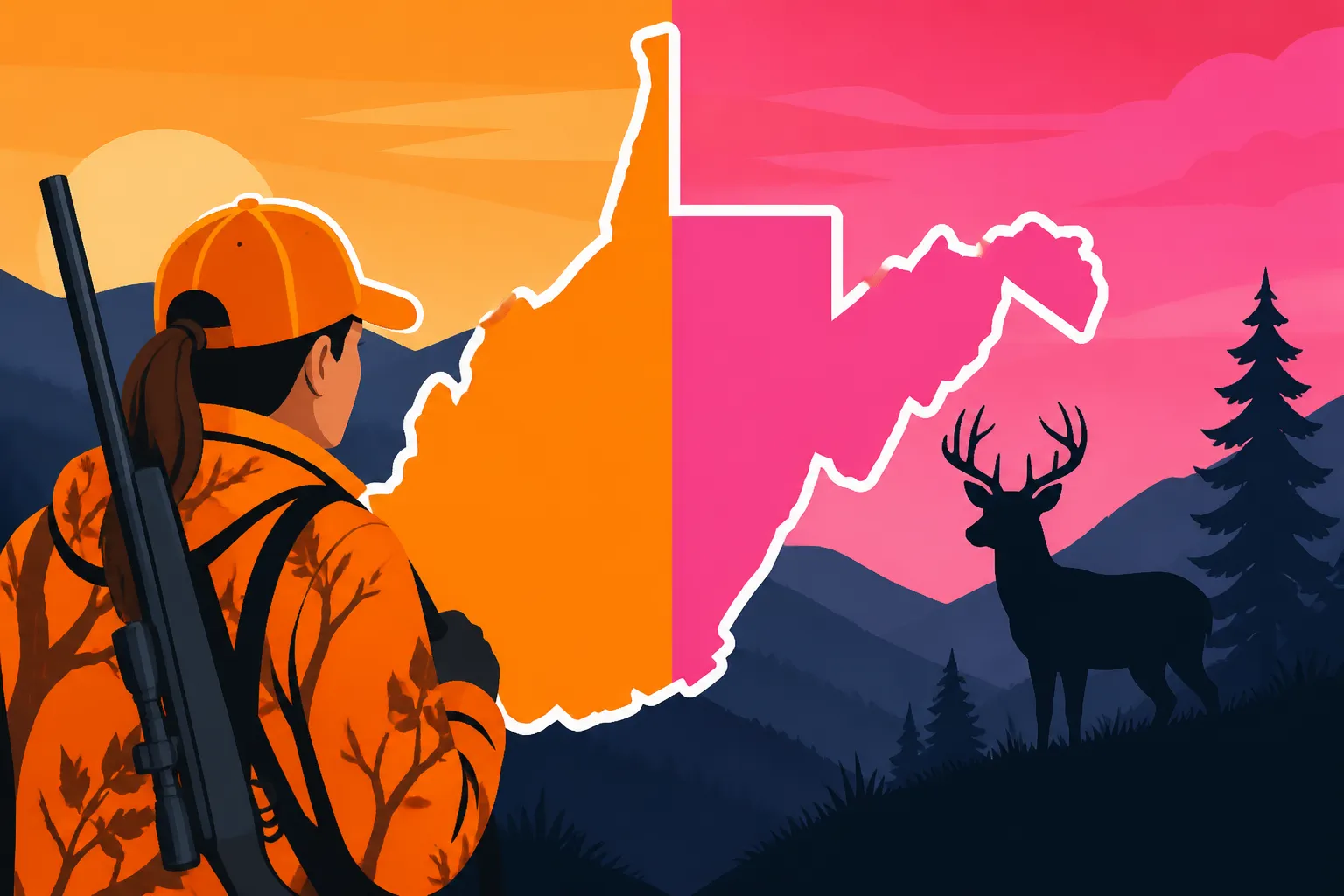
West Virginia has officially recognized blaze pink as a legal alternative to blaze orange for all hunting situations where blaze material is required. This means if the regulations call for 400 square inches of blaze orange, you can fulfill that requirement with 400 square inches of blaze pink instead, including a blaze pink hat. This provides hunters with a personal choice while maintaining the highest safety standards.
The inclusion of blaze pink was a move to modernize regulations and offer more options, especially to new hunters or those who felt limited by the traditional orange. It helps make hunting more inclusive and accessible, without compromising the fundamental goal of hunter safety. Now, whether you prefer the classic bright orange or the vibrant pink, you can hunt confidently knowing you are both legal and safe. You can find more details on this specific option by looking up Blaze Pink Options Under West Virginia Law.
This flexibility is a welcome change for many in the hunting community. It allows individuals to express themselves while still adhering to the core safety principles. Whether you're hunting in the Eastern Panhandle's farmlands or the rugged terrain of the Potomac Highlands, you can choose the color that best suits your preference, as long as it meets the coverage requirements.
Practical Considerations for Choosing Pink
While the science supports blaze pink's effectiveness, there are a few practical considerations to keep in mind if you choose to go with this option. First, availability. While blaze orange gear is ubiquitous in hunting stores, blaze pink might still be a bit less common, though its popularity is growing. You might need to look a little harder or consider online retailers if you're set on pink. Companies like GoHunt, for example, often carry a wide range of gear, so it's a good place to check for variety.
Secondly, consider the environment. Both colors are highly visible, but personal preference or local conditions might influence your choice. Some hunters feel blaze pink stands out even more vividly against the muted greens and browns of late fall or winter woods, while others prefer the traditional orange. Ultimately, as long as you meet the square inch and hat requirements, either color will fulfill your legal and safety obligations.
Finally, think about layering. Just like with blaze orange, you can find blaze pink vests, jackets, and hats. Make sure that whatever item you choose, it's designed as an outer garment and that the color is genuinely "blaze" – a true fluorescent pink – not just a light pink that might blend in too easily. The intensity of the fluorescent dye is key to its visibility, so ensure you're getting proper blaze material.
Common Misconceptions and Hunter Education
Even with clear regulations, certain myths and misunderstandings persist about blaze orange and pink. Addressing these is crucial, not just for compliance but for fostering a deeper understanding of hunter safety principles. Education is the cornerstone of safe hunting practices in West Virginia.
The "Orange Doesn't Matter to Deer" Myth
One of the most enduring myths in hunting circles is that "deer can't see orange, so it doesn't really matter." While it's true that deer perceive colors differently than humans, often seeing orange and pink as muted grays or yellows, this myth misses the critical point: blaze orange and pink are not for the deer. They are for other human hunters.
The purpose of blaze is entirely anthropocentric. It's designed to make you stand out to another person, preventing a tragic case of mistaken identity. While a deer might not react to your blaze vest, a human hunter whose adrenaline is pumping and whose focus is razor-sharp on potential game will absolutely see that vibrant color. Relying on the idea that deer can't see it to justify not wearing it (when required) is not only negligent but incredibly dangerous.
It's about shifting perspective. Instead of thinking about what the deer sees, consider what the person behind the scope or holding the shotgun sees. That flash of bright color is a universal sign that says, "Hey, I'm a human, not an animal." This basic principle is taught in every West Virginia Hunter Education Requirements course for a very good reason. Don't let old wives' tales override scientifically proven safety measures and legal mandates.
Checking Regulations: Your Responsibility
Regulations can, and sometimes do, change from year to year. Seasons might shift slightly, or specific rules for certain WMAs or counties might be updated. It is every hunter's personal responsibility to check the current West Virginia hunting regulations before heading out each season. Ignorance of the law is never an excuse, especially when safety is on the line.
The West Virginia Division of Natural Resources (WVDNR) publishes an annual hunting and trapping regulations summary, which is your go-to resource. This document outlines all the seasons, bag limits, and specific gear requirements, including blaze orange and pink. You can usually find these online or at license vendors. Many hunters also use apps or websites like GoHunt, which can help keep track of updated regulations, but always cross-reference with the official WVDNR sources for absolute certainty.
Taking the time to review the regulations ensures you're not only compliant but also aware of any new developments, like changes in CWD zones, which might have additional rules affecting carcass movement, for example. Being a responsible hunter means staying informed, and that includes dedicating time to understand the legal framework of your sport.
Youth and Mentored Hunting Rules
West Virginia offers opportunities for youth hunters, and these programs often have specific rules that aim to maximize safety for younger participants. During West Virginia Youth Deer Weekend Rules, for example, blaze orange or pink requirements are typically still in effect, and often with an emphasis on ensuring the youth hunter is highly visible. This is a critical period for instilling good safety habits.
For those participating in West Virginia Apprentice Hunter License Rules or mentored hunts, the mentor also plays a crucial role in ensuring all safety gear, including blaze orange or pink, is properly worn by both themselves and the apprentice. The mentor isn't just guiding the hunt; they are teaching fundamental safety and ethical practices. This means setting an example by strictly adhering to all blaze requirements.
It's a fantastic way to introduce new generations to hunting, but it comes with the added responsibility of ensuring they understand and follow all safety protocols from day one. Making sure young hunters are visible is paramount, and emphasizing the "why" behind blaze clothing helps them internalize the importance of safety for a lifetime of hunting.
Choosing Your Blaze Gear: Comfort, Function, and Style
With West Virginia's diverse weather and terrain, simply owning blaze orange or pink isn't enough; you need gear that's comfortable, functional, and suitable for the conditions. After all, if your gear is uncomfortable, ill-fitting, or impractical, you're less likely to wear it consistently or correctly.
Vests, Jackets, and Hats: Layering for Visibility
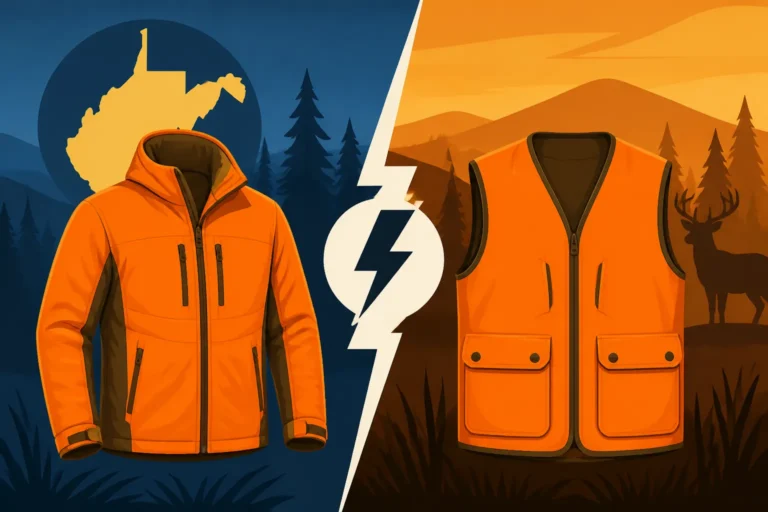
The most common way to meet the blaze requirement is with a vest, jacket, and hat. A simple, lightweight vest that can be worn over any outer layer is incredibly versatile. This allows you to adjust your base and mid-layers for warmth without compromising your visibility. For colder weather, a full blaze orange or pink jacket might be a better option, providing both warmth and compliance.
Hats are non-negotiable. A solid blaze orange or pink cap, beanie, or stocking hat ensures your head, which is often the most visible part of your body when sitting or moving through thick cover, is clearly identifiable. Many hunters prefer a traditional baseball cap style, while others opt for a warm beanie during the crisp late-season hunts. The key is that it's solid blaze color, not just a small patch or trim.
When layering, consider your specific hunting method. If you're Sitting a Field Edge in Late Season during gun season, a heavy, insulated blaze jacket makes sense. If you're still-hunting the steep ridges of the Monongahela National Forest, a lighter blaze vest over your performance layers might be more appropriate to prevent overheating. The goal is to integrate your blaze gear seamlessly into your overall Clothing for a West Virginia Late Season system.
Material Matters: Durability and Quietness
The material of your blaze gear is just as important as its color. You want something durable enough to withstand the rigors of the West Virginia woods – thorny briars, abrasive rocks, and frequent washes. Look for materials that resist tears and snags. Ripstop nylon or durable polyester blends are common and effective choices.
Quietness is another critical factor, especially if you're still-hunting or trying to move stealthily. Some inexpensive blaze vests can be notoriously noisy, rustling with every movement. Opt for quieter fabrics if possible, or choose a vest that's designed to minimize sound. This is particularly true for jackets, where a noisy outer shell can alert game to your presence long before you're in range.
Finally, consider weather resistance. While a vest might not offer much protection, a blaze jacket with a DWR (durable water repellent) finish or a waterproof membrane can be a lifesaver during a sudden mountain shower or an all-day drizzle. Staying dry is key to staying warm and comfortable, which in turn allows you to hunt longer and more effectively.
Maintaining Your Blaze Gear's Effectiveness
Blaze colors, especially fluorescent ones, can fade over time with exposure to sunlight and repeated washing. To ensure your gear remains highly visible and effective, proper care is essential. Always follow the manufacturer's washing instructions, typically using cold water and a gentle cycle. Avoid harsh detergents or bleach, which can accelerate fading.
Drying is also important. Air drying is often best to preserve the fabric and color, but if using a dryer, keep the heat low. Storing your blaze gear out of direct sunlight when not in use will also help prevent premature fading. A faded blaze orange or pink item might still be "orange" or "pink," but its fluorescent punch, which is what makes it so visible, diminishes. Regularly inspect your gear for signs of fading or damage. If it looks dull or worn, it might be time for a replacement.
Keeping your gear clean is also important for visibility. Mud, dirt, and blood can obscure the bright color, reducing its effectiveness. A quick rinse or wipe-down after each hunt can go a long way in maintaining its vibrant hue and ensuring you remain highly visible to others in the field.
Situational Awareness and Advanced Tips
Wearing blaze orange or pink is a critical component of hunter safety, but it's not the only component. It's part of a broader safety mindset that emphasizes situational awareness, communication, and responsible behavior in the woods.
Public Land Pressure and Extra Vigilance
West Virginia's public lands, like Monongahela National Forest or various Wildlife Management Areas, can experience significant hunting pressure, especially during opening weekends or peak rut periods. On such days, it's not uncommon to encounter other hunters. This is precisely when your blaze gear becomes most crucial, and when you need to heighten your situational awareness.
Even with your blaze on, always assume there are other hunters in the area, particularly on well-known public hunting grounds. When moving through thick cover, be extra cautious. Take slow, deliberate steps and always identify your target and what's beyond it before taking a shot. Using a good mapping app like GoHunt to understand property lines and access points can also give you an edge in avoiding crowded areas or knowing where other hunters might logically be. Hunting Pressure on West Virginia Public Land is a real factor, and being prepared for it is part of being safe.
Communication is also vital. If you're hunting with a group, establish clear communication protocols using two-way radios or pre-arranged signals. Let others know your general location and intended movements. On your own, make your presence known through occasional, purposeful noise if you feel you're in a high-traffic area, without overdoing it to spook game. The point is to proactively prevent incidents rather than reacting to them.
Low Light and Adverse Weather
The importance of blaze orange and pink is magnified during periods of low light – dawn, dusk, and overcast days – as well as in adverse weather conditions like fog, rain, or snow. These are the times when natural visibility is already compromised, and bright, unnatural colors truly shine.
When hunting during these challenging conditions, don't just rely on your blaze gear; actively scan your surroundings. Use your binoculars, like a good 8×42 or 10×42 pair, to thoroughly glass the terrain before moving or taking a shot. What might look like a deer or bear through dense brush in poor light could easily be a fellow hunter whose blaze is partially obscured. Take that extra second, or even minute, to confirm.
Remember that light conditions change rapidly in West Virginia's mountainous terrain. What might be bright sunlight on a ridgetop can be deep shadows in a hollow just moments later. Be prepared for these transitions and adjust your safety protocols accordingly. Your blaze gear provides a constant, reliable layer of visibility even when nature throws its challenges at you.
Blaze for Non-Hunters
Finally, while this guide focuses on hunters, it's worth a quick mention that blaze orange or pink is also highly recommended for non-hunters who venture into the woods during hunting seasons. Hikers, mountain bikers, photographers, or anyone else enjoying the outdoors should strongly consider wearing highly visible clothing, especially during firearms seasons.
Many outdoor enthusiasts are not aware of active hunting seasons, or the specific blaze requirements. By promoting the wearing of blaze colors to all user groups, we can create a safer environment for everyone sharing West Virginia's beautiful natural spaces. It's a simple, effective measure that contributes to universal outdoor safety, building goodwill and understanding between different user communities.
| Blaze Gear Item | General Use Case | West Virginia Req. Status | Pros | Cons |
|---|---|---|---|---|
| Blaze Vest | Worn over other clothing, highly versatile. | Primary Outer Garment | Lightweight, adaptable to layering, easy to store, often inexpensive. | Can be noisy if material is cheap, may not provide warmth. |
| Blaze Jacket | Outer layer for warmth and visibility. | Primary Outer Garment | Provides warmth, protection from elements, all-in-one solution. | Less versatile for varying temps, can be bulky, often more expensive. |
| Blaze Hat | Headwear for visibility. | Mandatory | Highly visible, keeps head warm/sun-protected, small item. | Can get lost easily, may not fit all head sizes/hairstyles. |
| Blaze Camo (40%+) | Blends camo pattern with blaze for visibility. | Primary Outer Garment | Breaks up human outline slightly, still provides high visibility. | Must meet 400 sq. inch & 40% minimum, can be harder to find, may not "pop" as much as solid. |
| Blaze Arm/Leg Bands | Supplemental visibility. | Supplemental Only | Adds extra visibility from specific angles. | Does NOT meet 400 sq. inch requirement on its own. |
Disclaimer
This article is for general informational purposes only and does not constitute professional advice. Laws, prices and regulations vary by location and change over time. Consult a qualified professional for guidance on your specific situation.