Bear Hunting Gear in the Highlands
Getting ready to chase black bears in the rugged West Virginia Highlands is an exciting endeavor, but it also presents some serious challenges. The steep mountains, unpredictable weather, and dense cover demand specific gear choices if you want to be safe, successful, and comfortable. This guide will walk you through the essential equipment you'll need, from your choice of weapon to the vital tools for recovery and survival, ensuring you're well-prepared for whatever the Mountain State's backcountry throws at you.
Essential Weaponry for West Virginia Black Bear
When you're pursuing a formidable animal like a black bear in West Virginia's challenging terrain, your choice of weapon is paramount. It needs to deliver sufficient power, be reliable, and allow for accurate shot placement under potentially difficult conditions, whether you're still-hunting a ridge or sitting a natural food source.
Rifles: Calibers and Characteristics for Bears
For many West Virginia bear hunters, a rifle is the primary tool. The key is to choose a caliber that provides ample stopping power for a bear's robust bone structure and dense muscle, especially when a quick, ethical kill is the goal in thick cover or on a steep hillside. Common choices range from the versatile .30-06 Springfield and .308 Winchester to larger calibers like the .300 Winchester Magnum. These calibers offer a good balance of energy and manageable recoil, making them suitable for shots that might be close in the brush or occasionally reach across a hollow.
Beyond caliber, the rifle itself needs to be robust and capable of handling the elements. A synthetic stock can withstand moisture and knocks better than wood, and a durable finish on the metal components will resist corrosion from damp mountain air. When considering Rifle Calibers for West Virginia Bear, remember that shot placement is always more critical than a slight difference in caliber, but having enough energy on impact is non-negotiable. Don't skimp on quality ammunition; premium, controlled-expansion bullets are designed to penetrate deeply and retain their weight, maximizing energy transfer.
Archery and Crossbow Considerations
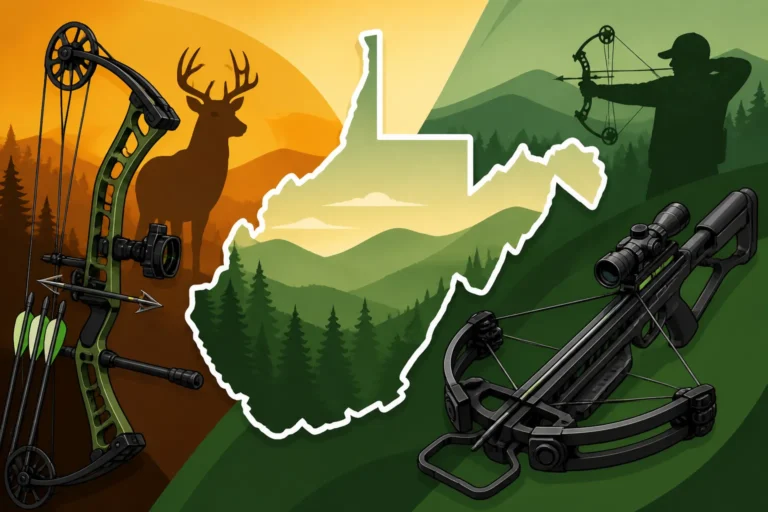
Archery hunting for black bear in West Virginia can be an incredibly rewarding experience, offering an intimate connection with the wilderness. However, it requires an even greater emphasis on precision, practice, and the right gear. Your bow, whether traditional, compound, or crossbow, must be capable of delivering maximum kinetic energy to ensure broadhead penetration through hide, muscle, and bone. For compound bows, a heavier draw weight is often favored, within your comfortable and accurate limits, to achieve sufficient penetration.
Broadhead selection is critical. Fixed-blade broadheads are often preferred by bear hunters for their robust construction and reliable penetration, especially on quartering-away shots that require slicing through dense tissue. Mechanical broadheads have their proponents, but ensure they are designed for large game and have a proven track record of reliable deployment and penetration. Crossbow hunters benefit from increased accuracy at slightly longer ranges than traditional archery, but the principles remain the same: practice shot placement extensively, understand your weapon's limitations, and choose a broadhead that inspires confidence for a clean kill. Bowhunting West Virginia's Long Archery Season provides more insight into general archery hunting, but bears demand specialized attention.
Muzzleloaders for Late Season Opportunities
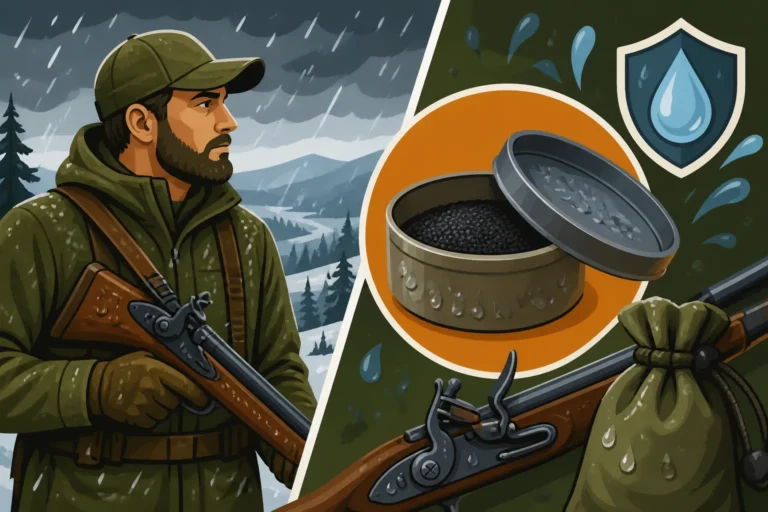
West Virginia offers specific muzzleloader seasons, often extending into colder months, providing another excellent opportunity to pursue black bears. Muzzleloaders deliver significant power, making them highly effective for bear hunting. Modern inline muzzleloaders are popular due to their accuracy and ease of loading compared to traditional percussion or flintlock systems. When choosing a muzzleloader, consider a robust, weather-resistant model that can perform reliably in damp, cold conditions. Keeping your powder dry is paramount in the fickle mountain weather.
Bullet choice for muzzleloaders should mirror the principles for centerfire rifles: heavy, controlled-expansion projectiles are ideal for bears. Saboted bullets with pistol or rifle bullets encased in plastic are common, offering excellent accuracy and energy. Many hunters also favor heavier conical bullets for their deep penetration. Familiarize yourself with West Virginia's specific muzzleloader regulations regarding bullet types and minimum caliber. Practice extensively at various distances, especially in the cold weather conditions you'll likely encounter. Remember, just like with Muzzleloader Deer Hunting in West Virginia, ethical bear hunting with a muzzleloader hinges on your proficiency and preparation.
Optics for Spotting and Tracking Mountain Bears
The rolling, often steep and densely forested terrain of the West Virginia Highlands makes spotting game a challenge. Good optics aren't just a luxury; they're a necessity for locating bears, assessing their size, and ensuring an ethical shot.
Binoculars for Long-Range Scouting
A quality pair of binoculars is your primary tool for scanning vast areas of timber, distant clear-cuts, and open hillsides where bears might be feeding or traveling. In the Highlands, you'll be glassing deep hollows and dense stands of mast-producing trees for any sign of movement. An 8x or 10x magnification is generally preferred, offering a good balance between magnification and field of view, which is crucial when trying to pick apart thick cover. Investing in binoculars with excellent low-light performance is also key, as bears are often most active during dawn and dusk.
Look for models that are waterproof, fog-proof, and durable enough to withstand being jostled and bumped as you navigate steep terrain. Comfort is also important, as you'll be carrying them all day and spending significant time glassing. A good binocular harness can distribute the weight evenly, keep your optics secure, and allow for quick access. This allows you to quickly evaluate a potential sighting without fumbling, which is essential when a bear might only be visible for a fleeting moment.
Rangefinders for Ethical Shots
In the mountains, judging distance can be notoriously difficult. Uphill shots appear shorter, downhill shots appear longer, and the dense timber can play tricks on the eyes. A reliable rangefinder is an indispensable piece of gear for any bear hunter, especially when using a bow or muzzleloader where precise distance estimation is critical for Shot Placement on a West Virginia Black Bear. It takes the guesswork out of the equation, allowing you to focus on a steady aim.
Modern rangefinders often include angle compensation, which is incredibly useful in hilly West Virginia terrain. This feature calculates the "shoot-to" distance, factoring in the angle of your shot, which can be significantly different from the straight-line distance. Practice using your rangefinder in varied terrain before your hunt. Get accustomed to quickly acquiring a target and understanding its feedback. Brands like GoHunt often review and recommend rangefinders that excel in tough conditions, making it easier to choose a model that stands up to the demands of a mountain bear hunt.
Spotting Scopes and Thermal Imaging
While not as universally essential as binoculars and rangefinders, a spotting scope can be a valuable asset for certain types of bear hunting in the Highlands. If you're spending significant time glassing expansive clear-cuts or large natural openings, a high-power spotting scope allows you to scrutinize distant animals with greater detail, helping you determine if a bear is mature and legal before making a long stalk. They are often heavier and bulkier than binoculars, so consider the trade-off with mobility.
Thermal imaging and night vision devices are powerful tools, but their use for hunting bears in West Virginia is subject to specific regulations. Generally, thermal optics are limited to scouting and locating downed game after legal shooting hours, not for actual shooting during the hunt itself. Always double-check the latest West Virginia Department of Natural Resources (WVDNR) regulations regarding the legal use of these technologies for bear hunting to ensure compliance. The ability to locate a bear after dark, however, can be invaluable for recovery.
Navigational and Safety Gear for Rugged Terrain
The West Virginia Highlands, particularly areas within the Monongahela National Forest Hunting, can be unforgiving. Getting lost or encountering an emergency in remote areas is a serious concern. Proper navigational tools and safety gear are non-negotiable for a responsible and successful bear hunt.
GPS Devices and Mapping Apps
Relying solely on your memory or a paper map can be a recipe for disaster in steep, often featureless terrain. A dedicated GPS unit or a reliable mapping app on your smartphone is crucial for knowing your location, navigating to your hunting spots, marking trails, and finding your way back to camp or your vehicle. Modern GPS units offer detailed topographical maps, satellite imagery, and the ability to mark waypoints for everything from fresh sign to your vehicle's parking spot.
Many hunters use apps like GoHunt, which can download offline maps, allowing you to navigate even without cell service – a common occurrence in the deep hollows of West Virginia. Practice with your chosen device before your hunt, ensuring you understand how to use all its features, mark waypoints, and follow a track. Always carry a backup, whether it's a compass and physical map (and know how to use them!) or a fully charged second device. Don't forget a portable power bank to recharge your electronics, as cold weather can drain batteries quickly.
Communication and Emergency Preparedness
Cell service is often spotty or nonexistent in the most remote areas of West Virginia. Having a reliable communication plan and emergency preparedness gear is critical. A satellite communication device, such as a satellite messenger or phone, can be a literal lifesaver, allowing you to send messages or trigger an SOS call even when out of cell range. These devices provide peace of mind for both you and your loved ones back home.
Beyond communication, think about basic survival. A loud whistle can signal for help, and a signal mirror can attract attention from aircraft. Always inform someone of your hunting plans, including your route, expected return time, and who to contact if you don't check in. Pack a small survival kit that includes items like fire starters, a space blanket, extra food, and a multi-tool. Even a short day hunt can turn into an overnight ordeal if you get turned around or injured.
First Aid and Survival Essentials
An accident can happen in an instant in the rough terrain of the Highlands. A well-stocked First Aid Kits for Remote Highlands Ground is an absolute must. It should include supplies for cuts, scrapes, blisters, sprains, and basic wound care, as well as any personal medications you might need. Make sure someone in your hunting party knows how to use the contents of the kit, and consider taking a basic wilderness first aid course.
Beyond medical supplies, think about general survival. A headlamp with extra batteries is essential for navigating in the dark or working on a downed animal after sunset. Carry a sturdy knife (in addition to your field dressing knife) for general utility. A small length of rope or cord can be incredibly useful. Always have enough water or a reliable water filter/purifier to stay hydrated, as Hunting Bears Over Natural Mast in the Mountains can be physically demanding. Remember, the goal is to be self-sufficient and prepared for the unexpected.
Clothing and Layering Systems for Variable Mountain Weather
West Virginia's mountain weather is notoriously fickle. You can start the day in a crisp chill, find yourself sweating on an uphill climb, then be hit with a sudden rain shower or dropping temperatures by afternoon. A smart layering system is the key to staying comfortable, dry, and focused on your bear hunt.
Base Layers and Moisture Management
Your base layer is the foundation of your entire clothing system. Its primary job is to wick moisture (sweat) away from your skin, preventing you from getting cold once you stop moving. Materials like merino wool or synthetic fabrics (polyester, polypropylene) are excellent choices because they retain insulating properties even when damp and dry quickly. Avoid cotton at all costs; it absorbs moisture and holds it against your skin, leading to rapid cooling and discomfort.
For bear hunting, especially when you're exerting yourself climbing those steep ridges and then sitting still, having a good base layer makes all the difference. In cooler weather, a mid-weight base layer might be appropriate, while in early season or during intense physical activity, a lighter weight might suffice. The goal is to regulate your core temperature, keeping you from overheating while moving and from chilling when stationary.
Insulation for Cold Mountain Air
Over your base layer comes your insulating layer, designed to trap warm air close to your body. This is where you adjust for temperature fluctuations. Fleece jackets, down-filled vests, or synthetic insulated jackets are all excellent options. Fleece is durable, relatively quiet, and performs well even when damp. Down offers superior warmth-to-weight ratio but loses most of its insulating power when wet. Synthetic insulations, while bulkier than down, maintain warmth even if they get soaked.
The beauty of a layering system is its adaptability. You might start your climb with just a base layer and a light mid-layer, stowing a heavier insulated jacket in your pack. As you reach your stand or settle into a glassing spot, you can add layers as needed. For long sits, especially during the late bear seasons, you'll want substantial insulation. Remember, bears are tough, and so is the weather, so being prepared for Cold-Weather Sitting Strategy in the Mountains is paramount.
Outerwear for Rain, Wind, and Snow Protection
Your outermost layer, or shell, provides protection from the elements: rain, wind, and snow. It should be waterproof, windproof, and breathable to allow moisture vapor (from your base layers) to escape, preventing clamminess inside. Look for jackets and pants made with reputable waterproof-breathable membranes. Pay attention to features like waterproof zippers, adjustable cuffs, and a hood that fits well over a hat.
A good rain suit isn't just for downpours; it acts as a windbreak, significantly increasing your comfort and warmth on blustery ridges. In the West Virginia Highlands, precipitation can come in many forms, from a steady drizzle to heavy snow. Having reliable outerwear ensures you can remain in the field comfortably for longer periods. It's often the most expensive part of your hunting clothing system, but it's an investment that pays dividends in comfort and safety. Before you even head out, check what West Virginia Blaze Orange Requirements might apply to your specific hunt dates and weapon choice, and ensure your outerwear meets these visibility standards.
Field Dressing and Meat Care for a Large Harvest
Harvesting a black bear is a significant accomplishment, but the work doesn't stop when the animal hits the ground. Proper field dressing and meat care are crucial to preserving the quality of the meat and ensuring a respectful harvest, especially in West Virginia's rugged and often warm early season.
Knives, Saws, and Gutting Tools
Having the right tools for field dressing is essential. A sturdy, sharp knife with a good grip is your primary tool. Many hunters carry two or three knives: a larger fixed-blade for initial cuts and heavier work, and a smaller, more precise knife for caping or finer details. Some knives come with gut hooks, which can be useful for opening the body cavity cleanly. A compact bone saw, either folding or fixed-blade, is invaluable for cutting through the sternum, pelvis, or for separating joints if you're quartering the animal in the field.
Beyond knives, consider a pair of latex or nitrile gloves. These protect you from bacteria and keep your hands cleaner during the process. Wipes or a small bottle of hand sanitizer are also useful. Always sharpen your knives before the hunt and carry a small sharpener or strop for touch-ups. A dull knife is not only inefficient but also dangerous. You'll want to be quick and efficient, especially if temperatures are rising, as bears can spoil quickly due to their thick fat layer.
Game Bags and Preservation in the Field
Once field dressed, protecting the meat from dirt, insects, and quickly cooling it are your next priorities. High-quality, breathable game bags are indispensable. Unlike tarps or plastic sheets, game bags allow air to circulate around the meat, promoting cooling and preventing moisture buildup which can encourage bacterial growth. They also keep flies and other insects off your hard-earned meat. Look for game bags made from durable, washable material that can withstand the weight and bulk of bear quarters.
If you're far from your vehicle, especially in warmer weather, breaking the bear down into quarters and removing as much hide and fat as possible in the field is highly recommended. This allows the meat to cool much faster. Hang the bagged quarters in a shady, breezy spot, off the ground, to aid in cooling. For specific guidance on handling a downed animal, especially one as large as a bear, refer to resources like Handling a Bear After the Shot to ensure you're making the best decisions for meat quality and recovery.
The Importance of Rapid Cooling
Bear meat, particularly with its thick fat layer, spoils much faster than deer meat if not cooled rapidly. This is a critical factor, especially during the early West Virginia bear seasons when temperatures can still be quite warm. After field dressing and possibly quartering, getting that heat out of the meat is your top priority.
If you can't get the bear to a cooler quickly, consider placing ice in the body cavity (if whole) or directly on the quarters in the game bags. Some hunters will even pack snow or stream water over the meat, if available, ensuring direct contact to draw out heat. The goal is to get the internal temperature of the meat down as quickly as possible. Having a plan for this before you even pull the trigger is essential. Don't let your hard-earned bear meat go to waste because of inadequate cooling.
Hauling and Recovery Solutions for Bear in Steep Country
Successfully harvesting a bear in the West Virginia Highlands is a major accomplishment, but then comes the often-daunting task of getting it out of the woods. Bear are heavy, and the terrain is unforgiving, making recovery one of the most physically demanding aspects of the hunt.
Packs Built for Heavy Loads
If you're hunting deep in the backcountry, especially in areas like Cranberry Wildlife Management Area, packing out your bear in pieces is often the only realistic option. A high-quality internal or external frame pack designed for heavy loads is absolutely essential. These packs are built with robust suspension systems, padded hip belts, and strong frames that distribute weight effectively to your hips, not just your shoulders. Look for packs with ample compression straps to secure awkward loads and durable fabrics that can withstand rough treatment.
Many hunters prefer an external frame pack for packing out quarters, as it allows you to lash large, irregular loads directly to the frame, keeping the weight away from your back and providing better ventilation. Practice packing heavy loads in your chosen pack before the hunt to ensure a comfortable fit and to build your conditioning. You'll want to take advantage of tools like GoHunt's gear reviews to find packs that are proven in backcountry hunting scenarios. This isn't the time for a flimsy daypack. Consider the specific demands of Choosing a Daypack for a Backcountry Bear Hunt and then scale up for a full bear recovery.
Game Carts and Sleds
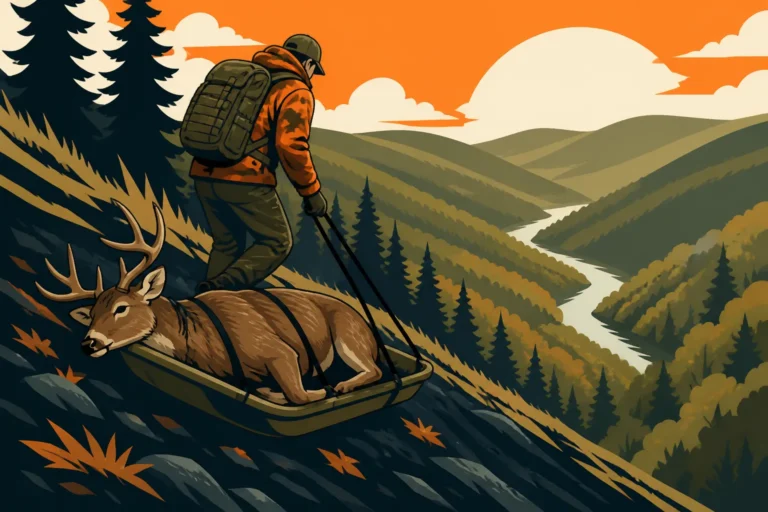
While packing out a bear on your back is common in the steepest, most remote areas, a game cart or sled can be a huge help if you're fortunate enough to harvest a bear near relatively flatter ground or old logging roads. Game carts typically have two wheels and a handle, allowing you to pull a significant amount of weight. They work best on somewhat even terrain, old trails, or open woods. On steep, rocky, or brushy ground, they can quickly become more hindrance than help.
Sleds, particularly plastic utility sleds, are excellent for dragging animals out over snow, ice, or even wet leaves. They reduce friction, making it easier to move heavy weights. They are especially useful in late-season hunts when snow is on the ground. However, like carts, they are limited by terrain and can be difficult to maneuver in thick brush or very steep inclines. Assess the recovery route carefully before deciding if a cart or sled is a viable option for your specific situation.
Teamwork and Strategizing the Extraction
Recovering a bear, even a smaller one, is rarely a one-person job in the West Virginia Highlands. If you're hunting with a partner or group, planning the extraction beforehand can save immense time and effort. Discuss potential recovery routes, roles, and communication signals. If possible, scout potential drag or pack-out routes when you're scouting for bears.
Sometimes, the best "gear" for recovery is a well-coordinated team. Breaking the animal down into smaller, more manageable loads is often the most practical approach. Even if you plan to call for help, having the initial tools and knowledge to Butchering a Deer at Camp (or in the field) and segment the animal will make the subsequent recovery much easier for everyone involved. Don't underestimate the physical demands; a large bear can weigh several hundred pounds, and moving that much weight over steep, uneven ground is a supreme test of endurance.
Essential Comfort and Survival Gear for Backcountry Hunts
Being prepared for the unexpected is a hallmark of any responsible West Virginia hunter, especially when pursuing bears in the wild, untamed Highlands. Beyond your hunting specific gear, having the right comfort and survival items can make the difference between an uncomfortable outing and a dangerous situation.
Hydration and Water Purification
Staying hydrated is absolutely critical when you're physically exerting yourself in the mountains. Climbing West Virginia's steep ridges and navigating dense forests burns a lot of calories and causes you to sweat, even in cooler temperatures. Carrying enough water for a full day can be heavy, so a combination of carrying some and having a purification method is often ideal.
A good water bottle or hydration reservoir is a given. For longer hunts or when you anticipate needing more water, a portable water filter or purification tablets are invaluable. There are plenty of springs and streams in the Highlands, but you should never drink directly from them without purification. Brands like GoHunt often feature lightweight and reliable water purification systems that are perfect for backcountry use, ensuring you always have access to safe drinking water. Don't let dehydration compromise your judgment or physical performance.
Shelter and Fire Starting
Even if you plan a day hunt, circumstances can change. A sudden injury, getting lost, or a severe weather change could force an unexpected night out. Having minimalist shelter and fire-starting capabilities is a prudent survival measure. A lightweight tarp, a durable emergency blanket, or even a large trash bag can provide crucial protection from wind and rain.
For fire, carry multiple reliable ignition sources: waterproof matches, a quality lighter, and a ferro rod. These should be stored in a waterproof container. Knowing how to build a fire, even with damp materials, is a skill worth practicing. A fire provides warmth, a morale boost, and a signal for help. It's not about planning to spend a night out, but being prepared if you unexpectedly have to.
Lighting and Power for Electronics
As mentioned earlier with navigation, electronics are increasingly part of our hunting kit. A reliable headlamp is absolutely essential. It frees up your hands for walking, field dressing, or setting up camp in the dark. Carry extra batteries, or if it's a rechargeable model, ensure it's fully charged and bring a small power bank. A secondary, small flashlight is also a good idea.
Beyond your headlamp, consider how you'll keep your GPS, phone, or satellite communicator powered. Cold weather drains batteries faster, and you'll likely be using these devices more than you realize. A robust power bank with sufficient capacity to recharge your critical electronics several times is a wise investment. Make sure it's durable and can handle the damp, cold environment of the West Virginia Highlands.
| Category | Essential Item | Key Considerations for WV Highlands Bear Hunting |
|---|---|---|
| Weaponry | Rifle, Bow, Muzzleloader | Caliber/Draw Weight for Bears, Durability, Weather Resistance, Ethical Shot Placement |
| Optics | Binoculars | 8x-10x Magnification, Low-Light Performance, Waterproof, Durable |
| Rangefinder | Angle Compensation, Quick Acquisition, Waterproof | |
| Navigation | GPS Device / Mapping App | Offline Map Capability, Topo Maps, Waypoint Marking, Power Bank for charging |
| Compass & Map | Backup for electronics, Know how to use them | |
| Safety/Emergency | Satellite Messenger | Communication outside cell service, SOS feature, Inform others of plans |
| First Aid Kit | Comprehensive, Tailored to wilderness, Know how to use | |
| Fire Starter (multiple) | Waterproof matches, Lighter, Ferro rod, Practice fire building | |
| Clothing | Base Layers | Merino Wool or Synthetic, Moisture-wicking, Quick-drying |
| Insulating Layers | Fleece, Down (if protected), Synthetic Puffy, Adaptable to activity level | |
| Outerwear | Waterproof, Windproof, Breathable, Durable, Meets Blaze Orange/Pink Regulations | |
| Field Dressing | Sharp Knives (2-3) | Fixed-blade, Gut hook, Small precise knife, Sharpener, Gloves |
| Bone Saw | Compact, Folding, for sternum/pelvis/quartering | |
| Breathable Game Bags | Durable, Protects meat from dirt/insects, Aids cooling | |
| Recovery | Heavy-Duty Frame Pack | Internal or External frame, Robust suspension, Padded hip belt, Durable fabric |
| Game Cart / Sled (optional) | Useful on good trails, limited in steep/rough terrain |
Disclaimer
This article is for general informational purposes only and does not constitute professional advice. Laws, prices and regulations vary by location and change over time. Consult a qualified professional for guidance on your specific situation.