How Far to Walk From a Forest Road
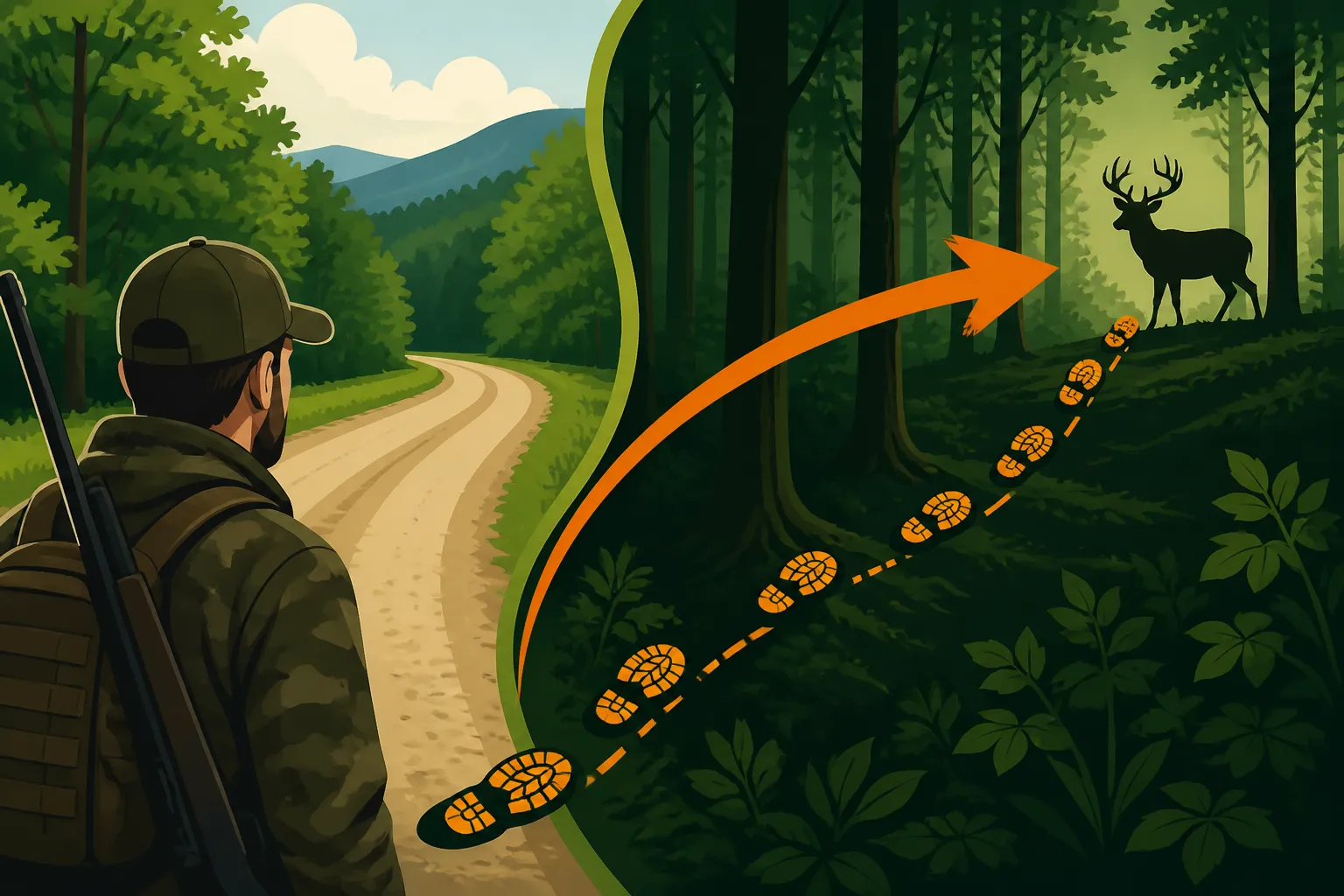
One of the most common frustrations West Virginia hunters face, especially on public land, is bumping into other hunters or finding game that's already been spooked. The easy access points, like forest roads, often feel like magnets for fellow outdoorsmen, leaving many to wonder: just how far do you really need to walk from that gravel road to find some solitude and, more importantly, some unpressured game? This guide is going to dig deep into that question, helping you strategize your treks into the beautiful, wild heart of West Virginia.
The Lure and The Problem: Why Hunters Stick Close to the Roads
It's completely understandable why most hunters prefer to stay within a stone's throw of their vehicle. Convenience is king when you're carrying a pack, a rifle or bow, and maybe a treestand. Nobody wants to haul a heavy deer out of a deep hollow if they don't absolutely have to. But this very natural inclination creates a predictable pattern of human activity that savvy hunters can exploit.
The Immediate Convenience vs. The Crowds
Think about your average public land hunting area in West Virginia. There are usually designated parking spots along forest roads, or at least wide shoulders where you can pull off. From there, it's often a well-trodden path or a relatively easy walk into the woods. For many, that's enough. They'll set up a stand 200-300 yards in, maybe follow a ridge line a bit further, and hope for the best. And sometimes, it works! A deer might wander through, oblivious, or you might catch a buck cruising the edges of that pressure.
However, this convenience comes at a cost. During peak seasons, especially West Virginia's Buck Gun Season or the opening days of Bowhunting West Virginia's Long Archery Season, these easily accessible areas can feel less like a wilderness hunt and more like a crowded park. You hear other hunters walking, talking, or perhaps even hear their shots. This isn't just annoying; it directly impacts the behavior of the game you're after.
The Impact of Easy Access on Game Behavior
Deer, turkeys, and even bears are incredibly smart creatures, and they quickly learn to associate human activity with danger. When hunters consistently funnel into the same areas near roads, game animals do one of two things: they become largely nocturnal in those zones, or they simply abandon them for quieter, thicker cover. They'll move to areas where human scent, sounds, and presence are minimal.
This phenomenon of "educated" game is particularly pronounced in heavily hunted regions or on smaller public parcels. If you're hunting an area where other hunters rarely venture, you're much more likely to find deer moving during daylight hours, acting more naturally, and being less wary. It's not just about avoiding other hunters, it's about finding deer that haven't been pressured into becoming ghosts. Understanding Hunting Pressure on West Virginia Public Land is key to success.
Factors Guiding Your Walking Distance in West Virginia
So, how far should you walk? There's no single magic number, unfortunately. It depends on a variety of factors unique to West Virginia's diverse landscape and your personal hunting style. Let's break down the key considerations.
Understanding Terrain and Topography
West Virginia isn't known as the "Mountain State" for nothing. The terrain plays a huge role in how far you can realistically and effectively walk from a road. A mile walk through relatively flat, open timber in some parts of the state is vastly different from a mile straight up and down steep Allegheny ridges or through thick laurel thickets.
Consider areas like the Monongahela National Forest Hunting or parts of the Potomac Highlands. Here, a "short" distance on a map can translate into a grueling, hour-long trek that tests your endurance. Deep hollows, rocky outcrops, and dense undergrowth naturally deter many hunters, pushing game into these harder-to-reach pockets. If you're willing to tackle the elevation and difficult footing, even a mile or two can put you into genuinely unpressured territory. Conversely, in flatter river bottomlands or rolling farmland edges, you might need to cover more horizontal ground to get away from the immediate road influence. Sometimes Hunting Steep Allegheny Ridges means that a quarter-mile straight down or up is more work than a mile on flat ground.
Species and Season Specifics
The type of game you're pursuing and the time of year also dictate how far you need to walk.
- Deer: For deer, especially mature bucks, getting away from pressure is paramount. During the archery season, a walk of 0.5 to 1.5 miles from a main road can often be enough to find more relaxed deer, particularly if you're navigating around thick bedding areas or overlooked draws. During rifle season, with increased hunter numbers and noise, pushing 2-3 miles or more into the backcountry can significantly increase your odds of encountering undisturbed animals. Bucks that survive opening day often retreat to the nastiest, most remote cover they can find. If you know Where Monongahela Forest Bucks Bed, you'll understand why getting there requires effort.
- Turkeys: Spring gobblers often roost near water or on prominent ridges. While they can be called in close to roads in early season, later in the spring, or on heavily pressured public land, you'll likely need to walk further to find unmolested birds. Fall turkey hunting, which often involves breaking up flocks, might require covering a lot of ground in a Hunting West Virginia's Fall Turkey Splits scenario, meaning you'll naturally be moving further from roads as you track them.
- Bears: Hunting West Virginia's Liberal Bear Season often involves covering vast areas, whether still-hunting or running hounds. Bears need large tracts of undisturbed habitat, so seeking out deeper, more remote sections of public land or even wilderness areas like the Cranberry Wilderness can be beneficial. These areas naturally require longer walks from vehicle access.
Weapon Choice and Your Hunting Style
Your choice of weapon and preferred hunting style also influence the optimal walking distance.
- Archery Hunters: Bowhunters often benefit from getting deeper into the woods where deer are less wary and more likely to offer closer shots. A 1-2 mile walk, carefully navigating to a specific stand location, can put you into prime ambush territory. The quiet nature of archery also means you're less likely to spook game on your way in, making those longer hikes more effective. You'll need a stand that's easy to pack in, like those suitable for Treestand Setups in Monongahela National Forest.
- Rifle Hunters: While rifle hunters can shoot further, the increased noise of rifle season means getting away from other hunters is still a huge advantage. Pushing 2-3 miles or more can get you into areas where deer haven't been shot at all season, giving you a distinct edge. The ability to cover larger ground with your shot also means you can often hunt from advantageous terrain features like ridgelines that offer long sight lines, which might be further from roads.
- Still-Hunters/Stalkers: If your style involves slowly moving through the woods, observing, and tracking, then walking further simply gives you more ground to work with that isn't already "busted" by other hunters. This can be incredibly effective when Still-Hunting Cranberry WMA Ridges.
Tools and Tactics for Deeper Penetration
Committing to walking further means you need to be prepared. This isn't just about physical endurance; it's about smart planning and having the right gear.
Mapping Apps as Your Digital Scout
Gone are the days when a paper map and compass were your only navigational tools. While those are still excellent backups, modern mapping applications are indispensable for planning and executing deep woods hunts in West Virginia. Tools like onX Hunt or GoHunt allow you to:
- Scout from home: Identify potential bedding areas, funnel points, water sources, and remote clear-cuts long before you ever step foot in the woods. You can layer public/private land boundaries, identify old logging roads or trails that aren't on standard maps, and pinpoint overlooked pockets of habitat. Reading Aerial Photos for Eastern Panhandle Deer becomes a powerful scouting technique.
- Track your movement: GPS functionality shows your exact location, distance traveled, and elevation changes. This is crucial when navigating complex terrain or trying to find your way back in the dark.
- Mark waypoints: Drop pins for promising sign, your stand location, potential exit routes, or even where you parked your truck. This takes the guesswork out of returning to specific spots. Remember that Using Go Wild West Virginia Without Cell Service is a real possibility, so download offline maps before you go.
Before you go, spend considerable time digitally scouting your target area. Look for features that might deter other hunters, such as steep slopes, dense thickets, or creek crossings without bridges. These are often the places where deer find sanctuary.
Physical Preparation and Necessary Gear
A longer walk translates directly to more physical exertion, especially in West Virginia's rugged landscape.
- Physical Fitness: Start a fitness regimen well before the season. Hiking with a weighted pack, inclines, and core strengthening will make those long treks much more manageable. Don't underestimate the effort required to Dragging a Deer Off a Steep Ridge.
- Footwear: Invest in high-quality, comfortable, and waterproof boots. Your feet are your most important asset on a deep woods hunt. Blisters or wet feet can quickly turn an enjoyable hunt into a miserable experience.
- Packs: A good quality daypack or small frame pack is essential. It should be comfortable, distribute weight well, and have enough capacity for water, snacks, extra layers, first aid, and game bags. Think about Packs for a Monongahela Forest Day Hunt – you need something sturdy and reliable.
- Navigation: Always carry a reliable GPS device or a smartphone with mapping apps, plus a physical map and compass as backup. Know how to use them, especially in low light or adverse weather.
- Water and Food: Carry more water than you think you'll need, especially on warmer days or strenuous hikes. High-energy snacks are also crucial to maintain your stamina.
- Game Retrieval: If you plan to kill an animal far from the road, consider how you'll get it out. This might mean carrying a game bag for boned-out meat, a deer drag, or even a Sleds and Drags for Steep Country if the terrain allows.
| Walking Distance (Miles) | Physical Effort | Typical Gear Needed | Ideal Time of Year | Considerations for WV Terrain |
|---|---|---|---|---|
| 0 – 0.5 | Low | Daypack, basic water, light rain gear | All | High pressure, easily accessible |
| 0.5 – 1.5 | Moderate | Hydration pack, extra layers, basic first aid, map app | Early/Late Season | Moderate pressure, good for finding secondary spots |
| 1.5 – 3 | High | Sturdy boots, substantial pack, offline maps, game bags, trekking poles | Mid-season, Rut | Low pressure, steep climbs, thick cover |
| 3+ | Extreme | Backpack hunting setup, full survival kit, emergency comms, advanced navigation | Wilderness Hunts | Very low pressure, remote, requires excellent fitness |
Safety and Contingency Planning for Remote Hunts
Hunting deep in West Virginia's backcountry means you're further from help if something goes wrong. Safety should be your top priority.
- Tell Someone Your Plans: Always inform a trusted person exactly where you're going, your planned route, and when you expect to return.
- First Aid: Carry a comprehensive First Aid Kits for Remote Highlands Ground. Know how to use it for common hunting injuries like cuts, sprains, or snake bites.
- Emergency Shelter: A lightweight tarp, space blanket, or bivy sack can be a lifesaver if you get stuck overnight due to injury or bad weather.
- Fire Starter: Always carry multiple ways to start a fire.
- Communication: While cell service can be spotty, carry your phone. Consider a satellite messenger or personal locator beacon for true backcountry adventures.
- Weather Awareness: West Virginia mountain weather can change rapidly. Always check the forecast and pack layers suitable for sudden drops in temperature or rain.
Planning for the worst while hoping for the best is a hallmark of a responsible deep woods hunter.
The Reward: Unpressured Game and Solitude
So, after all that effort, what's the payoff for venturing further than most? It often comes down to two key things: genuinely unpressured game and a profound sense of solitude.
Locating Unpressured Bedding and Feeding Areas
Deer, especially older, wiser bucks, instinctively seek out areas of security. These are often the places furthest from human intrusion, characterized by thick cover, difficult terrain, or a combination of both. By walking further, you're directly accessing these sanctuaries. You might find more abundant and less wary sign—unbusted scrapes, fresh rubs, and more natural feeding patterns.
When you push past the typical half-mile to mile radius from a road, you start to enter an entirely different world. Deer may browse more openly, move more freely during daylight, and respond to calls more readily. You might stumble upon primary bedding areas that haven't seen human scent in weeks, offering a unique opportunity. Finding Ground Others Walk Past is crucial, and it almost always means putting in the legwork. Spending time Scouting West Virginia Public Land Before Season will help you identify these pockets before the hunt.
The Mental and Physical Benefits of a Deep Woods Experience
Beyond the increased chances of harvesting an animal, there's an immense reward in the experience itself. Getting deep into West Virginia's public lands offers a solitude that is increasingly rare in our modern world. The sounds of distant traffic fade, replaced by the rustle of leaves, the calls of birds, and the absolute quiet of the forest.
This deep woods immersion is invigorating, both mentally and physically. It challenges you, builds resilience, and connects you to the natural world in a way that simply isn't possible from the edge of a road. Whether you harvest an animal or not, the memories forged on a strenuous, successful trek into West Virginia's remote corners are often the most cherished. It’s about more than just the hunt; it’s about the journey and the wild places you explore.
Disclaimer
This article is for general informational purposes only and does not constitute professional advice. Laws, prices and regulations vary by location and change over time. Consult a qualified professional for guidance on your specific situation.