Hunting Eastern Panhandle Farmland Deer
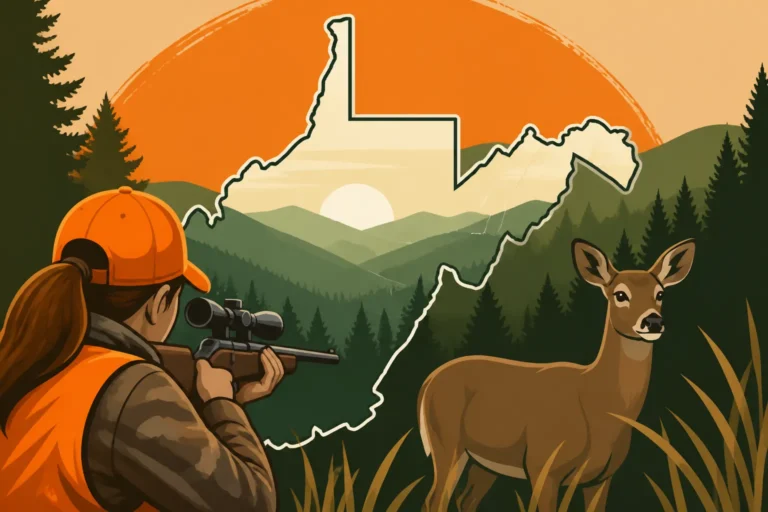
Hunting deer in West Virginia often conjures images of steep, timbered mountains, but for those who chase whitetails in the Eastern Panhandle, the challenge and rewards are distinctly different. The mix of agricultural fields, scattered woodlots, and suburban sprawl presents a unique puzzle for hunters. This guide dives deep into effective strategies for navigating these varied landscapes and finding success with farmland deer.
Understanding the Eastern Panhandle's Unique Deer Habitat
The Eastern Panhandle of West Virginia, encompassing counties like Berkeley, Jefferson, and Morgan, stands apart from much of the state's rugged, forested terrain. Here, sprawling farmlands dominate the landscape, interspersed with residential areas, small timber blocks, and winding creek bottoms. This agricultural abundance creates a deer haven, but also a complex environment for hunters to navigate. Deer in these areas often behave differently than their mountain counterparts, becoming more accustomed to human activity and utilizing cover in unexpected ways.
The Allure of Agricultural Fields
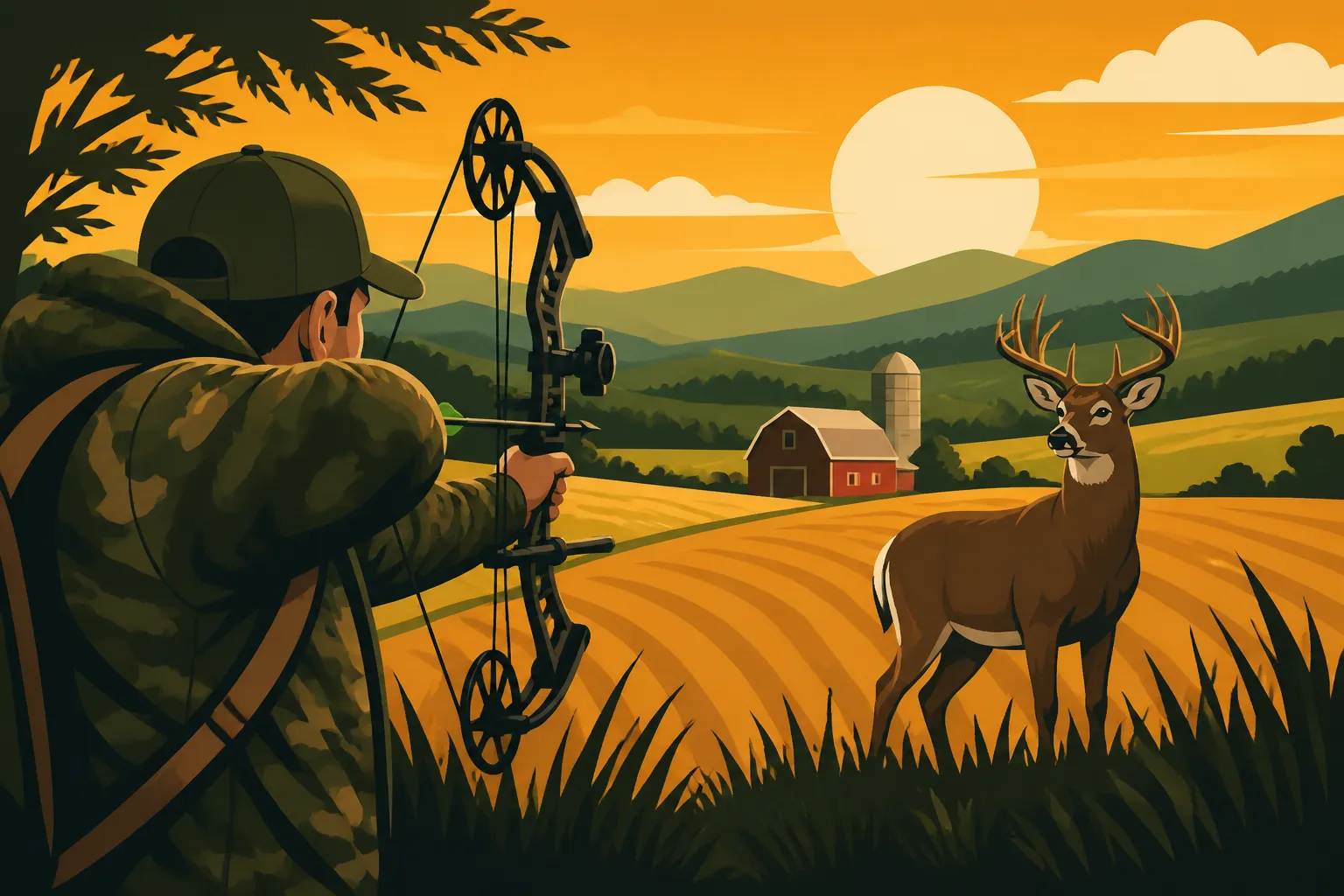
For a whitetail, the Eastern Panhandle is essentially a giant buffet. Corn, soybeans, alfalfa, and winter wheat fields provide an endless supply of high-quality forage, supporting dense deer populations and often leading to larger-bodied, healthier animals with impressive antlers. This consistent food source means deer don't have to travel as far or work as hard to feed, which can concentrate them in specific areas. However, it also means their patterns can shift dramatically as crops mature, are harvested, or new food sources become available. A field that was a deer magnet in early archery season might be barren once the corn is cut.
Navigating these changing food sources requires constant vigilance and adaptability. Deer will often bed in dense cover nearby, only to emerge at dawn and dusk to feed in the fields. Identifying their entry and exit points, as well as the travel corridors they use between bedding and feeding, becomes paramount. Factors like wind direction and human disturbance heavily influence which parts of a field deer will utilize on any given day. You might observe them feeding primarily on one side of a large cornfield if the wind is blowing away from a nearby road, or using a specific finger of woods that offers a concealed approach.
Scattered Woodlots and Creek Bottoms
While large fields define the Eastern Panhandle, the scattered woodlots, thickets, and winding creek bottoms are the arteries and veins of deer movement. These pockets of cover, no matter how small, provide crucial bedding areas, security cover for travel, and secondary food sources like acorns or browse. Deer will often funnel through these narrow strips of timber or utilize the dense vegetation along a creek to move undetected between larger blocks of woods and the open fields. Understanding how deer use these linear features is key to intercepting them.
These seemingly insignificant patches of cover can be absolute hotspots. A small, overgrown woodlot just off a major soybean field might hold several bucks during the day, especially if it offers thick thermal cover or a slight elevation advantage. Creek bottoms, with their consistent water sources and dense brush, are natural travel corridors, providing escape routes and concealment from human eyes. Hunters who overlook these smaller cover features in favor of larger timber blocks often miss prime opportunities. Pay close attention to subtle elevation changes, natural pinch points, and the thickest tangles of multiflora rose or honeysuckle – these are often where the biggest bucks choose to hide.
Scouting Strategies for Farmland Whitetails
Effective scouting is the bedrock of success in the Eastern Panhandle's farmland. You can't just stumble into a field and expect to tag a mature buck. Deer here are often smarter, more pressured, and their routines are heavily influenced by the constant changes in agricultural cycles and human activity. Your scouting needs to be year-round, observant, and utilize a blend of traditional and modern methods.
Utilizing Aerial Maps and Digital Tools
Before you ever set foot on the ground, an immense amount of scouting can be done from your couch using aerial maps and digital tools. Platforms like GoHunt, OnX Hunt, or Google Earth are invaluable for identifying key features. Look for patterns: where do fields meet woodlots? Are there small fingers of timber extending into large fields? Where are the narrowest points between two blocks of cover (potential pinch points)? How do the topo lines indicate subtle elevation changes that might offer bedding advantages or natural travel routes? You can identify potential bedding areas, feeding zones, and the corridors connecting them. This bird's-eye view can help you understand the landscape on a grand scale and formulate a strategic plan before ever disturbing the ground.
Pay close attention to property boundaries shown on these maps, especially when considering Hunting Small Private Tracts in West Virginia. Understanding land ownership is crucial for permission requests and avoiding trespass. Look for secluded corners of fields, draws, and dense cover near residential areas that might offer undisturbed sanctuary. Often, the deer you're after are using these small, overlooked pockets of cover right under everyone's nose. These digital tools also allow you to mark potential stand locations, observe historical aerial imagery for changes in habitat, and even track your own movements once you hit the field, helping you learn the terrain more intimately.
Ground Scouting and Interpreting Sign
Once you have a good understanding from aerial views, it's time to hit the dirt. Ground scouting in the Eastern Panhandle is about confirming your suspicions and finding fresh, actionable sign. Look for heavily used deer trails leading into and out of fields, especially along brushy edges or through creek bottoms. Scrapes and rubs are invaluable indicators of buck activity, particularly as the rut approaches. Pay attention to the size and freshness of these signs. Big rubs on larger trees often signify a mature buck. Fresh tracks, droppings, and feeding sign in crop fields or along their edges tell you where deer are active now.
A crucial aspect of ground scouting here is understanding the rhythm of the deer. Are they hitting fields consistently at first light, or are they waiting until deep twilight? Are they entering from a specific direction based on wind? Sometimes, the most frustrating part is finding great sign, only for it to go stale. This means the deer have moved, or their patterns have shifted. Persistence is key. Don't be afraid to Scouting West Virginia Public Land Before Season thoroughly, even if it’s just a small corner of a WMA. When you find consistent, fresh sign, particularly scrapes along a logging road or deep in a transition zone, you've found a piece of the puzzle.
Trail Camera Strategies
Trail cameras are a game-changer for hunting farmland deer, providing eyes in the woods when you can't be there. For the Eastern Panhandle, strategically placing cameras near field edges, pinch points, and transition zones between bedding and feeding areas is critical. Don't just slap a camera on the first tree; think about what information you want to gather. Are deer using a particular entry point into a standing cornfield? Is a specific thicket holding deer during daylight hours? Do they favor certain types of browse in the woodlots?
Consider running multiple cameras to cover different angles and areas. Cellular cameras, while an investment, can save you from disturbing an area by checking cards frequently. Place them on trails leading to fields, near major rub lines, or overlooking mock scrapes. Pay attention to the time stamps on photos to understand deer movement patterns throughout the day and night. This data will tell you when and where deer are most active, allowing you to fine-tune your stand placement and hunting times. For more tips on camera placement, check out Where to Hang a Camera on a Logging Road. Remember, cameras are a tool to gather information, not just to collect trophy pictures.
Effective Stand Placement and Hunting Tactics
Once you've done your homework and understand the deer's movements, the next step is putting yourself in the right place at the right time. Stand placement in the Eastern Panhandle's farmland is a delicate balance of capitalizing on feeding patterns, utilizing the available cover, and minimizing your impact on wary, often pressured deer.
Field Edge Strategies
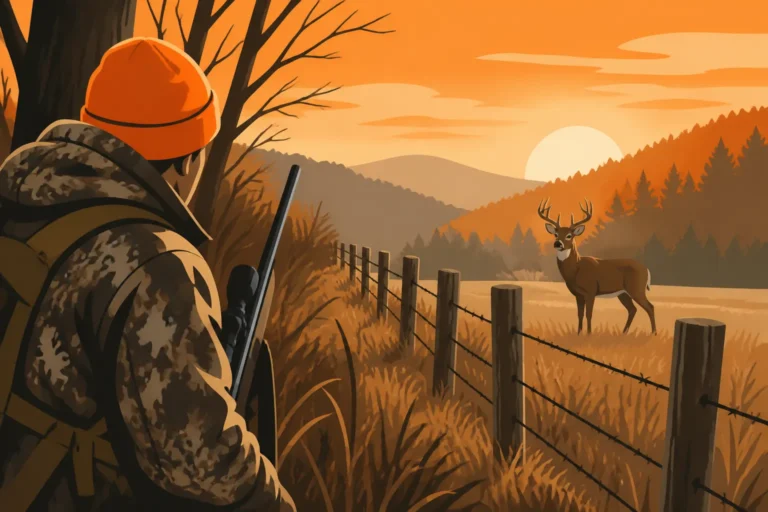
Hunting field edges is a classic tactic for farmland deer, and for good reason. Deer naturally gravitate to the abundant food sources offered by agricultural crops. However, simply sitting on the edge of a field isn't enough; you need to be strategic. Look for corners where two types of cover meet the field, or where a finger of woods extends into the open. These act as natural magnets and provide concealment for deer entering and exiting. When Setting Up on a Potomac Valley Field Edge, consider the prevailing wind direction and how deer will approach. Your entry and exit routes are just as important as the stand itself – you don't want to spook deer on your way in or out.
Often, the best field edge sets are not right on the open perimeter but 20-40 yards inside the timber, overlooking the field. This allows you to catch deer that are staging before entering the field, or cruising along the edge inside the security of the woods. Use natural cover to break up your silhouette. If available, consider using a ground blind brushed into thick cover along the edge. Deer in these areas are often used to seeing machinery, but a hunter in a tree can still stand out. Focus on areas where deer feel most secure making the transition from cover to food.
Funnels and Pinch Points
Funnels and pinch points are natural deer highways, and they are incredibly effective in the fragmented landscape of the Eastern Panhandle. These are areas where the landscape naturally constricts deer movement into a narrower corridor. This could be a strip of timber between two large fields, a fence line that forces deer to cross at a specific point, or a draw that connects two larger woodlots. Even a small ditch or creek crossing can act as a funnel. Identifying these spots on your aerial maps and then confirming them with ground scouting is crucial.
Setting up on a funnel increases your odds because you're forcing deer to come to you, rather than trying to guess their path in a vast open area. Look for dense cover surrounding these funnels, as deer prefer to travel with security. A stand placed slightly downwind of a funnel, allowing you to catch deer as they scent-check before moving through, can be deadly. These locations are particularly effective during the rut, when bucks are actively cruising for does and using established travel routes. Even a narrow strip of timber along a major road can become a significant travel corridor if it's the safest way for deer to move between two larger blocks of woods.
Hunting Transition Zones and Sanctuary Areas
Farmland deer, especially mature bucks, often spend their daylight hours in transition zones and sanctuary areas – places that offer dense cover, security, and a slight remove from intense human activity. A transition zone might be where a young pine plantation meets mature hardwoods, or where a thick briar patch gives way to an open woodlot. These areas often provide thermal cover in cold weather and visual security year-round. They are where deer stage before moving to feeding areas and where they spend their mid-day hours.
Sanctuary areas might be small, overlooked pockets of thick cover near housing developments, steep draws that are difficult for people to access, or dense brush along a creek that provides constant water. Deer learn quickly where they are safe from disturbance. Hunting these spots can be challenging because your access needs to be absolutely silent and scent-free. Sometimes, the best approach is to hunt the edges of these sanctuary areas, catching deer as they enter or leave, rather than pushing directly into them. Knowing Where Monongahela Forest Bucks Bed might seem like mountain advice, but the concept of undisturbed bedding holds true even in the flatter, more broken terrain of the panhandle.
Navigating Hunting Pressure and Access Challenges
One of the biggest realities of hunting the Eastern Panhandle is the omnipresence of human activity and hunting pressure. Unlike vast wilderness areas, you're often hunting near roads, homes, and other hunters. This means deer are more wary, nocturnal, and highly sensitive to intrusion. Success here isn't just about finding deer, but about finding deer that haven't been pushed to the next county.
Securing Private Land Permission
Given the prevalence of private land in the Eastern Panhandle, gaining access to private property is often the golden ticket. Many of the largest deer live on private agricultural ground. This requires legwork, good manners, and a bit of luck. Start by politely Knocking on Doors in Eastern Panhandle Farm Country. Farmers are often dealing with deer damage to their crops, and a respectful hunter offering to help manage the deer population can be a welcome sight. Be prepared to offer references, show proof of insurance, and be clear about your intentions (e.g., archery only, specific days).
Build trust by always following through on your promises, respecting their property as if it were your own, and offering to help with other tasks if appropriate. Showing gratitude, perhaps with a gift of venison after a successful hunt, goes a long way. Many landowners appreciate a hunter who is quiet, discreet, and harvests deer responsibly. Don't be discouraged by initial rejections; persistence and politeness can pay off. Remember, securing private land access isn't just about finding a place to hunt, but about building a relationship.
Hunting Public Lands and WMAs
While private land dominates, there are still valuable public land opportunities in the Eastern Panhandle, though they often come with significant hunting pressure. Wildlife Management Areas (WMAs) like Sleepy Creek WMA, often provide good hunting for deer, but you'll likely encounter other hunters. The key to success on these pressured public lands is to go where others won't. This often means walking further, finding overlooked pockets of cover, or hunting during less popular times. For more on this, consider Hunting Pressure on West Virginia Public Land.
Study maps of these WMAs to identify steep terrain, dense thickets, or areas that are simply a longer walk from parking areas. These less-accessible spots often hold deer that have been pushed out of easier-to-reach areas. Consider hunting mid-week, during inclement weather, or later in the season when many fair-weather hunters have packed up. The deer are there, but they require a hunter willing to work harder and think outside the box to find them. Remember, even a 100-acre WMA can hold a savvy buck if you find its sanctuary.
Avoiding Road Hunters and Suburban Edges
Deer in the Eastern Panhandle are highly aware of human presence, and this includes vehicles and suburban noise. Road hunting is not only illegal in many instances but also highly ineffective for mature bucks, which will quickly learn to avoid areas near roads during daylight. When setting up a stand, always consider your visibility from roads and residential areas. A big buck might cruise a field edge near a subdivision under the cover of darkness, but he'll likely be long gone by first light.
Focus your efforts on areas that offer the most seclusion, even if it's just a small buffer of trees. This means thinking about your access routes. Can you get to your stand without walking past houses or along open roads? Can you use natural terrain features or dense cover to conceal your approach? Minimize noise, scent, and visual disturbance. These deer are often pressured from all sides, and the hunter who can disappear into the landscape has a significant advantage. It's about outsmarting the deer, not out-walking them in open fields.
Timing Your Hunts for Maximum Success
Understanding the seasonal patterns and peak activity times of deer is crucial for any hunter, but it's especially important when hunting the savvy whitetails of the Eastern Panhandle's farmland. Deer behavior is heavily influenced by food availability, breeding cycles, and human pressure, all of which fluctuate throughout the hunting season.
Early Archery Season Strategies
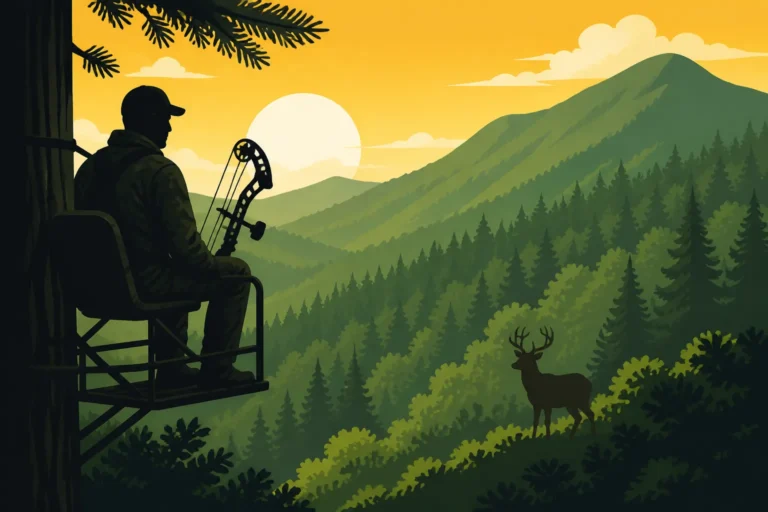
The early archery season, typically starting in late September, presents a unique set of opportunities and challenges in the Eastern Panhandle. Deer are still largely on summer patterns, focused on abundant food sources like standing soybeans, alfalfa, or early maturing corn. They often move consistently, but largely under the cover of darkness, making morning and evening hunts critical. The weather can still be warm, so scent control and quiet entry/exit are paramount.
Focus your early season efforts on pinpointing specific food sources that deer are hammering. This might be a particular corner of a bean field, a small orchard, or even a hidden clover plot. Trail camera intelligence is key here to identify consistent daylight movement. Set up between known bedding areas (thick woodlots, creek bottoms) and these preferred food sources. Be patient, as deer might not move until the last minutes of legal light. Consider using the cooler morning hours to sneak into position before deer return to their bedding areas, as discussed in Entry Routes Through Standing Corn.
Hunting the Rut in Farmland
Ah, the rut! This is arguably the most exciting time to hunt anywhere, and the Eastern Panhandle is no exception. Typically peaking in mid-November, the rut sees bucks actively searching for does, making them more susceptible to daylight movement and less cautious than at other times of the year. While the timing might be similar to other regions, the open nature of farmland can make for some incredible action.
During the peak rut, focus on areas where does congregate, as bucks will inevitably follow. This includes active feeding areas, but also transition corridors between them and bedding cover. Funnels and pinch points become even more crucial, as bucks will often use these to travel efficiently while scent-checking for does. Calling strategies, such as rattling and grunting, can be highly effective during the rut, especially if you see a buck at a distance or suspect one is cruising nearby. A well-executed grunt call can often pull a curious buck out of a thicket or stop him in his tracks. For more information, check out Hunting the Rut in Mid-November. Don't be afraid to sit all day during the rut; big bucks can show up at any hour.
Late-Season Food Source Focus
As West Virginia's deer seasons stretch into December, the landscape of the Eastern Panhandle changes dramatically. Most crops are harvested, leaves have fallen, and colder temperatures become a factor. Deer shift their focus almost entirely to available food sources that provide energy to combat the cold. This often means leftover crop residue, standing winter wheat, or brassicas if planted by a landowner. If natural mast crops like acorns were abundant earlier in the fall, deer might still be hitting them if not completely depleted.
Your late-season strategy should revolve around finding these critical food sources and identifying the thickest, most secluded cover where deer can bed and conserve energy. Often, deer will yard up in large groups around the best available food and security cover. Look for sunny, south-facing slopes in woodlots that offer a break from the wind and absorb solar radiation – deer will often bed here. Late-Season Food Sources for West Virginia Whitetails are paramount. Hunting thick creek bottoms that still hold browse can also be productive. Patience, warm clothing, and a willingness to brave the cold are essential for late-season success.
Conclusion
Hunting the Eastern Panhandle's farmland deer is a unique and rewarding challenge. It demands a different approach than the rugged mountains, requiring a keen understanding of agricultural cycles, deer behavior influenced by human pressure, and strategic use of both traditional and modern scouting methods. By meticulously planning your hunts, respecting private land, and adapting to the dynamic landscape, you can consistently find success and experience some of the best deer hunting West Virginia has to offer. Whether you're chasing a mature buck in a standing cornfield or intercepting a wary doe along a hidden creek bottom, the Eastern Panhandle provides an unforgettable hunting experience.
Disclaimer
The information provided in this article is for educational and informational purposes only and does not constitute professional hunting advice. Always consult the latest West Virginia hunting regulations and ensure compliance with all local, state, and federal laws. Hunting involves inherent risks, and safety should always be your top priority.