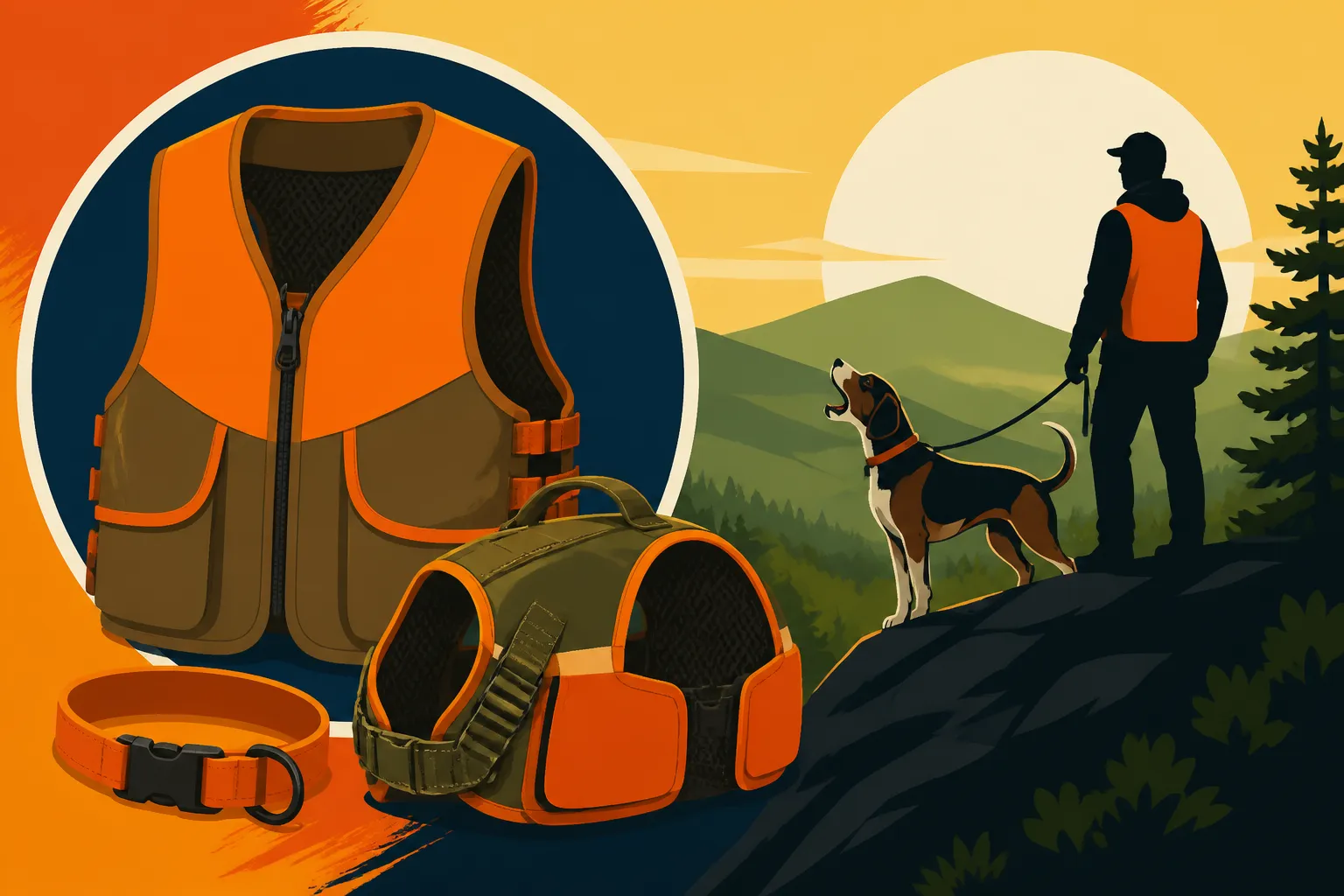
Cut Vests and Gear for Hound Dogs
Hound hunting in West Virginia, whether you're chasing bears up a rugged mountain or trailing raccoons through a dense river bottom, demands a lot from your dogs. They're busting through briar patches, navigating fallen timber, and often encountering sharp rocks or even unforeseen dangers. Without the right protection, your valuable hunting partners are at serious risk of cuts, punctures, and other injuries that can quickly derail a season or lead to heartbreaking consequences. This comprehensive guide will walk you through why cut vests and other essential gear are absolutely non-negotiable for hound dogs working in the Mountain State, and how to choose the best options to keep them safe, comfortable, and effective in the field.
The Indispensable Role of Cut Vests in West Virginia Hound Hunting
Let's be honest, hunting with hounds in West Virginia isn't for the faint of heart, nor is it for under-equipped dogs. The terrain is brutal, and your dogs are going to be in the thick of it, often out of sight, relying solely on their gear and training to stay safe until you can catch up. A cut vest isn't just an accessory; it's a vital piece of personal protective equipment for your canine athlete.
Protecting Against the Mountain State's Hazards
West Virginia's landscape, while beautiful, is fraught with potential hazards for an energetic hound. Imagine your dog, full of adrenaline, plowing through a thick patch of greenbrier or blackberry bushes. Those thorns are no joke, and they can inflict deep lacerations that require immediate veterinary attention. Beyond the vegetation, you've got jagged shale, broken branches, and even old logging debris that can act like razor blades against unprotected skin. A well-designed cut vest creates a robust barrier, minimizing the chance of these common injuries. It allows your dog to focus on the chase, rather than instinctively holding back due to discomfort or fear of being cut, which in turn leads to a more effective and successful hunt. This protection is especially crucial when your hounds are Running Hounds for West Virginia Bears in the rougher parts of the state, where encounters with sharp rocks and dense underbrush are guaranteed.
Consider a scenario where your pack is hot on a bear's trail deep in the Monongahela National Forest. They're baying loudly, pushing through laurel thickets and over rocky outcrops. Without a cut vest, a dog could easily get a deep gash from a sharp rock they scramble over or a hidden, broken branch. Such an injury wouldn't just be painful; it could become infected in the wilderness, require stitches, and put that dog out of commission for weeks, maybe even the rest of the season. The vest acts as that crucial line of defense, absorbing impacts and deflecting sharp objects, turning what could be a serious injury into a minor scratch on the vest itself.
Beyond Just Physical Protection: The Mental Game
It’s not just about avoiding physical wounds; it’s about your dog’s confidence and mental state in the field. A dog that has been repeatedly cut or injured will naturally become more hesitant. They might slow down, avoid pushing through dense cover, or even drop out of the chase altogether. This isn't because they're 'soft,' but because they're responding to negative experiences. A high-quality cut vest instills confidence in your hounds. They know they can go full-throttle, penetrate the densest cover, and push the limits without constantly fearing a painful injury. This confidence translates directly into a more aggressive, determined, and ultimately more effective hunting performance. It frees them up to be the incredible athletes they are, focusing entirely on their quarry.
Think about a dog that's been wearing a reliable cut vest for seasons. That dog doesn't hesitate at the sight of a dense briar patch; they blast through it, knowing their flanks and chest are protected. Contrast this with a dog that's had a bad experience, perhaps a deep puncture wound from a previous hunt where they weren't wearing a vest. That dog might skirt the edges of the cover, trying to find an easier path, losing precious time and potentially the track. The vest isn't just armor; it's a psychological tool that lets your dog unleash its full potential in the challenging environment of West Virginia's backcountry.
The Cost of Neglecting Protection
Some hunters might balk at the price of a quality cut vest, seeing it as an unnecessary expense. However, when you weigh the cost of a good vest against the potential costs of an injured dog, the decision becomes incredibly clear. A single trip to the vet for stitches, antibiotics, or even more serious interventions for a deep puncture or tear can easily run into hundreds, if not thousands, of dollars. Not to mention the emotional toll of seeing your dog in pain and the lost hunting time. A cut vest is an investment in your dog’s health, safety, and your hunting season. It’s preventative medicine that pays dividends by keeping your hounds healthy and on the trail.
Consider the time and effort you've put into training your hounds, whether it's for deer, bear, or coon. These are specialized athletes, and their well-being is paramount. A good cut vest is a small fraction of what you invest in their training, care, and the overall hunting experience. Beyond vet bills, think about the lost opportunity. If your best strike dog is laid up with an injury because they weren't wearing a vest, that's a prime hunting window missed, and potentially a successful hunt forgone. The economic argument, coupled with the ethical responsibility we have to our animals, makes the case for cut vests undeniable for any serious West Virginia hound hunter.
Understanding the Anatomy of a High-Quality Cut Vest
Not all cut vests are created equal, and understanding the components of a well-made vest is key to making an informed decision. A cheap vest might offer minimal protection, quickly degrade, or fit poorly, ultimately failing when it matters most. Investing in a vest with superior construction and materials is paramount for the rugged demands of hunting in places like West Virginia.
Core Materials and Their Strengths
The heart of any cut vest lies in its materials. You'll typically find a combination of durable outer fabrics and internal protective layers. Common outer layers include heavy-duty Cordura or ballistic nylon, chosen for their abrasion resistance and ability to shed water. These provide the first line of defense against scrapes and tears. The real magic, however, happens in the internal layers. High-performance materials like Kevlar (an aramid fiber) are frequently used. Kevlar is incredibly strong for its weight, offering exceptional resistance to cuts and punctures, similar to what you'd find in bulletproof vests. Some vests might also incorporate layers of high-density polyethylene (HDPE) or other proprietary blends that offer stiff, puncture-resistant qualities. Each material has its trade-offs in terms of weight, flexibility, and ultimate protection level, so understanding these differences is crucial for choosing the right vest for your specific hunting style and local terrain.
For example, a vest relying solely on Cordura might protect against light briars and brush, but it won't stand up to a direct impact from a sharp, broken branch or a jagged rock with the same efficacy as a multi-layered Kevlar vest. When your dogs are pushing through dense cover in the Hunting Potomac Highlands Public Land, they're encountering thick rhododendron and greenbrier, which demands the highest level of cut resistance. Therefore, understanding the blend of materials, and not just the outermost layer, is essential.
| Material Type | Primary Benefit | Typical Application | Durability Score (1-5) | Flexibility Score (1-5) |
|---|---|---|---|---|
| Cordura/Ballistic Nylon | Abrasion Resistance | Outer layer, light protection | 3 | 4 |
| Kevlar (Aramid) | Cut/Puncture Resistance | Internal protective layers | 5 | 3 |
| HDPE (High-Density Polyethylene) | Puncture Resistance | Internal plating, stiffening | 4 | 2 |
| PVC-Coated Polyester | Water/Abrasion Resistance | Budget vests, less flexible | 2 | 3 |
| Proprietary Blends | Balanced Protection | High-end vests, optimized for tasks | 4-5 | 3-4 |
Key Design Features for Durability and Function
Beyond the materials, the design of the vest dictates its durability and how well it performs in the field. Look for reinforced stitching, especially at stress points like seams, edges, and where straps attach. Double or triple stitching, often with heavy-duty thread, indicates a vest built to withstand constant abuse. The coverage area is also critical. A good cut vest should protect the dog's chest, flanks, and belly – areas most vulnerable to injury during a chase. Some vests even incorporate extended chest plates or neck guards for added protection. Bright, visible colors, such as blaze orange or yellow, are also important for increasing your dog's visibility in dense cover, especially during seasons when hunters might be afield for other game. Visibility aids in keeping your dog safe from accidental encounters with other hunters.
Think about the relentless movement of a hound. They're jumping, twisting, and scraping against obstacles. If the stitching is weak, or the material is poorly cut, the vest will quickly unravel or tear. Look for vests that offer articulated designs or flexible panels that allow the dog a full range of motion without binding. A vest that restricts movement will not only be uncomfortable but could also impede your dog’s performance and potentially lead to other types of injuries. Furthermore, consider features like reflective strips for Blood Trailing After Dark in West Virginia or when working near roads.
Straps, Buckles, and Hardware: Often Overlooked Details
The hardware used on a cut vest often gets overlooked, but it plays a crucial role in the vest's longevity and your dog's safety. Cheap plastic buckles can become brittle in cold weather or snap under stress when a dog is pulling hard or gets snagged. Look for vests with robust, high-quality buckles, often made from heavy-duty plastic composites or even metal, that can withstand repeated use and harsh conditions. Straps should be wide enough to distribute pressure evenly and prevent chafing, and they should be adjustable to ensure a snug, yet comfortable fit. High-quality Velcro or hook-and-loop closures can also be part of the system, but they should be supplemented with buckles for ultimate security, especially if your dog is working in extremely dense or thorny vegetation where Velcro might get pulled open.
Imagine chasing a coon through a creek bottom in freezing temperatures. If your dog's vest uses flimsy plastic buckles, there's a good chance one could snap when exposed to the cold, leaving your dog vulnerable. Or consider the constant tugging and pulling against briars. If the straps are too narrow, they can cut into your dog's skin, causing discomfort and rubs. A well-designed vest considers all these details, offering durable hardware and thoughtful strap placement to maximize security and comfort, even during the most grueling hunts.
Selecting the Right Vest Material and Construction
The material and construction of a cut vest are the biggest indicators of its performance and durability. Different materials offer varying degrees of protection, weight, and flexibility, so choosing the right one means balancing these factors with the specific demands of your hunting environment in West Virginia.
Cordura and Ballistic Nylon Options
Cordura and ballistic nylon are popular choices for the outer shell of many dog vests, and for good reason. They are extremely durable, highly abrasion-resistant, and often water-resistant. These materials excel at protecting against general scrapes, tears, and minor punctures from brush and thorns. They're relatively lightweight and flexible, allowing dogs a good range of motion. For hunters running dogs in areas with lighter cover or primarily targeting small game where severe lacerations from large animals are less of a concern, a vest primarily featuring heavy-denier Cordura might be sufficient. These vests often come at a more accessible price point as well. However, it's important to understand their limitations. While tough, they may not offer the same level of puncture resistance against truly sharp objects like jagged rocks, broken glass, or the tines of a particularly gnarly fallen branch compared to vests with more advanced internal layers.
Think about hunting Squirrel and Small Game Hunting in West Virginia in relatively open hardwoods. A durable Cordura vest would likely be perfectly adequate for preventing minor scrapes from branches and ground cover. The dogs can move freely, and the vest holds up to repeated abrasion. However, if your dogs are routinely pushing through dense, thorny hawthorns or areas known for sharp shale, you might find that Cordura alone simply isn't enough to prevent deeper cuts, leading you back to the vet more often than you'd like.
Kevlar and Other Aramid Fibers for Superior Resistance
For hunters who demand the absolute best protection, especially for hounds working bear, hogs, or in extremely unforgiving terrain, vests incorporating Kevlar or other aramid fibers are the gold standard. Kevlar is renowned for its incredible strength-to-weight ratio and its exceptional resistance to cuts and punctures. It's the same material used in body armor, and for good reason. These vests are designed to withstand direct impacts and extreme forces, offering a level of security that other materials simply cannot match. While often more expensive and sometimes a bit stiffer than pure nylon vests, the peace of mind they offer is invaluable. The added protection can literally be the difference between a dog walking away unharmed and one suffering a career-ending injury.
Imagine your lead hound making contact with a cornered bear. While no vest can prevent every possible injury, a multi-layered Kevlar vest offers maximum protection against bites and scratches during such a close encounter. Similarly, when navigating treacherous landscapes in the Hunting Cranberry WMA Ridges, where sharp rocks and abrasive surfaces are constant, Kevlar layers ensure that your dog’s vital areas are shielded from severe trauma. Hunters engaged in Hunting West Virginia's Year-Round Feral Hogs will also find the superior puncture resistance of Kevlar indispensable, as hog tusks are notorious for causing horrific injuries.
Hybrid Designs for Balanced Protection and Mobility
Many manufacturers now offer hybrid vest designs that attempt to strike a balance between ultimate protection, weight, flexibility, and cost. These vests might use a heavy-duty Cordura or ballistic nylon outer shell for abrasion resistance, combined with strategic internal layers of Kevlar or HDPE in critical areas like the chest and flanks. This approach allows for excellent protection where it's most needed, while keeping the vest lighter and more flexible in other areas, promoting better mobility and reducing bulk. These hybrid vests can be an excellent compromise for hunters who want significant protection without the full cost or potential rigidity of an all-Kevlar design. The key is to examine the placement and thickness of the protective layers to ensure they cover your dog’s most vulnerable spots effectively.
For instance, a hybrid vest might have heavy Kevlar protection around the chest and belly – areas most likely to encounter sharp objects head-on – but use lighter, more flexible materials over the back to allow for easier movement and heat dissipation. This thoughtful design means your dog can still benefit from superior puncture resistance in the critical zones while maintaining the agility needed to chase game across varied West Virginia terrain. When choosing such a vest, scrutinize the specific areas of reinforcement and make sure they align with the types of hazards your dogs are most likely to face in your typical hunting grounds.
Ensuring a Proper Fit for Comfort and Effectiveness
A cut vest, no matter how well-made or expensive, is useless if it doesn't fit your dog correctly. A poorly fitting vest can cause chafing, restrict movement, or even fall off, leaving your dog exposed. Taking the time to measure your dog properly and adjust the vest for a snug, comfortable fit is just as important as choosing the right materials.
Measuring Your Dog for a Snug, Secure Fit
The first step to a proper fit is accurate measurement. Most manufacturers will provide a sizing chart that correlates specific measurements to their vest sizes. The two most critical measurements are typically your dog's chest girth (the widest part of their rib cage, just behind the front legs) and neck circumference. Some brands might also ask for back length, but chest girth is usually the primary driver for a secure fit around the vital organs. Use a flexible tape measure and ensure your dog is standing relaxed. Don't pull the tape too tight, but make sure it's snug against the fur. If your dog falls between sizes, it's often better to go with the larger size, as you can usually adjust straps down, but you can't add material to a too-small vest. A vest that's too tight will restrict breathing and movement, while one that's too loose will shift around, cause chafing, and won't offer effective protection.
Think of it like buying your own hunting boots. You wouldn't just guess your size, right? The same precision is needed for your dog's vest. An extra five minutes with a tape measure now can save you weeks of discomfort for your dog and a return process for you. If you're unsure, or your dog has an unusual build, many manufacturers or reputable retailers are happy to offer guidance on sizing to ensure you get the best fit from the start.
Adjustability and Freedom of Movement
Once you have the right size, the adjustability of the vest is key to fine-tuning the fit. Most quality cut vests feature multiple adjustable straps, often with buckles and sometimes additional Velcro closures, that allow you to customize how snugly the vest fits around the chest, belly, and sometimes the neck. The goal is a fit that is snug enough to prevent the vest from shifting or snagging, but not so tight that it restricts your dog’s breathing, gait, or natural movement. You should be able to comfortably slide two fingers under the straps at any point. Pay close attention to how the vest sits around the dog's armpits and shoulders – these are common areas for chafing if the fit isn't right or if the vest material bunches up. A dog needs to be able to run, jump, and bend without the vest hindering them.
When your dogs are working on Steep Allegheny Ridges or diving into hollows, their bodies are contorting in all sorts of ways. A vest that binds or rubs will quickly create hot spots and sores, forcing your dog to slow down or even quit. Test the vest on your dog before a hunt. Let them run around, jump, and stretch. Watch for any signs of discomfort or restricted movement. You want them to almost forget they're wearing it, allowing their natural athleticism to shine through without impediment. This balance between security and freedom is what makes a well-designed, properly fitted vest so effective.
Common Fit Issues and How to Avoid Them
There are a few common fit issues that hunters encounter with dog vests, and knowing them can help you troubleshoot or avoid them entirely.
- Too Loose: If the vest hangs low, rotates, or allows your hand to slide easily between the vest and your dog's body, it's too loose. This can lead to snagging on brush, reduced protection, and chafing. Tighten the straps evenly until it's snug.
- Too Tight: If you can't slide two fingers under the straps, or if the vest visibly restricts your dog’s breathing or gait (e.g., shorter strides, hunched posture), it's too tight. This can cause discomfort, skin irritation, and even lead to overheating. Loosen the straps gradually.
- Chafing in Armpits: This is often caused by straps that are too close to the front legs or a vest design that bunches in that area. Ensure the vest allows plenty of clearance, and adjust straps to pull the vest slightly back if possible. Sometimes, a different brand or style of vest might be needed if this persists.
- Impeded Movement: If the vest restricts shoulder articulation or spine flexibility, your dog's performance will suffer. This often comes down to an ill-fitting size or a design that isn't ergonomic for active dogs.
The key is constant vigilance. Always check the fit before each hunt, as a dog's weight can fluctuate, or straps might loosen over time. Inspect your dog after a hunt for any signs of rubbing or irritation. Addressing these issues promptly will ensure your dog remains comfortable and fully protected throughout the season, allowing them to perform their best when Hunting the West Virginia Rut in November or any other demanding season.
Essential Supplemental Gear for West Virginia Hound Dogs
While the cut vest is paramount, it's just one piece of the puzzle for a fully equipped hound dog in West Virginia. Modern technology and thoughtful preparation offer several other tools that can dramatically enhance safety, communication, and overall effectiveness in the field.
GPS Tracking and Communication Devices
In West Virginia's vast and rugged terrain, where cell service can be spotty at best, GPS tracking for your hounds is no longer a luxury—it's a necessity. Dogs often range far and wide, especially when hot on a trail, and losing a dog in deep woods or across property lines is a hunter's worst nightmare. GPS collars, often paired with handheld tracking units, allow you to monitor your dog's location in real-time, see their track history, and even communicate with them through tone or vibration commands on some advanced models. This technology is invaluable for knowing if a dog has gone on private land, if they've come to a bay, or if they're simply on their way back to you. Some systems also offer geo-fencing capabilities, alerting you if a dog crosses a predetermined boundary, which can be a lifesaver when hunting near roads or populated areas. GPS Collars for West Virginia Bear Hounds are particularly important when chasing game that covers vast distances.
Imagine your dogs striking a hot track and disappearing over a ridge in the Monongahela National Forest. Without GPS, you'd be relying purely on their barks and your own knowledge of the terrain to find them. With a GPS collar, you can pull up a map, see exactly where they are, and plan your approach, saving countless hours of fruitless searching and reducing the stress of a potentially lost dog. This technology not only helps you retrieve your dogs but also lets you know if they're in trouble, perhaps treed or bayed up in a dangerous spot, allowing you to react quickly.
First Aid and Emergency Preparedness
Even with the best cut vest, accidents can happen, and having a comprehensive first aid kit specifically for your dogs is crucial. This isn't just a basic kit for humans; it should contain items tailored to canine emergencies. Essential items include sterile gauze pads, self-adhering vet wrap, antiseptic wipes, saline solution for flushing wounds, blunt-tip scissors, tweezers for thorn removal, a wound closure device, styptic powder for bleeding, pain medication (only under vet guidance), and perhaps even a splint. Knowing how to use these items for common injuries like cuts, paw pad lacerations, or sprains can make a huge difference in the field, stabilizing your dog until you can reach a veterinarian. Keeping a local vet's emergency number on hand is also a good practice. First Aid Kits for Remote Highlands Ground should always be part of your pack.
Consider a situation where your dog steps on a sharp rock, despite its protective vest, and gets a deep cut on a paw pad, or maybe gets scratched around the face by a bear. Being able to immediately clean and bandage the wound can prevent infection and reduce blood loss, making the journey out of the woods much safer and more comfortable for your dog. A well-stocked kit is a vital component of responsible hound hunting, ensuring you're prepared for the unexpected challenges that West Virginia's wilderness can throw your way.
Lights, Bells, and Other Safety Add-ons
Beyond protection and tracking, other accessories can significantly enhance your hound dog's safety and your hunting efficiency.
- Bells: A simple bell attached to your dog's collar can be incredibly useful. It helps you keep track of their general location in dense cover, even without GPS, and gives you an auditory cue to their movements. More importantly, it can alert other hunters to your dog's presence, especially in thick brush where visibility is limited, promoting safety.
- Lights: For hunting after dark, such as coon hunting, or for retrieving dogs at dusk or dawn, a durable, waterproof LED light attached to the collar is invaluable. It makes your dog visible from a distance, whether they're treed, coming back to you, or just moving through the woods. Many modern lights are rechargeable and offer multiple settings.
- Visibility Collars/Vests: Even if your cut vest is blaze orange, having an additional high-visibility collar or collar cover can add another layer of safety, particularly if the vest itself gets obscured by mud or heavy brush. These are especially important during gun seasons when West Virginia Blaze Orange Requirements are in effect for human hunters.
These seemingly small additions can have a profound impact on your ability to manage your pack effectively and keep them safe in the diverse and challenging hunting environments found across West Virginia.
Maintenance, Repair, and Longevity of Your Hound Gear
Investing in quality cut vests and dog gear is just the first step. To ensure these critical items perform season after season and truly protect your dogs, proper maintenance, timely repairs, and appropriate storage are absolutely essential. Neglecting these aspects can lead to premature wear, reduced effectiveness, and ultimately, a compromised hunting experience for both you and your hounds.
Routine Cleaning and Inspection
After every hunt, especially if it was a particularly dirty or muddy one, your dog's vest and other gear need a thorough cleaning and inspection. Mud, burrs, blood, and other debris can degrade materials over time, clog zippers, or make buckles stiff. A simple rinse with a hose and gentle scrubbing with a brush can remove most surface grime. For deeper cleaning, follow the manufacturer's instructions; typically, a mild soap and water solution works well. Avoid harsh detergents or bleach, which can damage specialized fabrics like Kevlar.
Beyond cleaning, a detailed inspection is crucial. Look for:
- Frayed stitching: Especially around seams, stress points, and where straps attach.
- Small cuts or tears: Even minor damage can expand over time or compromise the protective layers.
- Damaged buckles or hardware: Check for cracks, stiffness, or signs of weakening.
- Wear on reflective strips or lights: Ensure they are still functioning correctly.
- GPS collar integrity: Check the antenna, battery compartment, and charging ports.
This routine check-up allows you to catch minor issues before they become major problems, ensuring your gear is always ready for the next adventure. This is particularly important when operating in challenging environments like West Virginia where gear is constantly put to the test.
Field Repairs Versus Professional Services
Sometimes, minor damage can occur in the field, and knowing how to make quick repairs can be a season saver. Carrying a small repair kit with heavy-duty thread, needles, some strong adhesive tape (like Tenacious Tape), and maybe a spare buckle can allow you to patch up small tears or re-secure a frayed strap temporarily. For example, if a small seam splits on your cut vest during a hunt, a quick stitch or a patch of tape can prevent it from worsening, allowing your dog to continue safely until the hunt is over.
However, for more significant damage, especially to the core protective layers like Kevlar, professional repair is often necessary. These materials require specialized stitching and patching techniques to maintain their integrity. Attempting a DIY repair on a critical protective layer might compromise its effectiveness, leaving your dog vulnerable. Many vest manufacturers offer repair services, or you can seek out a reputable outdoor gear repair specialist. The cost of a professional repair is almost always less than replacing an entire vest, and certainly less than a vet bill from an injury that a compromised vest failed to prevent. Prompt attention to gear damage ensures that your investment continues to pay off.
Storage for Off-Season Preservation
Proper storage during the off-season is just as important as in-season maintenance. Before storing, ensure all gear is thoroughly cleaned and completely dry to prevent mold, mildew, and fabric degradation. Store vests, collars, and tracking units in a cool, dry place, away from direct sunlight and extreme temperature fluctuations. Hanging vests can help maintain their shape, while GPS collars should have their batteries charged periodically or removed to prevent corrosion.
Avoid simply tossing your gear into a damp shed or garage where rodents might chew on straps or moisture can cause damage. Organized and careful storage will prevent material breakdown, extend the lifespan of your gear, and ensure everything is in top condition when Scouting West Virginia Public Land Before Season begins again. By treating your hound dog's gear with the same care you give your own hunting equipment, you ensure they remain protected and effective, ready to hit the trail whenever the season calls.
Disclaimer
This article is for general informational purposes only and does not constitute professional advice. Laws, prices and regulations vary by location and change over time. Consult a qualified professional for guidance on your specific situation.