Waders for Backwater Hunting
There's nothing quite like the draw of West Virginia's backwaters for hunting. Whether it's those hidden sloughs for waterfowl, a flooded timber pocket where a big buck might be bedded, or simply needing to cross a beaver pond to retrieve a downed animal, wet feet can quickly turn a promising day into a miserable, even dangerous, experience. This guide is all about equipping you with the knowledge to choose and use the right waders, ensuring those soggy, cold misadventures become a thing of the past.
Why Waders Are Non-Negotiable for Backwater Hunting in West Virginia
Our beautiful Mountain State is crisscrossed with rivers, creeks, and countless small drainages that make accessing prime hunting spots a real challenge, especially when they're swollen by rain or snowmelt. Without the right gear, these areas remain frustratingly out of reach, or worse, you risk hypothermia trying to navigate them.
Overcoming Water Obstacles and Accessing Prime Habitat
Think about the sprawling Ohio River bottomlands, where flooded fields and backwater sloughs become prime waterfowl habitat as the migration pushes through. Or perhaps a smaller, less-traveled creek winding through a Monongahela National Forest hollow, which might be the only viable access point to a remote deer stand. These aren't places you can just hop over in regular boots. Waders literally open up new ground. They allow you to cross those small rivers, navigate beaver dams, or push through marshy areas that hold everything from rabbits to Wood Ducks in West Virginia River Bottoms. Without them, you're either going way out of your way, or missing out entirely on some incredible hunting opportunities that others simply can't reach.
Staying Warm and Dry in West Virginia's Variable Conditions
West Virginia weather is notoriously unpredictable. A crisp fall morning can quickly turn into a freezing rain shower, and a mild day can see water temperatures drop significantly in shaded areas or after a cold front. When you're wading, even shallow water can rapidly leach heat from your body if your gear isn't up to par. The primary function of quality waders is to keep you dry, which in turn keeps you warm. This isn't just about comfort; it's about safety. Hypothermia is a serious risk when you're exposed to cold water and air for extended periods, especially in remote areas. Whether you're setting out Decoy Spreads for Ohio River Divers in bone-chilling November or just blood trailing a deer across a flooded creek in December, staying dry is paramount for a safe and enjoyable hunt.
Retriever's Best Friend: Game Recovery and Dog Safety
If you're lucky enough to hunt with a canine companion, especially for waterfowl, you know they're eager to plunge into any water. But what happens when that downed duck lands in a thick cattail marsh, or your deer goes down on the far side of a deep, muddy creek? You can't just send your dog in alone and hope for the best, especially if it's a strong current or particularly icy water. Good waders allow you to follow your dog, assist in recovery, or even carry your dog if the situation demands it. It protects your feet from sharp debris, cold water, and ensures you can reach your quarry or your partner no matter where it lands. For those chilly late-season waterfowl hunts, having the ability to comfortably retrieve birds from icy waters without risking your own well-being is invaluable.
Deciding Between Wader Types for West Virginia's Terrain
When it comes to waders, you'll generally encounter two main material types – neoprene and breathable – and two boot styles – bootfoot and stockingfoot. Each has its distinct advantages and disadvantages depending on the kind of hunting you're doing and the conditions you expect to face in West Virginia.
Neoprene Waders: Warmth for the Coldest Days
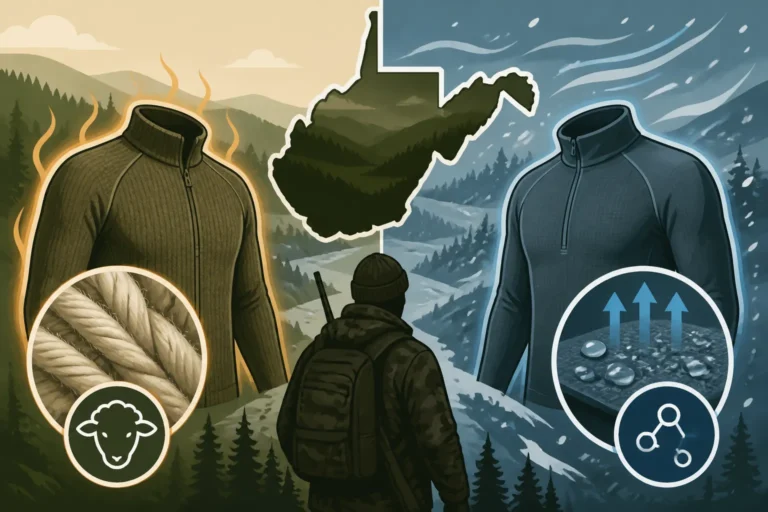
Neoprene waders are probably what most folks picture when they think of hunting waders. They're thick, a bit bulky, and incredibly warm. The neoprene material acts like a wetsuit, providing excellent insulation by trapping a thin layer of water against your skin (though ideally, you're staying completely dry inside, not getting wet!). This makes them absolutely ideal for colder weather and colder water, which we certainly have a lot of in West Virginia from late fall through winter.
You'll find neoprene waders in various thicknesses, typically ranging from 3mm to 5mm. For most West Virginia duck hunting in November and December, especially in the often-frigid waters of our rivers and impoundments, a 5mm pair is going to be your best friend. They're fantastic if you plan on standing still for long periods in cold water, perhaps waiting for West Virginia Waterfowl on the Atlantic Flyway to come screaming into your decoys. The downside? They don't breathe at all. If you have to hike a significant distance to your spot or the weather warms up unexpectedly, you'll find yourself sweating profusely inside, which can then lead to getting cold when you stop moving. This is a common complaint when traversing thick cover to get to a remote beaver pond for a quick hunt.
Breathable Waders: Versatility for Active Hunters
Breathable waders are typically made from multi-layer synthetic fabrics like Gore-Tex or similar proprietary membranes. Their superpower is allowing perspiration vapor to escape while still preventing water from getting in. This makes them far more comfortable for active hunting, where you might be walking, pushing through brush, or even just hunting on a milder day. If you're someone who likes to cover ground, scouting out Hunting Ohio River Valley Bottomland or moving between flooded fields, breathable waders are often the more comfortable choice.
The key to staying warm in breathable waders isn't the wader itself, but rather your layering underneath. You can wear thin layers for warmer weather, or bulk up with thick fleece or wool insulation for colder conditions. This versatility makes them a favorite for hunters who face a wide range of temperatures throughout the season. They are generally lighter and less bulky than neoprene, which is a bonus for long walks. The trade-off is often durability (though modern breathable waders are quite robust) and the upfront cost can be a bit higher. If you tend to hunt from early season all the way through, and don't want multiple pairs of waders, a good breathable pair with adaptable layering might be the most practical option for diverse West Virginia hunting scenarios.
Bootfoot vs. Stockingfoot Waders: The Footwear Dilemma
Once you've settled on your material, you need to think about how your feet will be covered.
Bootfoot Waders come with integrated boots permanently attached to the wader legs. This offers a seamless, waterproof barrier from your chest to your toes. The big advantage here is convenience; you just slip them on, and you're ready to go. There's no separate boot to worry about, no gravel or mud getting into your wader boots, and typically, the boots are insulated, making them excellent for cold-weather waterfowl hunting where you're often standing in water. They're often favored by those who need to get into the field quickly or where minimizing gear is a priority. However, the downside is that the fit of the integrated boot can be a compromise; it might not be as supportive or comfortable for long hikes as dedicated wading boots. If the boots wear out, you're looking at replacing the entire wader, and they can be bulkier to pack.
Stockingfoot Waders are essentially just the wader portion, ending in a neoprene "sock" or bootie. You then wear separate wading boots over these booties. This offers significant advantages in terms of fit, comfort, and versatility. You can choose wading boots that fit your foot perfectly, providing superior ankle support and traction for navigating West Virginia's often rugged, slippery terrain. This is crucial when crossing rocky creek beds or scrambling up muddy banks. If your wading boots wear out, you simply replace the boots, not the entire wader. They also tend to pack down smaller. The main "disadvantage" is the need to purchase separate wading boots, which adds to the initial cost and means more gear to carry. But for serious hunters who prioritize comfort and performance on varied ground, especially if you're mixing wading with significant walking or hiking, stockingfoot waders paired with quality wading boots are often the preferred choice. For hunters frequently navigating slippery river bottoms or Hunting Steep Allegheny Ridges near water, the superior grip of dedicated wading boots can be a game-changer.
Critical Features to Look for in West Virginia Waders
Not all waders are created equal, and some features will make a significant difference in your comfort, safety, and the lifespan of your gear when hunting the challenging landscapes of West Virginia.
Durability and Reinforcement in Key Areas
Let's be honest, West Virginia isn't exactly a manicured park. We've got briars, thickets, sharp rocks, fallen timber, and plenty of other things just waiting to tear a hole in your expensive waders. That's why durability is paramount. Look for waders constructed from tough, abrasion-resistant materials. For breathable waders, this often means higher denier fabrics. Pay close attention to areas that take the most abuse: the knees, the seat, and the shins. Many quality waders will have reinforced panels in these spots, sometimes with a double layer of material or a thicker, more durable fabric.
Think about the scenarios: kneeling in a muddy duck blind, sliding down a slick bank to get to a creek, or pushing through thick laurel to get to your favorite hidden spot. These actions put immense stress on seams and fabric. A torn wader isn't just uncomfortable; it can quickly become dangerous in cold conditions. Investing in waders with robust construction and intelligent reinforcement will save you headaches, cold feet, and money in the long run. When you're spending good money on gear, you want it to stand up to the rigors of our mountain hunting.
Insulation and Layering Options
As we touched on with neoprene versus breathable, insulation is key. If you opt for neoprene waders, consider the thickness based on the typical temperatures you'll be hunting in. For West Virginia's late season, 5mm is a solid choice. If you go with breathable waders, remember that they offer very little inherent warmth. Your insulation comes entirely from your base and mid-layers.
This is where understanding layering becomes critical. You'll want moisture-wicking base layers to pull sweat away from your body, even when it's cold. Then, add insulating layers like fleece pants or even specialized wader pants. The beauty of breathable waders is this adaptability. You can lighten up your layers for a mild October morning when you're wading across a smaller stream to get to a Hunting a Ridge-Top Saddle for Rutting Bucks, and then bulk up for a freezing December duck hunt. Always avoid cotton next to your skin, as it loses its insulating properties when wet. Wool or synthetic blends are your best friends.
Boot Traction and Fit for Slippery Terrain
The sole of your wader boots (or your separate wading boots) might be the most crucial safety feature. West Virginia's river bottoms, creek beds, and muddy banks are often incredibly slick. You need serious traction to maintain your footing and prevent falls. Look for boots with aggressive lug patterns, designed to grip mud, rocks, and slippery submerged logs. Some specialized wading boots might even feature felt soles (though these are often restricted in some areas due to invasive species concerns, so always check WVDNR regulations) or carbide studs for extreme grip on wet rock.
For bootfoot waders, ensure the boot fits comfortably, allowing for thick socks if needed, but without being too loose, which can cause chafing and blisters. For stockingfoot waders, take your time choosing dedicated wading boots. Consider ankle support, as navigating uneven underwater terrain can easily lead to a twisted ankle. A good fit means stability and comfort, which translates to safer, more enjoyable hunting. It’s a huge difference between confidently crossing a rushing stream and gingerly, nervously, trying to shuffle across.
| Wader Type | Pros | Cons | Best For West Virginia Use Case |
|---|---|---|---|
| Neoprene | Excellent warmth, durable, good puncture resistance. | Bulky, poor breathability, can cause overheating during strenuous activity. | Cold-weather waterfowl hunting, stationary stands in frigid water, late-season deer recovery in icy creeks. |
| Breathable | Highly versatile, good breathability, comfortable for active hunting, lightweight. | Requires layering for warmth, generally less puncture resistant than thick neoprene (though still tough). | Active scouting, mixed terrain hunting with water crossings, early-season to mild late-season, deer recovery. |
| Bootfoot | Convenience, integrated insulation, no separate boots needed. | Potentially compromised boot fit/support, entire wader replacement if boot fails, bulky to pack. | Quick access hunts, primarily stationary waterfowling, less hiking involved. |
| Stockingfoot | Superior boot fit/support, adaptable boots, better for hiking, packable. | Requires separate wading boots (added cost/gear), more effort to don/doff. | Rugged terrain, long hikes to water access, varied conditions, prioritizing comfort and ankle support. |
Storage and Accessory Options
Once you're geared up in your waders, you still need a place for your calls, extra shells, a rangefinder, or even a small snack. Look for waders with well-designed pockets. Chest pockets are great for keeping essentials dry and easily accessible. Some waders even feature hand-warmer pockets, which are a godsend on a cold morning. D-rings or attachment points are also useful for hanging lanyards for calls or attaching small tools.
Think about how you usually carry your gear. If you use a vest over your waders, you might not need as many integrated pockets. But for minimalist hunts, having a secure, waterproof pocket for your phone (in a dry bag, naturally) or hunting license can be invaluable. Even when using a scouting tool like GoHunt on your phone, you want to keep that device safe and dry, making accessible, waterproof pockets on your waders a smart feature. A small, well-placed internal pocket can make a huge difference when you're trying to keep essentials from falling into the murky depths.
Maintaining Your Waders for Longevity in West Virginia's Wilds
Waders are an investment, and like any good piece of hunting gear, they require proper care to ensure they perform season after season. Neglecting them will inevitably lead to leaks, discomfort, and premature replacement.
Proper Cleaning and Drying Techniques
After every use, especially if you've been in muddy or murky water, it's crucial to clean your waders. Mud, silt, and organic matter can degrade the fabric and clog breathable membranes over time. The best way to clean them is to rinse them thoroughly with fresh water, both inside and out. Pay extra attention to the boots, ensuring all mud and debris are removed from the treads.
Once clean, the most critical step is proper drying. Hang your waders upside down first to allow the interior to dry completely. This might take a day or two, especially for neoprene. Once the inside is dry, flip them right-side up and ensure the exterior, especially the boots, dries completely. Never store waders while they are damp, even slightly so. This is a sure-fire way to encourage mold and mildew growth, which not only smells terrible but also severely degrades the fabric and seams, leading to leaks. Avoid direct heat sources like fires or radiators for drying, as this can damage the material and tape seams. A well-ventilated area is best.
Storage for Off-Season and Travel
How you store your waders when not in use significantly impacts their lifespan. For the off-season, once they are thoroughly clean and dry, store them in a cool, dark, dry place. Hanging them is usually best, as it prevents creases and folds that can stress the material and seam tape over time. If hanging isn't possible, loosely roll them rather than folding them tightly. Avoid stuffing them into a cramped bag or box where they might get crushed or bent, especially the integrated boots of bootfoot waders.
When traveling, especially if you're driving to hunt Hunting Potomac Highlands Public Land or other distant spots, protect your waders. Don't just toss them in the back of the truck with sharp gear. Use a dedicated wader bag or a large duffel to keep them safe from punctures and tears. This attention to detail ensures that when opening day of waterfowl season rolls around, your waders are ready to go without any unwelcome surprises.
Patching Leaks and Extending Life
Despite your best efforts, leaks happen. A thorn from a blackberry bush, a sharp stick, or simply wear and tear can eventually create a pinhole or a small tear. Don't despair! Most waders are repairable. For neoprene, a simple neoprene repair kit with glue and patches usually does the trick. For breathable waders, you'll want a specific repair kit designed for their multi-layer fabric. These kits often include a sealant or glue that cures into a flexible, waterproof patch.
The trick to patching is often finding the leak in the first place. A common method is to turn the waders inside out, spray them with rubbing alcohol, and look for dark spots where the alcohol soaks in. Another popular method is to fill the waders with water (inside out) and look for drips. Once the leak is found, clean the area thoroughly, let it dry, apply the patch or sealant according to the kit instructions, and allow ample curing time. Being able to patch small leaks yourself can extend the life of your waders by several seasons, keeping you dry and in the field without having to constantly buy new gear.
Disclaimer
This article is for general informational purposes only and does not constitute professional advice. Laws, prices and regulations vary by location and change over time. Consult a qualified professional for guidance on your specific situation.