Dog Vests for Cold Water Retrieves
Hunting with your canine companion in West Virginia is one of life's true joys, but when those crisp fall days turn into bitter winter mornings, and you're staring at icy rivers or frigid lake water, a real concern for your dog's safety and comfort kicks in. Protecting your hunting dog during cold water retrieves is absolutely paramount, ensuring they can perform at their best and stay healthy for many seasons to come. This guide will walk you through why specialized dog vests are essential for cold water retrieves and how to choose the perfect one to keep your loyal partner warm, safe, and ready for action in the Mountain State's challenging environments.
Why Your Hunting Dog Needs a Vest for Cold Water Retrieves in West Virginia
Our hunting dogs are tough, no doubt about it. They're bred for grit and determination. But even the hardiest retriever isn't immune to the brutal realities of West Virginia's winter waterways. From the fast-flowing tributaries of the New River to the broad expanse of the Ohio, or the countless smaller impoundments and beaver ponds, cold water poses significant threats. A quality dog vest isn't just an accessory; it's a vital piece of safety equipment.
Protecting Against Hypothermia in Mountain Waters
Imagine jumping into water that's just a few degrees above freezing, repeatedly, while wearing only a thin coat. That's what your dog faces during a late-season waterfowl hunt. West Virginia's water temperatures can plummet quickly once the air chills down in late fall and winter. Even on a seemingly mild day, river and lake water holds onto the cold, and it can steal your dog's body heat at an alarming rate.
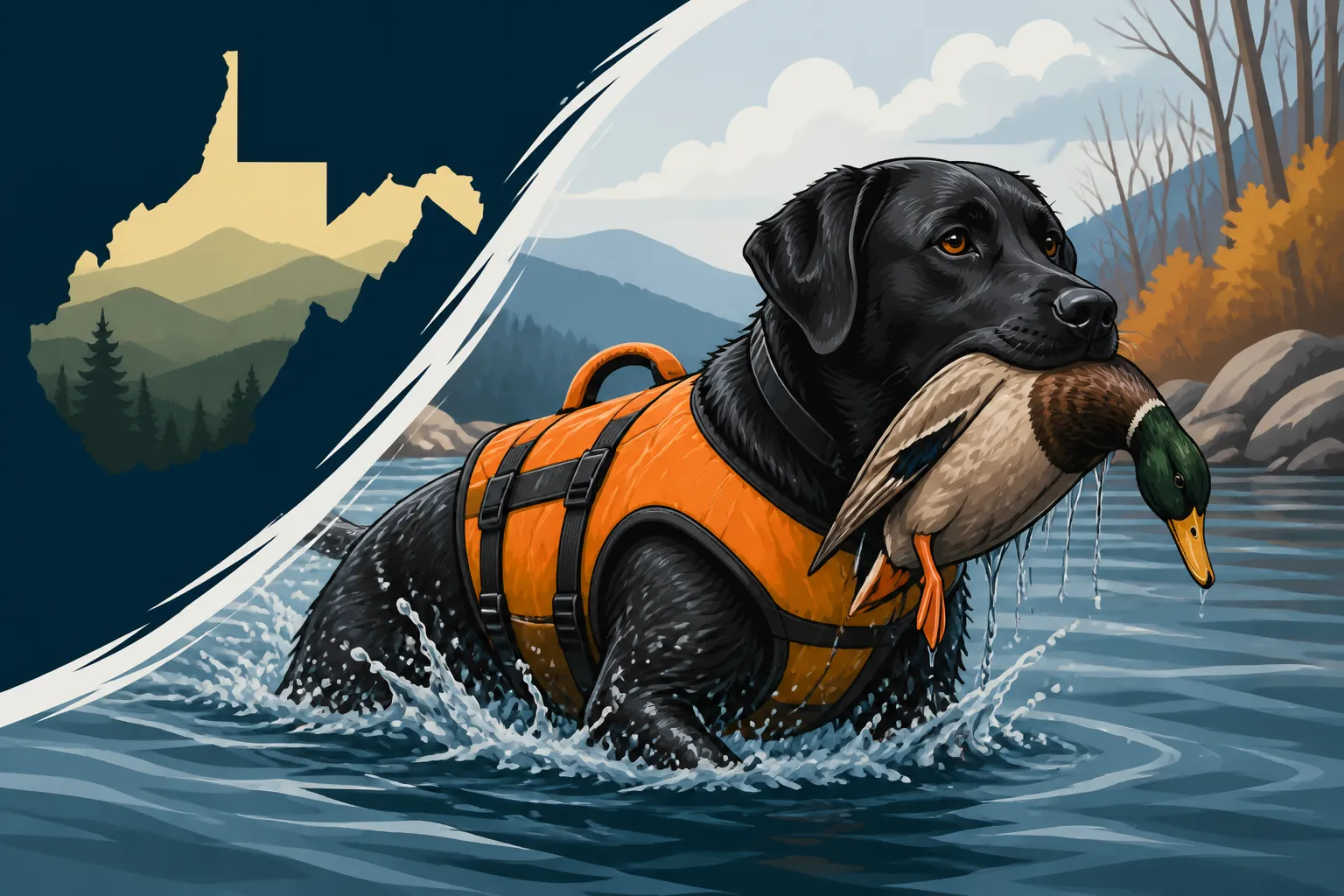
Hypothermia isn't a slow, gentle process. It can set in surprisingly fast, especially if your dog is making multiple retrieves or struggling against currents. Their natural fur coat, while amazing, loses much of its insulating power when saturated with icy water. A good neoprene vest acts like a wetsuit, trapping a thin layer of water against their body which then warms up, providing critical insulation and keeping their core temperature stable. This means more effective retrieves and a much safer experience for your dog, allowing you to focus on the hunt without constant worry about their well-being.
Preventing Abrasions and Punctures from Submerged Hazards
West Virginia's rivers and lakes are wild places, and beneath the surface, there's often a labyrinth of unseen dangers. Submerged logs, jagged rocks, old rebar from forgotten structures, discarded fishing line, or even sharp ice shards in freezing conditions can wreak havoc on a dog's unprotected skin. A simple retrieve can turn into an emergency if your dog suffers a deep cut or puncture wound in the middle of nowhere.
A durable vest provides a crucial protective layer against these hidden hazards. Many vests feature reinforced chest and belly panels, specifically designed to withstand impacts and sharp edges. This physical barrier can prevent nasty injuries that might otherwise sideline your hunting partner for weeks, require costly vet visits, or worse, lead to infections that can become critical in a remote setting. Think about those areas where the river bottom is notoriously rocky, or where fallen trees create snags – a good vest helps your dog navigate these treacherous spots more safely.
Enhancing Buoyancy and Reducing Fatigue
Even strong swimmers can get tired, especially when they're fighting currents, breaking through skim ice, or retrieving heavy birds. A vest with integrated flotation panels significantly enhances your dog's buoyancy. This extra lift allows them to conserve energy, reducing the effort required to stay afloat and swim.
When your dog expends less energy simply staying above water, they have more in the tank for the actual retrieve. This means they can make more trips, cover greater distances, and battle stronger currents without becoming exhausted. Reduced fatigue isn't just about performance; it's about safety. An overly tired dog is a vulnerable dog, more prone to mistakes or succumbing to the cold. Vests help ensure your dog remains strong and agile throughout the entire hunt, from the first splash to the last retrieve of the day.
Key Features to Look for in a Cold Water Dog Vest
Choosing a dog vest isn't just about grabbing the first one you see. There are specific features that make some vests far superior for the challenging conditions you'll encounter while hunting in West Virginia. Just like you carefully select your own gear, your dog's vest deserves the same consideration.
Material and Insulation for West Virginia's Climate
When we talk cold water vests, we're almost always talking about neoprene. It's the gold standard for a reason. Neoprene is the same material used in human wetsuits, and it works by trapping a thin layer of water against the skin. This water quickly warms up to the body temperature, creating an insulating barrier that prevents heat loss. The thickness of the neoprene is critical:
- 3mm neoprene: This is a good all-around choice for milder cold water conditions, perhaps early or late season when temperatures aren't extreme. It offers good flexibility and warmth.
- 5mm neoprene: For the really brutal West Virginia winter days, when water temperatures dip close to freezing or you're breaking ice, 5mm is the way to go. It provides maximum thermal retention, but can be a bit bulkier.
Beyond thickness, consider the quality of the neoprene itself. Higher-quality neoprene will be more flexible, resistant to compression over time (which reduces its insulating properties), and will generally hold up better to repeated use in rough environments. You want a material that dries relatively quickly to prevent prolonged dampness, but more importantly, one that retains its insulating power when wet.
Fit and Adjustability for Optimal Performance
A dog vest is only effective if it fits properly. A vest that's too loose will allow cold water to flush through constantly, negating the insulating effect. It can also chafe or shift during movement, creating discomfort or even tripping your dog. One that's too tight will restrict movement, limit circulation, and cause discomfort, impacting your dog's ability to swim and retrieve efficiently.
Look for vests with multiple points of adjustment, typically around the chest and belly. Strong, durable buckles and straps are essential for a secure fit that won't loosen during vigorous activity. When fitting, you should be able to comfortably slide two fingers under the vest at most points, but it shouldn't sag or bunch up. Take precise measurements of your dog's chest girth and neck circumference, and always consult the manufacturer's sizing chart. Remember, sizes can vary significantly between brands, so don't assume a "large" in one brand is the same as another. A proper fit ensures maximum warmth, protection, and freedom of movement, crucial when navigating terrain like Hunting Ohio River Valley Bottomland.
Durability and Reinforcement for Rugged Use
West Virginia hunting isn't for the faint of heart, and neither should your dog's gear be. Their vest needs to stand up to abuse from brush, brambles, rocks, and constant exposure to water. Look for:
- Reinforced stitching: Especially at seams and around stress points like buckles and handles.
- Heavy-duty zippers or closures: Zippers should be robust and corrosion-resistant. Some vests use hook-and-loop closures or buckle systems, which can be less prone to jamming with mud and debris.
- Tough outer layers: While neoprene is durable, some vests feature additional outer fabrics (like nylon or Cordura) over key areas for enhanced abrasion resistance.
- Chest and belly protection: Extra thick or reinforced panels in these areas are invaluable for protecting against sharp objects on the river bottom or through thick cover.
- Grab handles: A strong, securely attached grab handle on the back of the vest is incredibly useful for helping your dog in and out of boats, over obstacles, or up steep banks. Consider this a crucial safety feature, especially in areas with difficult access.
Investing in a vest that can handle the rough-and-tumble nature of West Virginia hunting means it will last longer and provide reliable protection season after season.
Practical Considerations and Usage Tips for West Virginia Hunters
Even with the best vest, success in cold water retrieves hinges on proper preparation and careful management of your dog. These practical tips will help ensure your dog is comfortable, safe, and effective in West Virginia's chilly hunting conditions.
Training Your Dog to Wear a Vest
Don't wait until opening day of duck season to introduce your dog to a vest. That's a recipe for frustration for both of you. Begin the process gradually and with plenty of positive reinforcement, well before you head out to the blind or the riverbank.
Start by simply letting your dog sniff and investigate the vest. Then, put it on for very short periods, praising them and offering treats. Increase the duration slowly, perhaps during meal times or while they're relaxing around the house. Once they're comfortable wearing it indoors, move to short walks in the yard. Then, introduce it during training retrieves on land, gradually progressing to water retrieves in warmer conditions. The goal is for the vest to become a non-issue, a normal part of their hunting routine, not a strange, restrictive garment. This foundational work will pay dividends when you're facing real hunting scenarios, minimizing distractions and maximizing your dog's performance. Consistent training is key, much like teaching them fundamental obedience skills, and there's a lot of good advice out there on general Dog Training on West Virginia Public Land.
Maintenance and Care in the Field and At Home
Proper care significantly extends the life and effectiveness of your dog's vest. After every hunt, especially those in muddy or icy conditions, take the time to clean it.
- Rinse thoroughly: Use fresh, clean water to rinse off all mud, debris, and any chemicals (like those from stagnant pond water). Pay close attention to zippers and buckles.
- Inspect for damage: Check for any tears, frayed stitching, loose buckles, or signs of wear. Address small issues promptly before they become major problems.
- Air dry completely: Hang the vest in a well-ventilated area, out of direct sunlight, to dry completely before storing. Never store a damp vest, as this can lead to mildew, odor, and degradation of materials.
- Lubricate zippers: If your vest has zippers, a silicone-based lubricant can help keep them running smoothly and prevent corrosion.
In the field, avoid leaving the vest lying in mud or sharp debris. If your dog isn't actively working, consider removing the vest during long breaks to allow their skin to breathe and to prevent overheating on milder days. Proper maintenance ensures your investment lasts and remains a reliable piece of gear for many seasons.
Visibility and Safety Enhancements
When hunting in West Virginia, especially during seasons that overlap with deer hunting or in areas with multiple hunting parties, visibility is paramount for your dog's safety.
- Bright colors: Many dog vests come in camouflage patterns, but often incorporate bright elements like blaze orange, blaze yellow, or bright green. These highly visible colors make your dog easy to spot, even in dense cover or low light conditions. This is especially crucial during periods with Opening Weekend Crowds on West Virginia Public Land when other hunters might be afield.
- Reflective strips: For hunts that extend into dusk or require walking back to the vehicle in the dark, reflective strips on the vest are a lifesaver. They catch light from headlamps or vehicle headlights, making your dog visible from a distance.
- GPS pouch: Some vests include a small pouch designed to hold a GPS tracking collar module, offering an extra layer of security and the ability to locate your dog if they range too far or get disoriented.
These features not only protect your dog from accidental encounters with other hunters but also make it easier for you to keep track of them, enhancing overall safety during your hunting adventures. Always remember that even the most well-trained dog can become lost or wander out of sight in rugged West Virginia terrain.
Choosing the Right Vest and Specific Recommendations
With so many options on the market, narrowing down the best cold water dog vest for your hunting partner can feel a bit overwhelming. Let's break down some final considerations and what you might look for.
Neoprene Thickness and Buoyancy Needs
The choice between a 3mm and 5mm neoprene vest largely depends on the specific conditions you anticipate.
- 3mm Vests: These are excellent for most early to mid-season waterfowl hunts in West Virginia. If you're hunting waters that rarely freeze over, or if your dog has a very thick, insulating coat of its own, a 3mm might be perfectly adequate. They offer more flexibility and often allow for greater freedom of movement, which can be beneficial for dogs that are new to vests or prefer less bulk.
- 5mm Vests: For the true depths of winter, when you're expecting icy water, biting winds, or potentially breaking through skim ice, a 5mm vest is the superior choice. This extra thickness provides maximum thermal protection, a non-negotiable for smaller dogs, short-haired breeds, or any dog that shows signs of chilling quickly. While slightly bulkier, the added warmth and protection outweigh the minor reduction in flexibility for extreme conditions. Consider the specific body of water, too; a deep mountain lake will likely be colder than a shallower river system.
Also, evaluate the buoyancy factor. While all neoprene offers some inherent buoyancy, some vests incorporate additional closed-cell foam panels for enhanced flotation. This can be a game-changer for older dogs, those with joint issues, or dogs retrieving particularly heavy birds in strong currents.
Features for Specific West Virginia Environments
Think about where and how you typically hunt in West Virginia.
- Grab Handles: Absolutely essential for river hunting, especially if you're loading dogs into boats, pulling them up steep banks, or helping them over tricky obstacles. A strong, centrally located handle allows you to assist your dog safely and effectively.
- D-Rings: A robust D-ring on the back of the vest can be useful for attaching a leash when walking between hunting spots. This keeps your dog secure without needing to swap out gear.
- Reinforced Belly Shields: If you're hunting areas with sharp rocks, submerged stumps, or dense, thorny Working River Cane Thickets for Deer where your dog might be belly-crawling, a vest with extra reinforcement on the underside is a wise investment. This protects against punctures and scrapes that can be incredibly painful and dangerous.
- Water Repellent Outer Layers: While neoprene itself is great, some vests feature an additional tough, water-repellent outer layer over the neoprene. This can help shed water more effectively, reducing ice buildup on the vest itself in freezing conditions and protecting the neoprene from snags.
Noteworthy Brands and What They Offer
Many reputable brands specialize in dog hunting gear, and many offer excellent cold water vests. While I can't give you current prices or specific model comparisons, I can highlight general aspects to consider. Brands like Avery, Browning, Drake Waterfowl, and Cabela's (often under their house brands) are well-known in the waterfowl community for their vests. You might also find specialized brands like GoHunt offering performance-focused designs.
When evaluating brands, look at:
- Reputation: Do other hunters in your area or online forums speak highly of their products?
- Warranty/Customer Service: What kind of support does the company offer if you have an issue?
- Range of Sizes: Do they offer a wide array of sizes to ensure a precise fit for your dog, from small Labs to giant Chessies?
- Specific Features: Does a particular brand focus on extreme durability, maximum insulation, or perhaps a lighter, more flexible design? Match these offerings to your primary needs.
It's always a good idea to read reviews from other hunters who have used the vests in similar conditions to West Virginia's. Check their sizing charts carefully and consider trying a vest on your dog in person if possible to ensure the best fit and comfort. Remember, a high-quality vest is an investment in your dog's safety and your shared hunting experiences.
| Feature Area | Best for Cold Water Retrieves | Why It Matters | Considerations for WV Hunting |
|---|---|---|---|
| Material | 5mm Neoprene | Maximum thermal insulation, acts like a wetsuit to retain body heat | Essential for icy rivers, late-season waterfowl, mountain lakes |
| Fit & Adjustability | Snug with adjustable straps | Prevents water flushing, eliminates chafing, ensures freedom of movement | Crucial for active dogs navigating varied terrain and currents |
| Durability | Reinforced stitching, tough panels | Protects against punctures, tears, and snags from underwater debris and brush | Necessary for areas with submerged logs, sharp rocks, thick cover |
| Buoyancy | Integrated flotation panels | Reduces fatigue, helps dog stay afloat with heavy retrieves, conserves energy | Beneficial in strong currents or when retrieving heavy game birds |
| Visibility | Blaze colors & reflective strips | Makes dog easy to spot by you and other hunters, enhances safety in low light | Vital during busy seasons and for walking out after dark |
| Grab Handle | Strong, securely attached | Aids in lifting dog into boats, over obstacles, or up steep banks | Invaluable for river hunting and navigating rugged shorelines |
| Belly Protection | Extra thick/reinforced | Shields against sharp objects on river bottoms, prevents scrapes during crawling | Important in rocky areas or dense underbrush near water's edge |
Disclaimer
This article is for general informational purposes only and does not constitute professional advice. Laws, prices and regulations vary by location and change over time. Consult a qualified professional for guidance on your specific situation.