Hunting Deer After a Cold Front
West Virginia deer hunting tactics explain how temperature drops trigger aggressive feeding and daytime movement in thick evergreen cover.
Close the distance.
Archery, muzzleloader, and firearm techniques — calling, stand placement, still-hunting, spot-and-stalk, and the weapon rules that change at the state line.
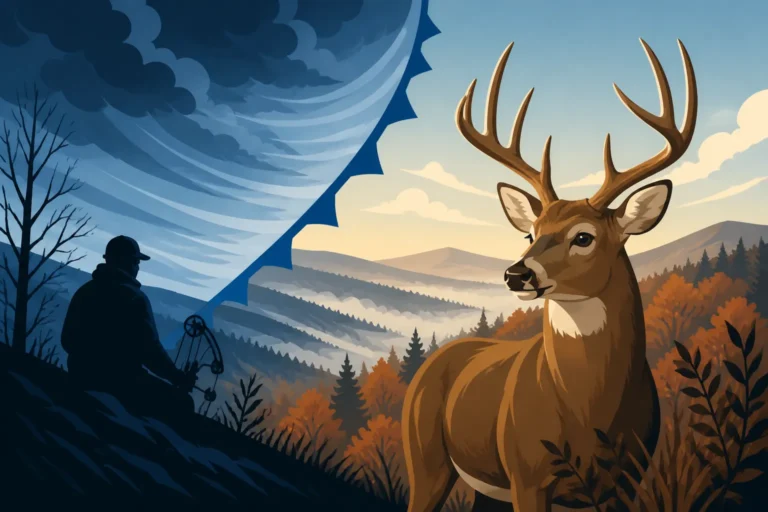
West Virginia deer hunting tactics explain how temperature drops trigger aggressive feeding and daytime movement in thick evergreen cover.

Cold-weather sitting strategies help West Virginia mountain hunters stay warm and focused during late-season deer hunts.
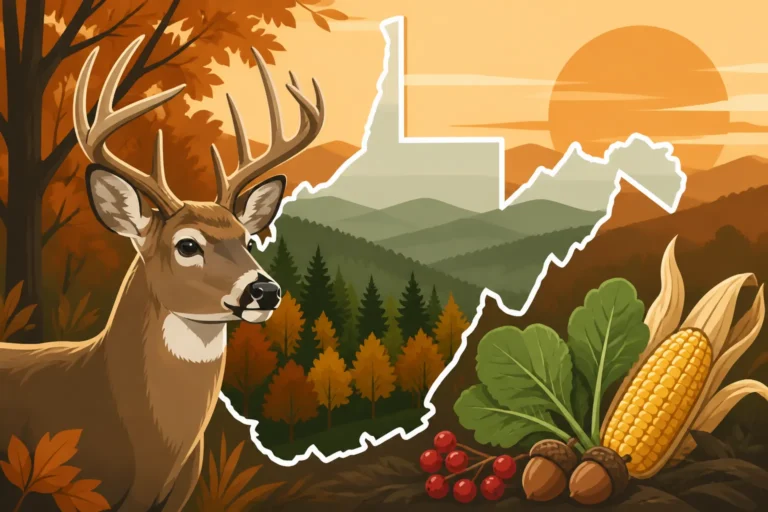
Late-season food sources for West Virginia whitetails include remaining natural forage and agricultural fields that sustain winter deer.
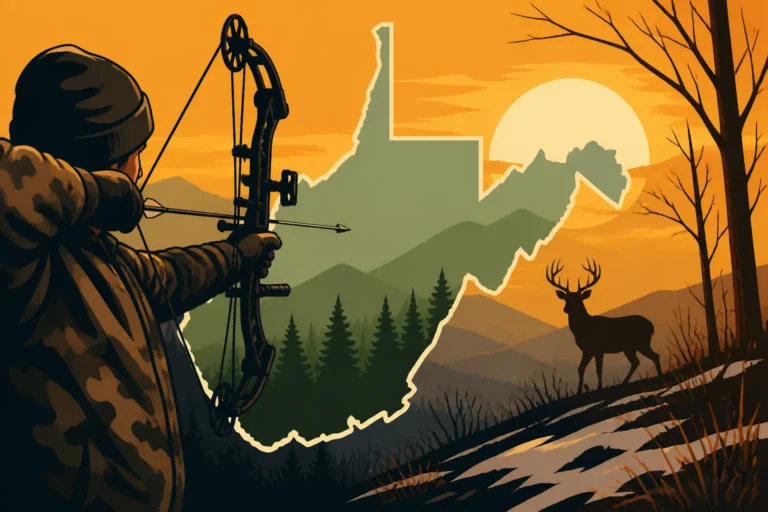
West Virginia late December archery hunting strategies and extended dates help bowhunters successfully pursue wary whitetails.
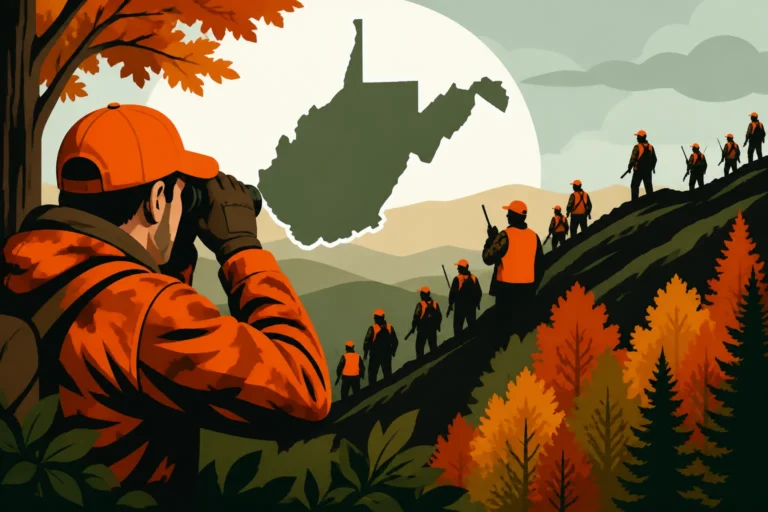
Opening weekend crowds on West Virginia public land challenge deer hunters, but strategies help locate solitude and success.
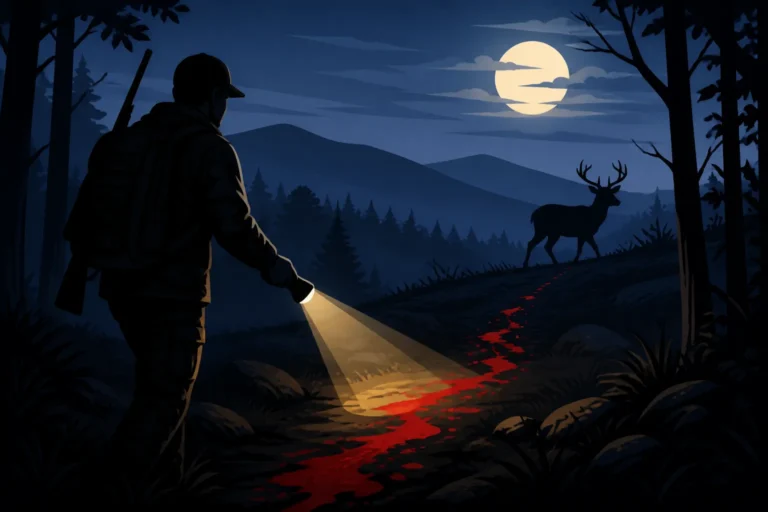
Blood trailing a West Virginia deer at night requires proper waiting periods, headlamps, and markers to recover animals in steep terrain.
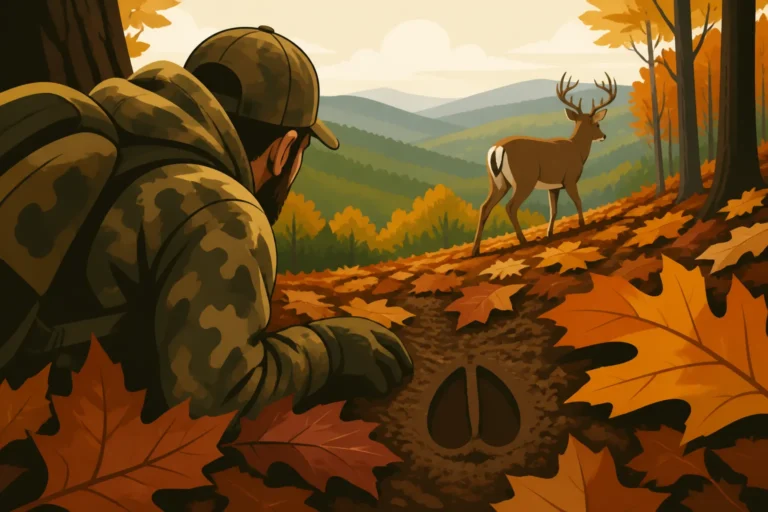
Tracking a wounded deer through thick West Virginia leaf litter requires patient waiting periods and systematic blood trail marking methods.
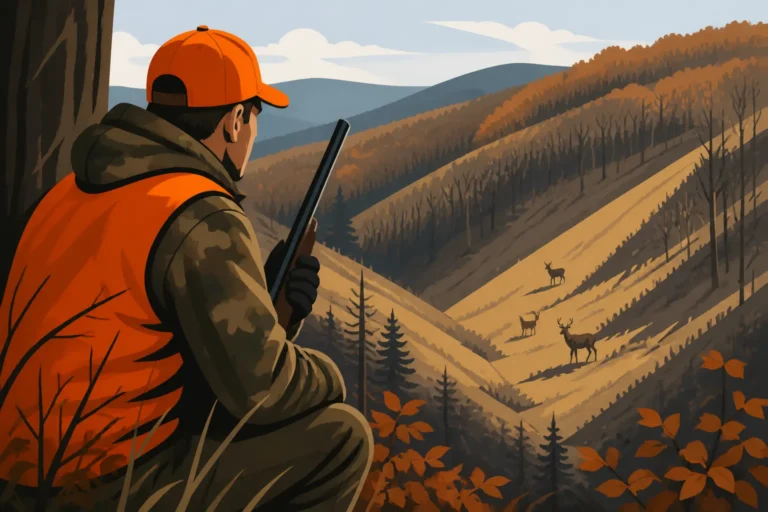
Strategic deer drive strategies for West Virginia steep hollows explain safe posting, terrain challenges, and deer escape tactics.
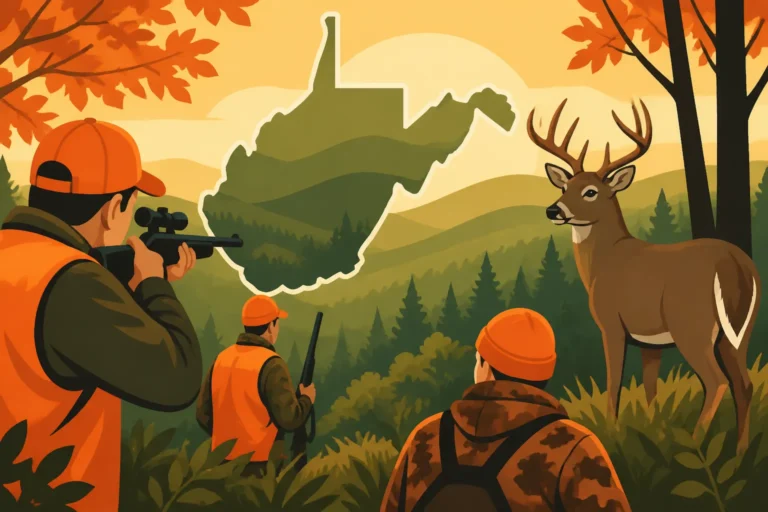
Small West Virginia deer drives using three or four hunters effectively flush whitetails from thick mountain cover and steep hollows.
West Virginia archery regulations and bag limits for deer hunting in Logan, McDowell, Mingo, and Wyoming counties.