Decoy Placement for Pressured West Virginia Birds
Decoy placement strategies for West Virginia help hunters adjust spreads to attract wary wild turkeys and waterfowl on pressured lands.
Close the distance.
Archery, muzzleloader, and firearm techniques — calling, stand placement, still-hunting, spot-and-stalk, and the weapon rules that change at the state line.
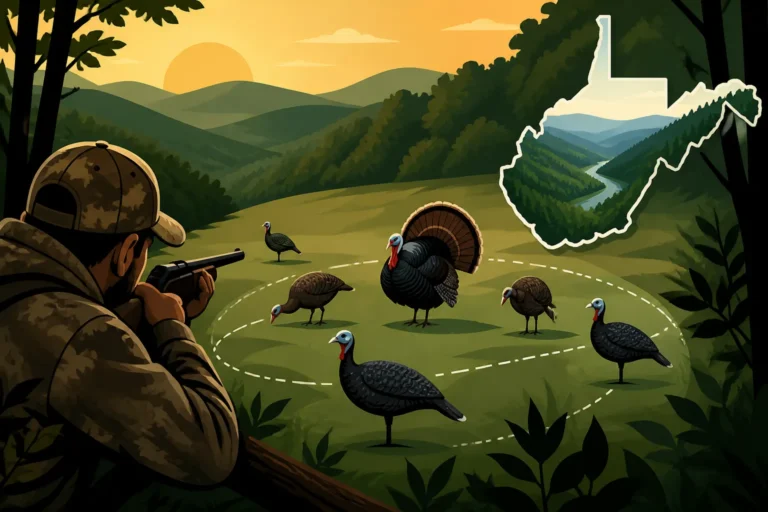
Decoy placement strategies for West Virginia help hunters adjust spreads to attract wary wild turkeys and waterfowl on pressured lands.
West Virginia spring turkey hunting regulations and daily limits help hunters legally harvest two bearded birds during the season.
West Virginia spring turkey behavior shifts in May as breeding ends, leaving surviving gobblers henned up, call shy, and silent.
Eastern Panhandle turkey hunting tactics explain how field edge habits, pinch points, and terrain help hunters bring wary gobblers within range.
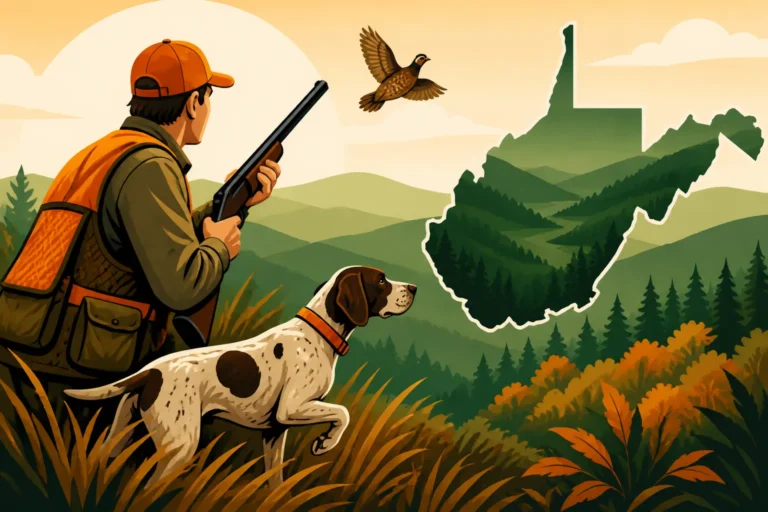
Run-and-gun hunting on West Virginia public land explains how mobile hunters use steep hills, deep hollows, and fresh sign to find deer and turkeys.
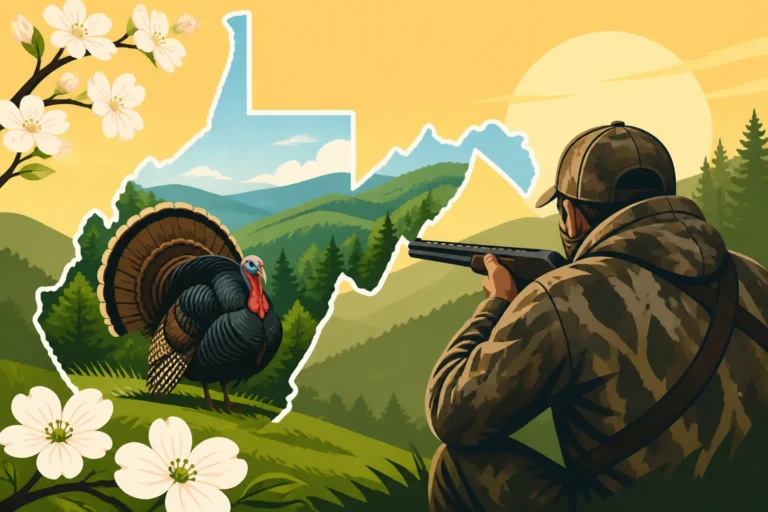
West Virginia spring turkey hunting rules, bag limits of two bearded birds, legal hours until 1 p.m., and April weather impacts.

Hunting big oak trees in West Virginia forests helps hunters understand acorn production cycles and deer travel corridors.
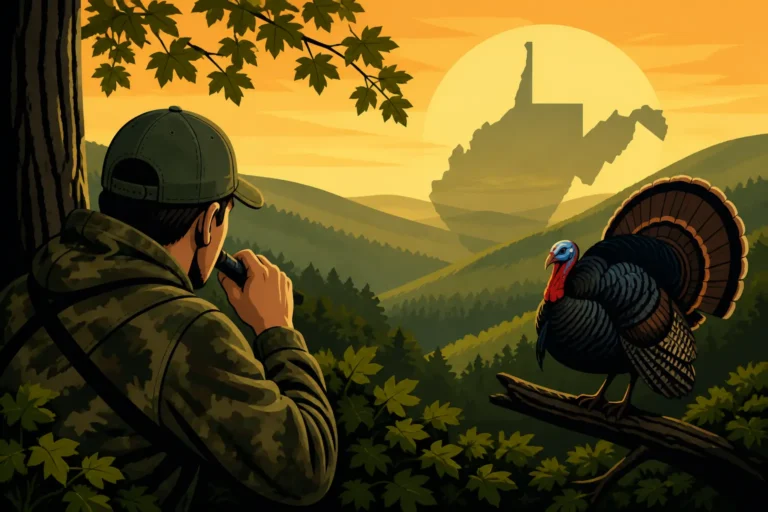
Gobblers stay on the roost for safety and often with hens nearby, which makes henned-up toms the hardest to pull down in West Virginia’s rugged mountains.
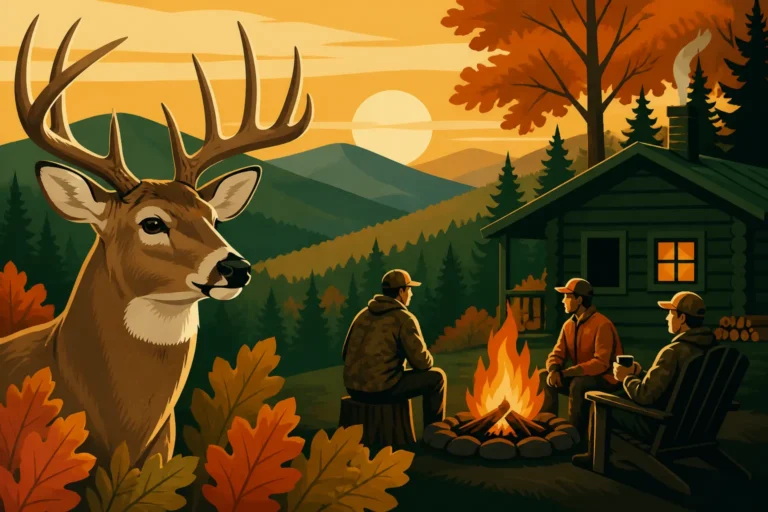
West Virginia deer camp traditions unite families and friends through shared hunting rituals, storytelling, and generational heritage.
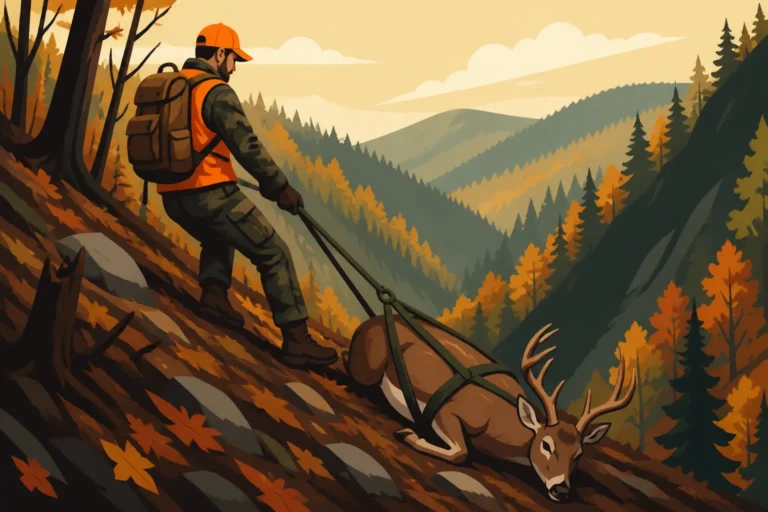
Recovering a deer from a West Virginia hollow requires tracking strategies, shot placement adjustments, and terrain planning.