West Virginia Deer Damage Permit for Farmers
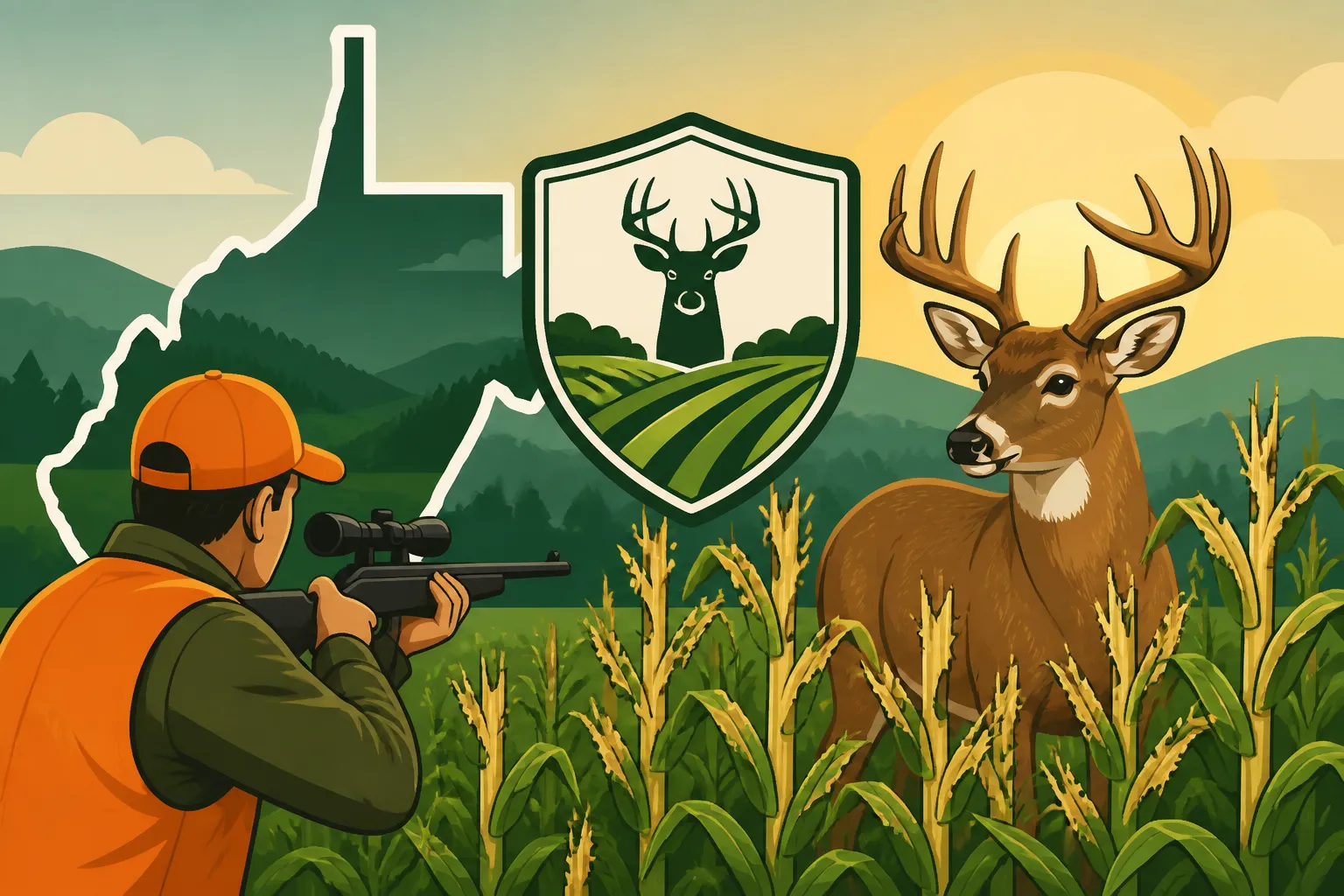
It’s a sight no farmer wants to see: rows of meticulously planted corn, tender young soybean shoots, or a budding apple orchard systematically ravaged overnight. The frustration is real, and the financial toll can be devastating. When white-tailed deer shift from being a beautiful part of West Virginia's wildlife to a significant threat to agricultural livelihoods, it's time to explore specific tools designed to help. This comprehensive guide will walk you through the ins and outs of West Virginia’s deer damage permit process, designed to offer relief to farmers facing significant losses.
When Deer Become a Problem: Understanding Damage Permits
For many of us who hunt or simply appreciate West Virginia's abundant wildlife, deer are a cherished symbol of our wild, wonderful state. But for farmers, a burgeoning deer population can quickly turn into an economic nightmare. We're not talking about a deer nibbling on a few leaves; we're talking about widespread destruction of crops, orchards, and even commercial timber plantings that represent a season's worth of hard work and investment.
What Constitutes "Damage" Requiring Intervention?
The West Virginia Division of Natural Resources (WVDNR) recognizes that deer populations, while healthy in many areas, can become overabundant in others, leading to significant agricultural damage. When a farmer reports "deer damage," they're typically referring to visible, measurable losses to their commercial agricultural products. This can include anything from corn and soybean fields being stripped bare, to fruit trees being defoliated or girdled, to ornamental shrubs and nursery stock being destroyed. Sometimes, it's even damage to fencing or property infrastructure as deer push through in search of food. The key is that the damage must be substantial enough to warrant intervention beyond what regular hunting seasons can address. It’s a mechanism to help manage local populations that are causing specific and verifiable economic hardship. You can learn more about the broader West Virginia Deer Population Estimate to understand the scale of deer presence across the state.
Why Special Permits Are Necessary Beyond Regular Seasons
Our regular hunting seasons, like West Virginia's Buck Gun Season or Bowhunting West Virginia's Long Archery Season, are incredibly effective at managing deer populations statewide. They provide a vital function in balancing herd health with ecological carrying capacity. However, these seasons often have specific dates, weapon restrictions, and bag limits that might not align with the immediate and ongoing nature of agricultural damage. For instance, a farmer might be experiencing heavy crop damage in late summer, long before archery season even opens, or the damage might continue through periods when regular hunting pressure isn't sufficient to deter a persistent local herd. Deer damage permits, often called depredation permits, fill this crucial gap. They allow for targeted removal of deer outside of standard seasons or with different methods, specifically on the damaged property, to alleviate current and prevent future economic losses. These permits aren't a free-for-all; they are a carefully managed tool with strict guidelines to ensure they serve their intended purpose without undermining the state's overall deer management strategy.
Navigating the Application Process: Getting Your Deer Damage Permit
When you're a farmer watching your livelihood disappear one bite at a time, the thought of navigating government paperwork can feel overwhelming. But I promise, the WVDNR has a process in place to help, and it’s designed to be as straightforward as possible given the complexities of wildlife management. It starts with a conversation and a clear assessment of the problem.
Initial Contact and Damage Assessment
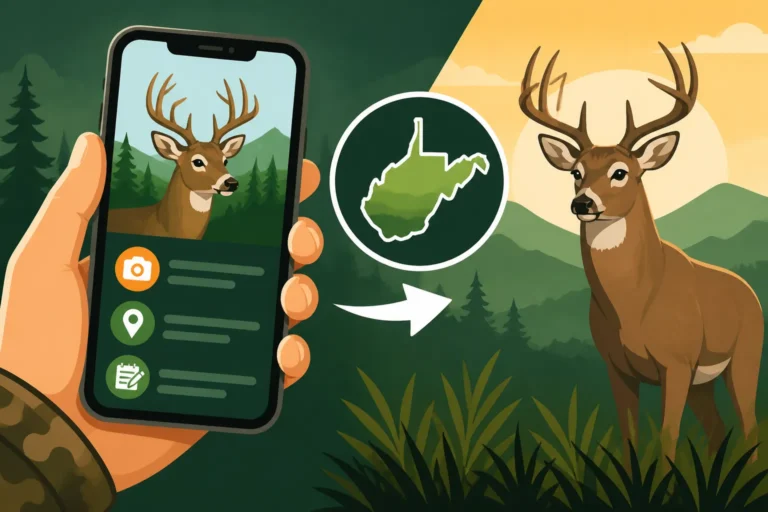
The very first step for any West Virginia farmer experiencing significant deer damage is to contact their local WVDNR district office. This isn't just a formality; it's a critical part of the process where a wildlife biologist or conservation officer will come to your property to personally assess the damage. They need to see, firsthand, the extent of the problem. They’ll look at the type of crops affected, the amount of destruction, and any other evidence of deer presence. This assessment helps them determine if a deer damage permit is indeed the appropriate solution. It's their job to verify that the damage is directly attributable to deer and is severe enough to warrant the permit. During this assessment, you might even find it useful to show them any observations you’ve logged using a mapping and scouting tool like GoHunt, which can track deer sign and damage patterns over time on your specific fields.
Understanding Eligibility: Who Qualifies for a Permit?
Generally, these permits are issued to bona fide farmers or landowners who are actively engaged in commercial agriculture, horticulture, or forestry, and can demonstrate significant economic loss due to deer depredation. It’s not for someone whose garden tomatoes got munched, but rather for those whose income or livelihood is directly impacted. The WVDNR looks at the scale of your operation and the monetary value of the damage incurred. They also consider if you've already tried other non-lethal deterrents or if regular hunting seasons have failed to adequately reduce the problem on your property. This ensures that the permits are reserved for situations where they are truly necessary and effective. These permits are distinct from general West Virginia Landowner Deer Permit Rules, which allow landowners to hunt deer on their own property under standard season regulations, though both aim to manage deer populations.
The Application and Issuance Process
Once the WVDNR determines that a damage permit is warranted, they will guide you through the application. The application will require details about your property, the type of damage, and the estimated economic loss. The WVDNR will then issue specific permits outlining the conditions under which deer can be removed. These conditions are critical and vary depending on the severity and nature of the problem. For instance, the permit will specify:
- Number of deer: A maximum number of deer that can be harvested.
- Timeframe: The specific dates during which the permit is valid. This might be a few weeks or even several months, focusing on the period when damage is most severe.
- Weapon type: Sometimes certain weapons are allowed outside of typical seasons, or specific calibers are recommended.
- Harvest requirements: Often, these permits stipulate that antlerless deer are to be prioritized, as they are the primary drivers of population growth.
- Reporting: Strict reporting requirements for every deer taken.
It’s essential to adhere to all conditions of the permit meticulously. Any deviation could result in severe penalties, as outlined in West Virginia Wildlife Violation Penalties.
Rules of Engagement: Operating Under a Deer Damage Permit
Receiving a deer damage permit isn't a carte blanche to eliminate every deer you see. It comes with clear responsibilities and regulations designed to ensure ethical hunting practices and effective wildlife management. Understanding these rules is paramount to using the permit correctly and avoiding legal issues.
Specific Season Dates and Weapon Restrictions
Unlike the general West Virginia Deer Season Structure Explained, deer damage permits often operate outside of these traditional frameworks. The permit will specify the exact dates when you are authorized to remove deer. This could be in summer, early fall, or even late winter when deer are congregating. Similarly, the type of weapon allowed might also be specified. While a rifle is generally common, in some cases, other methods like archery or even muzzleloaders could be authorized, depending on the location and specific permit conditions. It's crucial to confirm these details directly on your issued permit before any hunting activity begins. Don't assume anything; always double-check.
Harvest Quotas, Reporting, and Carcass Disposal
Every deer damage permit will have a strict quota on the number of deer that can be harvested. This quota is directly related to the assessed damage and is not to be exceeded. For each deer taken under the permit, immediate reporting is mandatory. This is often done through the WVDNR's electronic system, similar to how you would go about Reporting a Deer Through West Virginia's App during regular seasons. The permit will dictate the reporting deadline, usually within 24-48 hours of the kill. Accurate reporting is vital for the WVDNR to monitor the effectiveness of the permit and to collect important data on deer populations.
Regarding carcass disposal, this is an aspect that hunters often overlook but is critical under these permits. You might be allowed to keep the venison for personal consumption, or there might be specific instructions, especially if your property is located within one of West Virginia's Chronic Wasting Disease Counties. In CWD areas, special rules apply to the movement and disposal of deer carcasses to prevent the spread of the disease. Always check your permit for these details, and if unsure, contact the WVDNR for guidance. This information is vital, as improper disposal can have serious ecological and legal repercussions.
Table: Key Differences Between Regular Season and Deer Damage Permits
To give you a clearer picture, here’s a quick overview of how deer damage permits differ from typical hunting regulations:
| Feature | Regular Hunting Season | Deer Damage Permit (Depredation) |
|---|---|---|
| Purpose | Recreation, population management, food | Crop/property damage mitigation, economic relief |
| Eligibility | Licensed hunter | Bona fide farmer/landowner with verified damage |
| Season Dates | Fixed, statewide/county-specific dates | Specific dates outlined on permit, can be year-round |
| Weapon Types | Regulated by season (archery, gun, muzzleloader) | Specified on permit, may vary |
| Bag Limit | Statewide/county limits, often antler restrictions | Specific number on permit, often antlerless-focused |
| Location | Public & private land (with permission) | Only on the specific damaged property |
| Reporting | Mandatory check-in (online/app) | Mandatory, often within 24-48 hours, as per permit |
| Carcass Rules | General rules, CWD zones apply | Specific rules on permit, especially for CWD areas |
| WVDNR Involvement | General oversight, enforcement | Direct assessment, issuance, and monitoring |
Remember, the goal of these permits is not to provide extra hunting opportunity, but to mitigate significant damage.
Long-Term Strategies: Beyond the Permit for Sustainable Coexistence
While deer damage permits offer immediate relief, they are often a temporary solution. For lasting peace between your agricultural endeavors and West Virginia's deer population, a multi-faceted approach incorporating both reactive and proactive measures is usually most effective. Thinking beyond just the immediate kill can save you a lot of headache and money in the long run.
Fencing, Repellents, and Habitat Modification
One of the most effective long-term solutions, albeit sometimes costly, is physical exclusion. Properly constructed fencing can be incredibly effective at keeping deer out of high-value crops or orchards. This could range from simple electric fences to more robust high-tensile deer fencing, depending on the scale and intensity of the damage. While the initial investment can be significant, many farmers find the long-term protection it offers well worth it.
Chemical repellents can also play a role, especially for less extensive damage or specific plant types. These typically work by making plants unpalatable or emitting odors that deer avoid. Their effectiveness can vary, however, and they often require reapplication after rain or over time.
Habitat modification on your property can also influence deer behavior. While you want to provide for wildlife, sometimes strategically removing cover adjacent to vulnerable fields or planting less palatable buffer crops can reduce the attractiveness of your core farming areas. Conversely, planting alternative food sources away from your primary crops might draw deer elsewhere. It’s about understanding deer movement and feeding patterns, which can be tracked and analyzed using advanced mapping features in tools like GoHunt. You can also glean insights from topics like Reading a Ridge for Eastern Panhandle Deer to anticipate deer movement patterns.
Integrating Damage Control with Regular Hunting Seasons
Deer damage permits should ideally be viewed as a supplement to, rather than a replacement for, robust hunting pressure during regular seasons. Encourage more hunters to access your property during established archery, gun, and muzzleloader seasons. Consider participating in special antlerless deer seasons or extending hunting opportunities on your land to qualified individuals. The West Virginia License Year Start Date aligns with hunting seasons, offering ample opportunity for hunters to participate. Often, a healthy, consistent harvest of antlerless deer is the best long-term strategy for managing localized overpopulation. By reducing the overall number of deer, especially does, you reduce the reproductive potential and thus the population's ability to bounce back quickly and cause more damage. This is a crucial aspect of overall White-Tailed Deer Across West Virginia management.
Collaborating with Neighbors and WVDNR for Regional Management
Deer don't recognize property lines, so a truly effective long-term strategy often involves working with your neighbors. If multiple landowners in an area are experiencing deer damage, a coordinated effort to manage the local deer population can be far more effective than individual actions. This might involve sharing information, coordinating hunting efforts, or even pooling resources for large-scale deterrents.
Furthermore, maintain an open line of communication with the WVDNR. They are your partners in this. They can offer advice, connect you with resources, and help you understand the broader deer management goals for your specific region, especially concerning issues like Chronic Wasting Disease in West Virginia Deer. Staying informed and proactive is key to ensuring that West Virginia's deer remain a valued resource without becoming an unbearable burden on its agricultural community.
Disclaimer
The information provided in this guide is for general informational purposes only and does not constitute legal advice. Hunting regulations and permit requirements can change. Always consult the most current West Virginia Division of Natural Resources (WVDNR) regulations and directly contact your local WVDNR office for specific guidance regarding deer damage permits and current hunting laws.