Moving a Deer Carcass Out of the Containment Area
There's nothing quite like the feeling of harvesting a deer after a long hunt in West Virginia, but in certain parts of our beautiful state, a successful hunt can quickly turn complicated when you realize you're in a Chronic Wasting Disease (CWD) containment area. The rules about moving your deer carcass can be confusing, frustrating, and honestly, a bit intimidating, especially when you're tired and excited. This guide is here to cut through the noise, helping you understand exactly what you can and cannot do when it comes to taking your harvested deer out of a CWD zone, ensuring you stay legal and responsible.
Understanding West Virginia's CWD Containment Zones
It's a tough pill to swallow when you realize the landscape of deer hunting is changing, but Chronic Wasting Disease is a serious threat that requires us to adapt. The rules aren't designed to make our lives harder, but to protect the health of our wild deer herd, and ultimately, our hunting heritage. Navigating these regulations, especially when you've put in the hard work and are ready to head home with your venison, can feel like another hurdle after a challenging hunt.
What Exactly is a CWD Containment Area?
A CWD Containment Area isn't just a casual boundary; it's a designated geographic region where the West Virginia Division of Natural Resources (WVDNR) has confirmed the presence of Chronic Wasting Disease in the deer population. Think of it as a specific perimeter drawn around an affected area, where special rules apply to hunters and the deer they harvest. The primary goal of these zones is to prevent the further spread of CWD by limiting the movement of potentially infected carcass parts. It's a critical management strategy, even if it adds layers of complexity to our hunting trips. These areas are continually monitored, and regulations can be updated, so staying current is key.
These containment zones are often established after extensive monitoring and testing reveal CWD within certain counties. For example, Why Hampshire County Became West Virginia's CWD Ground Zero explains how the initial detection in Hampshire County led to the creation of the first containment area. The WVDNR uses scientific data, including monitoring harvest numbers and conducting targeted surveillance, to determine these boundaries. It's a dynamic situation, and what was true last season might not be this season, so vigilance is important for all hunters in and around these areas. The restrictions within these zones are a direct response to the unique challenge CWD presents, aiming to safeguard both local and statewide deer populations.
Identifying the Current CWD Counties
Knowing which counties are currently designated as CWD containment areas is paramount before you even step foot in the woods. These aren't always static lines on a map; they can expand or shift based on new detections. Currently, the core CWD containment area includes counties like Hampshire, Hardy, Mineral, Morgan, Berkeley, and Grant. These counties have specific regulations that differ from the rest of the state. It's not uncommon to find yourself hunting close to these borders, which makes knowing the exact lines even more crucial.
The absolute best way to stay informed is to check the official WVDNR website before every hunting season. They provide up-to-date maps and detailed explanations of the regulations. Many hunters also find platforms like GoHunt useful for overlaying property lines and county boundaries on their maps, which can help visualize where these CWD zones begin and end. Imagine you're hunting just a mile from the border of Berkeley County CWD Zone Public Ground; you need to be absolutely certain you know which side of the line you're on to comply with the rules regarding West Virginia CWD Testing for Hunters and carcass movement. Trust me, the last thing you want is a surprise when you're heading home.
The Core Rules for Carcass Movement
This is where the rubber meets the road, and often, where the most confusion and frustration sets in. You've worked hard, you've ethically harvested your deer, and now you want to take it home. But if you're in a CWD containment area, it's not as simple as throwing it in the truck. These rules are non-negotiable, and understanding them prevents potential fines and the even greater risk of spreading CWD.
Whole Carcass Transport is Prohibited
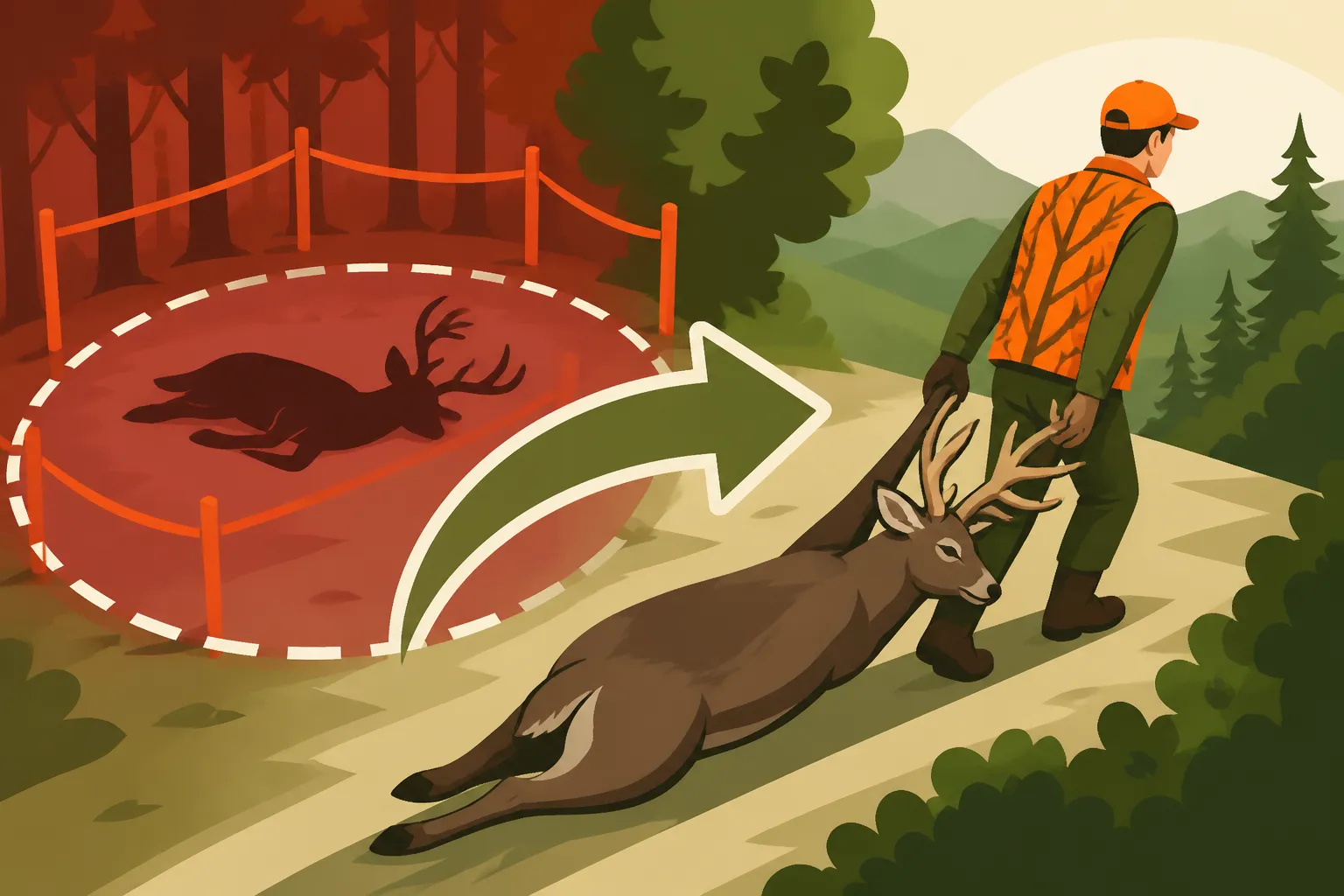
Let's be crystal clear: you absolutely cannot transport a whole deer carcass out of a West Virginia CWD containment area. This is the single most important rule to remember. The brain, spinal cord, and certain lymph nodes are where the CWD prions are most concentrated, and the goal is to keep these parts within the containment area to minimize the risk of spread. I know, it's a huge adjustment, especially for those of us who've always just loaded up our deer and taken it home to process in our own garage or at a local butcher. This prohibition means you must plan to either process your deer completely within the CWD zone or remove specific high-risk parts before crossing any boundaries.
This rule can be a real headache, particularly if you're traveling a long distance or if your processing facilities are outside the zone. It requires a mental shift and practical preparation. You can't just throw the deer on your truck rack in Hampshire County Public Hunting Ground and drive it to another county if that county isn't also in the CWD zone. The WVDNR has set up these regulations to protect the integrity of the state's deer population, and while it's inconvenient, it's a crucial step in disease management. Think about the impact of How Many Deer Have Tested CWD-Positive in West Virginia and you'll understand why these measures are in place.
Allowed Parts and Processed Meat
While a whole carcass is a no-go, you are permitted to move certain parts of a harvested deer out of a CWD containment area. This is where field processing becomes your best friend. The key is to remove the parts most likely to harbor CWD prions.
Here’s what you can legally transport out of a CWD containment area:
- Deboned Meat: This means all muscle tissue that has been completely removed from the bone. No spinal column, no brain, no skull fragments, no lymph nodes should be present.
- Hides/Skins: These are generally allowed, provided they are free of the head and spinal cord tissue. You can take your cape for taxidermy, but it must be meticulously cleaned.
- Clean Skull Plates: If you want to keep the antlers, you can transport a skull plate with antlers attached, but only if all brain matter and visible soft tissue have been removed. This usually involves a thorough cleaning, sometimes even boiling or pressure washing, to ensure no risky material remains.
- Antlers (shed or detached from a skull plate): These are fine as long as they are completely free of any brain tissue or other soft tissue.
- Clean Teeth: Individual teeth removed from the jaw are also permissible.
- Finished Taxidermy Mounts: Once a taxidermist has fully processed and mounted the animal, it's generally safe to move.
Essentially, if it’s pure muscle, clean bone, or antler material, you're usually in the clear. Anything with nervous system tissue or lymphoid tissue is a no-go. This allows hunters to still enjoy their venison and mount their trophies, but it shifts the responsibility of initial processing squarely onto the hunter while still in the CWD zone. It’s a challenge, especially if you're not used to butchering in the field, but it’s an essential part of responsible hunting in these areas.
To help visualize, here’s a quick summary of what you can and cannot move:
| Carcass Part | Allowed to Move Out of CWD Zone? | Notes |
|---|---|---|
| Whole Carcass | No | Must be processed/deboned before transport |
| Deboned Meat | Yes | Meat free of bone, brain, spinal cord, lymph nodes |
| Hides/Skins | Yes | Must be free of head and spinal cord |
| Clean Skull Plate | Yes | With antlers, if all brain matter and visible tissue are removed |
| Antlers (shed or attached) | Yes | If free of all tissue |
| Finished Taxidermy Mounts | Yes | Once fully processed and cleaned |
| Teeth (removed) | Yes | Individual teeth, removed from the jaw |
| Brain, Spinal Cord, Lymph Nodes | No | Must remain within the containment area |
Practical Steps for Hunters in a CWD Zone
Understanding the rules is one thing; putting them into practice out in the field is another. You've got cold hands, limited light, and the excitement of a successful hunt. This section is all about making those practical steps manageable and legal.
Field Dressing and Processing On-Site
If you plan to harvest a deer in a CWD containment area and transport the meat out, field dressing and processing on-site becomes a necessary skill. This isn't just about gutting the deer; it means taking it a significant step further. You'll need to bone out the deer where it lies or transport it to a local processor within the containment area. This method, often called the "gutless method" or "deboning in the field," has become increasingly popular and for good reason. It’s more efficient, lighter to carry out, and perfectly suited for CWD regulations. You leave behind the spinal column, skull, and internal organs that are most likely to contain the CWD prions.
Before you head out, make sure you have the right tools: a sharp knife, a bone saw (though often not needed with the gutless method), game bags to keep your meat clean, and a sturdy pack to carry it all out. If you plan to keep the skull plate for a mount, bring along a small saw for that, and be prepared to meticulously clean off all brain and soft tissue right there. It can be a messy process, but doing it correctly is crucial for compliance. After Field Dressing a Deer in Cold Weather, carefully separate the meat from the bone, bag it, and properly dispose of the remaining carcass parts within the CWD zone. This might mean burying them or taking them to a designated disposal site, if available. For those hunting in the Monongahela National Forest, knowing Where Monongahela Forest Bucks Bed might help with planning, but the actual processing requires careful attention to detail regardless of the location.
Utilizing CWD Sampling Stations
West Virginia has established voluntary and sometimes mandatory CWD sampling stations within and around containment areas. These stations are absolutely vital for monitoring the spread and prevalence of CWD. If you harvest a deer in a CWD county, even if you've deboned it in the field, it's highly encouraged to submit the head (specifically, the brain stem and lymph nodes) for testing. In some specific zones or during certain periods, Mandatory Testing Inside the CWD Containment Area might be required, so always check the latest WVDNR regulations.
These stations are usually set up at key locations, like WVDNR offices, certain check stations, or even at convenient drop-off points. You can find locations and operating hours on the WVDNR website, or sometimes through platforms like GoHunt that provide location data for hunters. When you bring in a head, typically a WVDNR representative will collect the necessary tissue samples. This provides crucial data about What Collared Deer Research Revealed in Hampshire County and the overall health of the herd. Even if you've taken care of the meat, submitting the head is an important part of being a responsible hunter and contributing to the conservation efforts. It helps the WVDNR track the disease and make informed management decisions for seasons to come.
Staying Informed and Ethical Hunting Practices
The world of hunting regulations, especially concerning CWD, is ever-evolving. What was permissible last season might have changed, and staying on top of these updates is a responsibility every ethical hunter must embrace. It’s not just about avoiding a ticket; it’s about being part of the solution to a significant wildlife challenge.
Checking WVDNR and GoHunt for Updates
The most critical step in navigating CWD regulations is to proactively seek out the latest information. Your primary source should always be the official West Virginia Division of Natural Resources (WVDNR) website. Before each season, and even during, check their dedicated CWD pages for updated maps, county lists, and rule changes. They often publish press releases or updates that can significantly impact your hunting plans. Don't rely solely on word-of-mouth or last year's regulations booklet.
Beyond the official channels, many hunters find value in leveraging technology. Apps and websites like GoHunt can be incredibly helpful. While not an official source for regulations, they often integrate WVDNR maps or provide direct links to the state's resources, making it easier to visualize boundaries on a topo map or satellite imagery. This can be especially useful for understanding complex boundaries, such as those impacting Hunting Potomac Highlands Public Land or Hunting Eastern Panhandle Farmland Deer, where CWD zones might be nearby. Keeping a copy of the regulations, perhaps even marked up with notes, or having a reliable app that can quickly show you boundaries, is a game-changer when you're in the field and need to make quick decisions about carcass processing and transport.
The Importance of CWD Management
It’s easy to feel frustrated by the extra steps and restrictions CWD imposes, but it’s vital to remember why these rules exist. Chronic Wasting Disease is a fatal neurological disease that affects deer, elk, and moose, and there is currently no vaccine or cure. It poses a significant long-term threat to our deer populations and, by extension, to the traditions and recreational opportunities we cherish. Every regulation, every sampling station, and every carcass restriction is designed with the health of the herd in mind.
By complying with these rules, you're not just avoiding a penalty; you're actively participating in the conservation of West Virginia's white-tailed deer. You're helping to slow the spread of CWD, allowing researchers and wildlife managers more time to find solutions. This collective effort is what protects the future of hunting for generations to come. Thinking about the West Virginia Deer Population Estimate and the potential impact of unchecked CWD spread really underscores the importance of every hunter doing their part. It's a testament to our commitment as stewards of the land and its wildlife, ensuring that the wild places and the game we pursue remain healthy and vibrant.
Disclaimer
The information provided in this guide is intended for general informational purposes only and may not reflect the absolute latest regulations. Hunting laws and CWD containment areas in West Virginia are subject to change. Always consult the official West Virginia Division of Natural Resources (WVDNR) website or regulations handbook for the most current and accurate information before planning your hunt.