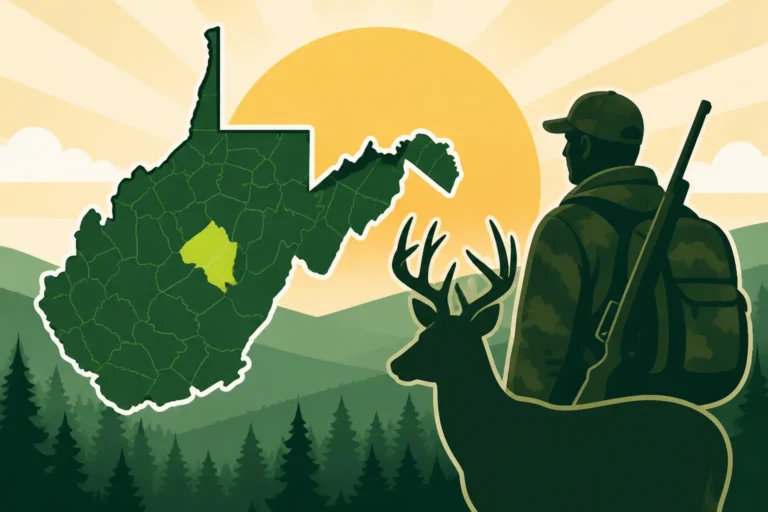
Hampshire County Public Hunting Ground
Hunting public land in West Virginia can be incredibly rewarding, but finding those truly productive spots, especially in a specific region like Hampshire County, often feels like searching for a needle in a very wild haystack. You've heard the stories, you've seen the maps, but translating that into boots-on-the-ground success takes a special kind of preparation. This guide will walk you through navigating Hampshire County's public hunting grounds, offering insights into its unique challenges and opportunities so you can plan your next trip with confidence.
What Makes Hampshire County Public Land Unique?
Hampshire County, tucked into the Eastern Panhandle, presents a distinctive blend of hunting experiences that set it apart from other parts of the Mountain State. It’s a place where agricultural fields meet rugged timber, and where the presence of a specific wildlife health concern adds another layer of complexity for hunters. Understanding these underlying characteristics is key to unlocking its potential.
A Blend of Rolling Hills and River Bottoms
When you picture Hampshire County, imagine a landscape sculpted by the South Branch of the Potomac River and its tributaries, carving through rolling hills that gradually rise into steeper, timbered ridges. This isn't the high-mountain wilderness of the Monongahela National Forest, but it's far from flat farmland. The mix of terrain provides diverse habitats that appeal to a wide array of game species. You'll find fertile river bottoms with mature hardwoods, perfect for deer and turkey, especially during the fall when acorns rain down. As you climb, the landscape transitions to mixed deciduous forests, often with thick undergrowth in places, offering excellent cover for deer. The numerous hollows and drainages act as natural travel corridors, funnelling game movement.
It's this blend that offers such varied opportunities. One moment you might be scouting a relatively open field edge where deer are entering from the timber to feed, and the next you could be trudging through a dense, brushy hillside where a wary old buck might be bedded down. The elevation changes, while not extreme, are enough to influence wind currents and thermals, which are critical considerations for any hunter setting up a stand or planning a still-hunt. The presence of water, particularly the South Branch, also means different ecosystems and, potentially, different hunting tactics, especially for migratory birds or for those late-season deer looking for water sources. Hunting the Eastern Panhandle offers more context on the general region's characteristics.
Hunting Within a CWD Containment Zone
Perhaps the most significant factor differentiating Hampshire County from many other hunting areas in West Virginia is its status as part of the state's Chronic Wasting Disease (CWD) Containment Area. This isn't just a biological detail; it has direct, practical implications for every hunter who steps foot on public ground here. CWD is a neurological disease fatal to cervids like deer, and its presence in Hampshire County means stricter regulations and heightened awareness are necessary.
For hunters, this translates into specific rules regarding carcass movement and mandatory testing in certain areas. You can't just harvest a deer and drive it straight home to another county without adhering to these guidelines. Knowing these rules before you hunt is not just about compliance, it's about being a responsible steward of the resource and helping to manage the spread of the disease. Expect to see signage about CWD, and be prepared to take your deer to a designated sampling station if you harvest one within a mandatory testing zone. This might sound like an extra step, but it's a vital part of protecting West Virginia's deer herd for future generations. Understanding Why Hampshire County Became West Virginia's CWD Ground Zero provides crucial background on this issue and helps explain why these measures are in place.
Premier Public Hunting Spots in Hampshire County
While Hampshire County isn't home to vast tracts of national forest like some other areas of West Virginia, it still offers significant public hunting opportunities through its Wildlife Management Areas (WMAs). These areas are managed by the state specifically for wildlife and public recreation, making them prime destinations for hunters.
Edwards Run Wildlife Management Area
Edwards Run WMA is a gem tucked away in Hampshire County, offering approximately 376 acres of public hunting ground. While not massive, its relatively diverse habitat and management focus make it a worthwhile destination. The WMA is characterized by a mix of mature hardwood forests, interspersed with some open fields and brushy areas, and of course, Edwards Run itself, a beautiful stream that flows through the property. This water source is a magnet for wildlife, providing hydration and creating riparian zones that offer excellent cover and food for game.
For deer hunters, Edwards Run presents opportunities for both still-hunting and stand hunting. The terrain includes some steep slopes and draws, which can be challenging to navigate but often hold less-pressured deer. During the archery season, focusing on oak ridges for mast crops or travel corridors leading to feeding areas near the fields can be effective. Hanging a Stand on a Steep Allegheny Ridge might offer some applicable insights even though Edwards Run isn't quite Allegheny-level steep. Gun hunters might find success on natural funnels or by posting strategically on hillsides overlooking draws. Turkey hunters will appreciate the mix of timber and openings, especially during the spring gobbler season, where calls can echo through the hollows. Small game such as squirrels are also abundant in the mature timber, particularly around oak and hickory stands. Access is typically via a gravel road, with parking areas available, but be prepared to walk to get away from other hunters.
Sleepy Creek Wildlife Management Area (Hampshire Section)
Sleepy Creek WMA is one of West Virginia's largest and most popular WMAs, sprawling across Berkeley and Morgan counties, but a significant portion of its western edge dips into Hampshire County. This vast property, totaling over 22,000 acres, offers a more rugged and expansive hunting experience compared to Edwards Run. The Hampshire sections of Sleepy Creek tend to be more remote and heavily forested, characterized by steeper topography and extensive timber stands. You'll find a greater sense of wilderness here, making it ideal for those who like to put in the miles to escape the crowds.
Sleepy Creek's Hampshire portions are known for deer, bear, and turkey. The dense woods and varying elevations provide excellent habitat for all three. Bear hunters often find success in the deep timber, especially around areas with natural mast crops in the fall. Deer in Sleepy Creek can be elusive, often holding tight in thick cover, which makes scouting for subtle signs and understanding their movement patterns crucial. Reading Aerial Photos for Eastern Panhandle Deer can be a huge asset here, allowing you to identify potential bedding areas, travel routes, and pinch points from above. Turkey hunters can cover a lot of ground, listening for distant gobblers or working through creek bottoms and ridge lines. Because of its size, Sleepy Creek allows for true backcountry hunting experiences, but it also means you need to be prepared for rugged conditions and potentially long drags if you're successful.
Tactical Approaches for Hampshire Public Land Success
Hunting public land successfully, particularly in a specific and regulated area like Hampshire County, demands more than just showing up on opening day. It requires thoughtful planning, adaptation, and adherence to local regulations.
Thorough Scouting and Digital Mapping
Effective scouting is the bedrock of successful public land hunting. Before you even set foot in the woods, dedicating time to thorough map reconnaissance can give you a significant advantage. Tools like onX Hunt or GoHunt are incredibly useful for this, allowing you to identify property boundaries, topography, potential food sources, water, and bedding areas. You can pinpoint remote corners that might see less pressure, or identify funnels and pinch points where deer movement is concentrated. Look for transitions in habitat – where a hardwood ridge meets a pine thicket, or where a deep hollow meets a flatter bench. These are often high-traffic areas for deer and turkey.
Once you have a few promising spots identified on your digital maps, it's time for boots-on-the-ground scouting. Visit the areas outside of hunting season to confirm your suspicions, find fresh sign, and identify suitable tree stand locations or ground blind setups. Pay attention to prevailing winds and how thermals will behave in the chosen terrain, especially in the mornings and evenings. In Hampshire County, with its rolling hills, understanding wind currents can be a game-changer. For a deeper dive into preparation, consider reading Scouting West Virginia Public Land Before Season.
Adapting to Pressure and Utilizing Cover
Public hunting land, by its very nature, can experience hunting pressure, especially during peak seasons. Hampshire County WMAs are no exception. The key to success is to anticipate and adapt to this pressure. Don't just hunt the easy-to-access areas near parking lots. Most hunters don't venture far from their vehicles, so by pushing deeper into the woods, especially up steep hillsides or through thick laurel patches, you significantly increase your chances of finding less-pressured game.
Look for areas that are difficult to access, whether it's crossing a creek, navigating dense thorny thickets, or climbing a steep slope. These are often sanctuaries for deer and other game. Consider hunting during weekdays if possible, when crowds are typically thinner. Early morning and late evening hunts, especially mid-week, can offer moments of solitude even in popular areas. Utilizing the thick cover that Hampshire County often provides is also crucial. Bucks will often bed down in dense clear-cuts or briar patches, using the security cover to avoid human disturbance. Learning to read the subtle topography and vegetation to predict where deer might hide is a skill developed over time. Finding Ground Others Walk Past dives deeper into strategies for locating unpressured areas.
Staying Compliant with CWD Regulations
As mentioned, hunting in Hampshire County means operating within a CWD Containment Area, which comes with specific responsibilities. It's imperative that you familiarize yourself with and strictly adhere to all CWD regulations. This primarily involves carcass movement restrictions and potential mandatory testing requirements. You'll need to know which parts of a harvested deer can leave the containment area and which cannot. Generally, only deboned meat, clean skull plates (with antlers attached if applicable), clean hides, and teeth are allowed to leave. Spinal columns, brains, and other lymph node-rich tissues must stay within the containment zone.
Be prepared to take your harvested deer to a CWD sampling station if hunting in an area with mandatory testing. This might mean having a plan for how to transport the deer and knowing the locations and operating hours of these stations. The West Virginia Department of Natural Resources (WVDNR) website or their Go Wild West Virginia app are excellent resources for up-to-date information on CWD regulations, testing locations, and any changes to the rules. Always check these resources before your hunt. For more detailed information on specific requirements, refer to West Virginia Carcass Movement Restrictions and Finding a West Virginia CWD Sampling Station.
Game Species and Seasons on Hampshire County Public Ground
Hampshire County offers a variety of hunting opportunities across multiple game species, each with its own seasons and regulations. Knowing what to expect and when to hunt can help you plan a productive trip.
Deer Hunting Opportunities
White-tailed deer are, without a doubt, the most popular game animal in Hampshire County, drawing hunters throughout the fall and early winter. The county falls under the general statewide deer season structure, which includes a long archery and crossbow season, a buck firearm season, and a muzzleloader season.
- Archery/Crossbow Season: This season typically opens in late September and offers hunters a chance to pursue deer before the rifle season. The early part of the season can be warm, requiring careful meat handling, but it provides excellent opportunities to pattern deer on their food sources. As the season progresses into late October and November, hunters often focus on pre-rut and rut activity, utilizing calls like rattling and grunting.
- Buck Firearm Season: This is usually a highly anticipated two-week period, typically in late November, where hunters can use centerfire rifles. Expect increased hunting pressure during this time, especially on opening weekend. Success often comes from hunting smart, focusing on deep timber, or utilizing deer drives on larger public tracts. West Virginia Buck Gun Season provides a broader overview of this popular season.
- Muzzleloader Season: Following the general firearm season, the muzzleloader season, usually in early December, offers another opportunity to hunt with primitive firearms. This can be a great time to be in the woods, as deer have settled down a bit from the rifle season pressure, and cold weather often has them moving to feed. Muzzleloader Deer Hunting in West Virginia can offer specific tactics for this season.
Hampshire County also has specific antlerless (doe) hunting days, which vary by county and management zone. Always check the current West Virginia Hunting and Trapping Regulations summary for exact dates and bag limits before heading afield.
Turkey and Small Game Pursuits
Beyond deer, Hampshire County provides excellent hunting for wild turkeys and a variety of small game.
- Wild Turkey: Both spring and fall turkey seasons are popular here. Spring gobbler hunting, typically starting in mid-April, offers hunters the thrilling challenge of calling in a mature tom. The mix of timber and open areas in Hampshire County WMAs creates ideal conditions for turkeys. Listening for gobblers on the roost at first light, then using run-and-gun tactics to close the distance, can be effective. Spring Turkey Hunting in West Virginia offers detailed strategies. Fall turkey season, with its unique "split" structure, allows hunters to pursue flocks, often by breaking them up and calling them back together.
- Small Game: Squirrels and rabbits are abundant across Hampshire County's public lands. Squirrel season typically opens earlier in the fall, offering a great way to introduce new hunters to the woods or just enjoy a relaxing hunt. Focus on hardwood bottoms and ridges with oak and hickory trees, looking for cuttings. Rabbit hunting often picks up after the leaves fall, allowing better visibility in thickets and fencerows. Grouse and woodcock can also be found in specific habitats, such as dense, young forest growth or alder runs, though their populations can fluctuate. Squirrel and Small Game Hunting in West Virginia covers these pursuits comprehensively. Remember to always check specific season dates and bag limits for all game species before you hunt.
| Public Hunting Area | Approximate Size (Acres) | Primary Game Species | Key Features | Challenges |
|---|---|---|---|---|
| Edwards Run WMA | 376 | Deer, Turkey, Squirrel | Edwards Run stream, mixed hardwoods, open fields | Limited size, can see pressure |
| Sleepy Creek WMA (Hampshire) | ~22,000 (total) | Deer, Bear, Turkey, Squirrel | Rugged terrain, extensive timber, remote sections | Large area requires navigation, deep pushes |
Disclaimer
This article is for general informational purposes only and does not constitute professional advice. Laws, prices and regulations vary by location and change over time. Consult a qualified professional for guidance on your specific situation.