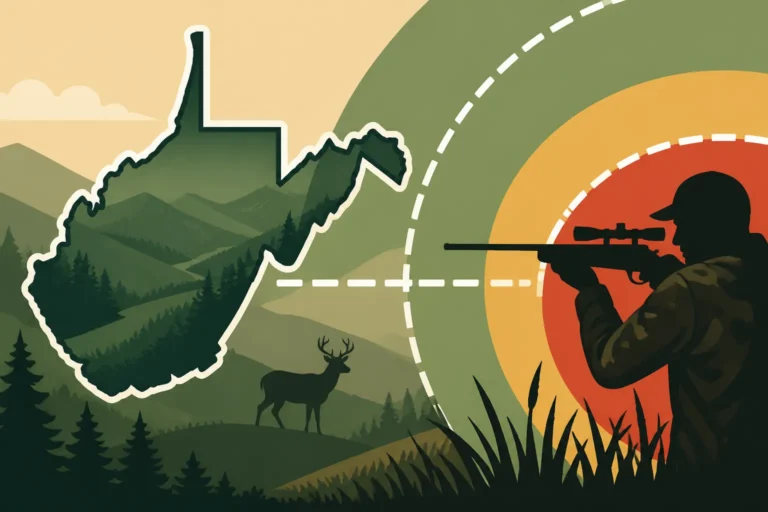
Why Four Counties Are Archery-Only for Deer
It can be incredibly confusing and even a little frustrating when you're looking at the West Virginia hunting regulations and discover that a handful of counties are entirely off-limits for gun deer hunting. It leaves many hunters scratching their heads, wondering why these specific areas are different from the rest of our beautiful Mountain State. This comprehensive guide is here to unravel that mystery, explaining the historical context, the rationale behind these unique rules, and how you can still have incredibly successful deer hunts in these special archery-only zones.
The Unique Landscape of West Virginia's Archery-Only Counties
When you first glance at the West Virginia hunting regulations, the "archery-only" designation for a few counties often catches people by surprise. It's a significant deviation from the norm, as most of our state allows firearms during deer season. Understanding which counties these are, and where they fit geographically, is the first step to appreciating their unique status.
Identifying the Archery-Only Counties
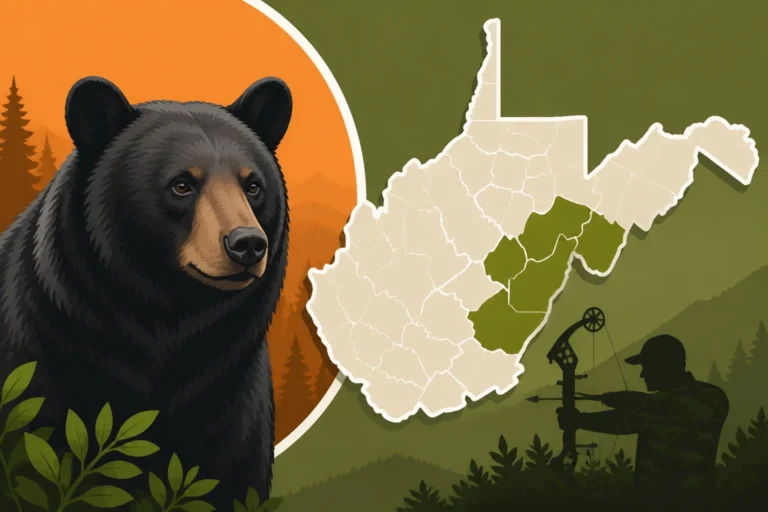
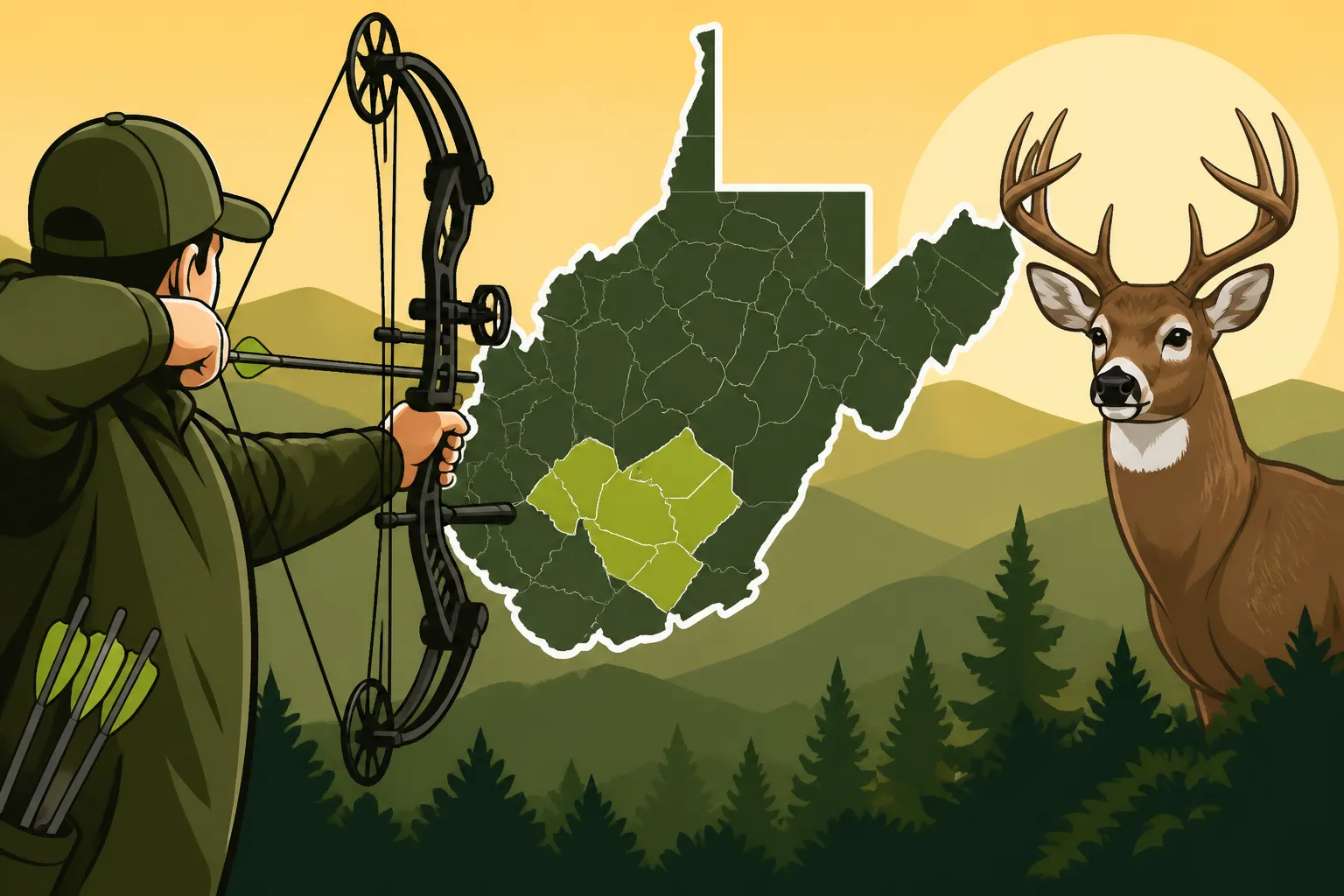
There are four specific counties in West Virginia where deer hunting is restricted to archery equipment only: Logan, McDowell, Mingo, and Wyoming. These counties are all nestled together in the rugged terrain of the Southern Coalfields region. If you look at a map, you'll see they form a contiguous block, a pocket where the tradition of the bow reigns supreme during deer season.
This region is characterized by steep, heavily forested mountains, deep hollows, and a landscape shaped by generations of mining and resource extraction. It's a tough, wild country, and it’s no stranger to unique challenges and traditions. While other areas of West Virginia have diverse landscapes ranging from rolling farmlands to vast national forests, these southern counties have always maintained a distinct character, and that extends to their hunting culture. For those interested in deeper insights, our guide on Why Logan and McDowell Skip Gun Season provides even more context.
Initial Reaction and Common Misconceptions
For many hunters, especially those new to West Virginia or accustomed to hunting elsewhere, the immediate reaction to "archery-only" is often confusion, quickly followed by questions. "Why these counties specifically?" is a common refrain. Some might assume it's due to dangerously low deer populations, or perhaps an attempt to manage chronic wasting disease, but in these cases, the reasons are far more deeply rooted in history and local sentiment.
It's natural to think that special restrictions mean there's a problem, but that's not necessarily the case here. These counties have viable deer populations, and the restriction isn't a crisis management measure. Instead, it's a reflection of a deeply ingrained cultural preference that has been upheld for decades. It sets them apart, making them a unique challenge and opportunity for dedicated bowhunters, especially compared to the broader West Virginia Deer Season Structure Explained found elsewhere in the state.
A Deep Dive into the Historical Context and Rationale
The archery-only status of Logan, McDowell, Mingo, and Wyoming counties isn't some arbitrary decision made last week by the West Virginia Division of Natural Resources (WVDNR). It's a policy steeped in history, born from a combination of strong local traditions and specific wildlife management considerations unique to this rugged corner of the state. It’s a fascinating look into how local culture can shape statewide regulations.
The Legacy of Local Sentiment and Tradition
The primary driver behind these archery-only regulations is a strong and enduring local sentiment that has historically favored bowhunting as the preferred, and often only, method for deer harvest in these areas. This isn't just a casual preference; it's a deeply woven thread in the fabric of the communities. For generations, bowhunting has been seen as a more traditional, quieter, and perhaps even more challenging way to pursue deer in the dense forests and steep terrain of the Southern Coalfields.
Local communities, through their representatives and public input, have consistently expressed a desire to maintain this archery-only status. This isn't about anti-gun sentiment, but rather a strong affirmation of a specific hunting heritage. The WVDNR, in its role of managing wildlife for the benefit of all citizens, often takes local preferences into account when developing regulations, especially when those preferences are as consistently and strongly expressed as they have been in these four counties. This commitment to traditional methods is part of what makes Hunting Where Gun Deer Season Is Banned Entirely such a distinct experience.
Wildlife Management Goals and Deer Dynamics
While local tradition is a huge factor, wildlife management objectives also play a subtle, yet important, role in maintaining the archery-only status. By limiting deer harvest to archery equipment, the WVDNR can influence deer herd dynamics in several ways that differ from gun-hunting counties. Archery hunting typically results in a lower overall harvest density compared to gun hunting, even with extended seasons. This can lead to different age structures and buck-to-doe ratios.
In these counties, the pressure from archery equipment tends to be less impactful on mature bucks, potentially allowing more bucks to reach older age classes, assuming harvest pressure from other factors remains stable. This contributes to a healthier overall herd and can provide a unique hunting experience for those seeking mature deer that might be more difficult to find in heavily gun-hunted areas. Understanding the Southern Coalfield Deer Density can provide further insights into how these management decisions impact local deer populations. The WVDNR regularly assesses these factors, ensuring the regulations align with broader conservation goals while respecting local traditions.
Hunting Strategies and Success in Archery-Only Zones
So, you've decided to tackle one of West Virginia's archery-only counties. That's fantastic! But it’s not like hunting deer in a regular gun season area. Success here hinges on adapting your strategies, embracing the unique challenges, and leveraging the advantages that come with a bowhunting-exclusive environment. It's an opportunity to truly hone your bowhunting skills.
Adapting Your Approach for Bowhunting Success
Hunting deer with a bow requires a completely different mindset and set of skills than hunting with a rifle. In the thick, rugged terrain of the Southern Coalfields, getting within bow range—typically 20-40 yards for most hunters—is an art form. This means your scouting efforts need to be even more meticulous. You’ll be looking for pinch points, subtle terrain features, and specific food sources that funnel deer close. Using mapping tools like GoHunt can be incredibly beneficial for identifying these spots before you even step foot in the woods, helping you virtually scout ridges, hollows, and potential bedding areas.
Scent control becomes paramount. Deer in these areas might encounter fewer human disturbances from loud gunshots, but they are still incredibly wary. Play the wind, use scent-eliminating sprays, and store your hunting clothes properly. Patience is another key virtue. You might spend many hours on stand or still-hunting slowly, waiting for that perfect close-range opportunity. The extended archery season, which is often longer than gun seasons, gives you more time to be patient and learn the deer's patterns. Our guide on Bowhunting West Virginia's Long Archery Season offers excellent advice for maximizing these extended opportunities.
Public vs. Private Land Opportunities
Just like anywhere else in West Virginia, you'll find a mix of public and private land in Logan, McDowell, Mingo, and Wyoming counties. Hunting public land in these rugged areas can be incredibly rewarding, offering vast tracts of undisturbed wilderness where you can truly get away from other hunters. However, it also means harder access, steeper climbs, and dense cover that can make finding and recovering deer a serious challenge. You might be interested in resources on Hunting the Cranberry Backcountry Wilderness Edge for similar backcountry strategies. Utilizing mobile stands or saddle hunting setups can be highly effective for accessing remote pockets on public ground, giving you flexibility to move with the deer.
Private land, while potentially offering less pressure, requires diligent effort to secure permission. Many landowners in these coalfield counties have strong ties to their land and may be hesitant to grant access, especially if they already have family or friends hunting. However, building relationships, offering help with property maintenance, and showing respect for their land can go a long way. Always be prepared to provide proof of insurance and clearly understand the landowner's specific rules. Our guide on Getting Private Land Permission in West Virginia provides a comprehensive rundown on how to respectfully and effectively seek access. Whether public or private, successful bowhunting in these counties is about effort and adaptation.
Equipment, Regulations, and Local Considerations
Stepping into West Virginia's archery-only counties means you need to be dialed in on your gear and, crucially, on the specific rules that govern hunting here. While the core of bowhunting remains the same, understanding the nuances of equipment legality and reporting procedures is vital for a smooth and ethical hunt.
Permitted Archery Equipment and Crossbow Rules
When hunting deer in these four counties, only archery equipment is permitted. This includes traditional bows, compound bows, and crossbows. For compound bows, most states, including West Virginia, require a minimum draw weight, often around 35-40 pounds, to ensure sufficient kinetic energy for a clean kill. Broadhead requirements typically specify a minimum cutting diameter or number of cutting edges to ensure humane harvest. It's crucial to check the latest WVDNR regulations directly, as these can be updated annually.
Crossbows are legal for all deer hunters in West Virginia during the archery season, including within these archery-only counties. There's no special permit required, and they are treated the same as traditional bows for deer hunting purposes. However, it's always wise to re-familiarize yourself with the specifics of Crossbow Rules During West Virginia Archery Season before heading afield, ensuring your setup meets all legal standards. Always remember, the goal is a quick, ethical harvest, and that starts with having legal and properly functioning equipment. Consider using a resource like GoHunt to keep up with the latest regulations, as they often provide handy summaries and alerts for changes.
Beyond Deer: Other Hunting Opportunities and Regulations
While the focus of these four counties is often on the archery-only deer season, it's important to remember that other game species may be pursued here as well, under their respective regulations and seasons. Small game like squirrel and rabbit, and upland birds like grouse, might be available. Wild turkey also offers fantastic hunting opportunities in these regions, with their own specific spring and fall seasons. Black bears are also prevalent in the Southern Coalfields, and Hunting West Virginia's Liberal Bear Season can offer exciting opportunities for archery hunters, though the specific rules for bear hunting, including permitted weapons, often differ from deer.
The key takeaway is that the "archery-only" designation applies specifically to deer hunting. Other species may have different weapon restrictions or be open to firearms during their respective seasons. Always consult the official West Virginia hunting regulations for each species you intend to pursue. Furthermore, reporting your harvest is a critical step, and the procedures for West Virginia Deer Reporting Requirements apply in these counties just as they do elsewhere. You'll need to check your deer within the specified timeframe, usually online or through the official Go Wild West Virginia app, ensuring proper data collection for wildlife management.
The Future of Archery-Only Counties and Community Impact
Regulations, even deeply ingrained ones, are never set in stone forever. The archery-only status of Logan, McDowell, Mingo, and Wyoming counties is a unique and cherished tradition, but it's also part of a dynamic wildlife management system that continually evolves based on ecological data, hunter input, and broader community needs.
Ongoing Discussions and Potential Changes
The WVDNR regularly reviews all hunting regulations, including those pertaining to the archery-only counties. These reviews consider a wide range of factors: deer population trends, habitat conditions, hunter success rates, public safety, and, importantly, public sentiment. There are always ongoing discussions and various viewpoints about these special rules. Some hunters from outside the region might advocate for firearms to be allowed, citing uniformity or increased harvest potential, especially in areas where deer populations might be viewed as high.
Conversely, local residents and dedicated bowhunters passionately defend the archery-only status, valuing the tradition, the challenge, and the unique hunting experience it provides. Any potential changes would likely involve extensive public input periods, community meetings, and careful consideration by the WVDNR and the Natural Resources Commission. Such decisions are rarely made lightly and usually involve a thorough, data-driven process, ensuring that any adjustments benefit both the wildlife and the hunting community.
The Hunter's Role in Stewardship
As hunters, particularly those venturing into these unique archery-only zones, we have a vital role to play in the ongoing stewardship of West Virginia's wildlife resources. Upholding ethical hunting practices, adhering strictly to regulations, and showing respect for the land and local communities are paramount. By demonstrating responsible hunting behavior, we help maintain the integrity of these special areas and reinforce the positive perception of hunting.
Participating in WVDNR surveys, attending public meetings when regulations are under review, and simply sharing your experiences in a constructive way can contribute to the future of hunting in West Virginia. The continuation of these archery-only counties, and the specific opportunities they offer, relies on a strong, responsible hunting community that understands and respects the unique heritage of these lands. Your actions afield directly impact the broader perception of hunting and help ensure that traditions, like those in the Southern Coalfields, can continue for generations to come.
Comparing Archery-Only Counties to General Firearms Counties
To give you a clearer picture, here's a table comparing the general characteristics of deer hunting in West Virginia's archery-only counties versus those that allow general firearms.
| Feature | Archery-Only Counties (Logan, McDowell, Mingo, Wyoming) | General Firearms Counties (Most of WV) |
|---|---|---|
| Primary Weapon | Bows (compound, traditional) and crossbows only | Rifles, shotguns, muzzleloaders, handguns, bows, and crossbows |
| Deer Season Length | Typically longer, extending from early fall into winter | Shorter, with dedicated firearms seasons (buck gun, muzzleloader) |
| Perceived Deer Age Structure | Potentially older average age for bucks due to lower harvest pressure from firearms | Varies, but often younger buck age structure due to higher harvest rates during gun season |
| Hunting Pressure | Generally lower overall pressure, especially for firearms hunters; concentrated bowhunting pressure | Varies widely, can be very high during opening weeks of buck gun season |
| Hunter Skill Focus | Emphasizes close-range tactics, stealth, patience, extensive scouting | Broader range of tactics, can include longer shots, deer drives, stand hunting |
| Cultural Significance | Strong local tradition and preference for bowhunting | Mix of traditional hunting methods, often driven by firearm access |
Disclaimer
Please remember that hunting regulations, season dates, and specific county rules are subject to change. While this guide provides comprehensive information, always consult the official West Virginia Division of Natural Resources (WVDNR) regulations and publications before planning and undertaking any hunting activities. Ensuring you have the most current information is your responsibility as a hunter.