Blaze Pink Gear and Where to Find It
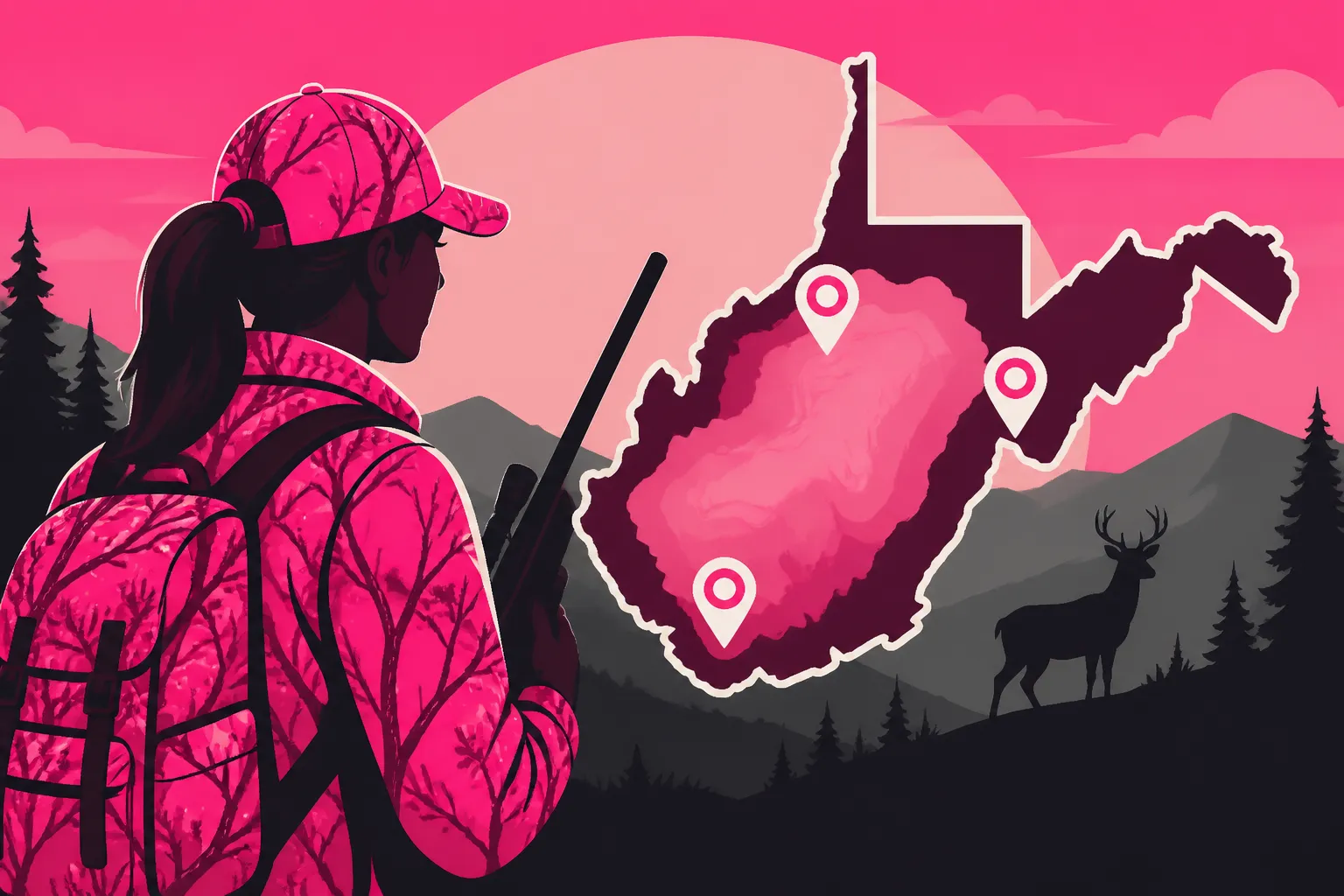
For many hunters, especially those of us who grew up in the mountains, the idea of "blaze pink" hunting gear might still feel a little… well, new. We’ve been conditioned for generations to associate hunter safety with that unmistakable, vibrant blaze orange. It's what our fathers wore, what our mentors preached, and what the law mandated for decades. But as times change and the hunting community evolves, so too do the options available to ensure our safety in the field. If you've ever wondered about blaze pink, whether it’s truly safe, or where you can even find it, you’re in the right place. This guide is all about understanding blaze pink, West Virginia’s regulations, and how to incorporate it into your hunting wardrobe.
The Evolution of Hunter Safety Colors in West Virginia
It’s easy to take hunter safety colors for granted, but they're a relatively modern innovation designed to prevent tragic accidents in the woods. Before these requirements, hunting incidents were far more common, often due to mistaken identity. The introduction of highly visible colors was a game-changer, and now we're seeing its continued evolution.
Why Blaze Orange Became the Standard
For a long, long time, blaze orange was the undisputed king of hunter safety. It wasn't just a fashion statement; it was a scientifically chosen color, specifically engineered to be highly visible to the human eye, even in dense cover or low light, while theoretically appearing as a muted gray or brown to most deer, which are largely red-green colorblind. This unique combination made it an ideal choice: it allowed hunters to spot each other easily, drastically reducing the risk of being mistaken for game, yet it didn't give away their presence to the whitetail or bear they were pursuing.
Across West Virginia, from the thick laurel slicks of the Cranberry Backcountry to the open hardwood ridges of the Eastern Panhandle, blaze orange became synonymous with deer season, especially during firearms portions. It became a rite of passage, a mandatory piece of gear that every hunter, young or old, had to wear. The regulations were clear: a certain amount of visible orange was required, usually covering the head, chest, and back. It instilled a sense of confidence, knowing that you were doing your part to keep yourself and others safe. This tradition runs deep, and for many, the sight of blaze orange signals the exciting start of gun season.
The Introduction of Blaze Pink
The idea of blaze pink in hunting might seem radical to some, but its introduction wasn't arbitrary. It came about largely from a desire to make hunting more inclusive and to provide an alternative that was equally effective in terms of safety. The push for blaze pink began in other states, driven by scientific studies suggesting that it performs just as well as blaze orange in visibility tests. These studies confirmed that blaze pink, like blaze orange, is highly visible to humans across various lighting conditions and terrains, yet it also appears as a drab color to deer, similar to how they perceive blaze orange.
West Virginia, always looking to balance tradition with progress and hunter safety, eventually joined a growing number of states in legalizing blaze pink as an acceptable alternative to blaze orange. This wasn't just about offering a different color; it was about removing potential barriers for new hunters, especially women and youth, who might be drawn to an option that feels less traditionally masculine or simply offers a personal preference. The legislative change was a thoughtful process, ensuring that any new safety color met the same rigorous standards for visibility and protection that blaze orange had established. It represents a subtle but significant shift, acknowledging that safety can come in more than one hue, and that expanding options can help grow the hunting community.
West Virginia's Specific Regulations for Blaze Pink
Understanding the exact rules around blaze pink in West Virginia is crucial. It’s not just about wearing some pink; it’s about wearing the right kind and amount of pink, in the right circumstances, to ensure you meet state safety requirements.
How Much Blaze Pink is Required
Just like with blaze orange, West Virginia has specific requirements for the amount of blaze pink that must be visible on a hunter. It’s not enough to wear a small patch or a faded hat. Generally, the regulation states that hunters during firearms seasons for deer, bear, or elk (where applicable) must wear an outer garment of at least 400 square inches of blaze orange or blaze pink. This must be visible from all sides, meaning it needs to cover portions of your head, chest, and back.
Think about it this way: if you’re sitting against a tree, your back needs to be covered. If you’re walking through thick brush, your sides and front need to be visible. This usually translates to a vest or a full jacket. A blaze pink hat alone won't cut it, though it's an excellent addition to meet the head-covering aspect. The key takeaway here is that blaze pink is treated identically to blaze orange in terms of minimum coverage. So, if you're swapping out your old orange vest for a new pink one, make sure it offers at least the same amount of visible material. Always double-check the current West Virginia Blaze Orange Requirements to ensure you're up-to-date, as these regulations are often updated with the annual hunting proclamations.
When Blaze Pink is Legal to Wear
Blaze pink is legal in West Virginia during any season where blaze orange is required. This primarily includes all firearms seasons for deer, bear, and other species where the WVDNR mandates increased visibility for hunter safety. This means you can confidently wear your blaze pink during the popular West Virginia Buck Gun Season, throughout the various bear seasons, and even during the special youth deer weekends.
However, it's vital to remember when these colors are not required, and therefore, when it's your choice to wear them or not. For example, during much of Bowhunting West Virginia's Long Archery Season, blaze orange or pink is generally not required for deer hunters, allowing archers to wear camouflage to better blend into their surroundings. Similarly, during Spring Turkey Hunting in West Virginia, hunters are typically wearing full camouflage to ambush wary gobblers, with safety colors generally not required due to the specific nature of that hunt. It's critical to know the specific regulations for the species and season you're pursuing. Always carry your license and be familiar with the current year's hunting regulations booklet, which details these requirements explicitly.
The general rule of thumb is: if blaze orange is a must, then blaze pink is also an option. If it's a season where camouflage is the standard (like archery or turkey hunting), then wearing blaze pink would be your personal choice, but not legally mandated.
Finding and Choosing Your Blaze Pink Hunting Gear
Once you understand the regulations, the next step is actually finding quality blaze pink gear that meets your needs. It’s more available than it used to be, but it still requires a bit of knowing where to look and what to look for.
What Kinds of Blaze Pink Gear Are Available
The market for blaze pink hunting gear has expanded considerably over the past few years, moving beyond just a simple vest. You can now find a comprehensive range of options to outfit yourself from head to toe.
- Vests: This is often the most common and accessible piece of blaze pink gear. Vests are lightweight, easily layered over other clothing, and generally meet the minimum square inch requirements for visibility. They come in various materials, from simple mesh for early season hunts to insulated versions for colder days in December.
- Jackets: For hunters who prefer a single outer layer or need more warmth, full blaze pink jackets are an excellent choice. These often offer features like waterproofing, wind resistance, and insulation, making them suitable for harsher West Virginia weather. They typically exceed the minimum visibility requirements.
- Hats/Beanies: A blaze pink baseball cap or a warm beanie is a great way to ensure your head is covered, often required as part of the total visible area. They're also an easy and relatively inexpensive way to add some pink to your kit, even if you opt for an orange vest.
- Gloves: While not usually counted toward the 400 square inches, blaze pink gloves can add another layer of visibility and complete your look. They're a nice touch, especially for younger hunters who enjoy the color.
- Backpacks/Pack Covers: Some manufacturers now offer backpacks with blaze pink accents or even full blaze pink rain covers for your existing pack. This is another smart way to increase your visible profile, particularly when you’re walking in and out of the woods with a pack on.
When considering what kind of gear, think about your typical hunt. Do you need something lightweight for early season squirrel hunting in West Virginia bottomland hardwoods, or something robust for Hunting the Late-Season December Lull? The variety is there, so choose what best fits your style of hunting and the conditions you expect to face.
Key Considerations When Buying Blaze Pink
Just like with any hunting gear, buying blaze pink isn't just about the color. You need to consider functionality, comfort, and durability to ensure your investment serves you well in the rugged West Virginia woods.
- Visibility: While all blaze pink is designed to be visible, there can be slight variations in hue and reflectivity. Look for vibrant, unfaded colors. Some gear might even incorporate reflective strips for enhanced visibility in extremely low light, which can be a huge bonus when you're Blood Trailing After Dark in West Virginia.
- Material and Durability: West Virginia hunting can be tough on gear. You'll be pushing through multiflora rose, thick briar patches, and navigating steep, rocky terrain. Look for materials that are tear-resistant, snag-proof, and can withstand repeated washings without losing their color. Ripstop fabrics are often a good choice.
- Weather Protection: Consider if you need waterproof, windproof, or insulated gear. A lightweight mesh vest is fine for a warm October day, but you'll want something more substantial if you're out during Cold-Weather Sitting Strategy in the Mountains. Look for features like DWR (Durable Water Repellent) coatings, sealed seams, and appropriate insulation for the season you'll be using it.
- Comfort and Fit: You'll be wearing this gear for hours, potentially walking miles up and down ridges. Ensure it fits well over your base layers without being too bulky or restrictive. Look for adjustable straps on vests, comfortable necklines, and freedom of movement in jackets. Breathability is also key, especially when hiking to your stand.
- Pockets and Features: Practicality matters. Do you need pockets for your rangefinder, extra ammo, or a GPS unit? Some vests and jackets come with specialized pockets for calls, radios, or even hydration bladders. These small features can make a big difference in the field.
Where to Find Quality Blaze Pink Gear
Finding quality blaze pink gear used to be a bit of a treasure hunt, but it's becoming much more mainstream. Here’s where you can typically find it:
- Large Retail Chains: Big box sporting goods stores are increasingly stocking blaze pink options. Stores like Bass Pro Shops, Cabela’s, and Academy Sports + Outdoors often have dedicated sections for women’s hunting apparel, where you’re more likely to find blaze pink. They understand the demand and are responding to it.
- Online Retailers: This is probably your best bet for the widest selection. Websites like Amazon, eBay, and specialized hunting apparel sites carry numerous brands offering blaze pink. Make sure to read reviews and check sizing charts, as fit can vary between brands. This is also a good place to look for specific features or niche items.
- Specialty Outdoor Stores: Smaller, independent hunting and outdoor stores might have a limited selection, but it's always worth checking, especially if you prefer to try things on in person. They might also be able to order specific items for you.
- Direct from Manufacturers: Many outdoor apparel brands, recognizing the market, now offer blaze pink directly through their own websites. Companies like Sitka Gear, DSG Outerwear, and other women-specific hunting brands are leading the charge in providing high-quality, functional blaze pink options. This is where you might find premium gear with advanced technical fabrics.
- Hunting Community Forums and Social Media: Believe it or not, asking in online hunting groups or forums can yield great recommendations. Fellow hunters are often happy to share where they found their favorite gear, and you might discover smaller brands or specialty shops you hadn't considered.
As you shop, you might use a resource like GoHunt for researching gear types and features. While GoHunt itself may not sell apparel, their platform often provides detailed reviews and specifications that can help you compare different products before you make a purchase. They can be invaluable for understanding the nuances between various hunting clothing lines, allowing you to choose the best blaze pink option for your needs in West Virginia.
| Feature / Color | Blaze Orange | Blaze Pink |
|---|---|---|
| Visibility (Human) | Excellent, stands out sharply against natural colors | Excellent, stands out sharply against natural colors |
| Visibility (Deer) | Appears as a muted gray/brown (deer are red-green colorblind) | Appears as a muted gray/brown (deer are red-green colorblind) |
| Legal in WV | Yes, standard safety color | Yes, legal alternative to blaze orange |
| Minimum Coverage | 400 sq. inches visible from all sides (head, chest, back) | 400 sq. inches visible from all sides (head, chest, back) |
| Availability | Widely available in all gear types | Growing availability, especially online and in women's lines |
| Primary Use | Firearms seasons (deer, bear, elk) | Firearms seasons (deer, bear, elk) |
| Perceived Image | Traditional, established, rugged | Modern, inclusive, stylish alternative |
Dispelling Myths and Understanding the Benefits of Blaze Pink
There can be some misconceptions around blaze pink, largely due to its newer status in a sport steeped in tradition. It's important to look at the facts and understand the real benefits this alternative offers.
Is Blaze Pink as Safe as Blaze Orange?
This is perhaps the most common question and concern surrounding blaze pink. For many traditionalists, it feels inherently less safe simply because it's not the color they've always known. However, numerous scientific studies, including those conducted by universities and state wildlife agencies, have consistently shown that blaze pink is equally visible to the human eye as blaze orange.
The key lies in the specific wavelengths of light that these colors reflect. Both blaze orange and blaze pink are designed to stand out dramatically against natural backgrounds like forests, fields, and mountains, even in varying light conditions such as dawn, dusk, or overcast days. To a human hunter, the difference in visibility between a person wearing blaze orange and one wearing blaze pink is negligible.
Crucially, these studies also confirm that deer, being dichromatic (essentially red-green colorblind), perceive both blaze orange and blaze pink as shades of gray or muted yellow/brown. This means neither color gives away your position to the deer any more or less than the other. So, from a purely scientific and safety standpoint, there is no inherent disadvantage to wearing blaze pink over blaze orange. It fulfills its primary purpose: making human hunters easily identifiable to other human hunters, while not alarming game. When you're Hunting Potomac Highlands Public Land where visibility is key, you can trust blaze pink to keep you safe.
The Psychological Aspect and Encouraging Participation
Beyond the technical safety aspects, the introduction and acceptance of blaze pink have a significant psychological and cultural impact on the hunting community. For years, hunting gear was overwhelmingly marketed to and designed for men, often in traditional "masculine" colors. This created a subtle barrier for women and younger individuals who might feel excluded or less comfortable in gear that didn't resonate with them.
Blaze pink offers an alternative that can feel more welcoming and inclusive. For women, it can be a refreshing option that allows them to express personal style while still adhering to safety regulations. It’s not just about fashion; it’s about feeling comfortable and confident in your gear, which can enhance the overall hunting experience. When you feel good in what you're wearing, you're more likely to participate and enjoy yourself.
Moreover, blaze pink can play a role in attracting new participants to hunting, particularly younger generations. In a world where outdoor activities compete with many other interests, anything that makes hunting more accessible and appealing can only benefit the sport. Seeing hunters of all ages and genders wearing a variety of safe, comfortable gear, including blaze pink, can help break down stereotypes and present a more modern, diverse image of the hunting community. This inclusivity is vital for the future of hunting in West Virginia and beyond, ensuring that traditions continue while welcoming new enthusiasts into the fold. The availability of diverse gear, much like varied opportunities to explore West Virginia Small Game and Furbearers or pursue White-Tailed Deer Across West Virginia, helps keep our outdoor heritage vibrant and growing.
Disclaimer
This article is for general informational purposes only and does not constitute professional advice. Laws, prices and regulations vary by location and change over time. Consult a qualified professional for guidance on your specific situation.