Which County Confirmed CWD First in West Virginia
Dealing with Chronic Wasting Disease (CWD) is one of the most pressing and frankly, heartbreaking challenges facing deer hunters and wildlife managers in West Virginia today. It's a disease that brings a lot of uncertainty and concern, and understanding its origins here in the Mountain State is crucial. This guide aims to shed light on exactly where and when CWD first confirmed its presence in West Virginia, offering a comprehensive look at its impact and the ongoing efforts to manage it.
The Initial Discovery: Where CWD First Surfaced in West Virginia
For years, West Virginia hunters hoped CWD would bypass our beautiful state, watching with trepidation as it spread through neighboring states. Unfortunately, that hope came to an end, and our deer herd, like many others across the country, became affected. The moment CWD was officially confirmed here marked a turning point for wildlife management and hunting traditions.
Identifying the First CWD-Positive Deer
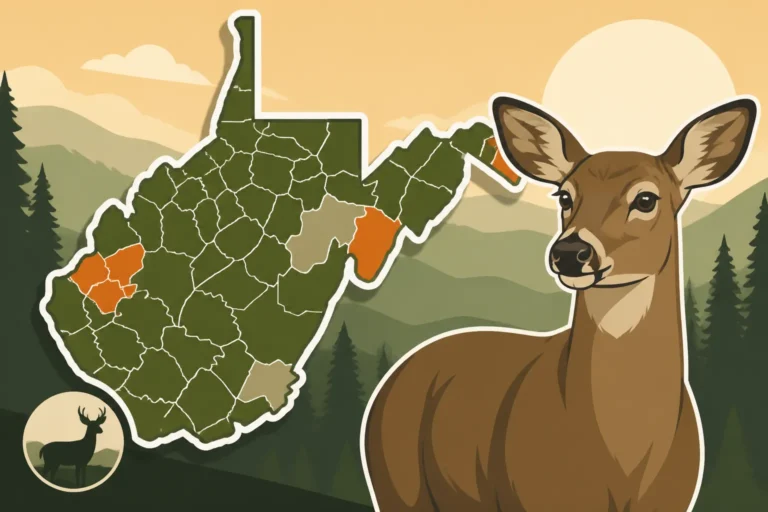
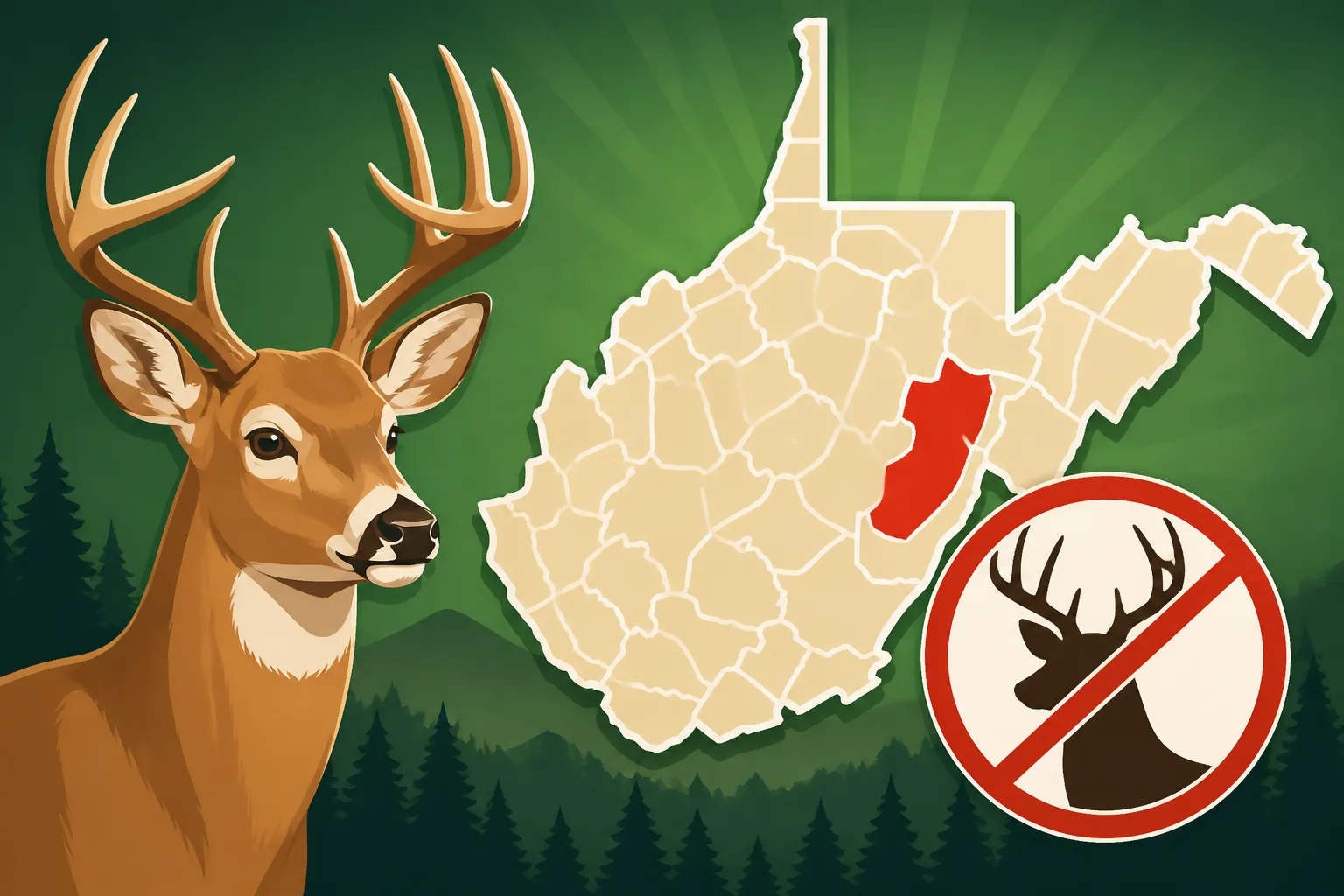
The first confirmed case of Chronic Wasting Disease in a wild white-tailed deer in West Virginia was in Hampshire County during the fall of 2016. It was a somber day for the West Virginia Division of Natural Resources (WVDNR) and the hunting community. This wasn't just a random discovery; it was the result of years of proactive surveillance and testing by the WVDNR, who knew it was likely a matter of when, not if, CWD would arrive.
The initial detection came from a hunter-harvested deer during the regular hunting season. Samples, particularly lymph node and brain tissue, were routinely collected from deer across various counties, especially those bordering states with known CWD cases. When the test results came back positive from the National Veterinary Services Laboratories (NVSL) in Ames, Iowa, it confirmed what many had feared. This single deer in Hampshire County became the undeniable ground zero for CWD in our state, initiating a cascade of management actions and intense scrutiny. If you want to dive deeper into the specifics of this initial outbreak, our article on Why Hampshire County Became West Virginia's CWD Ground Zero provides more context.
The Immediate Aftermath and Public Reaction
The news hit the hunting community hard. There was a mix of shock, concern, and a lot of questions. Hunters, especially those in and around Hampshire County, immediately wanted to know what this meant for their deer, their hunting seasons, and the safety of consuming venison. The WVDNR quickly moved to inform the public, holding meetings and disseminating information to explain the disease and outline the initial steps being taken.
The immediate aftermath involved heightened awareness and increased sampling efforts. Hunters in the region became a critical part of the monitoring process, providing samples from their harvested deer to help wildlife officials understand the extent of the spread. There was a palpable shift in how many hunters approached their season, with more focus on responsible carcass handling and an understanding that CWD was now a very real part of our hunting landscape. This initial confirmation set the stage for extensive discussions and rule changes, profoundly impacting West Virginia's Chronic Wasting Disease Counties and the management strategies within them.
Understanding Chronic Wasting Disease and Its Spread
CWD isn't just another deer disease; it's a neurological condition that presents unique challenges due to its nature and resistance. For hunters, understanding what it is and how it behaves is critical to making informed decisions and helping in its management.
What is CWD and How Does it Affect Deer?
Chronic Wasting Disease is a fatal neurological disease that affects cervids, which include deer, elk, and moose. It's caused by abnormal proteins called prions. These prions accumulate in the brain and other tissues, leading to lesions and ultimately severe neurological damage. Think of it like a slow, degenerative brain disease.
Affected deer exhibit a range of symptoms, though they can be subtle in the early stages. Common signs include:
- Weight loss and emaciation: This is where the "wasting" in CWD comes from.
- Behavioral changes: Lethargy, listlessness, and a lack of fear of humans.
- Drooping head and ears: A very common, noticeable symptom.
- Excessive salivation and drooling: Sometimes leading to a wet spot on the neck.
- Increased thirst and urination: Though this can be harder to observe in the wild.
The incubation period for CWD can be long, often taking 18 months or more before clinical signs appear. This long incubation period makes detection difficult and allows infected animals to shed prions into the environment for an extended time without showing obvious symptoms. The disease is always fatal, and there is currently no vaccine or cure. For a deeper dive into the disease itself, our comprehensive guide on Chronic Wasting Disease in West Virginia Deer offers extensive information.
Factors Contributing to CWD Dispersal
The spread of CWD is a complex issue, influenced by both natural deer behavior and human activities. When CWD was first detected in Hampshire County, understanding these factors became paramount to developing effective management strategies.
One of the primary drivers of CWD dispersal is the natural movement of deer. Bucks, especially younger ones, can travel significant distances during the rut, potentially carrying the prions to new areas. Deer social structures, where animals congregate at feeding sites or during specific times of the year, also facilitate direct animal-to-animal transmission. When an infected deer sheds prions through saliva, urine, or feces, those prions can persist in the soil for years, creating an environmental reservoir that can infect other deer. This is a huge concern for landowners and public land managers alike.
Human activities also play a significant, if often unintentional, role in CWD spread. The movement of deer carcasses from an infected area to a non-infected area is a major vector. If a hunter harvests a CWD-positive deer in Hampshire County and transports the entire carcass to another county, or even out of state, there's a risk of introducing prions to new environments if parts like the brain, spinal cord, or lymph nodes are improperly disposed of. This is why West Virginia has strict West Virginia Carcass Movement Restrictions in place. Another factor is the artificial concentration of deer, such as through baiting or supplemental feeding, which can increase deer-to-deer contact and the likelihood of transmission. While often well-intentioned, these practices can have severe unintended consequences in a CWD-affected landscape.
West Virginia's Ongoing Response and Management Strategies
The WVDNR has implemented a multi-faceted approach to combat CWD since its first detection in Hampshire County. These strategies aim to monitor the disease, slow its spread, and mitigate its impact on the deer herd.
Establishing the CWD Containment Area
Following the initial detection, the WVDNR quickly established a CWD Containment Area. This designated zone, primarily encompassing Hampshire County and parts of adjacent counties like Hardy, Mineral, and Berkeley, is where special regulations apply to hunters. The goal of this area is to prevent the further spread of CWD to unaffected parts of the state.
Within the CWD Containment Area, hunters face specific rules that differ from those in other counties. These rules are not meant to punish hunters but are scientifically informed efforts to manage the disease. For instance, there are restrictions on carcass transportation out of the zone, mandatory checking of deer, and often increased sampling requirements. The concept is straightforward: limit the ways CWD can spread beyond its known boundaries. It’s a collective effort, and compliance from hunters is absolutely vital. Our guide on How West Virginia's CWD Containment Area Works delves into the finer details of these regulations.
Mandatory Testing and Carcass Restrictions
One of the most significant changes for hunters within the CWD Containment Area is the implementation of mandatory testing and strict carcass movement restrictions. During specific periods, especially the opening weekend of buck gun season, hunters harvesting deer in certain CWD-positive counties are required to bring their deer to a WVDNR CWD sampling station.
Here’s a breakdown of what that entails:
- Mandatory Sampling: Hunters must present their harvested deer for CWD testing. This usually involves WVDNR staff collecting lymph node samples. This data is critical for monitoring the disease's prevalence and geographic spread. You can learn more about this process in Mandatory Testing Inside the CWD Containment Area.
- Carcass Transportation Restrictions: To prevent human-assisted spread, hunters are generally prohibited from transporting certain parts of deer harvested within the CWD Containment Area outside of that area. This means no brain, spinal cord, eyes, spleen, or lymph nodes leaving the zone. What can leave? Deboned meat, quarters without spinal column, clean skulls (without brain tissue), capes, antlers, and hides. This ensures that the parts most likely to harbor prions remain within the containment zone. Knowing these rules is paramount, and our article on Moving a Deer Carcass Out of the Containment Area offers a complete overview.
These rules, while sometimes an inconvenience, are put in place for a crucial reason: to protect the broader deer herd. The WVDNR provides resources, including maps and lists of CWD sampling stations, to help hunters comply. Utilizing tools like GoHunt’s mapping features can be incredibly helpful for identifying these zones and planning your hunt accordingly, ensuring you know where to go to comply with testing requirements or find sampling stations.
How Hunters Can Help Mitigate CWD
As hunters, we are on the front lines of wildlife conservation, and our actions can make a real difference in the fight against CWD. It's not just about following the rules, but about being proactive and responsible.
Key ways hunters can help:
- Get Your Deer Tested: Even if it’s not mandatory, voluntarily submitting samples from your harvested deer, especially if you hunt near a CWD zone or notice any unusual symptoms, provides invaluable data to the WVDNR. This helps them track the disease and refine management strategies. Our article on West Virginia CWD Testing for Hunters explains how you can contribute.
- Proper Carcass Disposal: Always dispose of deer carcasses responsibly, especially if you harvested the deer in a CWD-positive county. The best practice is to bone out the meat at the harvest site or use a designated landfill that accepts animal remains. Never discard carcasses in open fields or woods where other deer can access them.
- Avoid Baiting and Feeding: While illegal in West Virginia, baiting or supplemental feeding can concentrate deer in unnaturally high numbers, increasing direct contact and the likelihood of CWD transmission. Resist the urge to bait, as it can inadvertently aid the disease's spread.
- Know the Regulations: Stay informed about current CWD regulations. These can change annually based on disease prevalence and new scientific understanding. The WVDNR website is your best source for up-to-date information. Tools like GoHunt can also help you stay informed about specific county regulations and CWD zones.
- Report Sick Deer: If you observe a deer exhibiting CWD-like symptoms (wasting, lethargy, abnormal behavior), report it immediately to the WVDNR. Do not attempt to harvest or handle the animal yourself without guidance from wildlife officials.
By adopting these practices, hunters become essential partners in managing CWD, helping to protect West Virginia's deer population for future generations.
Looking Ahead: The Future of CWD in West Virginia
The battle against CWD is a long-term commitment, and its presence in West Virginia is likely here to stay. However, ongoing efforts in research, monitoring, and adaptive management will continue to shape how we interact with our deer herd.
Research and Monitoring Efforts
The WVDNR, often in collaboration with universities and federal agencies, is continuously engaged in research and monitoring to better understand CWD in West Virginia. This isn't a static problem, and the solutions need to evolve.
One crucial aspect is ongoing surveillance. This means continuing to collect thousands of samples from hunter-harvested deer each year, expanding sampling to new areas, and responding to reports of sick animals. This helps create a comprehensive picture of How Many West Virginia Counties Have Found CWD and where the disease might be emerging next. They're also studying factors like What Collared Deer Research Revealed in Hampshire County, which can give insights into deer movement patterns and how they might contribute to CWD spread.
Furthermore, research delves into prion persistence in the environment, potential genetic resistance in deer, and the efficacy of different management interventions. For example, understanding West Virginia CWD Prevalence in the Containment Area helps inform whether specific management actions are having the desired effect on reducing disease rates. It’s an ongoing scientific endeavor to arm wildlife managers with the best possible tools and knowledge.
The Long-Term Impact on Deer Hunting
CWD has undoubtedly altered the landscape of deer hunting in West Virginia, and its long-term impacts are still unfolding. Hunters are adapting to new regulations and a greater awareness of wildlife health.
One of the most significant changes is the increased focus on responsible hunting practices. From proper carcass handling to understanding testing requirements, hunters are now expected to be more informed and engaged stewards of the resource. There’s a greater appreciation for the health of the herd beyond just antler size.
While CWD is a serious threat, it doesn't mean the end of deer hunting. Instead, it means adapting to a new normal. Future regulations might include adjusted bag limits in CWD zones, specific season dates designed to target certain age classes of deer more susceptible to the disease, or continued expansion of mandatory testing areas. The goal remains to maintain a healthy and robust deer population, even in the face of this persistent challenge. The collaborative spirit between the WVDNR and the hunting community, supported by access to real-time information and tools like GoHunt, will be critical in navigating these evolving challenges.
| Aspect | Description | Impact on Hunters |
|---|---|---|
| First Confirmed | Hampshire County, 2016 | Initiated CWD regulations and increased awareness. |
| Disease Nature | Fatal neurological disease in cervids, caused by prions. Spreads through direct contact and environmental contamination (saliva, urine, feces). | Requires careful handling of harvested deer, especially those showing symptoms. |
| Containment Area | Designated counties (e.g., Hampshire, Hardy, Mineral, Berkeley) where special CWD regulations apply. | Mandatory testing and carcass movement restrictions in effect. Hunters must check deer and dispose of carcasses properly. |
| Carcass Rules | Restrictions on transporting high-risk parts (brain, spinal cord, etc.) out of the containment area. Deboned meat, clean skulls, antlers, capes, hides are generally permitted. | Hunters need to know which parts are restricted and plan for field dressing or processing accordingly. Check West Virginia Carcass Movement Restrictions. |
| Hunter Role | Essential in monitoring and mitigating spread through voluntary testing, proper disposal, avoiding baiting, and reporting sick deer. | Active participation in surveillance, following regulations, and responsible practices are crucial for herd health. Find local Finding a West Virginia CWD Sampling Station. |
Disclaimer
The information provided in this guide is for general informational purposes only and is not intended as legal advice or a substitute for official regulations. Hunting laws and CWD regulations in West Virginia can change. Always consult the most current West Virginia Hunting & Trapping Regulations synopsis, available from the West Virginia Division of Natural Resources (WVDNR), before engaging in any hunting activities.