Hunting Dolly Sods Adjacent Backcountry
The allure of West Virginia's Dolly Sods adjacent backcountry is undeniable for any hunter seeking a true wilderness challenge. However, this isn't a landscape that gives up its secrets easily. You'll encounter rugged, high-elevation terrain, dense spruce forests that swallow sound, and weather that can shift from mild to menacing in minutes. Many hunters, accustomed to more accessible areas, find themselves underprepared for the physical and mental demands of this untamed region. This comprehensive guide will walk you through what to expect and how to approach hunting the wild and beautiful areas bordering Dolly Sods, helping you plan a safer and more effective hunt.
Understanding the Unique Dolly Sods Environment
Hunting the areas adjacent to the Dolly Sods Wilderness is a world away from hunting a typical West Virginia hardwood bottom or a manicured farm edge. This is a place defined by its elevation, its unique flora, and its often-harsh climate. Understanding these foundational elements is critical to crafting a successful hunting strategy.
The High-Altitude, Spruce-Dominated Landscape
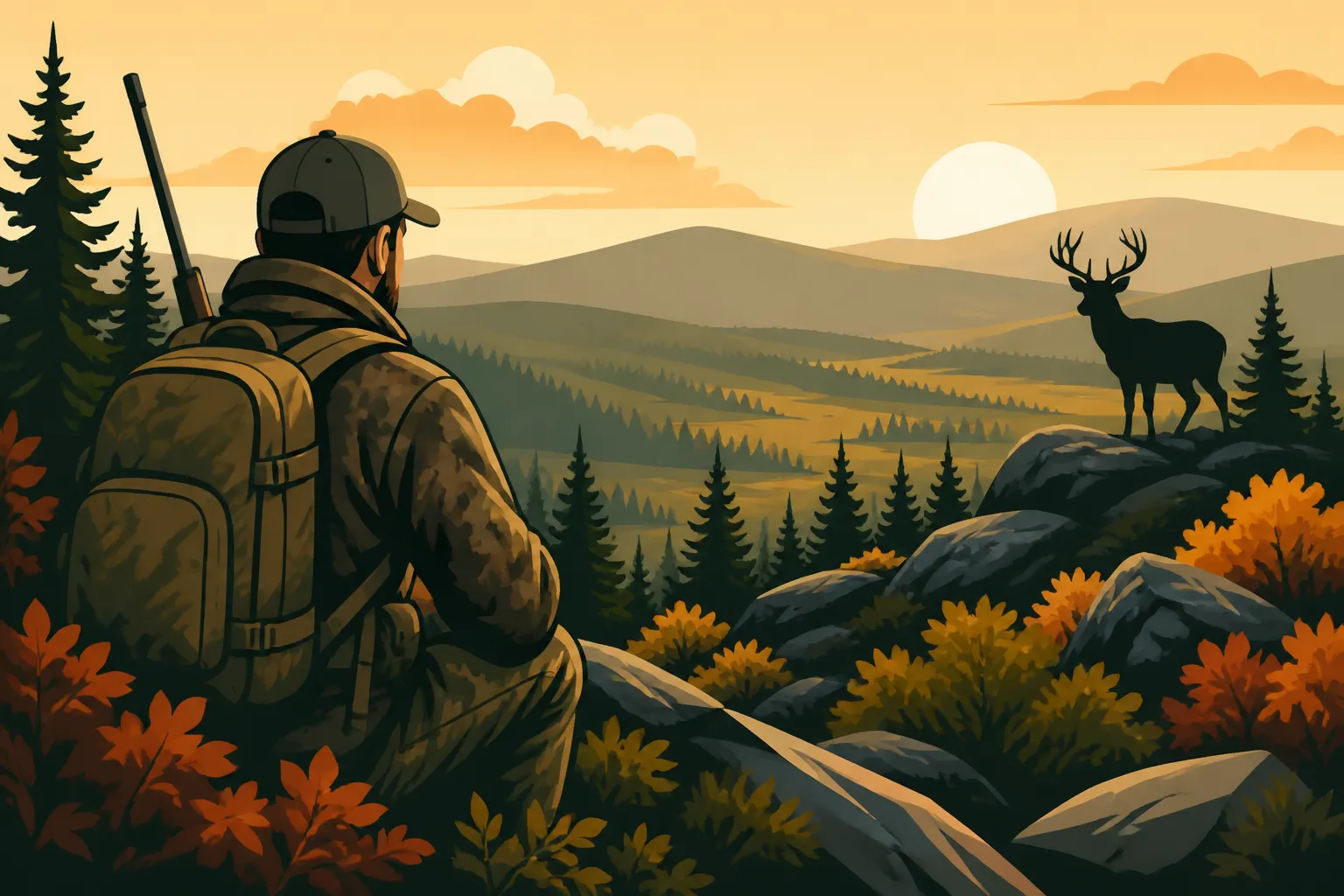
Imagine stepping into a landscape that feels more like northern Canada than the mid-Atlantic. That's the Dolly Sods. Perched atop the Allegheny Plateau, with elevations often exceeding 4,000 feet, these lands are characterized by extensive stands of red spruce and various firs, interspersed with cranberry bogs, heath barrens, and rocky outcroppings. The dense, almost impenetrable spruce thickets offer incredible cover for game but can make human navigation and visibility extremely challenging. Forget seeing deer move through open woods at 100 yards; here, a shot might be 30 yards or less through a labyrinth of evergreens. The thin air and relentless wind can also be physically taxing, making every step an effort and requiring careful consideration of your physical limits and gear choices.
Wildlife Adaptation to Harsh Conditions
The wildlife in and around Dolly Sods is incredibly resilient, having adapted to these harsh, high-altitude conditions. While the diverse mast crops found in lower elevations are scarce here, deer, bear, and turkey rely on different food sources and utilize the unique cover to their advantage. Deer often browse on hemlock, spruce, and various shrubs found in clearings or along forest edges. Their bedding areas are typically deep within the thickest spruce stands, providing shelter from the elements and exceptional concealment. Black bears thrive in these remote areas, utilizing the dense cover for denning and foraging on seasonal berries (like cranberries and blueberries) in the open bogs or seeking out what little mast might exist on the fringes of the spruce forests. If you're looking for a challenging bear hunt, the Dolly Sods adjacent areas can be a prime spot, as this region supports a robust and growing population, a testament to West Virginia's Black Bear Comeback. Wild turkeys, too, have adapted, often roosting in the tall conifers and foraging in more open, sometimes wind-swept areas or along the sparse hardwood ridges that occasionally break up the spruce.
Boundary Lines and Wilderness Area Specifics
Perhaps one of the most crucial elements to understand when hunting Dolly Sods is the distinction between the designated Wilderness Area and the adjacent public lands within the Monongahela National Forest. The Dolly Sods Wilderness itself has strict regulations: no motorized vehicles, no bicycles, and limited development. Hunting is permitted, but the means of access and game retrieval are severely restricted. The adjacent lands, however, often referred to as "Dolly Sods adjacent backcountry," offer a bit more flexibility while still presenting significant challenges. It's imperative that you carry detailed maps and understand exactly where the Wilderness boundary begins and ends. Using mapping apps like GoHunt can be invaluable for pinpointing your exact location and ensuring you stay within legal hunting zones and abide by the rules. Many seasoned hunters will target the fringes of the official wilderness, hoping to intercept game moving in and out of those protected, less-pressured areas. For more details on the specific regulations, be sure to consult Dolly Sods Wilderness Boundary Rules and familiarize yourself with general Monongahela National Forest Hunting guidelines.
Scouting and Pre-Season Preparation for the Backcountry
Success in the Dolly Sods adjacent backcountry isn't found by accident; it's earned through meticulous scouting and diligent preparation. The sheer scale and difficulty of the terrain demand that you put in the work long before opening day.
Utilizing Topographic Maps and Satellite Imagery
Before you ever set foot on the ground, your scouting should begin at home with detailed topographic maps and satellite imagery. Tools like USGS quad maps and digital platforms such as GoHunt are your best friends here. You need to meticulously analyze the contours of the land, identifying potential travel corridors, benches, saddles, and drainages that might funnel game. Look for areas where the spruce forest transitions into more open heath or smaller hardwood patches—these ecotones are often hotspots for deer and bear activity. Pinpoint any potential water sources, seeps, or bog edges, as these can concentrate wildlife. Identifying these features from an aerial perspective allows you to develop a strategic plan, saving you countless hours of aimless wandering in the field. This virtual scouting is a vital component of Scouting West Virginia Public Land Before Season. Pay particular attention to areas that look difficult to access, as these often hold less pressured animals.
Physical Conditioning and Gear Selection
Let's be blunt: hunting the Dolly Sods adjacent backcountry is physically demanding. There's no way around it. You'll be climbing steep grades, navigating rocky, uneven ground, and potentially covering many miles with heavy gear. Therefore, pre-season physical conditioning is not just recommended, it's mandatory. Start hiking with your loaded pack, practice climbing hills, and ensure your cardiovascular endurance is up to snuff.
Your gear selection is equally critical. Durable, waterproof, and well-broken-in boots are non-negotiable; your feet will thank you after miles on the unforgiving terrain. Layered clothing systems are essential due to the rapid weather changes, allowing you to adapt to freezing mornings and surprisingly warm afternoons. A high-quality backpack capable of comfortably carrying all your essentials, plus extra space for game, is vital. Consider a good frame pack for serious backcountry hunts, especially if you anticipate having to bone out a deer or bear. Don't skimp on quality optics; a good set of binoculars and a reliable rangefinder will be invaluable for glassing the vast, broken landscape and confirming distances in thick cover. For more insights on footwear, check out our guide on Boots for West Virginia Hollows and Ridges, and for packing essentials, refer to Packs for a Monongahela Forest Day Hunt. And remember, effective glassing can be a game-changer when targeting animals at various ranges, so understanding Optics for Steep Allegheny Terrain is key.
Early Season Scouting for Sign
Once you've done your digital homework and gotten physically ready, it's time to hit the ground. Early season scouting, even in summer, can reveal crucial information. Look for deer sign like rubs and scrapes along potential travel routes, especially where thicker cover meets more open areas. Pay close attention to tracks in muddy spots around seeps or bog edges, which indicate consistent game movement. Identifying potential bedding areas within the dense spruce-laurel tangles is also critical. These areas offer extreme security cover and will be where deer and bear feel safest. While finding fresh mast sign might be less common than in lower elevations, understanding what food sources are available—such as specific types of browse or berry patches—will help you predict where animals will feed. Knowing Where Monongahela Forest Bucks Bed can give you an edge in locating deer in these challenging environments.
Tactics for Hunting Big Game in Dolly Sods Adjacent Areas
Hunting the Dolly Sods adjacent backcountry requires a blend of patience, stealth, and an intimate understanding of mountain dynamics. Your usual tactics might need significant adjustment to succeed here.
Still-Hunting and Glassing Strategy
Given the dense cover and often vast, open vistas, a combination of still-hunting and careful glassing is your most effective approach. Still-hunting, moving slowly and deliberately, taking a few steps then pausing to observe and listen, is paramount in the spruce thickets. The spongy ground can be surprisingly quiet, but the dense foliage limits visibility. Look for subtle movements, horizontal lines that don't belong, or the twitch of an ear. When you encounter more open areas—like clear-cuts, old logging roads, or the expansive heath barrens—transition to glassing. Find an elevated vantage point and systematically scan the terrain with your binoculars. Take your time, letting your eyes relax and looking for patterns, rather than just movement. Deer and bear often bed on benches or in sheltered pockets, and a patient glassing session can reveal an animal you might otherwise walk past. Focus your efforts on the transition zones, where the dark spruce meets more deciduous growth, as these edges are often where game feels secure enough to move and feed.
Understanding Wind and Thermals
In mountainous terrain like Dolly Sods, understanding and utilizing wind and thermals isn't just a suggestion; it's a survival imperative for both hunter and game. Thermals are air currents that rise as the sun heats the ground and fall as it cools. In the morning, cold air sinks down hollows and ridges, while in the afternoon, warm air rises. The complex topography of Dolly Sods, with its steep hollows and high ridges, means these thermal shifts can be incredibly pronounced and localized. Always try to hunt with the wind in your favor, especially when approaching a known bedding area or travel corridor. Pay attention to how the thermals are pulling your scent and adjust your approach accordingly. Sometimes, a seemingly perfect stand location becomes worthless if the thermals are swirling or carrying your scent directly to where you expect game to be. For a deep dive into this crucial aspect, reading up on Wind and Thermals on a Steep Ridge will be hugely beneficial.
Targeting Specific Species
Hunting different species in Dolly Sods requires slightly nuanced approaches, though the principles of stealth and terrain understanding remain constant.
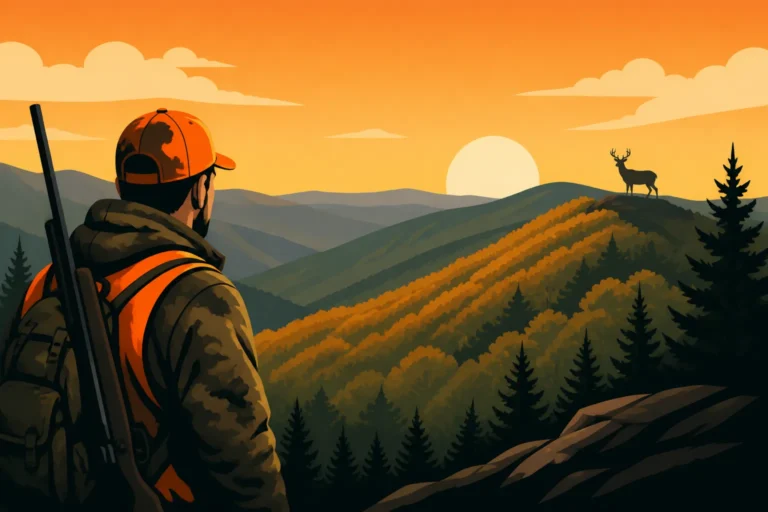
- Deer: Focus your deer hunting efforts on those critical transition areas we discussed, as well as sheltered benches along steep hillsides. During the peak of the rut, typically in mid-November, bucks will be moving more, actively seeking does, and might be found in more open areas than usual. This is a time when Hunting the West Virginia Rut in November can really pay off in challenging terrain. Look for rubs and scrapes along these travel corridors. While West Virginia's deer herd is robust, Dolly Sods deer tend to be a bit smaller-bodied due to the harsher environment, but their hardiness makes them a prized harvest.
- Bear: Black bears thrive in the thick, remote cover of Dolly Sods. Your best bet for bears is to key in on available food sources, which might be limited mast crops (like oak or beech on the fringes) or, more reliably, seasonal berry patches in the bogs or recent clear-cuts. Bear sign—scat, claw marks on trees, overturned rocks—will be your primary indicator. Still-hunting through known bear country, especially in the thickest cover where they might be bedded, can be effective. Patience is key, as bears often move quietly. For more bear-specific tactics, our guide on Hunting Bears Over Natural Mast in the Mountains offers valuable insights.
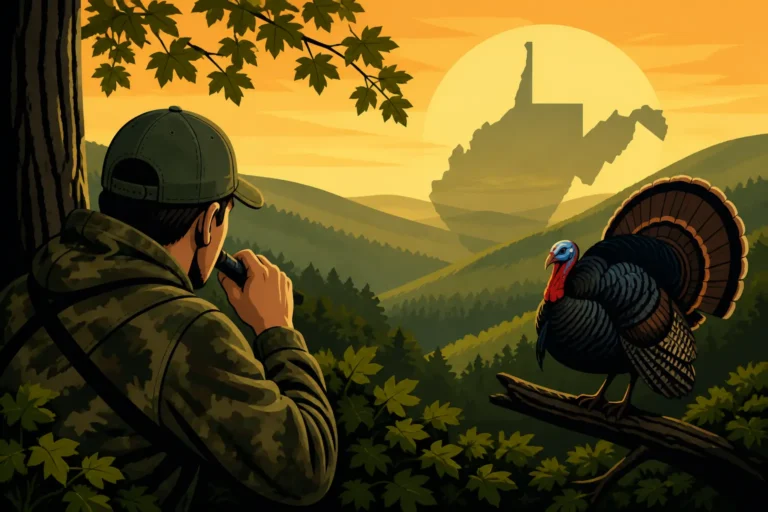
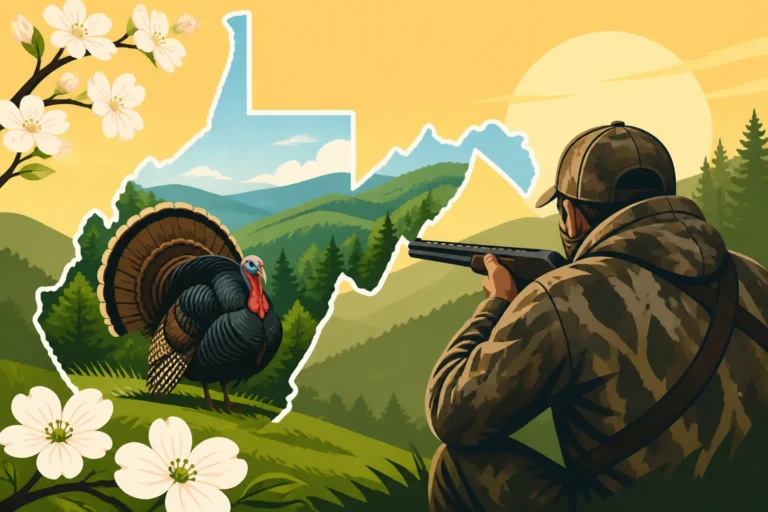
- Turkey: Spring turkey hunting in Dolly Sods can be incredibly rewarding but also tough. Gobblers will often roost in the tallest conifers on high points, and their calls can carry for miles in the crisp mountain air. Focus on locating birds on the roost at first light, then using run-and-gun tactics to get ahead of them as they move off to feed in more open areas or along the sparse hardwood ridges. Decoys can work, but sometimes a locator call followed by subtle yelps is all you need. Understanding Roost Hunting West Virginia Gobblers is a great starting point, and for more general information, check out our piece on Wild Turkeys in West Virginia.
Navigating Challenges and Ensuring Safety
The wildness that makes Dolly Sods so appealing to hunters is also what makes it inherently dangerous. Being prepared for unexpected challenges and prioritizing safety should be your top concern.
Weather Extremes and Rapid Changes
The high elevation of Dolly Sods means weather can be extreme and change with frightening speed. A sunny, mild morning can quickly turn into a bone-chilling fog, a torrential downpour, or even a sudden snow squall, even in early fall. Hypothermia is a very real threat. Always carry emergency rain gear, even on clear days, and dress in layers made of wool or synthetics, avoiding cotton entirely. An emergency shelter, such as a lightweight tarp or bivy sack, and a small fire-starting kit can be literal lifesavers. It's not about being comfortable; it's about being prepared to survive if conditions unexpectedly deteriorate. When planning a late-season hunt, consider reading about Cold-Weather Sitting Strategy in the Mountains to adapt your approach to the frigid conditions.
Navigation and Communication in Remote Areas
Cell service is virtually nonexistent throughout much of the Dolly Sods adjacent backcountry. Relying solely on your phone for navigation is a recipe for disaster. Always carry a physical map (like a USGS topographical map) and a traditional compass, and know how to use them. Supplement this with a dedicated GPS unit, or a smartphone app like GoHunt with downloaded offline maps. Better yet, carry both. Consider investing in a satellite messenger device (such as a Garmin inReach or Zoleo) for emergency communication, even if it's just to check in with loved ones. These devices can send text messages and, crucially, an SOS signal with your exact coordinates to emergency services, which can be invaluable when deep in the wilderness. Having GPS Units Versus Phone Apps for navigation is a critical debate, and in this terrain, redundancy is king. Always, always let someone know exactly where you are going and when you expect to return.
Dealing with Remote Game Recovery
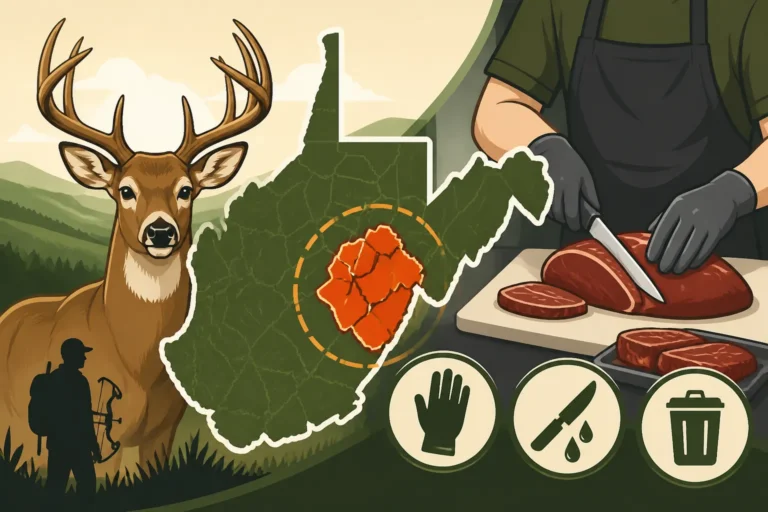
Perhaps the most daunting challenge after a successful shot in the Dolly Sods backcountry is game recovery. You might be miles from the nearest road, up a steep hollow, or deep in a spruce thicket. It's critical to have a plan for how you will get your animal out before you ever pull the trigger. Consider the terrain, the distance, and the potential for a long, arduous drag. Many hunters opt for boning out their deer or bear, carrying the meat out in game bags within a sturdy frame pack. This method, while labor-intensive, often makes a seemingly impossible recovery manageable. Tools like small hand saws, quality field dressing knives, and game bags are essential. If you track an animal into the evening, be prepared for Blood Trailing After Dark in West Virginia, which can be incredibly challenging without proper lighting and a clear plan. Understanding techniques like Dragging a Deer Off a Steep Ridge or Field Dressing a Deer in Cold Weather are not just helpful, they're essential skills for this environment.
Here's a quick checklist of essential items for hunting the Dolly Sods adjacent backcountry:
| Item | Purpose | Notes |
|---|---|---|
| Navigation | Map, Compass, GPS Unit (with extra batteries) | Redundancy is key; downloaded offline maps for phone apps. |
| Communication | Satellite Messenger/PLB | For emergency contact where cell service is absent. |
| Footwear | Waterproof, durable, broken-in hiking boots | Crucial for steep, rocky, and wet terrain. |
| Clothing | Layered system (wool/synthetics), waterproof outer | Adapt to rapid weather changes; avoid cotton. |
| Backpack | Sturdy, comfortable, sufficient capacity | Consider a frame pack for hauling out meat. |
| Optics | Binoculars (8x or 10x), Rangefinder | For glassing vast areas and accurate shot placement. |
| Emergency Shelter | Lightweight tarp, bivy sack, emergency blanket | For unexpected overnight stays or severe weather. |
| Fire Starter | Lighter, waterproof matches, tinder | Essential for warmth and signaling. |
| First Aid Kit | Comprehensive, with personal meds | For injuries, blisters, and minor ailments in remote areas. |
| Water Filter/Tablets | Hydration | Access to safe drinking water from natural sources. |
| Headlamp | With extra batteries | For early morning access and late-night game recovery. |
| Game Recovery | Field dressing knife, bone saw, game bags, drag rope | Prepare for gutless method or boning out in rough terrain. |
| Food | High-energy, non-perishable snacks | Sufficient for your planned trip + emergency extra. |
Important Disclaimer
Hunting is an inherently dangerous activity. This guide provides general information and recommendations, but individual circumstances and conditions can vary greatly. Always prioritize safety, adhere to all West Virginia hunting regulations, and ensure you are adequately prepared for the challenges of backcountry hunting. The author and publisher are not responsible for any accidents, injuries, or legal issues that may arise from using the information presented here.