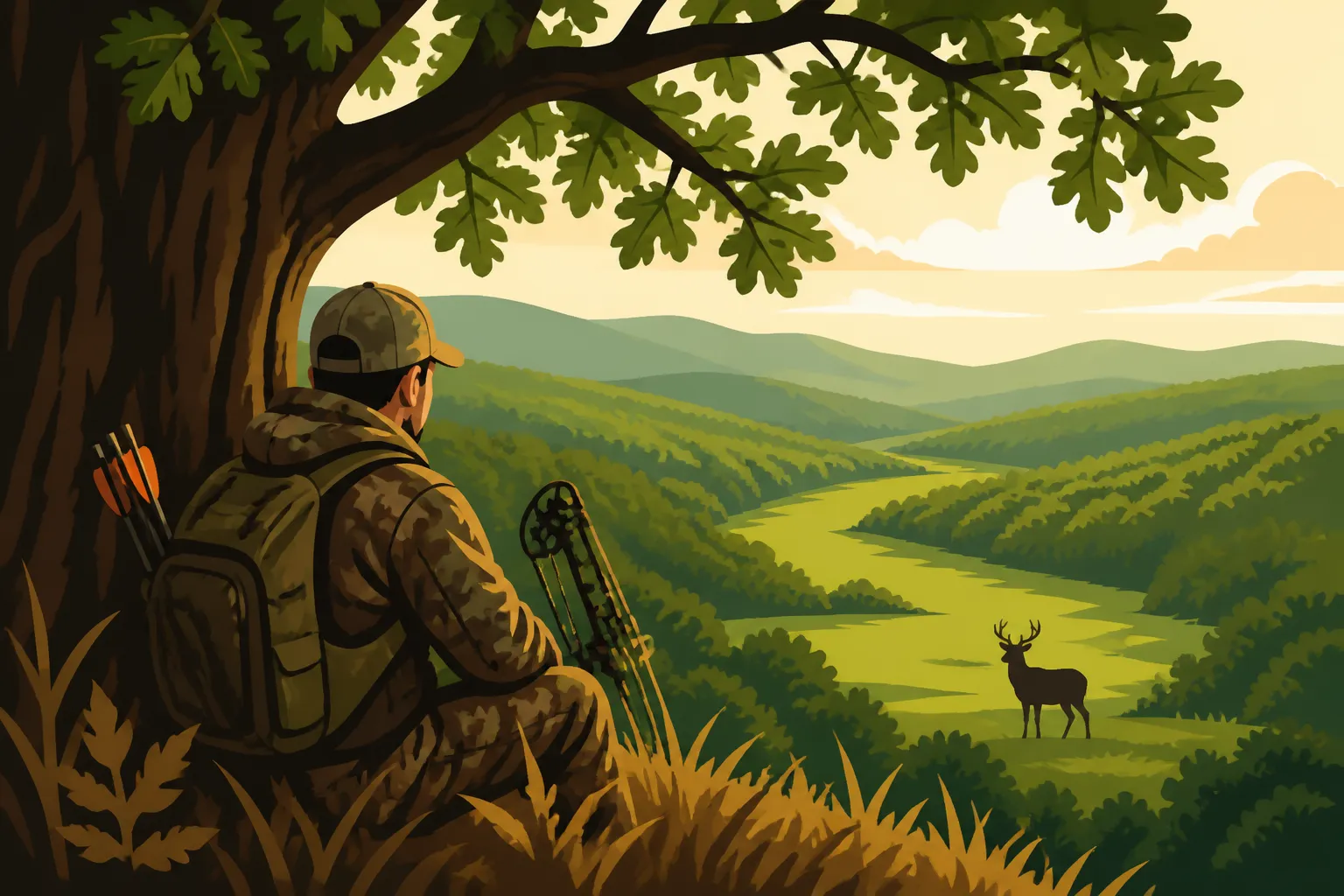
Reading Cuttings Under an Oak
We’ve all been there: you head into the woods, filled with anticipation, only to find the deer have seemingly vanished. Or maybe you've spotted some sign, but you can’t quite piece together where they’re actually eating. It’s a frustrating puzzle, but one of the most reliable and often overlooked clues to deer movement and feeding patterns in West Virginia lies right under our feet: acorn cuttings. Understanding how to "read" these small fragments can transform your deer hunting strategy, helping you pinpoint exactly where whitetails are filling their bellies. This guide will walk you through deciphering these vital clues to unlock more successful hunts.
The Allure of Oak Cuttings for West Virginia Hunters
When you’re hunting in the Mountain State, particularly through the vast tracts of the Monongahela National Forest or across numerous Wildlife Management Areas, oaks are king. Acorns represent a crucial, highly sought-after food source for West Virginia's deer herd, providing a dense, energy-rich meal that keeps them healthy and growing. Knowing which oaks are dropping and which ones the deer prefer is like finding the golden ticket to predicting their movements.
The Irresistible Draw of Acorns
Deer absolutely love acorns. They are a powerhouse of nutrition, packed with carbohydrates and fats that are essential for deer to build up reserves for the rut and to survive the lean winter months. When the acorn crop is good, deer will often abandon other food sources, like browse or agricultural fields, to gorge themselves under the oak canopy. This makes areas with heavy mast production incredibly attractive to hunters. A poor acorn year, on the other hand, can force deer to scatter in search of alternative foods, making your scouting even more critical. Understanding this preference is key to anticipating their behavior, especially when considering Hunting After a Poor Acorn Year.
White Oaks Versus Red Oaks: The Critical Difference
Not all acorns are created equal, and deer know the difference. West Virginia is home to many different oak species, but for hunters, the most important distinction is between white oaks and red oaks.
- White Oaks (e.g., White Oak, Chestnut Oak, Swamp White Oak): These typically drop their acorns earlier in the fall, often starting in late August through September. Their acorns are lower in tannin, making them taste sweeter and more palatable to deer. Deer will almost always prioritize white oak acorns when they are available. A "hot" white oak tree can be an absolute magnet for deer, especially during the early archery season. The cuttings you find under these trees will indicate prime early-season feeding activity.
- Red Oaks (e.g., Red Oak, Scarlet Oak, Pin Oak): Red oak acorns contain more tannins, which gives them a bitter taste. They also tend to drop later in the fall, often from October well into December, and sometimes even persist on the ground or in the caps through winter. While deer prefer white oaks, once the white oak acorns are depleted, red oak acorns become a critical food source, especially as the season progresses into the colder months. This makes them vital for understanding Late-Season Food Sources for West Virginia Whitetails.
Knowing which type of oak you’re under and what stage of the season you’re in will tell you a lot about the deer’s current preferences. A patch of red oaks might look quiet in September, but come November or December, it could be bustling with activity once the white oaks are gone.
Identifying Fresh Deer Cuttings Under Oaks
Alright, you’re standing under a majestic oak, leaves crunching underfoot. There are acorn fragments everywhere. But how do you know if deer are the ones feasting, and more importantly, when they were there? Distinguishing fresh deer cuttings from those left by squirrels or other critters, and understanding their age, is paramount.
What Deer Cuttings Look Like
Deer don't just swallow acorns whole; they chew them. This creates a very distinct "cutting" pattern.
- The Cap and the "Bite": Deer typically bite off the cap of the acorn and then chew the nut itself. You'll often find acorn caps cleanly separated from the nut. The nut fragments themselves will usually be in irregular, chewed pieces, not neatly shelled halves. Look for ragged edges on the remaining acorn shell fragments.
- Smaller, Irregular Pieces: Unlike squirrels, which often leave distinct halves or larger, cleaner fragments after meticulously shelling an acorn, deer tend to crunch them into smaller, more irregular pieces. The remnants will often be mixed with leaf litter, and you might see a "meal" rather than scattered, precise shells.
- Droppings Nearby: The ultimate confirmation that deer are feeding is finding fresh deer droppings mixed in with the acorn fragments. If you see piles of deer pellets, especially soft, dark, and moist ones, it’s a sure sign that deer have been recently active in that spot.
Contrast this with squirrel activity: squirrels will leave behind neatly split acorn halves or a pile of tiny, shredded pieces as they meticulously remove the meat. Turkeys will often swallow smaller acorns whole or leave larger, cracked pieces. Learn to differentiate these patterns, and you’ll save yourself a lot of wasted time.
The Freshness Factor: How to Tell
Identifying deer sign is one thing; knowing how recent it is, is another. This is where the real art of scouting comes in.
- Color and Moisture: Fresh acorn cuttings, especially from white oaks, will still retain some of their natural color – a creamy white or light tan inside the shell. They'll also feel slightly moist or supple. Older cuttings will be darker, faded, brittle, and dry. After a rain, fresh cuttings might be darker on the outside but still show a lighter, moister interior if you break a piece.
- Crunch Factor: New cuttings will still have a bit of a "crunch" when you step on them, or if you try to break a larger piece between your fingers. Old, weathered cuttings will be soft, crumbly, or completely decomposed.
- Leaf Litter Disturbance: Look at the surrounding leaf litter. Fresh cuttings will often be on top of or slightly mixed into recently disturbed leaves. If it's been windy or rainy, the leaves might have shifted, covering older cuttings but leaving fresh ones exposed. A heavy frost or a significant rain will quickly degrade the appearance of fresh cuttings, so always consider the recent weather.
- Associated Tracks: If the ground is soft or muddy, or there's a light dusting of snow, you'll often find fresh deer tracks mixed with the cuttings. This is undeniable proof of recent activity. Consider using a mapping app like GoHunt to mark these fresh signs, helping you track patterns over time. This can also help you understand Reading West Virginia Mud for Fresh Deer Movement.
Remember, deer are creatures of habit. If you find fresh cuttings under a specific tree or clump of oaks, there's a very good chance they'll be back, especially if it’s a consistent food source.
Translating Acorn Cuttings into Hunting Success
Finding fresh cuttings is fantastic, but it's just the first step. The real payoff comes from using that information to inform your hunting strategy, from where you place your stand to when you decide to hunt. This is where you connect the dots between food sources and deer behavior.
Strategic Stand Placement Near Active Feed Trees
Once you’ve identified a "hot" oak with fresh deer cuttings, your next thought should be, "How can I hunt this effectively?"
- Wind is King: Always, always play the wind. Deer have an incredible sense of smell. You need to position your stand so that your scent blows away from where the deer will approach and feed. This often means being downwind of the primary feeding area. Remember that Wind and Thermals on a Steep Ridge can be tricky in West Virginia's mountainous terrain, so careful observation is key.
- Entry and Exit Routes: Plan your approach and departure so you don't spook deer in or around the feeding area. Use natural terrain features like creek bottoms, draws, or ridge lines to sneak in and out undetected. An ideal setup allows you to get to your stand before dawn or leave after dark without bumping deer. This is crucial for successful Hanging a Stand on a Steep Allegheny Ridge.
- Overlooking the Trails: While the cuttings tell you where they eat, the real hunting might be done on the trails leading to and from the oak stand. Look for heavily used deer trails that converge on the active oaks. A stand placed overlooking one of these primary travel corridors, especially where a funnel exists, can be incredibly effective. Consider how a funnel might form between two hollows as deer move to feed, a great place for Hunting a Funnel Between Two Hollows.
- Bedding Proximity: Deer typically bed relatively close to their primary food sources. Use a tool like GoHunt to examine aerial photos for potential bedding areas (thick cover, benches on hillsides) uphill and downwind from the feeding oaks. This helps you understand Where Monongahela Forest Bucks Bed and how they might travel to feed.
Timing Your Hunt: When to Hunt the Oaks
Just because deer are feeding under an oak doesn’t mean they’re there all day. Timing your hunt correctly can be the difference between seeing deer and seeing nothing.
- Morning vs. Evening: Generally, deer will hit food sources during the low-light hours of dawn and dusk. For morning hunts, aim to be in your stand well before first light, catching deer as they transition from feeding back to bedding. In the evening, get in position a few hours before dark to intercept them as they move from bedding to feed.
- Weather Impact: Cold fronts, especially after a period of stable weather, often trigger increased feeding activity as deer try to pack on calories. Rainy days, particularly light drizzles, can also be good as the sound of the rain helps mask your approach and movement. However, heavy downpours usually put deer down.
- Season Progression: The prime time for white oaks is early season (September, October). As November approaches, and especially during Hunting the West Virginia Rut in November, bucks might still hit food sources but their primary focus shifts to breeding. By late November and into Hunting the Late-Season December Lull, red oaks often become the most important food source as white oak acorns are depleted. Adjust your focus accordingly.
Scouting Beyond the Tree: Using Cuttings to Find Travel Routes
The true power of identifying active acorn cuttings isn't just about finding the exact tree; it's about understanding the bigger picture of deer movement.
- Connecting the Dots: Fresh cuttings are a starting point. From that oak, fan out and look for other sign: tracks, rubs, scrapes, and well-worn trails. These will show you how deer are getting to and from that feeding area. Are they coming off a specific ridge? Crossing a creek? Using a logging road?
- Finding Funnels and Pinch Points: Deer prefer the path of least resistance. Look for natural funnels – saddles, narrow strips of timber between open fields, creek crossings, or thickets that force deer into a predictable travel corridor. If an active oak stand is near one of these, you’ve found a high-odds ambush point.
- Using Topographical Maps: Combine your ground scouting with topographical maps or digital mapping tools. Identify benches, draws, and ridge lines that connect known bedding areas to the active oak stands. Deer often travel along these features, especially on steep slopes. With a tool like GoHunt, you can layer satellite imagery with topo lines to visualize these connections and mark key points.
By systematically scouting for and interpreting acorn cuttings, you’re not just looking at fragments on the ground; you’re piecing together the daily lives of West Virginia’s whitetails, significantly increasing your chances of a successful hunt.
| Oak Type | Acorn Drop Time | Tannin Content | Deer Preference (Early Season) | Importance (Late Season) |
|---|---|---|---|---|
| White Oak | Late August-October | Low (sweeter) | High (primary food source) | Low (acorns quickly depleted) |
| Red Oak | October-December | High (bitter) | Low (secondary food source) | High (critical, often the only natural mast remaining, essential for deer preparing for winter and the rut) |
This table provides a quick reference for distinguishing between the two main types of oaks and their significance throughout the hunting season. Remember that the preference can shift as the season progresses and preferred food sources become scarce.
Disclaimer
Hunting and outdoor activities carry inherent risks. Always prioritize safety, understand and follow all West Virginia hunting regulations, and ensure you are properly trained and equipped for your chosen activity. The information provided here is for educational and informational purposes only and should not replace professional guidance or local expertise.