Hunting Where Gun Deer Season Is Banned Entirely
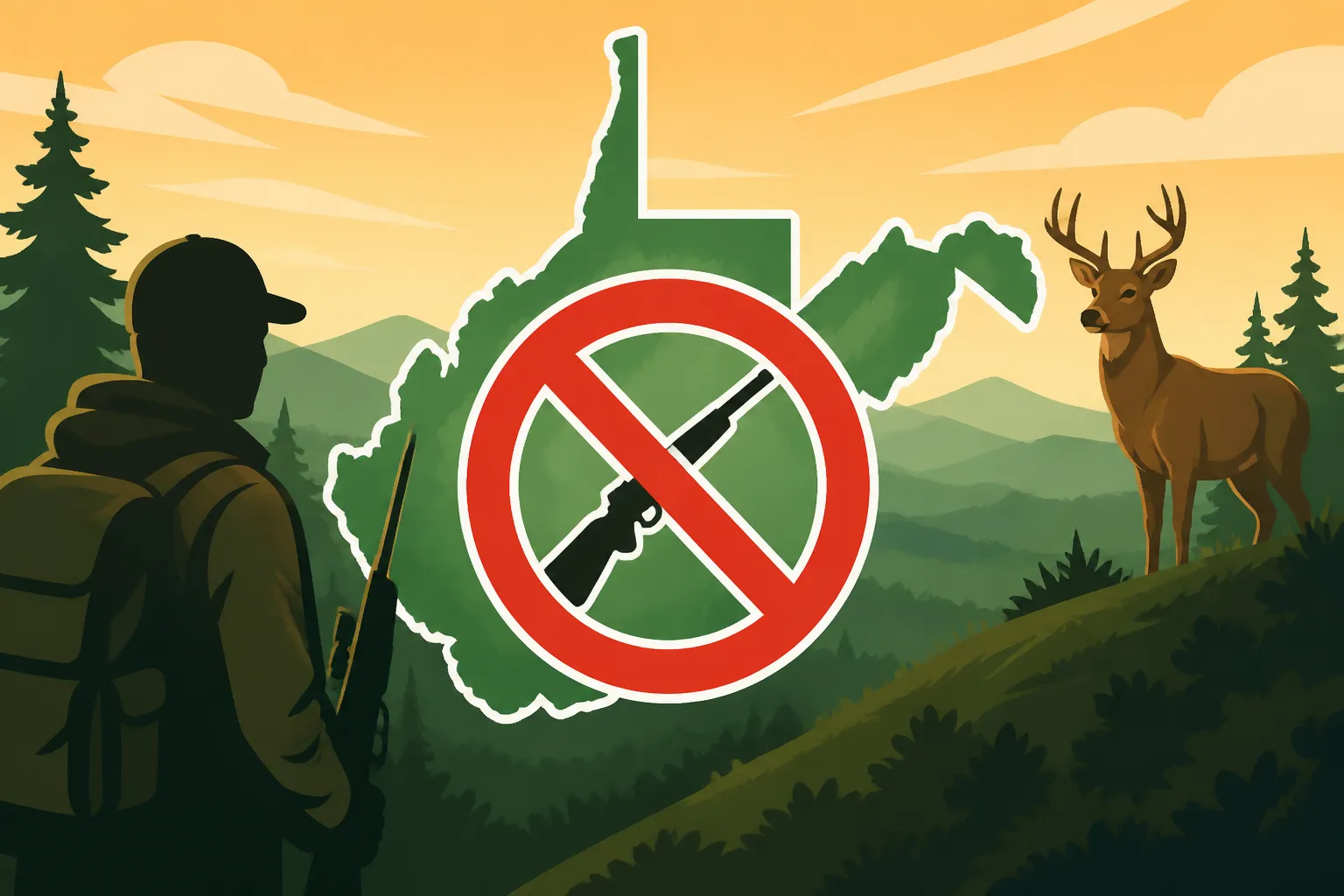
It can be incredibly frustrating to spend hours scouting, poring over maps, and finally pinpointing that perfect ridge or hollow teeming with deer sign, only to discover it lies within a region where gun season for deer is entirely off-limits. For many hunters, especially those new to West Virginia or accustomed to more traditional rifle hunting, this distinction can be a real head-scratcher. This guide aims to clear up that confusion, diving deep into West Virginia's unique archery-only counties and equipping you with the knowledge and tactics to successfully pursue deer exclusively with a bow or crossbow in these special zones.
Understanding West Virginia's Archery-Only Counties
West Virginia is a state known for its diverse hunting opportunities, but it also has some unique regulations that can catch hunters off guard. One of the most significant differences lies in its archery-only counties for deer. It's not just a minor tweak; it's a complete shift in how deer season operates in these specific regions.
Why Certain Counties Are Archery-Only
The decision to designate certain counties as archery-only for deer hunting wasn't made lightly. Historically, these areas, primarily located in the southern coalfields, faced a combination of factors that led to this unique management strategy. We're talking about counties like Logan, McDowell, Mingo, and Wyoming. These regions tend to have a higher population density in certain valleys and communities, coupled with incredibly steep, rugged terrain that can make traditional rifle hunting less safe for both hunters and non-hunters.
Imagine a deer drive on a steep hillside where houses are tucked into every hollow. The risk of stray bullets in such areas is significantly higher. The West Virginia Division of Natural Resources (WVDNR) implemented the archery-only rule to provide hunting opportunities while mitigating these safety concerns. It also helps manage deer populations in areas where public hunting access might be more fragmented, and where the deer herd has historically been under different pressures. This isn't just about safety; it's about a tailored approach to wildlife management that acknowledges the specific landscape and community dynamics of these unique areas. It's a recognition that not all of West Virginia is cut from the same cloth when it comes to deer habitat and human interaction. If you're looking to understand more about these specific areas, a deeper dive into Why Four Southern Counties Skip Gun Season can provide more context.
Season Dates and Bag Limits in These Zones
While the core principle is "archery-only," the season dates and bag limits largely mirror the statewide archery and crossbow seasons. Generally, West Virginia's archery season runs from late September through the end of December, with a brief split in mid-November for the traditional buck gun season, which doesn't apply in these specific counties. This means in Logan, McDowell, Mingo, and Wyoming, you get a consistent, uninterrupted archery season that often provides incredible opportunities, particularly during the rut.
For antlered deer, the statewide bag limit usually applies, allowing for two antlered bucks per license year. Antlerless opportunities are typically quite liberal in these counties, often aligning with the statewide Class N or Class NN stamps, allowing for multiple antlerless deer. However, it is absolutely crucial to check the current year's West Virginia hunting regulations manual, as these specifics can change annually. The WVDNR website and their printed manuals are your best friends here. For a comprehensive overview of how the season runs in general, check out How West Virginia's Season Runs Archery to December. This long, open season, particularly with the absence of gun pressure, can lead to different deer behavior patterns, often making deer less wary than in heavily gun-hunted areas.
Navigating GoHunt for Archery-Only Maps
In today's hunting world, digital mapping tools are indispensable, and for identifying and understanding these archery-only counties, an app like GoHunt can be a game-changer. While not explicitly designed for West Virginia, many similar robust mapping platforms offer layers that display public land boundaries, property lines, and often state-specific regulations or county lines.
When you're planning a trip to one of these archery-only areas, like Logan County, for example, GoHunt can help you visually confirm county boundaries, ensuring you're operating within the correct regulations. You can overlay different map types, mark waypoints for potential stand locations, and even check ownership for private land. This is critical because accidentally straying into a different county with different regulations could lead to serious issues. Using GoHunt to visualize the terrain, identify potential access points, and mark out your hunting zones is an essential step in preparing for a successful archery hunt in these unique West Virginia locations. It essentially brings the regulations to life on your screen, making it much easier to plan and execute your hunt with confidence. If you're interested in general mapping strategies, Scouting With the WVDNR App is another great resource.
Adapting Your Approach for Archery-Only Hunting
Hunting in an archery-only county demands a different philosophy than a traditional gun season hunt. The core difference isn't just the weapon; it's the required proximity to the animal, demanding a higher level of skill, stealth, and intimate knowledge of deer behavior.
The Mindset Shift: Stealth and Precision
When you're hunting with a rifle, a deer at 150 or 200 yards is a perfectly viable shot, offering a margin for error that archery simply doesn't allow. With a bow or crossbow, your effective range dramatically shrinks, often to 20-40 yards for most ethical hunters. This means you need to get much closer. This necessity for close quarters changes everything. You can't rely on brute force or long-range precision; instead, you become a student of the wind, the thermals, and every rustle of leaves underfoot.
The mindset shifts from "spot and shoot" to "stalk and ambuscade." You need to move like a shadow, taking two steps, then pausing for five minutes, scanning, listening, and smelling. Scent control becomes paramount, not just a suggestion. Every piece of gear that makes noise is a liability. Your shots must be precise, aiming for vital areas that offer quick, humane kills. The pressure is on, and the success often comes down to who makes the fewest mistakes. This intense focus on detail can be incredibly rewarding, pushing your hunting skills to a new level.
Gear Considerations for Bowhunting Success
Your equipment choice is obviously foundational for an archery-only hunt. A reliable bow or crossbow, properly tuned, is just the beginning. The biggest factor is ensuring your setup can consistently deliver tight groups at your maximum ethical range.
Key Gear Considerations:
- Bow/Crossbow: Ensure it's sighted in and you've practiced extensively from various positions – standing, kneeling, sitting, even at awkward angles that might mimic a real-world shot from a treestand or ground blind.
- Broadheads: This is where opinions diverge, but the goal is always maximum penetration and quick incapacitation. Fixed blade broadheads are known for their reliability and penetration, especially through bone, but require excellent tuning. Mechanical broadheads offer larger cutting diameters upon impact, which can create a more substantial blood trail, but their deployment mechanisms can sometimes fail or be less effective on steep angles or heavy bone. Research and personal preference, combined with extensive practice, should guide your choice.
- Treestands/Saddles: Mobile setups are often key on public lands, especially in the rugged terrain of West Virginia. Lightweight climbing sticks and a comfortable saddle or a compact hang-on stand allow you to adapt to new sign or changing deer patterns quickly. Stability and quietness are paramount.
- Ground Blinds: While sometimes limiting your visibility, a well-placed and brushed-in ground blind can be incredibly effective, especially if you're hunting in thick cover or near field edges where you need to disappear.
- Clothing: Beyond standard camouflage, consider scent-control clothing to minimize human odor. Layers are crucial for West Virginia's fluctuating temperatures, especially during the long archery season from early fall into late December.
For a deeper dive into equipment choices specific to our mountain state, check out Bow and Crossbow Setups for West Virginia. It's not just about having the gear, it's about mastering it.
Scouting Strategies for Archery-Only Terrain
Effective scouting is always important, but in archery-only areas, it's absolutely non-negotiable. You're trying to pinpoint specific deer movement patterns that will bring an animal within 30 yards, not 150. This means you need to be incredibly detailed in your reconnaissance.
Archery-Focused Scouting:
- Early Season Recon: Start long before the season opens. In late summer or early fall, get out there to identify perennial food sources (acorns, soft mast), established travel corridors, and bedding areas. Look for rub lines and scrape lines – these are literal calling cards for bucks.
- Trail Cameras: Deploy trail cameras strategically along trails, pinch points, and near food sources. They are invaluable for identifying specific deer, their routines, and the times they move through an area. Remember to check local regulations on trail camera use on public land if you're venturing onto WMAs or National Forests.
- Focus on Funnels and Pinch Points: Deer, especially mature bucks, often use terrain features to their advantage. Look for saddles between ridges, narrow strips of timber between open fields, creek bottoms, or benches along steep hillsides. These natural funnels concentrate deer movement and increase your chances of an encounter.
- Bedding Area Proximity: While you don't want to intrude on bedding areas, understanding where deer feel safe and rest is crucial. Look for thickets, laurel patches, and dense regrowth on sunny slopes. Set up downwind of these areas, along their likely entry or exit routes to feeding grounds.
- Understanding Terrain and Thermals: In West Virginia's rugged landscape, thermals (air currents that rise with warming temperatures and fall with cooling temperatures) play a huge role. Deer will often move with the thermals. Plan your approach and stand placement to account for these predictable air movements, always keeping the wind in your favor.
Understanding the specific nuances of Hunting the Southern Archery-Only Counties will give you a leg up, as these areas often have distinct characteristics compared to other parts of the state.
Tactics for Engaging Deer in Archery-Only Areas
Once you've done your scouting and understand the terrain, it's time to put those insights into action. Success in archery-only areas often comes down to precise execution of well-thought-out tactics.
Still-Hunting and Stalking Techniques
Still-hunting is perhaps the most challenging and rewarding form of archery hunting, especially in dense West Virginia woods. It requires an incredible amount of patience, observation, and discipline. The goal is to move so slowly and deliberately that you detect the deer before it detects you.
Effective Still-Hunting:
- Move Against the Wind/Crosswind: This is non-negotiable. You must keep your scent out of the deer's nose.
- Take Your Time: Think in terms of minutes per step, not steps per minute. Take one or two steps, then pause, scan, and listen for several minutes. Use your binoculars to pick apart every shadow and piece of cover.
- Utilize Cover: Move from tree to tree, using natural obstructions to break up your silhouette. Stay in the shadows whenever possible.
- Watch for Movement, Not Just Deer: Often, you'll spot a flick of an ear, a twitch of a tail, or a horizontal line that doesn't belong before you see the whole animal. Trust your peripheral vision.
- Embrace the Climb: Deer often bed on benches and flats halfway up a ridge. Don't be afraid to hunt these less-traveled areas.
- Understand Thermals: As discussed, thermals rise in the morning and fall in the evening. Plan your route so your scent is carried away from potential bedding or feeding areas. This is especially true when still-hunting steep Allegheny ridges, a concept explored in Still-Hunting Cranberry WMA Ridges.
Treestand and Ground Blind Placement
Whether you prefer hunting from an elevated position or the ground, strategic placement is key to getting within bow range. Your setup needs to be quiet, concealed, and allow for a clean shot.
Optimal Stand/Blind Placement:
- Elevated Advantage (Treestands): A treestand offers a wider field of view and helps keep your scent above a deer's nose. Look for trees along major travel corridors, near food sources, or bordering thick bedding cover. Position yourself downwind or crosswind of the expected deer movement. Consider natural funnels like saddles, creek crossings, or breaks in dense timber. The more natural cover around your stand, the better. For more insights, refer to Treestand Setups in Monongahela National Forest.
- Concealment on the Ground (Ground Blinds): Ground blinds work best in areas with ample natural cover for brushing in. Think thick evergreen stands, brush piles, or along dense hedgerows. Position your blind to overlook natural feeding areas, scrape lines, or pinch points. The key is to blend in completely. Practice shooting from your blind to ensure you have clear lanes for an ethical shot. A well-placed blind offers excellent concealment for fidgety hunters or those bringing along a youth hunter for the first time.
- Entry and Exit Routes: Plan your path to and from your stand or blind meticulously. You want to be able to get in and out without spooking deer. Use natural terrain features or existing logging roads to your advantage, always considering wind direction.
Calling and Decoying Strategies
While not as universally effective for archery as for gun hunting (due to the closer range requirement), calling and decoying can still be potent tools during the right phases of the season, particularly during the rut.
Strategic Use of Calls and Decoys:
- Soft Grunts and Bleats: During the early season and into the pre-rut, soft doe bleats or subtle buck grunts can pique a deer's curiosity and draw them a few extra yards into range. Avoid aggressive calling unless you're confident a buck is nearby and responsive.
- Rattling: As the rut approaches and peaks (often in mid-November in West Virginia), rattling antlers can simulate a buck fight and attract curious or aggressive bucks. Start with light sparring, gradually increasing intensity. Always be ready for a shot, as bucks can come in fast and from unexpected directions. More on this can be found in Rattling and Grunting in West Virginia.
- Decoys: Deer decoys can be effective, especially during the rut. A single doe decoy or a small buck decoy positioned strategically downwind of your stand can draw a real deer into bow range, often causing them to focus on the decoy rather than your position. However, decoys require careful placement and understanding of deer body language. They can also attract other hunters, so safety is paramount. Make sure your decoy isn't going to draw unwanted attention or create a dangerous situation.
- Timing is Everything: Calls and decoys are most effective when deer are actively seeking mates or establishing dominance. In the peak of Hunting the West Virginia Rut in November, deer are often less cautious and more prone to respond. In other phases of the season, a more subtle approach is usually better.
Post-Shot Procedures and Recovery
The shot is only half the battle. Ethical hunting means doing everything in your power to recover your animal quickly and humanely. This is particularly challenging with archery, where blood trails can sometimes be minimal.
Ethical Tracking and Recovery
After the shot, the most important thing is often patience. Don't rush out of your stand immediately, no matter how good you think the shot was.
Tracking Protocols:
- Wait It Out: For a suspected gut shot, wait at least 6-8 hours, preferably longer, or even overnight if temperatures allow. For a lung or heart shot, waiting 30-60 minutes is generally sufficient. Rushing a deer can push it further, making recovery much harder.
- Mark the Spot: Before you leave your stand, clearly mark the exact location where the deer was standing when you shot it and the spot where you last saw the deer. Use bright flagging tape or a GPS waypoint.
- Look for Initial Sign: Upon reaching the shot location, look for your arrow, blood, hair, bone fragments, or stomach contents. The type and amount of blood can give you clues about the shot placement.
- Slow and Steady: Begin tracking slowly, marking every drop of blood, every bent blade of grass, or scuffed leaf. Walk to the side of the trail, not directly on it, to avoid disturbing sign.
- Call for Help: If the trail becomes sparse or disappears, don't hesitate to call a friend or fellow hunter to help grid search. Two sets of eyes are always better than one. In West Virginia's rugged terrain, this can be the difference between recovery and a lost animal.
- Grid Search: If all else fails, establish a grid pattern around the last known blood and systematically search.
- Challenges of West Virginia Terrain: Tracking a Deer Through West Virginia Leaf Litter can be incredibly difficult. The dense undergrowth, steep slopes, and rocky ground can make blood trailing a nightmare. Be prepared for a tough recovery, bring extra lighting if hunting late, and always carry a first-aid kit.
Handling Your Harvest in Warmer Temperatures
West Virginia's archery season opens in late September, when temperatures can still be quite warm, especially in the southern counties. Proper meat care is crucial to prevent spoilage and ensure delicious venison.
Meat Care in the Field:
- Field Dressing ASAP: As soon as you recover the deer, field dress it immediately. This removes the internal organs, which retain heat and can rapidly spoil the meat. Get it done, even if you're exhausted.
- Cooling the Carcass: Once field dressed, try to get air circulating around the carcass. Prop it open, if possible. If you're near a stream, carefully rinse out the body cavity to remove any remaining blood or debris.
- Transport and Chill: Get the deer out of the woods and to a cooler place as quickly as possible. If transporting in a truck bed, avoid direct sunlight. Pack the body cavity with ice or frozen water bottles to rapidly lower the internal temperature.
- Processing: Have a plan for processing your deer quickly. Whether you do it yourself or take it to a local butcher, timely processing is critical for meat quality.
- Game Bags: For longer recoveries or warmer days, quality game bags can protect the meat from flies and debris while allowing it to breathe and cool. More specific guidance on this can be found in Meat Care Gear for West Virginia Hunters.
Remember, responsible hunting extends beyond the shot. It's about respecting the animal, ensuring a clean kill, and taking care of the harvest properly.
Here's a quick comparison of general rules for archery-only versus statewide gun season counties:
| Feature | Archery-Only Counties (e.g., Logan, McDowell) | General Gun Season Counties |
|---|---|---|
| Legal Weapon for Deer | Archery (bows, crossbows) ONLY | Archery, Muzzleloader, Shotgun, Rifle |
| Season Length | Extended, uninterrupted archery season | Archery, then a dedicated gun season |
| Primary Safety Concern | Terrain, proximity to communities | Bullet trajectory, public safety |
| Deer Pressure | Generally lower archery pressure | Can be high during gun season |
| Hunter Density | Often lower overall hunter density | Varies, can be very high during gun season |
| Required Gear | Archery gear, extensive scent control | Varied, rifle/shotgun, less close-range |
| Mandatory Blaze Orange | Not required for archery hunters | Required for gun season hunters |
Disclaimer
Please remember that hunting regulations in West Virginia can change. While this guide provides a comprehensive overview, it is essential to consult the most current West Virginia Hunting and Trapping Regulations Summary, published annually by the West Virginia Division of Natural Resources (WVDNR), before heading afield. Local ordinances or specific WMA rules may also apply. Stay safe and hunt responsibly.