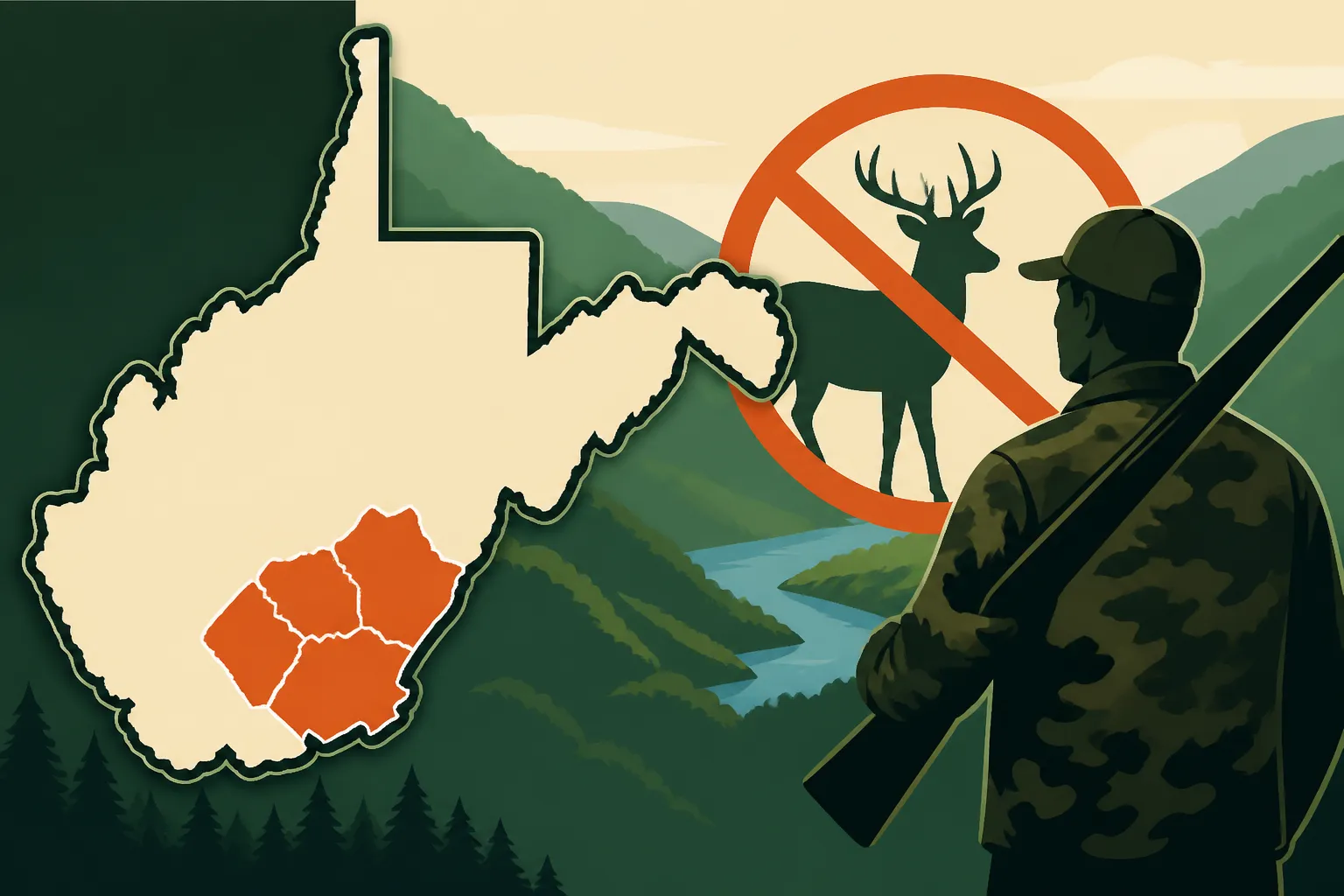
Why Four Southern Counties Skip Gun Season
It can be incredibly frustrating and confusing when you're trying to plan your West Virginia deer hunt, only to discover that some counties operate under completely different rules. Especially for those who prefer firearms, finding out that certain areas entirely skip buck gun season can throw a wrench in your plans. This guide is here to unravel that mystery, explaining why these four southern counties have unique archery-only regulations and offering practical advice for hunting successfully within them.
The Unique History and Rationale for Archery-Only Zones
When you look at a map of West Virginia's hunting regulations, those four southern counties – Logan, McDowell, Mingo, and Wyoming – stand out. They're a bit of an anomaly, and it's not by accident. Their status as archery-only zones for deer hunting is rooted in a fascinating mix of historical tradition, unique geographical challenges, and specific wildlife management objectives. It’s a testament to how local context can shape statewide policies.
A Legacy of Archery Tradition and Local Culture
For generations, hunting in these rugged southern counties has often revolved around stealth, patience, and skill. Before modern firearms became ubiquitous, and even well into the 20th century, the dense forests, steep hollows, and remote terrain naturally lent themselves to a more intimate form of hunting. Trapping and still-hunting with primitive weapons were common, fostering a strong connection to traditional methods. When modern hunting regulations began to take shape, there was a deeply ingrained preference among local hunters and communities to preserve a hunting experience that emphasized close-range engagement and minimized the impact of high-powered rifles. It wasn't just about limiting harvest; it was about maintaining a certain ethos of hunting.
Think about the landscape itself. These aren't the rolling farmlands of the Eastern Panhandle where a 300-yard shot might be common. Instead, you're dealing with incredibly steep grades, thick laurel and rhododendron thickets, and deep, winding hollows that make long-range visibility a rarity. A bowhunter, accustomed to working within 20 to 40 yards, often feels right at home in such an environment. The terrain itself provides a natural equalizer, making bowhunting not just a preference, but often a practical necessity for many local hunters navigating these challenging woods. The decision to keep these areas archery-only was, in part, a nod to this enduring cultural and geographical reality, acknowledging that the hunting experience here is inherently different.
Wildlife Management Goals and Pressure Reduction
Beyond tradition, the West Virginia Division of Natural Resources (WVDNR) also has strategic wildlife management goals for these counties. While deer populations are generally robust across the state, some areas can experience more intense hunting pressure during gun season, especially on public lands or easily accessible private tracts. By designating Logan, McDowell, Mingo, and Wyoming as archery-only, the WVDNR effectively reduces the overall harvest pressure from firearms, which can be particularly impactful on buck populations.
This approach often allows for older age-class bucks to develop within these specific zones, offering a different kind of challenge and reward for bowhunters. It means that while you might not have the sheer numbers of deer you'd find in a prime agricultural area, the deer that are there might be warier, wiser, and potentially larger. It's a nuanced way to manage the herd, creating areas where deer have a greater chance of surviving past their first year, ultimately contributing to a healthier and more balanced population structure. This localized management strategy helps to diversify hunting opportunities across the state, ensuring that there's something for every type of hunter, from those seeking a quick gun hunt to those dedicated to the extended challenge of "Bowhunting West Virginia's Long Archery Season".
Navigating West Virginia's Archery-Only Regulations in the Southern Counties
So, you've heard these southern counties are archery-only, but what does that actually mean when you're planning your trip? It's more than just leaving the rifle at home; it involves understanding specific weapon restrictions, season lengths, and even how you check your game. Getting these details right is crucial for a legal and successful hunt.
What "Archery-Only" Truly Means for Hunters
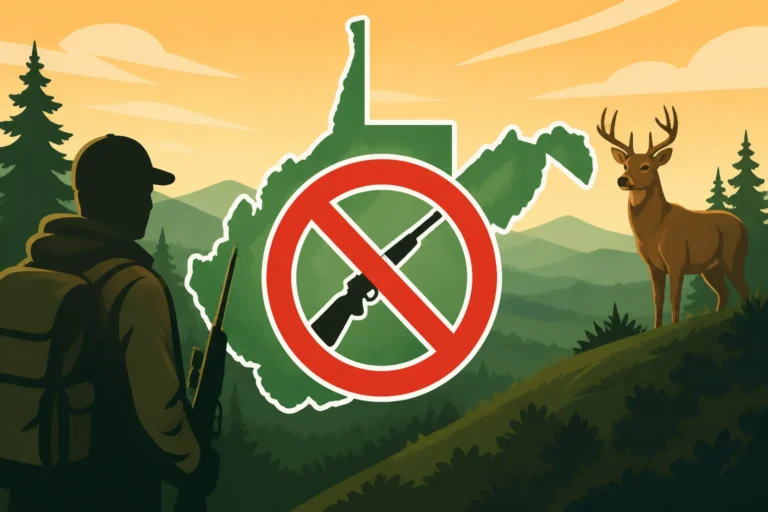
First and foremost, "archery-only" for deer in these four counties means exactly what it sounds like: you can only hunt deer with archery equipment. This includes traditional bows (recurve, longbow), compound bows, and crossbows. No rifles, no shotguns, and no muzzleloaders are permitted for deer hunting during any season within Logan, McDowell, Mingo, or Wyoming counties. This is a significant deviation from the general "West Virginia Deer Season Structure Explained", which offers various weapon seasons throughout the state.
Crossbows are explicitly allowed during the regular archery season in West Virginia, so if that's your preferred tool, you're good to go in these zones. However, it's always smart to double-check the latest WVDNR regulations, as rules can occasionally be updated. The season length for deer in these counties is generally very liberal, running concurrently with the statewide archery season, which is one of the longest in the nation. This extended season offers a fantastic opportunity for dedicated bowhunters to spend a lot of time in the woods, from the crisp days of early fall right through the cold of late December. For a complete understanding of crossbow regulations, you might want to look into "Crossbow Rules During West Virginia Archery Season".
License Requirements and Game Checking
When it comes to licenses, you'll need the standard West Virginia hunting license that applies to your residency status (resident or non-resident), along with the appropriate deer stamps. These are the same basic requirements you'd have for hunting deer anywhere else in the state. However, it’s always wise to confirm you have all necessary stamps, such as the base hunting license and a Big Game tag, which typically covers deer, bear, and turkey. Information on "West Virginia Hunting Licenses and What They Cost" can be found on the WVDNR website, and you can usually purchase them conveniently online.
Once you harvest a deer in one of these archery-only counties, the game checking requirements are identical to the rest of the state. You are legally obligated to report your harvest to the WVDNR. This can typically be done through their online system, a phone app, or by calling a toll-free number. It's important to understand the "West Virginia Deer Reporting Requirements" to ensure you're compliant. Failing to check your game within the specified timeframe can lead to fines and penalties. Many hunters utilize mapping and information platforms like GoHunt to keep track of regulations, access points, and even to log their hunts, ensuring they stay organized and compliant with local rules.
Effective Archery Strategies for Challenging Terrain
Hunting in West Virginia's southern archery-only counties is a unique experience. The combination of rugged topography, dense cover, and often-pressured deer calls for specific strategies that leverage a bowhunter's strengths. Success here isn't just about good shooting; it's about smart planning and intimate knowledge of the land.
Scouting and Stand Placement in Rugged Hollows
The terrain in Logan, McDowell, Mingo, and Wyoming counties is famously steep and broken. You'll encounter deep hollows, sharp ridges, and dense patches of timber and undergrowth. This landscape makes pre-season scouting absolutely paramount. You can't just drive around and expect to spot deer in fields; you'll need to put in boot leather. Start by studying topographical maps and aerial photos. Tools like GoHunt are invaluable for this, allowing you to identify potential travel corridors, benches, saddles, and water sources from your computer before you even step foot in the woods. Look for pinch points where deer movement is naturally funneled. These areas, like saddles between two peaks or narrow strips of timber between open areas, can be gold mines for stand placement.
When you're actually in the woods, focus on finding fresh deer sign: rubs, scrapes, and tracks. Pay close attention to subtle terrain features. A small bench halfway up a steep hillside, or a hidden spring in a hollow, can be a major draw for deer. Consider the wind and thermals, which can be tricky in mountainous terrain. Early mornings often see thermals rising, while evenings see them falling into the hollows. Position your stand to take advantage of these air currents. Remember, deer will use the path of least resistance, so look for those subtle deer trails cutting across steep slopes or along creek bottoms. Think about applying principles from "Treestand Setups in Monongahela National Forest" – while a different region, the core ideas of using terrain and cover for concealment are highly relevant.
Adapting Tactics for Pressure and Deer Behavior
Even though these counties are archery-only, don't assume the deer are naive. Many of these areas, particularly public lands, still see significant archery pressure, especially during peak times like the rut. Deer here can be incredibly wary and will quickly learn to avoid obvious trails and open areas. This means your tactics need to be focused on stealth, patience, and understanding subtle deer behavior.
One key strategy is to hunt deep or target overlooked pockets. While many hunters might stick to areas closer to roads or established trails, pushing further into the backcountry, even just a few hundred yards, can often lead to less pressured deer. Consider "Hunting a Steep Hollow Head at First Light" where deer might feel safer bedded. Use the natural topography to your advantage for silent entry and exit, making sure your approach doesn't spook deer in the morning or alert them to your presence in the evening. During the peak of the rut, roughly in mid-November, deer activity can be higher, making them more susceptible to calls. Tactics like rattling and grunting, detailed in "Rattling and Grunting in West Virginia", can be very effective if used sparingly and realistically. Remember, these are challenging hunts that reward hunters who are willing to adapt and work hard.
The Advantages and Challenges of Hunting Archery-Only Zones
Deciding to hunt in West Virginia's southern archery-only counties means embracing a unique set of pros and cons. While the experience can be incredibly rewarding, it certainly comes with its own set of hurdles that require careful consideration and preparation.
The Reward of an Extended, Focused Season
One of the most significant advantages of hunting in Logan, McDowell, Mingo, and Wyoming counties is the sheer length of the archery season. While gun seasons elsewhere are typically short, often just a couple of weeks, the archery season runs for months, generally from late September through the end of December. This provides an incredible window of opportunity for bowhunters. It means you don't have to cram all your hunting into a few frantic days; you can pick and choose your hunting days based on weather, wind, and personal schedule. This extended period allows for multiple trips, adapting to changing deer patterns as the seasons progress from early fall browse to late-season mast.
Furthermore, without the sudden influx of gun hunters, the woods often feel quieter and more peaceful. The deer, while still wild, may not experience the same level of intense, widespread disruption that often accompanies gun season openers. This can translate to more consistent deer movement and a more natural hunting experience. Many dedicated bowhunters cherish the purity of the archery hunt, the close-range encounters, and the satisfaction of taking an animal with traditional methods. These four counties offer a prime opportunity to fully immerse yourself in that experience, potentially encountering older, wiser bucks that have survived multiple seasons because of the specific management within these areas.
Overcoming Terrain and Logistical Hurdles
However, this unique hunting opportunity comes with its own set of challenges, particularly related to the demanding terrain and associated logistics. These southern counties are part of West Virginia's rugged Appalachian spine. Expect extremely steep climbs and descents, often through dense underbrush like rhododendron and laurel thickets. These are not flat, easy woods to navigate. A successful hunt often involves significant physical exertion, and you need to be in good shape to tackle these hills day after day.
Retrieving a downed deer in this kind of country is another major logistical hurdle. A deer that drops into a deep hollow might require hours of strenuous effort to extract, even with the help of hunting partners. Thinking about "Recovering a Deer From a Steep Hollow" before you even shoot is crucial. Planning your shot placement for quick, ethical kills, and considering how you'll get the animal out, is paramount. Access can also be an issue; many prime hunting spots might be a long walk from the nearest public road, requiring you to carry all your gear and supplies deep into the woods. Utilizing tools like GoHunt to identify property lines and access points on public land can mitigate some of these challenges, but ultimately, the physical demands and logistical planning are part of the price of admission for hunting these unique archery-only zones.
West Virginia Southern Archery-Only Counties: Quick Reference
To help clarify the differences at a glance, here’s a quick comparison of the general West Virginia deer season rules versus those specifically in Logan, McDowell, Mingo, and Wyoming counties.
| Feature | General West Virginia Deer Season | Southern Archery-Only Counties (Logan, McDowell, Mingo, Wyoming) |
|---|---|---|
| Primary Weapon | Archery, Muzzleloader, Rifle/Shotgun (various) | Archery (compound, recurve, longbow, crossbow) only |
| Season Length | Archery (long), Gun (short), Muzzleloader (short) | Archery (very long, similar to statewide archery) |
| Antlerless Hunting | Varies by county, often restricted to specific seasons and weapons | Typically restricted to archery, may have specific dates and bag limits |
| Youth Season | Specific youth deer weekend rules apply | Youth can hunt with archery equipment during designated seasons |
| Blaze Orange | Mandatory during gun/muzzleloader seasons for all hunters | Not mandatory during archery-only season, but always recommended for safety |
| Deer Population | Generally healthy across the state | Populations are managed with these specific archery rules in mind; often older age-class bucks |
| Public Land Access | Varies widely across state, including national forests and WMAs | Significant public land within these counties, often rugged and remote |
| Game Checking | Mandatory online/app/phone reporting | Same mandatory online/app/phone reporting requirements |
This table highlights the core distinctions you'll encounter. While the overarching framework of "West Virginia's Archery-Only Southern Counties" provides a consistent experience within these four areas, it's a stark contrast to the more varied general season structure. Preparing for these differences is key to a successful and enjoyable hunt.
Final Thoughts on These Archery-Only Havens
Hunting West Virginia's southern archery-only counties offers a truly distinctive experience for the dedicated bowhunter. It's an area where tradition, challenging terrain, and strategic wildlife management converge to create a unique opportunity. While it might seem confusing at first to understand "Why Logan and McDowell Skip Gun Season", once you grasp the underlying reasons, you can appreciate the thought process behind these regulations.
Remember that these are not easy hunts. They demand physical fitness, meticulous scouting, and a deep understanding of deer behavior in rugged environments. But for those willing to put in the effort, the rewards are immense: a prolonged season, quieter woods, and the chance to test your skills against wary, mature whitetails. Whether you're a seasoned bowhunter or looking for a new challenge, these four counties provide a truly wild and rewarding West Virginia hunting adventure.
Disclaimer
The information provided in this guide is for general informational purposes only and does not constitute legal advice. Hunting regulations can change, and it is the hunter's responsibility to consult the most current West Virginia Division of Natural Resources (WVDNR) official regulations before engaging in any hunting activities. Always ensure you have the correct licenses and stamps and are aware of all applicable state and local laws.