Hunting the West Virginia Youth Deer Weekend
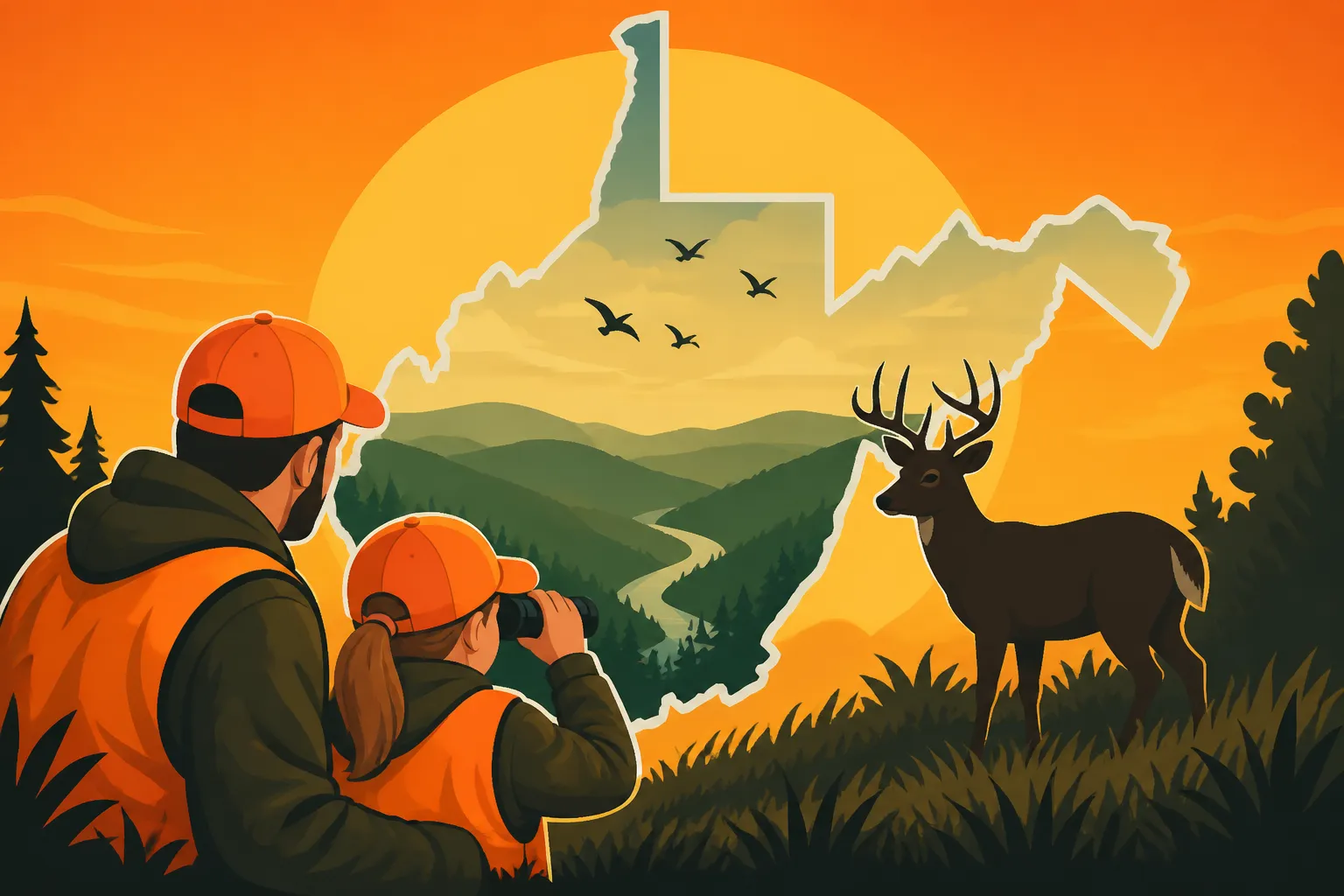
The West Virginia Youth Deer Weekend often feels like a whirlwind of excitement and a dash of parental pressure, doesn't it? We all want our young hunters to have a memorable, successful experience, but navigating the rules, preparing them for the field, and managing expectations can be a real challenge. This comprehensive guide is here to walk you through everything you need to know to make the Youth Deer Weekend a truly special and rewarding time for your budding outdoors enthusiast.
Understanding the West Virginia Youth Deer Weekend Framework
The West Virginia Youth Deer Season is a special opportunity designed specifically for young hunters, usually occurring the last weekend in October, giving them a chance to hunt before the regular firearm seasons open. It's a fantastic initiative aimed at fostering a love for hunting and the outdoors in the next generation. However, it's crucial to understand the specific regulations to ensure a safe, legal, and enjoyable hunt.
First and foremost, eligibility is key. This hunt is typically open to youth hunters aged 8 to 17 years old. If your child is on the younger end, say 8 to 10, they'll likely be participating under the West Virginia Mentored Youth Hunting Rules. This program allows unlicensed youth to hunt under the direct supervision of a licensed adult mentor, which is an incredible way to introduce them to the sport without the immediate pressure of hunter education. For those 11 to 17, they generally need to possess a valid hunting license and have completed their West Virginia Hunter Education Requirements. Always double-check the current year's hunting proclamation from the West Virginia Division of Natural Resources (WVDNR) for exact age requirements and licensing specifics, as these can sometimes see minor tweaks.
The bag limit during this weekend usually allows for one deer, which can be either antlered or antlerless, and it must be legally checked in the county of kill or an adjoining county. This flexibility, allowing either sex, dramatically increases the chances of success for youth hunters, which is so important for building confidence. It's a far cry from the restrictive antler-point rules that apply to bucks during parts of the regular season in some areas, removing one layer of complexity for young hunters. This makes it a perfect time for them to gain experience in shot placement and deer recovery without worrying about antler size. Remember, after a successful harvest, reporting your deer is mandatory; you can often do this easily through the Checking a West Virginia Deer Harvest Online system or the Go Wild West Virginia mobile app.
Preparing Your Young Hunter for the Field
Success on the Youth Deer Weekend isn't just about showing up; it's about thorough preparation that instills confidence and capability in your young hunter. This phase is less about punching a tag and more about building foundational skills and a responsible mindset. Neglecting this crucial step can lead to frustration for both you and your child, so let's dive into making it count.
Gear and Safety Essentials
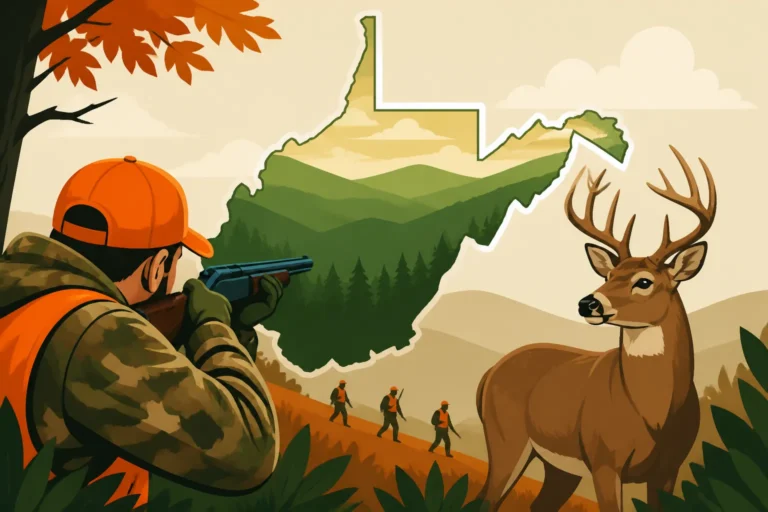
Outfitting a young hunter doesn't have to break the bank, but having the right gear is non-negotiable for comfort and safety. Comfort is especially important for youth, as being cold, wet, or uncomfortable will quickly sour the experience. Layered clothing is always recommended for West Virginia's unpredictable late October weather, ensuring they can adapt to changing temperatures. Think moisture-wicking base layers, an insulating middle layer, and a waterproof/windproof outer shell. Don't forget good quality, insulated boots – cold feet can end a hunt faster than anything! When it comes to safety, blaze orange is paramount. During the Youth Deer Weekend, typically 400 square inches of blaze orange or blaze pink must be worn as an outer garment, visible from all sides. This isn't just a rule; it's a life-saving measure, especially if you're hunting public land.
Selecting the right firearm is equally critical. For youth hunters, a rifle or shotgun that fits them well and has manageable recoil is essential. There’s a common misconception that a small hunter needs a small-caliber rifle, but many lighter calibers still have substantial recoil that can make a young shooter flinch or develop bad habits. Instead, consider youth-model firearms with shorter stocks and lighter builds, often chambered in calibers like .243 Winchester or 7mm-08, which offer a good balance of power for deer and manageable recoil. Shotguns loaded with slugs can also be excellent options, especially if you're hunting in areas with shorter sightlines or where rifles might be restricted. Ensure the firearm is appropriate for West Virginia Legal Firearms for Deer Hunting regulations. Spend ample time at the shooting range, ensuring your child can comfortably and accurately shoot their chosen firearm from various positions they might encounter in the field, like off a shooting stick or from a ground blind. Practice builds confidence and precision, which translates directly to ethical hunting.
Scouting and Strategy Together
This is where the real fun of preparing for the hunt begins and where you can truly engage your child in the process. Scouting West Virginia Public Land Before Season is invaluable, even if it's just a few afternoon walks in the weeks leading up to the hunt. Look for deer sign like tracks, droppings, rubs, and scrapes. Pay attention to bedding areas, travel corridors, and potential food sources like acorns. Getting your child involved in identifying these signs makes them an active participant, not just a passenger. Use a mapping app like GoHunt to mark potential stand locations, game trails, and access points. This teaches them navigation and how to read the terrain.
For the Youth Deer Weekend, focusing on areas with reliable food sources can be particularly effective. Whitetails are often transitioning their feeding patterns in late October, moving from early-season lush greens to harder mast like acorns. Understanding Late-Season Food Sources for West Virginia Whitetails is crucial, even if the youth hunt falls a bit earlier. A productive strategy might involve setting up near a freshly dropped white oak flat or along a travel corridor leading to one. Another excellent tactic, especially for younger, less patient hunters, is Using a Ground Blind on West Virginia Public Land. Ground blinds offer warmth, concealment, and allow for more movement without spooking game, making the experience much more enjoyable and less restrictive than a treestand. They also reduce the risk associated with elevated hunting.
On the Ground: Tactics and Experience
Once opening morning arrives, all the preparation culminates in the actual hunt. This is where patience, good decision-making, and an unwavering focus on the youth hunter's experience take center stage. Remember, the goal isn't just a harvest; it's to cultivate a lifelong passion.
Setting Up for Success
On the Youth Deer Weekend, location selection is critical, particularly considering the often-variable weather in late October. Setting up in a spot that offers good visibility while minimizing human scent dispersal is always the goal. If hunting public land, consider areas that might not be easily accessible to everyone, forcing a bit of a hike, as these often hold less pressured deer. However, for a youth hunt, ease of access is also a consideration – you don't want to exhaust them before the hunt even begins. A good compromise might be hunting slightly off well-used trails, but not so far back that it becomes a strenuous retrieve.
One effective strategy is to target transition areas. Deer will often move between bedding areas (dense cover) and feeding areas (oak flats, agricultural fields) at dawn and dusk. Setting up along a funnel between these two points can dramatically increase your chances. Wind direction is paramount; always try to position yourselves downwind of where you expect deer to approach. Even with the best camouflage, a deer's nose is its primary defense. For some, a well-planned deer drive can be an exciting and effective tactic, especially with a small group. Deer Drives With Three or Four Hunters can push deer past waiting standers, creating opportunities that still-hunting might not. This method also keeps everyone involved and moving, which can be great for younger hunters with shorter attention spans. Remember, the key is to make it an engaging and positive experience, not a test of endurance.
Patience and Mentorship During the Hunt
Once you're settled in, the real teaching begins. For many young hunters, simply sitting still for extended periods can be the biggest challenge. This is where your mentorship truly shines. Encourage quiet observation – pointing out squirrels burying nuts, different bird calls, or even the rustle of leaves in the distance can keep them engaged and teach them to notice the nuances of the forest. Talk to them about what you're looking for, how deer might approach, and what signs to watch for. If they get antsy, allow for quiet breaks, maybe a snack, or a quick whispered story. The more positive the initial experiences, the more likely they are to stick with hunting in the future.
When a deer finally appears, the excitement will be palpable. This is your moment to guide them calmly. Remind them about shot placement, ensuring they have a clear, ethical shot at the vitals. Help them steady their rifle or bow, control their breathing, and squeeze the trigger or release properly. Emphasize patience – waiting for the deer to offer the best angle, rather than rushing a bad shot, is a critical lesson. Even if they miss, or if the opportunity doesn't pan out, reinforce that hunting is about the experience, not just the kill. Replay the scenario, discussing what went well and what could be improved next time, always in a supportive and encouraging tone. Using a mapping system like GoHunt to review terrain or potential stalk routes after a missed opportunity can turn a disappointment into a valuable learning experience.
Making Memories Beyond the Harvest
Let's be real, not every hunt ends with a deer on the ground. And that's okay! The Youth Deer Weekend is about so much more than filling a tag. It's about bonding, teaching responsibility, and instilling a deep appreciation for the outdoors. Even if your child doesn't harvest a deer, the memories you create together will last a lifetime.
The Value of the Outdoor Experience
Think about it: waking up before dawn, the crisp autumn air, the anticipation, the quiet moments shared in the blind or on the stand. These are the building blocks of a hunter's soul. Focus on the sounds of the forest waking up, the beautiful sunrise over a West Virginia ridge, or the discovery of a fresh deer track. These are the moments that truly connect us to nature and make us feel alive. Talk about the importance of wildlife conservation, how hunting licenses fund habitat projects, and why ethical hunting practices are so vital. It's an opportunity to teach respect for the animals, the land, and the traditions of hunting. Whether you're discussing West Virginia's Chronic Wasting Disease Counties and their impact, or simply observing a flock of wild turkeys, every moment is a chance for education and appreciation.
Sharing stories from your own hunting experiences, both successful and challenging, can also be incredibly powerful. It humanizes the hunt and shows them that not every outing ends with a trophy. These shared narratives strengthen your bond and help them understand that perseverance is part of the journey. Many hunters have fond memories of their first squirrel hunt or Squirrel and Small Game Hunting in West Virginia with a parent or grandparent long before they ever took their first deer. These smaller hunts are often where the true passion for hunting blossoms, as they offer more action and interaction.
Post-Hunt Care and Reflection
If your young hunter is successful, the learning doesn't stop there. Field dressing, dragging, and processing the deer are integral parts of the hunting experience. Guide them through each step, explaining its purpose. This teaches them responsibility and respect for the animal, showing them where their meat comes from. It might not be the cleanest or easiest part, especially if you're dealing with Recovering a Deer From a Steep Hollow, but it's essential. Involve them as much as they are comfortable and capable, whether it's helping with the drag, holding a leg, or even just observing respectfully.
After the hunt, take time to reflect. Over a warm meal, talk about the highlights of the weekend. What did they enjoy most? What did they learn? What would they do differently next time? This debriefing solidifies the experience and allows them to process everything. These conversations are invaluable for shaping their perspective and reinforcing the positive aspects of hunting. The Youth Deer Weekend isn't just a two-day season; it's a foundational experience that can spark a lifelong love for the outdoors, conservation, and the timeless tradition of hunting in West Virginia.
| Feature | West Virginia Youth Deer Weekend (Typical) | Regular Buck Firearms Season (Typical) |
|---|---|---|
| Eligible Hunters | Ages 8-17 (with license/mentor) | All licensed hunters |
| Season Dates | Last weekend of October | Mid-November, specific dates |
| Bag Limit | 1 deer (antlered or antlerless) | Varies by county (often 1 antlered) |
| Weapon Restrictions | All legal firearms/bows for deer | All legal firearms/bows for deer |
| Blaze Orange Req. | Mandatory 400 sq. inches | Mandatory 400 sq. inches |
| Supervision | Required for mentored youth (8-10) | Not specifically required for adults |
| Primary Goal | Youth engagement & education | General harvest |
Disclaimer
The information provided in this guide is for general informational purposes only and is subject to change. Hunting regulations, season dates, and license requirements in West Virginia can vary year to year. Always consult the most current West Virginia Hunting and Trapping Regulations Synopsis published by the West Virginia Division of Natural Resources (WVDNR) before planning any hunting trip. It is the hunter's responsibility to know and follow all applicable laws and regulations.