Fogged Optics in West Virginia Cold
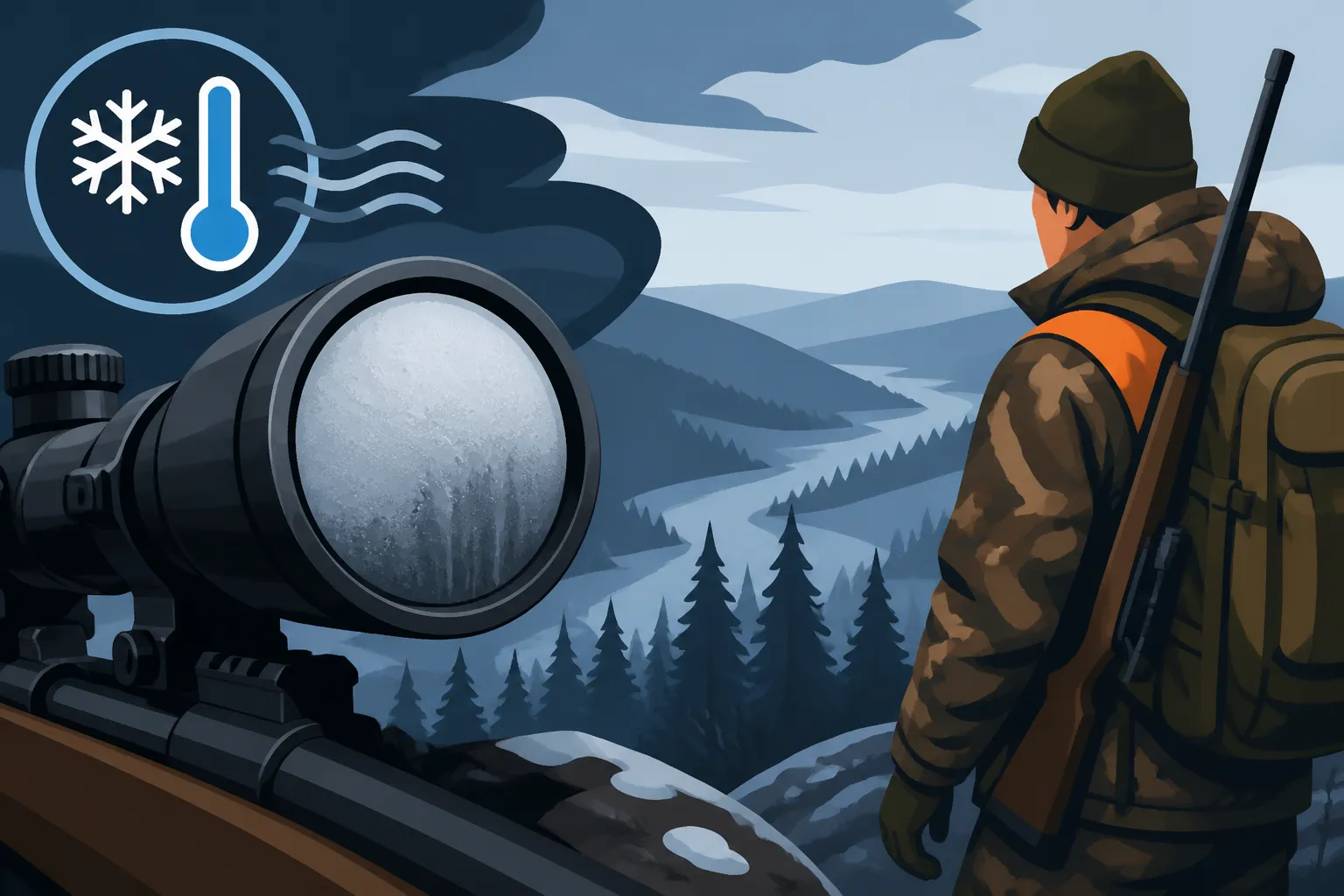
There’s almost nothing more frustrating than getting into position in a West Virginia hollow, maybe after a long, cold hike up a steep ridge, only to bring your binoculars or rifle scope up to your eye and be met with a blurry, impenetrable whiteout. Fogged optics are a rite of passage for mountain hunters, but they can absolutely ruin a perfect opportunity, especially when that big buck finally steps out. This guide is all about understanding why your optics betray you in the cold and wet conditions of our beautiful state, and more importantly, how you can prevent it and what to do when it happens anyway.
Why Optics Fog Up in West Virginia's Cold Climate
It’s a tale as old as time for West Virginia hunters: you’re hunkered down in your stand as the dawn mist hangs heavy in the valleys, then the sun breaks, and suddenly, your carefully chosen optics are useless. Understanding why this happens is the first step toward preventing it. It’s not just bad luck; it’s science, amplified by our unique mountain environment.
Temperature Differentials and Condensation
The primary culprit behind fogged optics is condensation, and that’s driven by temperature differences. Imagine you've been carrying your binoculars close to your body, keeping them warm, or they've just been sitting inside your cozy hunting cabin. Then you step out into a frigid December morning in the Allegheny Highlands. The moment those warmer lenses hit the cold, damp air, the moisture in the air condenses on the colder surface. It's the same principle as a cold drink glass "sweating" on a humid summer day.
This phenomenon is particularly prevalent when you're moving between significantly different temperature zones, like exiting a heated vehicle or a warm tent and immediately trying to glass a distant hillside. The rapid change doesn't give the optics time to equalize with the ambient air temperature, leading to instant fogging. In West Virginia, where temperatures can swing wildly from morning to midday, and from valley bottoms to exposed ridge tops, this is a constant battle. That brief moment of clarity before the fog rolls in feels like a cruel trick, especially when Hunting Steep Allegheny Ridges and needing to spot deer far below.
Humidity and Moisture Trapped Within
Beyond external condensation, you can also encounter internal fogging, which is a far more serious problem. External fogging, while annoying, usually dissipates once the optic's temperature equalizes or with a quick wipe. Internal fogging, however, means moisture has somehow gotten inside the optical housing. This could be due to seals failing on older or lower-quality optics, or simply extreme changes in atmospheric pressure and temperature allowing tiny amounts of moisture to be drawn in over time.
West Virginia's climate often boasts high humidity, even when it's cold. Coupled with rain, snow, or even just heavy morning dew, your gear is constantly exposed to moisture. If a tiny crack exists in a seal, or if you've ever had your optics submerged even briefly, that internal moisture can be activated by temperature changes. Once inside, it creates a persistent fog that won't wipe away and can severely impact the clarity and lifespan of your optics. It's why seasoned hunters prioritize sealed, nitrogen-purged optics, especially when they’re out for extended periods or in consistently wet conditions common during West Virginia's Buck Gun Season.
West Virginia's Unique Climate Challenges
Our state's topography and weather patterns create a perfect storm for optic fogging. From the damp, misty river bottoms of the Ohio River Valley to the high-elevation, often snow-covered peaks of Spruce Knob, West Virginia offers a diverse range of microclimates, sometimes all on the same hunt. You might start your morning in a fog-laden hollow, climb to a breezy, clear ridge, and then descend into a sheltered, humid hemlock thicket – each transition a potential fog trap for your optics.
Consider hunting during the late archery season or muzzleloader season in December. You might be experiencing freezing rain or heavy snow, followed by a slight warm-up, creating incredibly humid conditions. These dramatic shifts challenge even the best gear. It's not just the cold that's the problem; it's the combination of cold and abundant moisture, whether it's precipitation, dew, or simply high humidity. Any serious hunter who spends time afield here knows the battle against the elements is relentless, and your optics are often the first casualty if not properly prepared. It makes proper Cold-Weather Sitting Strategy in the Mountains even more crucial.
Preventative Measures: Stopping Fog Before It Starts
The old adage "an ounce of prevention is worth a pound of cure" certainly applies to optics care in West Virginia. Taking proactive steps before and during your hunt can drastically reduce the chances of your view turning into a cloudy mess.
Pre-Hunting Prep: Cleaning and Treatments
Before you even step out the door, a little preventative maintenance goes a long way. First and foremost, ensure your lenses are meticulously clean. Any dust, grime, or smudges on the lens surface can attract and hold moisture, making fogging worse and harder to clear. Use a soft lens brush to remove loose particles, then a quality microfiber cloth specifically designed for optics, often with a breath of your own warm air, to gently clean the surfaces. Resist the urge to use your shirt or a rough cloth, which can scratch delicate coatings.
Beyond basic cleaning, consider applying an anti-fog treatment to your lenses. There are various products on the market, from specialized wipes to liquid solutions, that create a hydrophobic layer on the lens. This layer prevents moisture from beading up and forming a fog. While not a foolproof solution, especially in extreme conditions, it can provide an extra layer of defense and make any fog that does form dissipate more quickly. Think of it as a wax job for your lenses, helping moisture shed rather than cling. Always test any new treatment on a small, inconspicuous part of the lens first to ensure it doesn't damage coatings. Brands like GoHunt often recommend a thorough pre-hunt checklist, and lens care should absolutely be on it.
Acclimatization Techniques
One of the most effective ways to prevent fogging, especially external fogging, is to allow your optics to slowly adjust to temperature changes. This is called acclimatization. Instead of keeping your binoculars or rifle scope warm inside your jacket until the moment you need them, try to expose them to the outside air temperature gradually.
For example, if you're leaving a warm vehicle or cabin, place your optics in an outer pocket of your pack or hang them outside your stand for 10-15 minutes before you plan to use them heavily. This allows the glass to slowly cool down and match the ambient air temperature, preventing the sudden shock that causes condensation. Some hunters even prefer to store their optics in an unheated garage or porch overnight if possible, so they are already at the outdoor temperature when the hunt begins. This small step can make a huge difference in critical moments, like when you're trying to identify that trophy buck at first light. Rifle Scopes for Low-Light Hollows really need to be clear.
Storage and Protection in the Field
How you store and carry your optics in the field is just as important as your pre-hunt prep. Keeping them protected from direct moisture and rapid temperature swings can prevent many fogging incidents. A good binocular harness, for instance, not only keeps your binos secure and accessible but also provides a level of protection from rain, snow, and body heat. Many harnesses offer a flap or cover that can be pulled over the lenses when not in use, creating a mini-climate for your optics.
For rifle scopes, always keep the lens caps on until the absolute moment you need to make a shot. Not only does this protect the glass from scratches and debris, but it also helps to buffer against sudden temperature changes and keeps precipitation off the lens. If you’re caught in a downpour or heavy snow, tuck your optics inside your jacket or pack, making sure they are wrapped in a dry cloth if possible. Even a simple Ziploc bag can offer a surprising amount of protection in a pinch. Remember, a dry optic is far less likely to fog. Consider the impact of wet weather on your overall gear, like finding the right Packs for a Monongahela Forest Day Hunt that can keep essentials dry.
In-the-Field Solutions: What to Do When Fog Strikes
Despite your best preventative efforts, sometimes West Virginia's weather just wins, and your optics fog up anyway. When that happens, knowing how to react quickly can salvage a hunting opportunity.
Quick Fixes for External Fog
If your optics fog up externally, don't panic. There are several rapid solutions you can try. The simplest is often just patience – if the temperature differential wasn't too severe, the fog might dissipate on its own as the glass equalizes with the air. However, if time is of the essence, here are a few tricks:
- Warm Your Lenses Gently: Cup your hands around the objective and ocular lenses for a moment or two. The warmth from your hands can slightly raise the lens temperature, helping the moisture evaporate. Be gentle and avoid rubbing aggressively.
- Breath and Wipe: A quick breath of warm air from your mouth onto the lens, followed immediately by a gentle wipe with a clean, dry lens cloth, can sometimes clear the fog. The key is "clean and dry"—a dirty or damp cloth will only smear the moisture and debris, making things worse.
- Utilize a Hand Warmer: If you carry chemical hand warmers for warmth, you can often use one, placed in a pouch or wrapped in a thin cloth, to gently warm a fogged lens. Hold it near, but not directly on, the lens surface. The radiating heat can help clear the moisture. This is especially useful for Binocular Choice for West Virginia Whitetails that might fog up just before a shot.
Dealing with Internal Fogging
Internal fogging is a much tougher beast to tackle in the field. If you suspect moisture has breached the internal seals of your optics, you'll see a persistent haziness that doesn't clear with external wiping or gentle warming. This usually indicates a compromised seal, and it’s a problem that typically requires professional repair or replacement.
In the short term, your options are limited. You can try storing the optic in a warm, dry place (like a warm pocket or even a vehicle with the defroster running) to try and evaporate the internal moisture, but this is often a temporary fix. The moisture will likely return as soon as the optic cools down again. If you're out on a multi-day hunt and facing internal fog, your best bet might be to rely on a backup pair of binoculars (if you carry them) or switch to hunting methods that require less glassing. It's a frustrating situation, but a good lesson in investing in quality, well-sealed optics designed for rugged conditions, or utilizing a service like GoHunt to research robust gear.
Adapting Your Hunting Style
Sometimes, despite all efforts, your optics simply won't cooperate. When that happens, you need to adapt. This might mean shortening your effective range or changing your hunting approach entirely. If your binoculars are fogged, focus on using your unaided eyes to spot movement, and only raise your rifle scope for verification on closer targets you’re confident in. Your Rangefinders in Thick Highlands Cover may also be affected, making distance estimation harder.
This is where understanding the terrain and animal behavior becomes even more critical. Instead of relying on long-range glassing, you might shift to still-hunting, moving slowly and deliberately through cover, relying more on your hearing and peripheral vision. Or, if hunting with a partner, you might rely on their optics. It’s also a good reminder to practice with your open sights or unmagnified rifle scope if legal and applicable to your weapon, as a last resort. West Virginia hunting often demands versatility, and being able to adapt to gear failures, including fogged optics, is a mark of an experienced hunter. You need to be able to make a clean kill, even if your optical aid isn't perfect.
Gear Considerations for West Virginia's Temperamental Weather
Investing in the right gear can significantly mitigate the challenges of fogging optics in West Virginia's unpredictable climate. While no optic is entirely immune, higher quality equipment is engineered to withstand harsh conditions far better.
Quality Optics and Nitrogen Purging
The single biggest factor in preventing internal fogging is the quality of your optics, particularly whether they are "nitrogen purged" or "argon purged." This process involves removing all air and moisture from inside the optic and replacing it with an inert gas like nitrogen or argon. These gases don't contain moisture, so they can't condense inside the scope or binocular, regardless of temperature changes. This internal sealing also prevents dust and other contaminants from entering.
Reputable brands in the optics world almost universally use nitrogen or argon purging in their higher-end products. While these optics come with a higher price tag, the reliability they offer in the face of driving rain, heavy snow, or rapid temperature fluctuations is invaluable. Imagine being on a critical bear hunt during Hunting West Virginia's Liberal Bear Season when a heavy fog rolls in, and your cheaper binos instantly white out. A quality, purged optic will still give you a clear view, allowing you to make that ethical shot. It's an investment, but one that pays dividends in performance and longevity in the challenging conditions of West Virginia.
Protective Covers and Harnesses
Beyond the optics themselves, how you protect them while hunting plays a huge role in preventing fogging and overall wear and tear. Binocular harnesses are a game-changer for many West Virginia hunters. They keep your binoculars secure, accessible, and often offer a degree of protection. Many popular harnesses feature built-in covers for the objective and ocular lenses, which you can quickly flip open when glassing. This means your lenses are shielded from rain, snow, dust, and even the subtle warmth of your body, which can cause fogging when exposed to cold air.
For rifle scopes, flip-up lens caps are a must-have. They provide instant protection from the elements and ensure your lenses are clean and dry until the moment you need them. Even a simple neoprene scope cover can add an extra layer of insulation against rapid temperature changes and keep moisture off the glass. Keeping your optics in a quality harness or with solid lens caps makes a real difference. Think about how many times you’ve had to use Binocular Harnesses Worth Wearing to protect your view.
Essential Accessories to Carry
Even with top-tier optics, having a few key accessories on hand can be a lifesaver when dealing with fog. First and foremost, a dedicated, high-quality lens cleaning kit should always be in your pack. This usually includes a soft brush, a lens pen, and several fresh microfiber cloths. Keeping these items clean and dry is paramount; a dirty cloth can do more harm than good by smearing grime.
Another invaluable tool, especially in cold West Virginia weather, is a supply of chemical hand warmers. As mentioned, these can be used to gently warm fogged lenses, helping to evaporate external moisture. They can also be tucked into your binocular harness pocket to provide a little extra warmth and prevent initial temperature shock. Consider also carrying a small, waterproof dry bag or a Ziploc bag for your optics in case of severe downpours, offering a quick and effective way to shield them. These small, often inexpensive items can make a huge difference in maintaining clear vision during a hunt, and any hunter planning to be out during West Virginia Public Land Hunting Hours should have them.
Here's a quick comparison of common anti-fog strategies:
| Strategy | Description | Effectiveness (WV Conditions) | Pros | Cons |
|---|---|---|---|---|
| Nitrogen Purging | Inert gas inside optics prevents internal condensation. | High | Permanent internal fog solution, durable. | More expensive, not a DIY fix. |
| Anti-Fog Coatings/Sprays | Creates a hydrophobic layer on external lenses. | Medium to High | Easy to apply, helps shed moisture. | Can wear off, needs reapplication, not for internal fog. |
| Acclimatization | Slowly exposing optics to ambient temperature. | High | Free, simple, very effective for external fog. | Requires planning, time. |
| Lens Caps/Covers | Physical barrier against elements and temp changes. | High | Protects from moisture, scratches, light impact. | Must be removed for use, can be lost. |
| Gentle Hand Warming | Using body heat to warm external lenses. | Medium | Quick, free, good for minor fog. | Temporary, requires careful handling. |
| Microfiber Cloth | Wiping external fog with a clean, dry cloth. | Medium | Quick, simple, good for light condensation. | Dirty cloth will smear, can scratch lenses. |
Ultimately, hunting in West Virginia means facing all kinds of weather, often within the same day. By understanding why your optics fog, taking preventative steps, and having a plan for when it happens, you'll be much better equipped to keep your eyes on the prize.
Disclaimer
This article is for general informational purposes only and does not constitute professional advice. Laws, prices and regulations vary by location and change over time. Consult a qualified professional for guidance on your specific situation.